Akston Health
Akston Health
Akston Health
Custom-formulated chemical specifications tailored to local aerospace clean energy, lithium/sodium battery networks, and maritime purification operations in the Puget Sound.
Seattle and the broader Pacific Northwest (PNW) region are rapidly transitioning into global hotbeds for clean technology and environmental stewardship. Backed by Washington State's Climate Commitment Act, manufacturers, developers, and researchers in King, Pierce, and Snohomish counties are pioneering solutions that rely directly on advanced metallurgy and oxide ceramics.
The Port of Seattle and Port of Tacoma represent critical links in global logistics, but they face strict mandates to reduce carbon emissions and sulfur pollutants. High-activity manganese dioxide serves as an essential dry-scrubbing catalyst for marine desulfurization systems. Meanwhile, the local energy landscape relies heavily on energy storage systems (ESS) to balance hydro-generation. Manganese oxides ($MnO_2$, $Mn_2O_3$, and $Mn_3O_4$) are vital cathode materials for sodium-ion and lithium-ion systems powering the local grid.
With massive aerospace footprints in Renton and Everett, regional manufacturers require ultra-fine manganese oxides to synthesize high-temperature structural alloys and anti-friction ceramic coatings. Manganese trioxide ($Mn_2O_3$) nanoparticles act as sintering aids, drastically improving raw material densities under lower kiln temperatures—thereby optimizing fuel and energy efficiency in high-precision thermal manufacturing.
Manganese dioxide acts as a natural oxide filter medium for removing toxic heavy metals, iron, and sulfur compounds in the Puget Sound watershed. Because of its strong catalytic oxidation properties, local municipal water plants utilize catalytic-grade manganese dioxide to meet EPA Safe Drinking Water standards, ensuring the removal of organic compounds without using hazardous chemical oxidants like chlorine gas.
Sodium-ion batteries are rapidly replacing cobalt-heavy formulations in grid storage. High-purity $Mn_2O_3$ has emerged as the preferred cathode source material due to its abundance, thermal stability, and higher safety tolerances in cold climate operations like the Cascade region.
Manganese exhibits multiple oxidation states ($+2, +3, +4, +7$), making it incredibly versatile yet complex to process. Selecting the correct crystallographic phase is essential to achieving expected reaction kinetics.
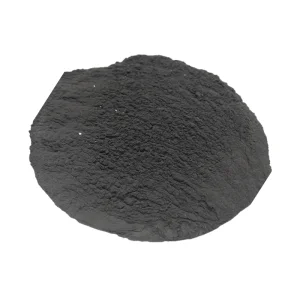
Used heavily in battery cathodes and catalysts. The alpha ($\alpha$) phase exhibits an open tunnel structure ($2\times2$ tunnels) ideal for intercalating ions. The beta ($\beta$) phase offers high thermodynamic stability, vital for industrial oxidant synthesis.
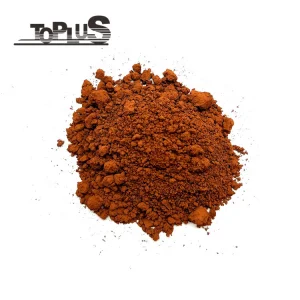
Optimized for solid-state reactions. Widely applied in thermistors, soft magnetic materials, and sodium-ion battery cathode formulations. It ensures consistent cycle-life and high structural resilience.
Formed through high-temperature oxidation of manganese salts. Excellent catalyst for methane conversion, nitrous oxide abatement, and high-performance semiconductor components.
High-activity formulations certified for consistent particle size distribution (PSD) and low heavy-metal contamination.
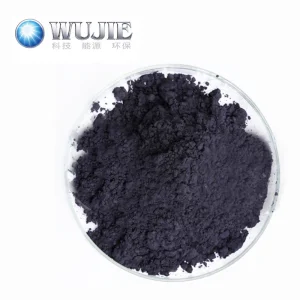
Through close cooperation between our global supply chain structures, we supply high-performance Manganese Oxide to a variety of industries.
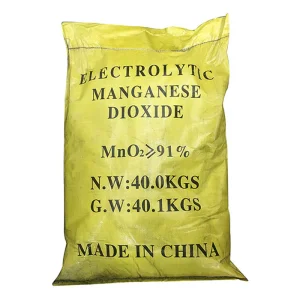
We provide ultra-pure Electrolytic Manganese Dioxide (EMD) and Lithium Manganese Oxide ($LiMn_2O_4$) optimized for high-discharge rates and thermal stability in smart-grid battery storage systems. These products undergo advanced milling protocols to guarantee narrow particle size distribution, preventing short circuits during cycling.
Manganese is an essential trace mineral required for bone development and metabolism in modern livestock. Working under the Qingdao Akston Health Co., Ltd. umbrella, we supply Feed Industry Grade 62% Manganese Oxide. This is highly bioavailable, low in heavy-metal impurities, and conforms to strict safety regulations in North America and Europe.
For municipal wastewater facilities and ocean vessels operating in the Puget Sound, our high-activity Alpha-phase nano $MnO_2$ acts as an intensive catalytic oxidizer. It accelerates the conversion of volatile organics ($VOCs$) and removes hydrogen sulfide ($H_2S$) and heavy metal ions from discharge streams.
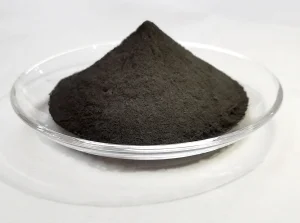
For high-strength steel alloys, high-performance structural ceramics, and thermal-imaging resistors, our micronized $Mn_3O_4$ and $Mn_2O_3$ exhibit perfect chemical homogeneity, ensuring batch-to-batch consistency for precision manufacturing operations.
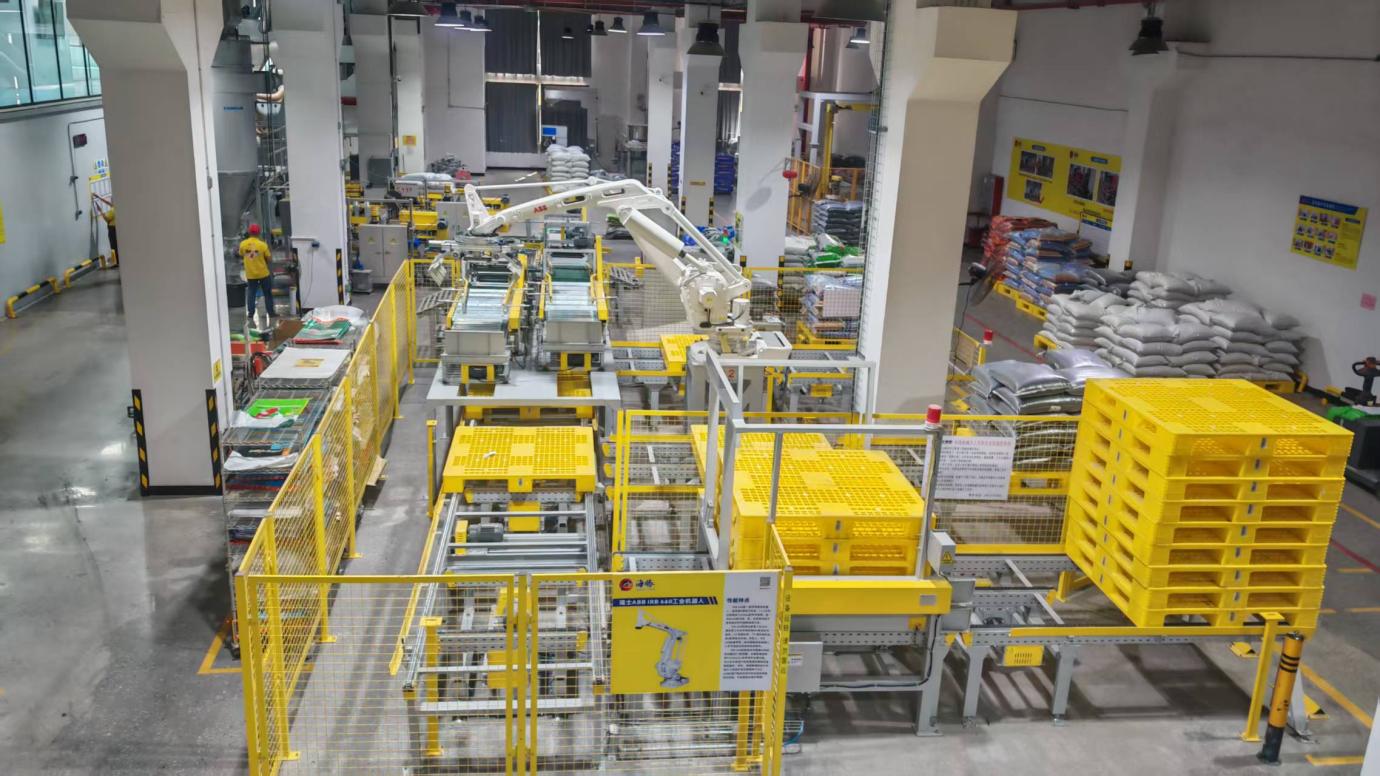
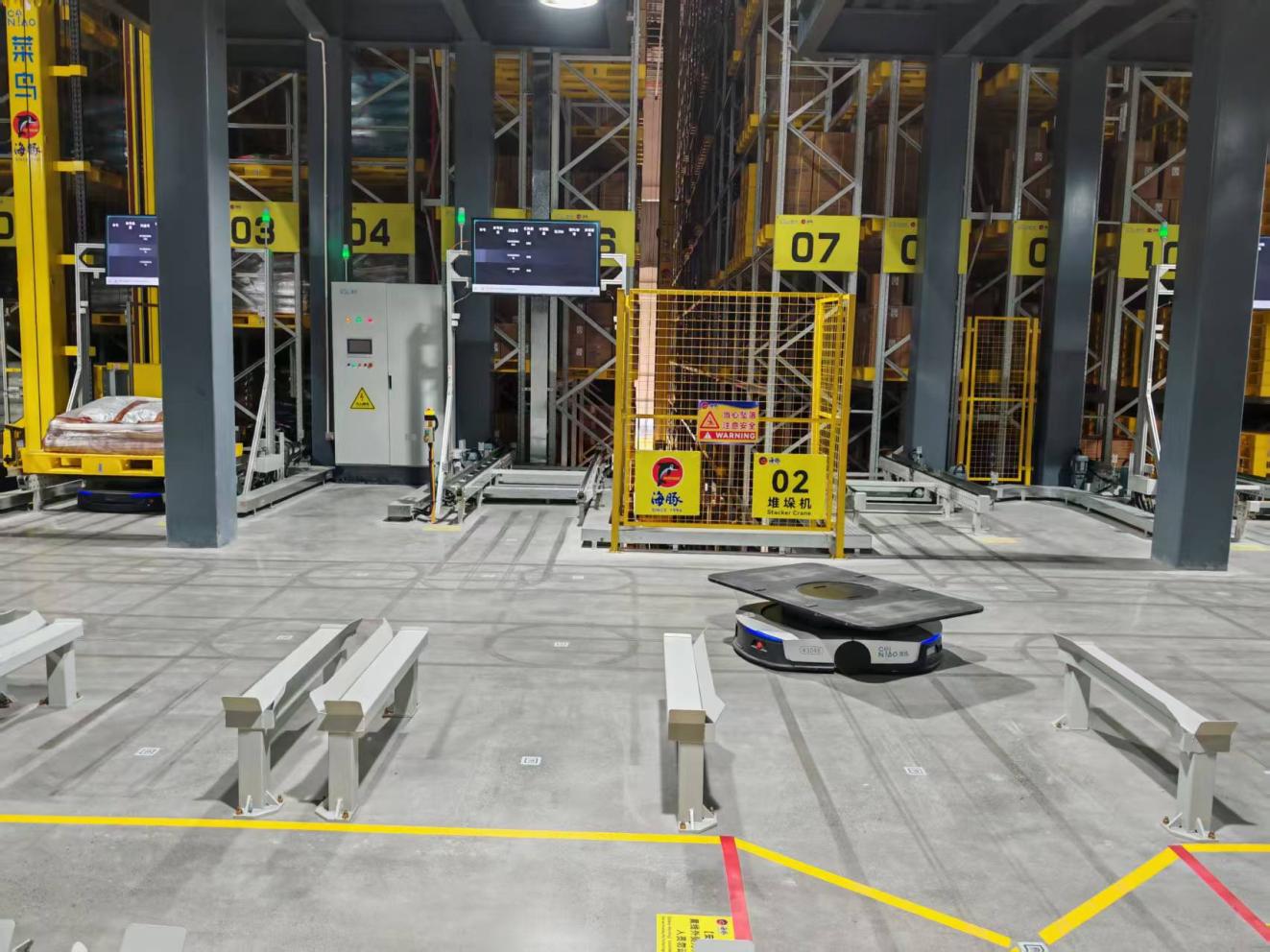
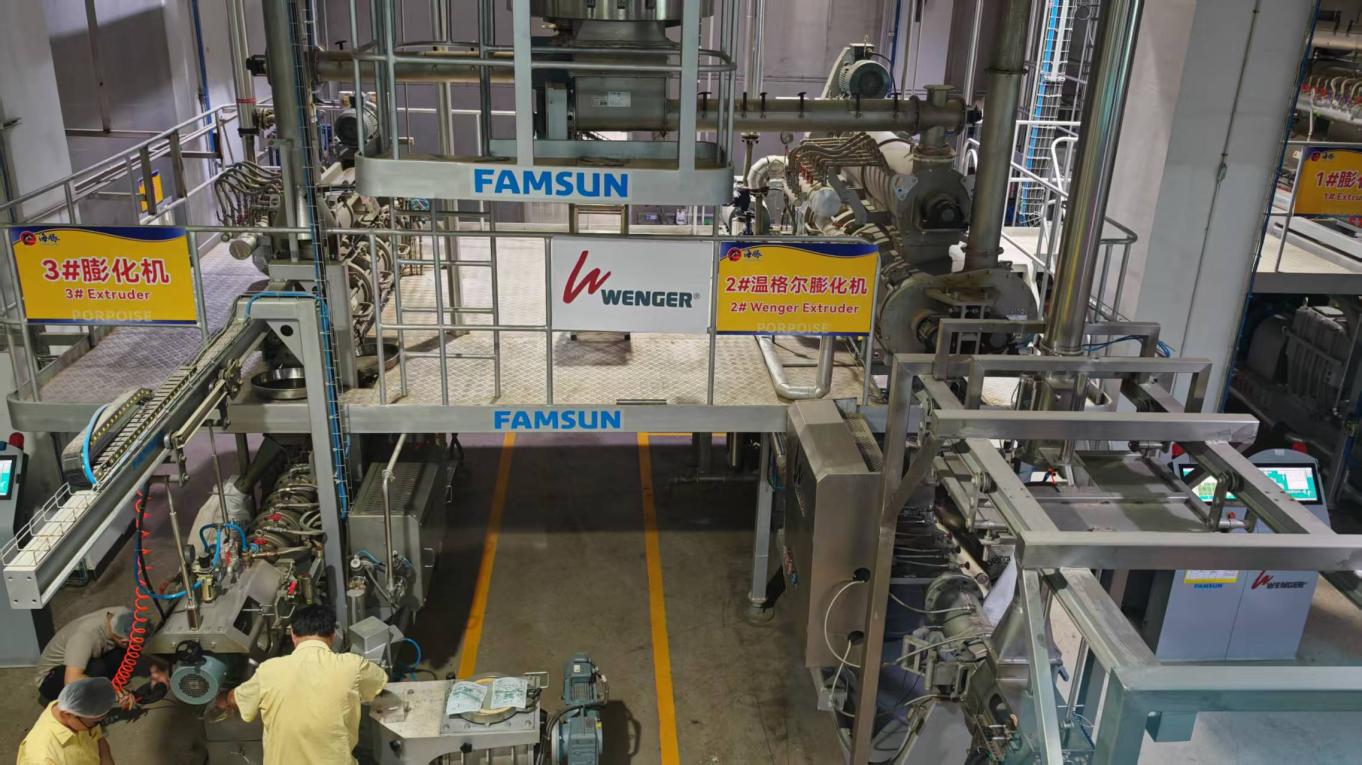
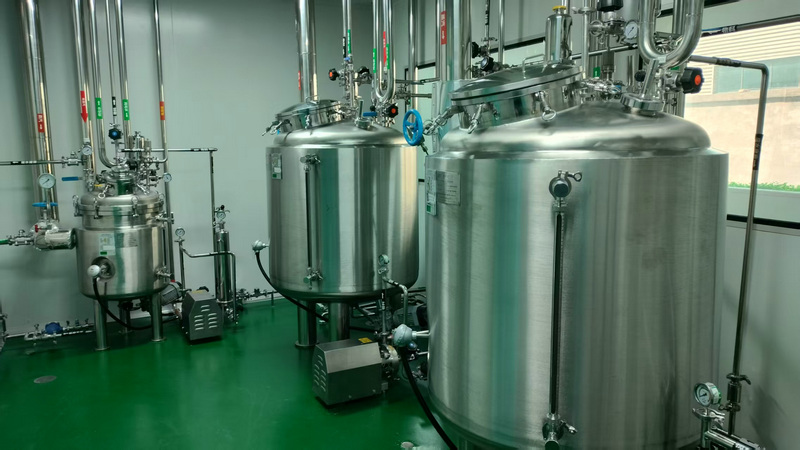
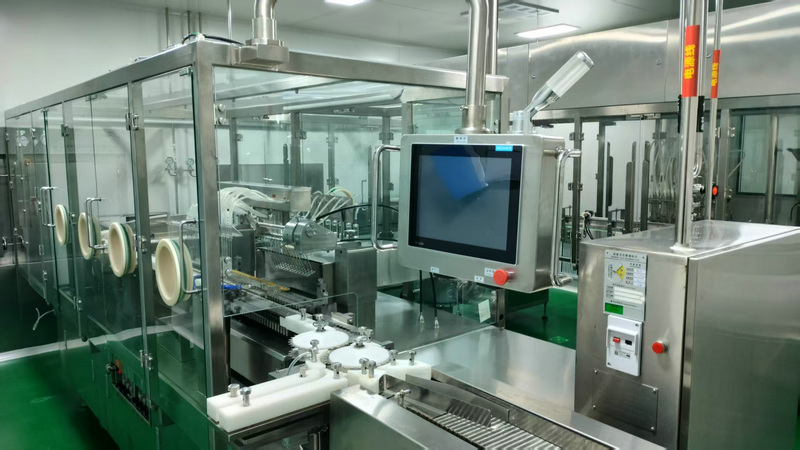
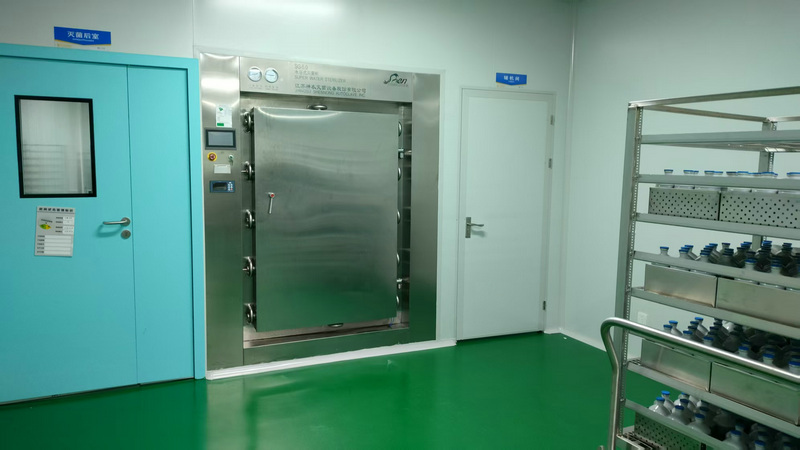
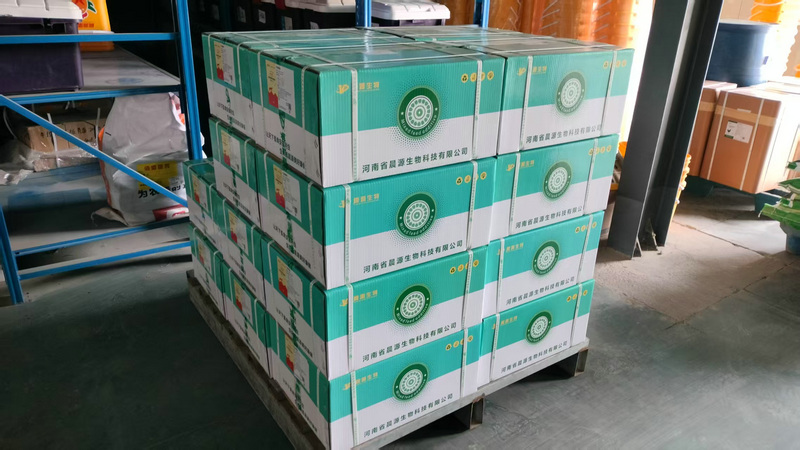
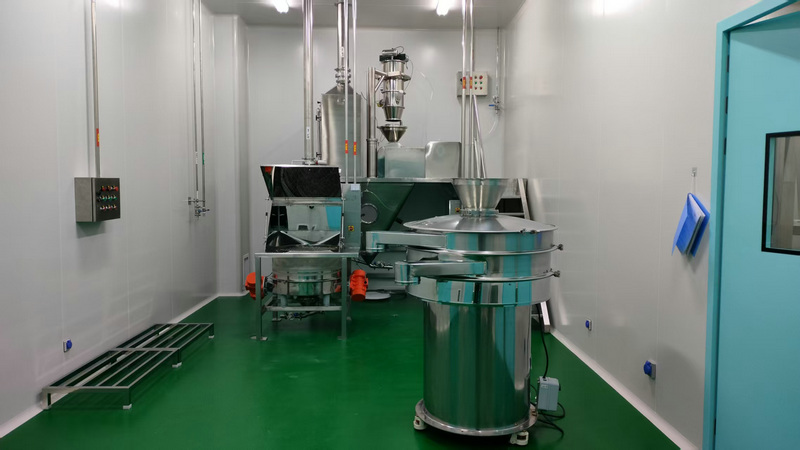
At Qingdao Akston Health Co., Ltd., we utilize modern automated manufacturing plants designed to ensure supply chain resilience, safety, and price stability. Operating a smart, digitized facility enables us to deliver high-quality manganese compounds and feed minerals across Asia, North America, and Europe.
From storing raw materials to automated packing and inspection, our operations are optimized to guarantee safety and compliance. Here is an overview of our state-of-the-art facility:
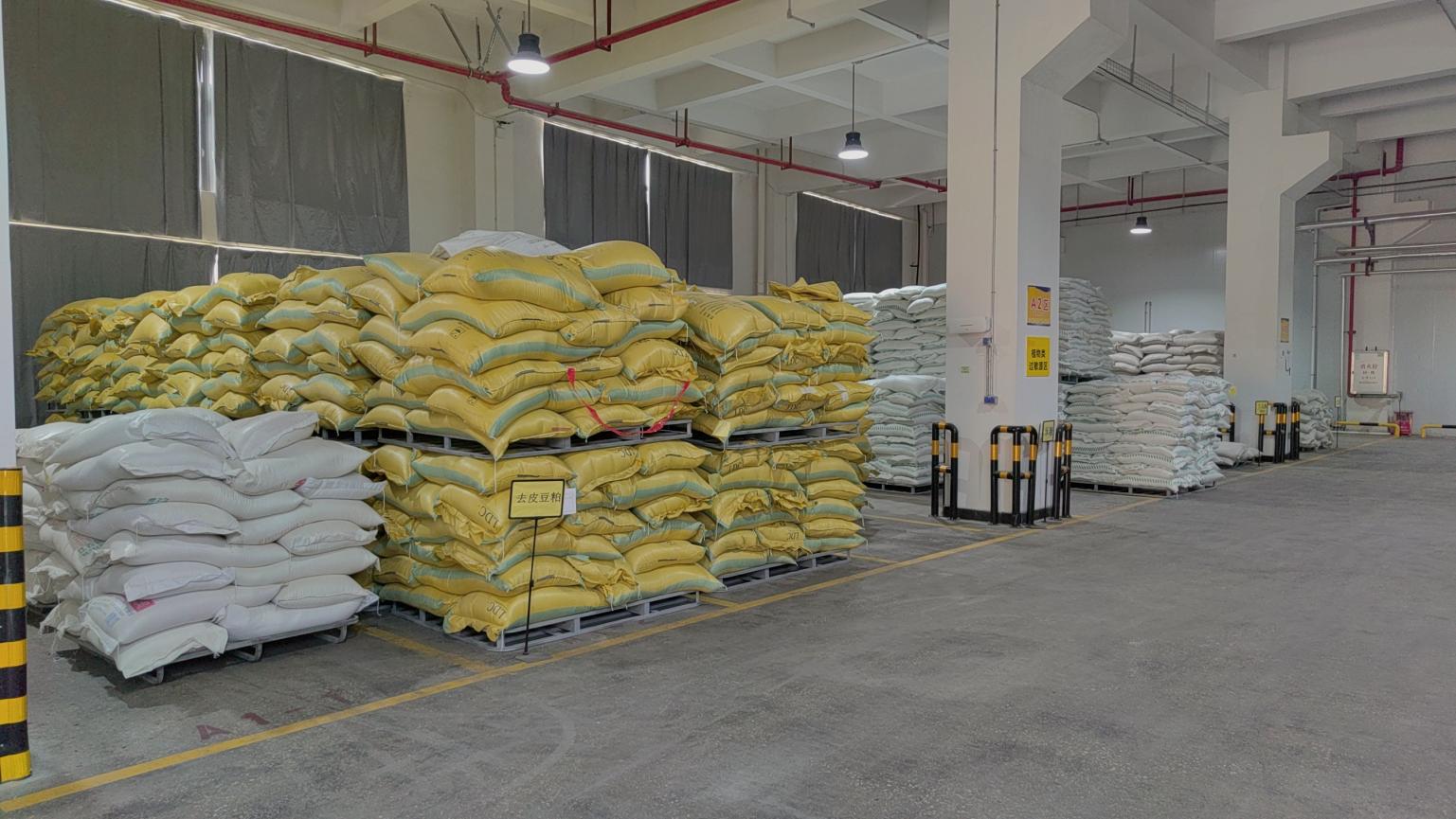
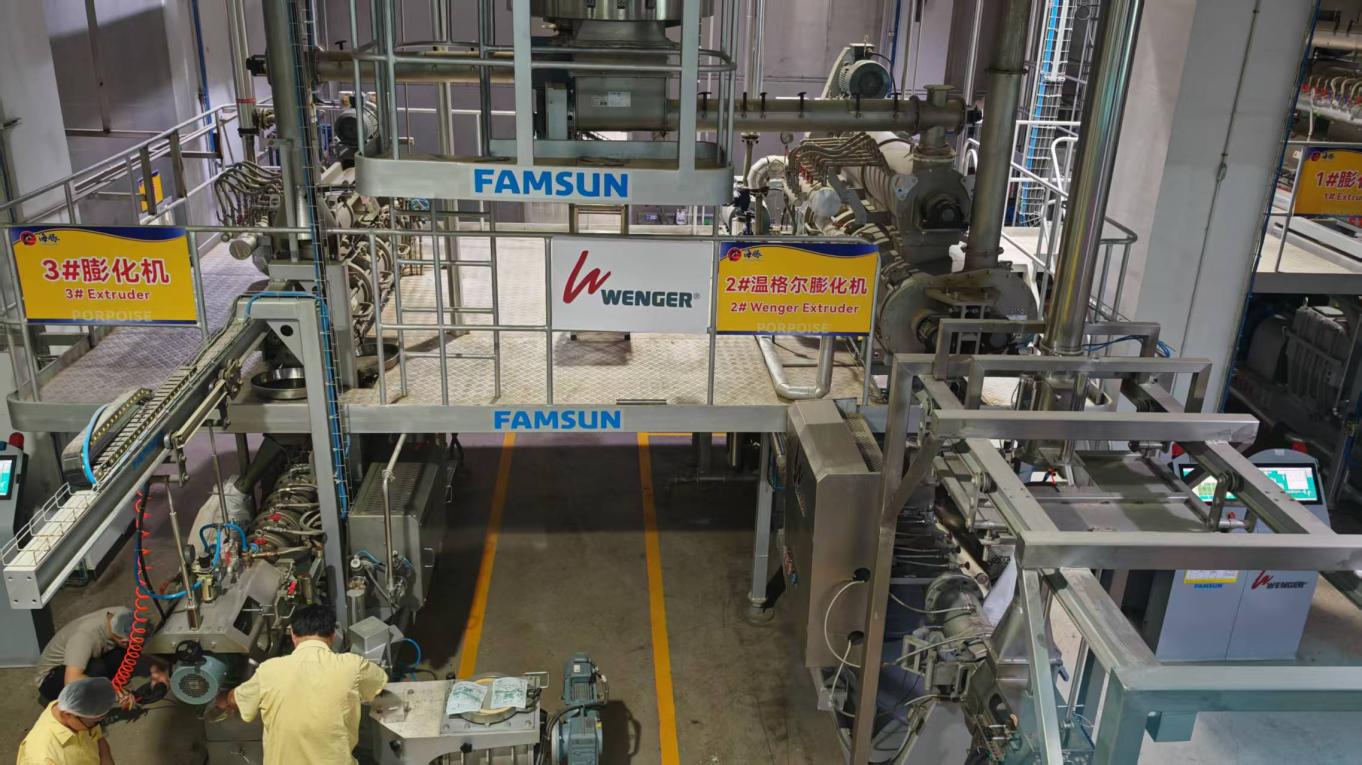
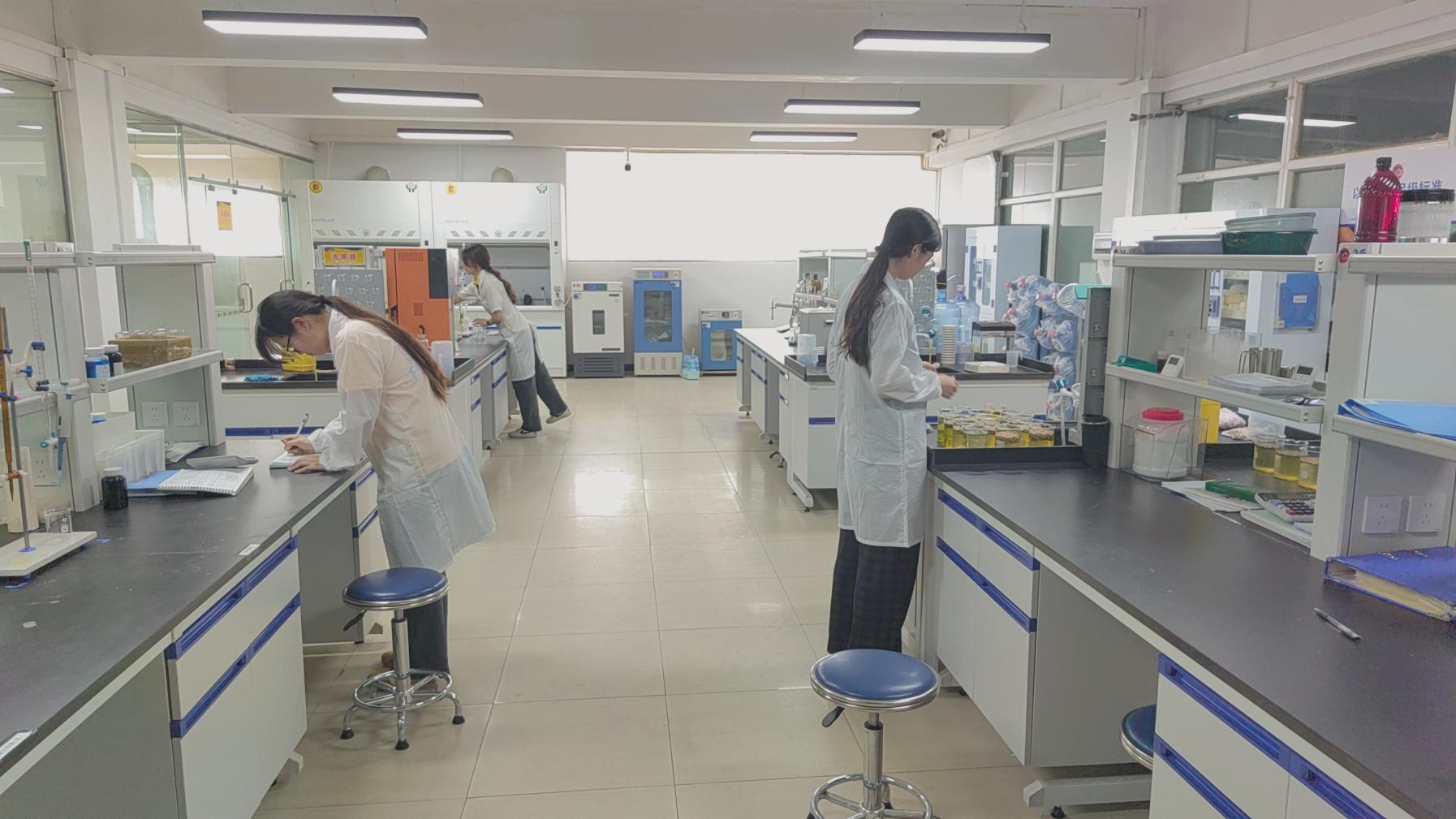
Global supply chains require deep alignment with local regulatory bodies. When importing chemical reagents and industrial minerals into the Pacific Northwest, we prioritize regulatory compliance and logistical efficiency.
By leveraging direct maritime routes from Qingdao to the Port of Seattle/Port of Tacoma, we reduce transit times and mitigate supply chain delays. We coordinate customs clearance, warehousing, and delivery directly to industrial facilities throughout the Cascadia Corridor (from Vancouver, BC, to Portland, OR).
Get answers to common technical, quality, and shipping questions about manganese oxide supply.
Browse our complete list of technical materials, battery cathodes, and feed-grade trace minerals.

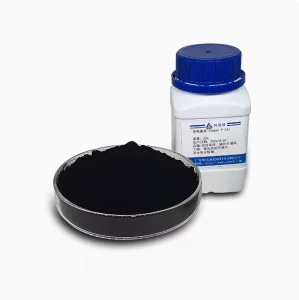
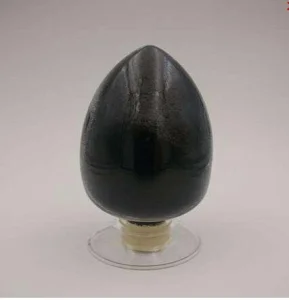
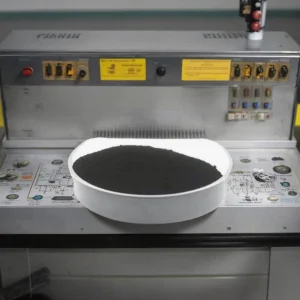
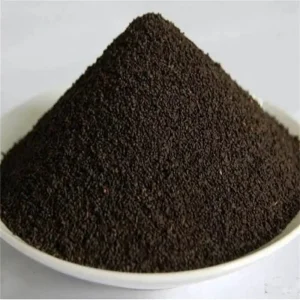
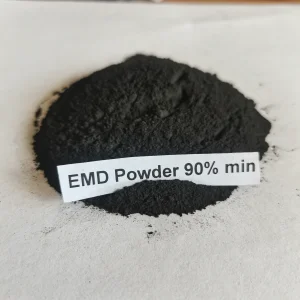
From specialized nano-materials to industrial bulk shipments, we deliver high-performance manganese products tailored to your technical requirements. Request a custom quote for the Seattle market.
Send Inquiry Now