Akston Health
Akston Health
Akston Health
Premium, high-protein formulations designed to optimize animal digestion, immune response, and feed conversion ratios.
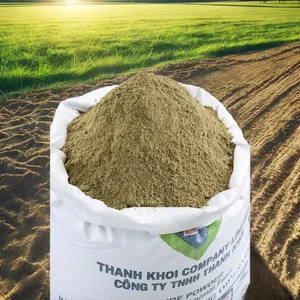
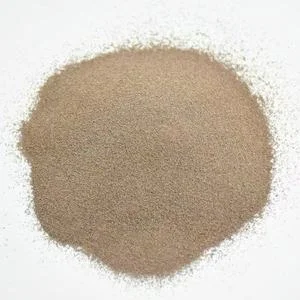
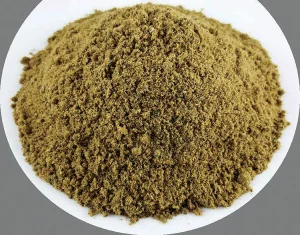
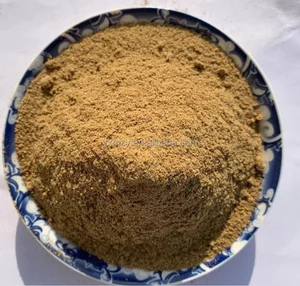
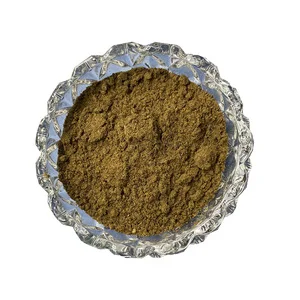
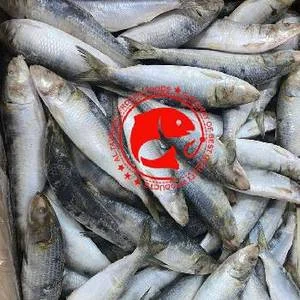
The global feed landscape is experiencing a paradigm shift. Fish meal remains the ultimate benchmark for biological protein value due to its unparalleled amino acid profile, high digestibility, and essential fatty acids (specifically EPA and DHA). As aquaculture production continues to surpass wild-catch landing volumes, the demand for premium-grade marine protein has climbed to historic heights. The modern buyer is no longer merely looking for a generic protein source; they require highly specialized nutritional profiles designed for targeted life stages of aquatic and terrestrial species.
A primary driver in the contemporary fish meal market is the transition towards fully certified sustainable sourcing. Compliance with standards such as the MarinTrust (formerly IFFO RS) and the Aquaculture Stewardship Council (ASC) has transitioned from an ethical choice to a hard procurement mandate. Major global feed producers are prioritizing suppliers who can verify that their marine ingredients do not contribute to overfishing or ecological degradation. Furthermore, the optimization of low-temperature processing technology (producing "Super Prime" and "Prime" quality designations) has enabled exporters to preserve fragile peptides and volatile nutrients that traditional high-temperature processes degrade.
Simultaneously, the circular economy is influencing raw material extraction. By-product recovery from human-grade seafood processing now represents over 30% of global fish meal output. This transition has mitigated the reliance on wild-capture forage fisheries, stabilizing supply-chain volume while introducing unique variations in mineral compositions that require precise analytical management. Enterprise buyers must partner with exporters capable of navigating these biochemical variations through analytical transparency.
Enterprise-level procurement of fish meal requires a rigorous assessment of biological and chemical metrics. When sourcing for high-density aquaculture or sensitive early-stage animal feeds, standard parameters like crude protein percentages must be balanced with deeper biochemical criteria. High-quality fish meal is evaluated on parameters that directly affect shelf-life, palatability, and metabolic efficiency:
At Qingdao Akston Health Co., Ltd., we combine state-of-the-art analytical equipment (HPLC, NIR spectroscopy) with verified third-party laboratory audits to ensure every shipment conforms to international feed safety standards. Our strict adherence to the Hazard Analysis Critical Control Point (HACCP) system guarantees that issues like Salmonella or heavy metal contamination are eliminated before cargo leaves our depots.
Visual breakdown of our advanced processing line, from raw material validation to automatic packaging and smart storage warehousing.
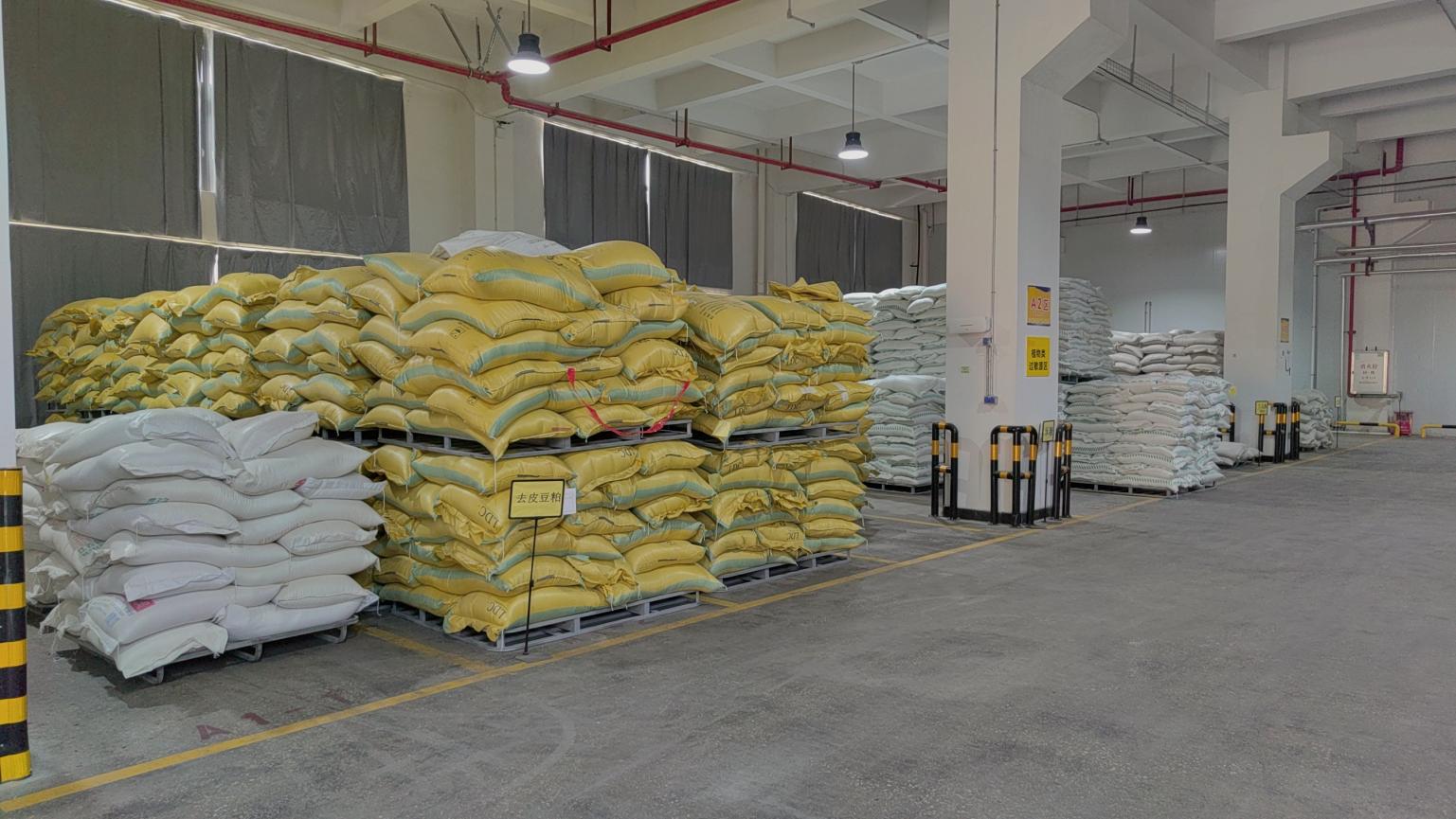
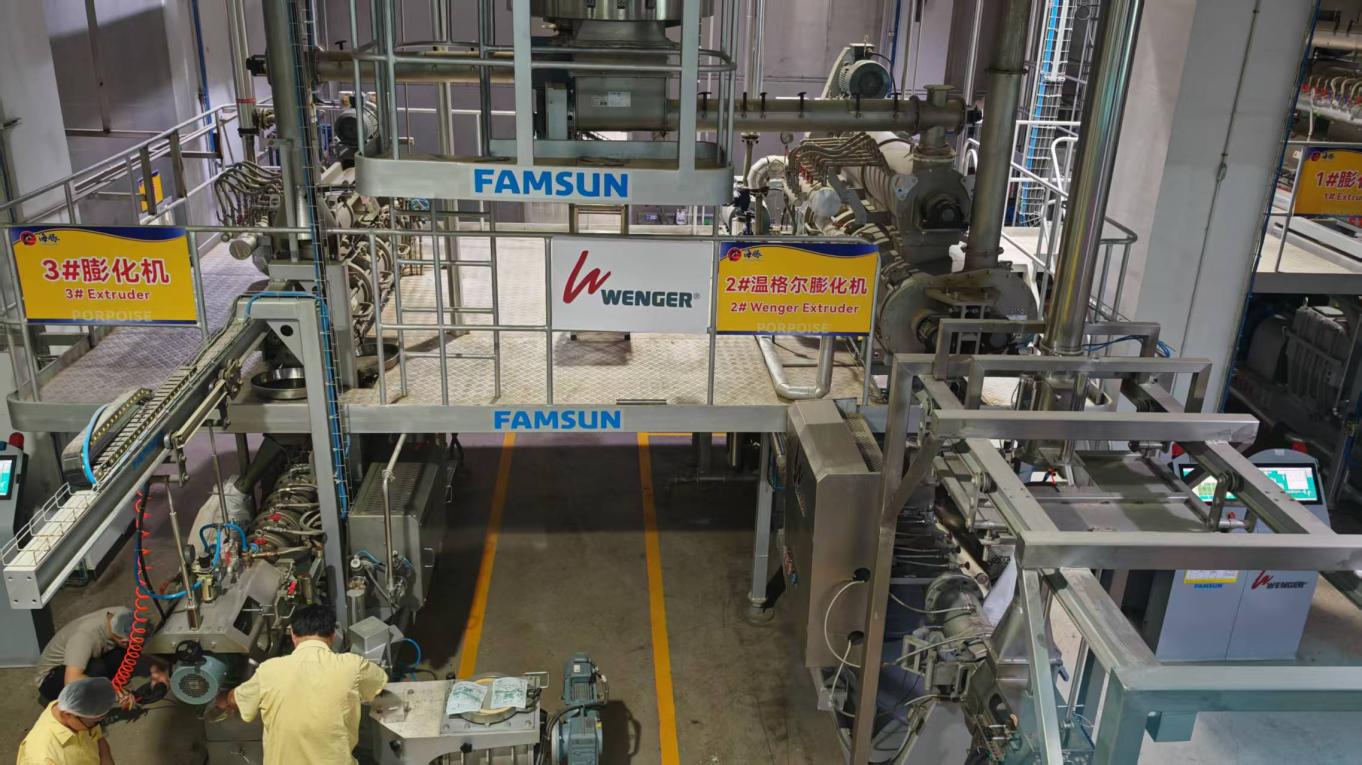
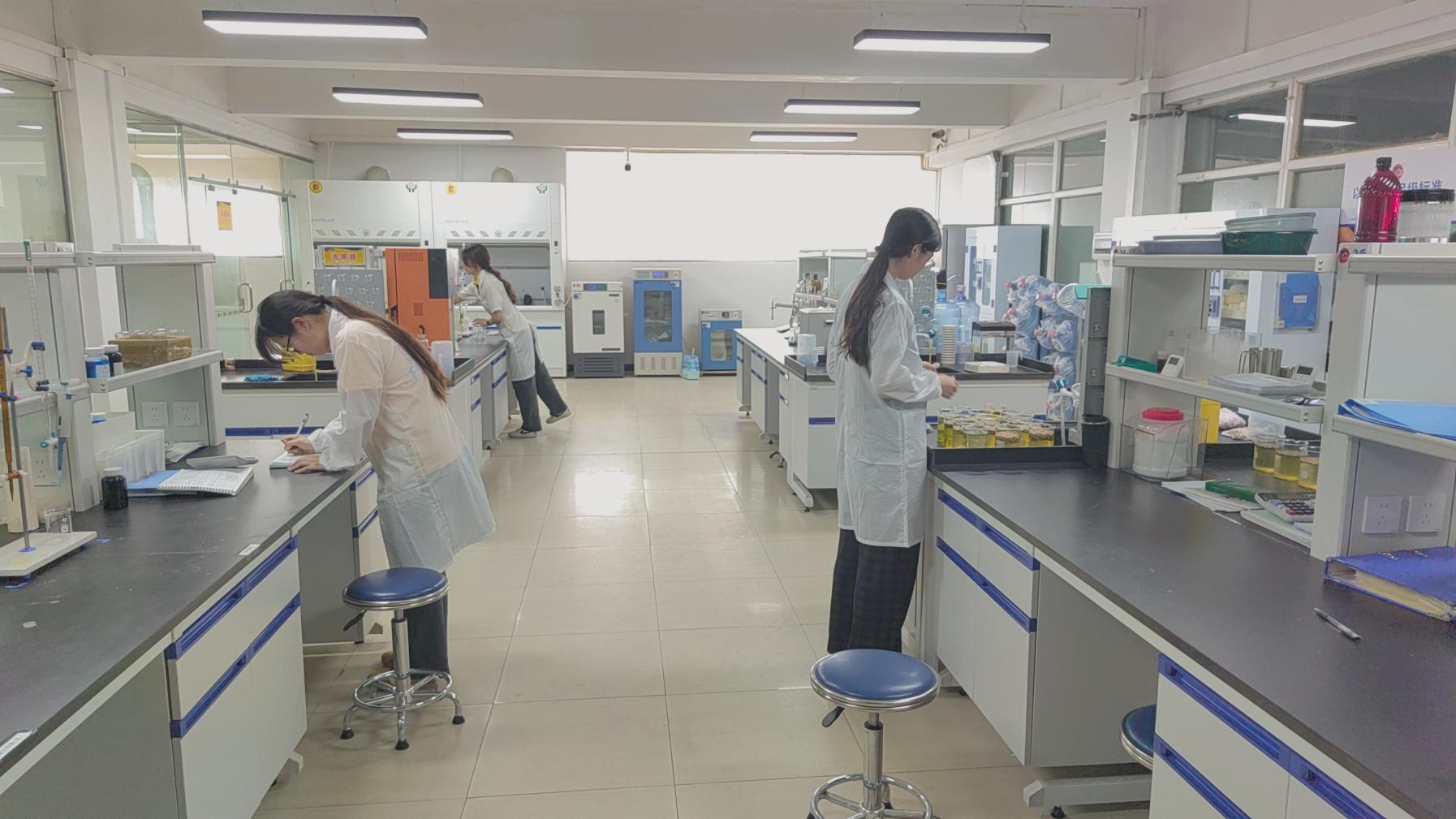



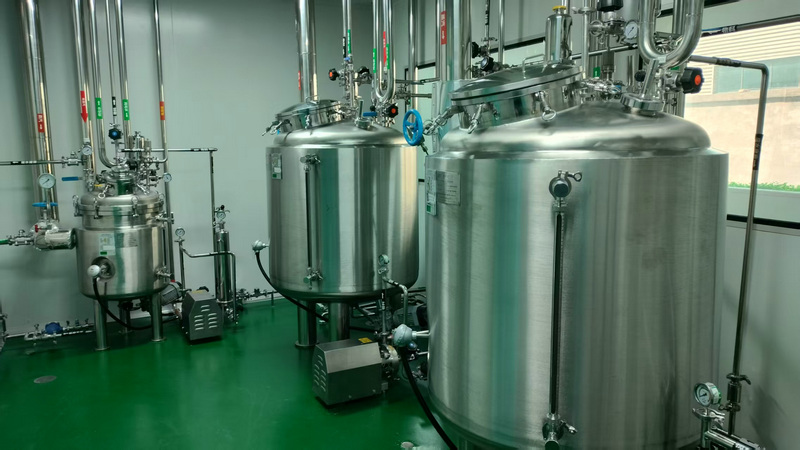
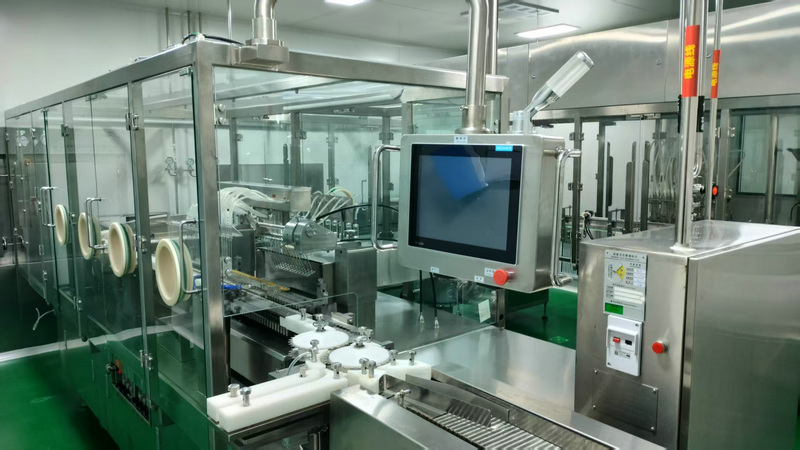

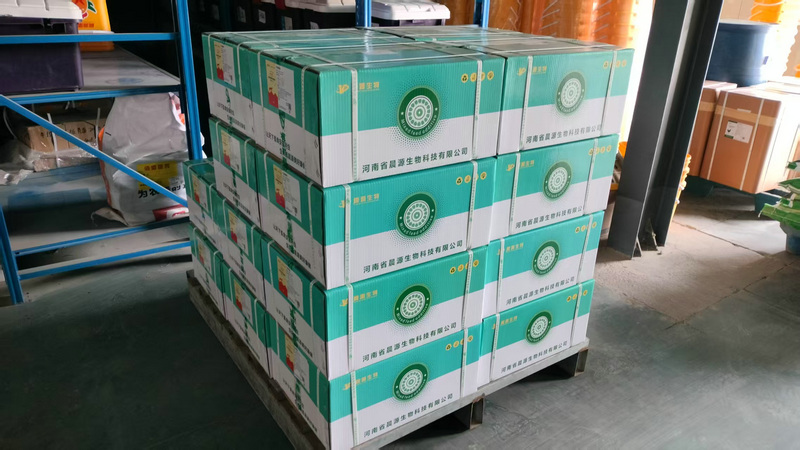
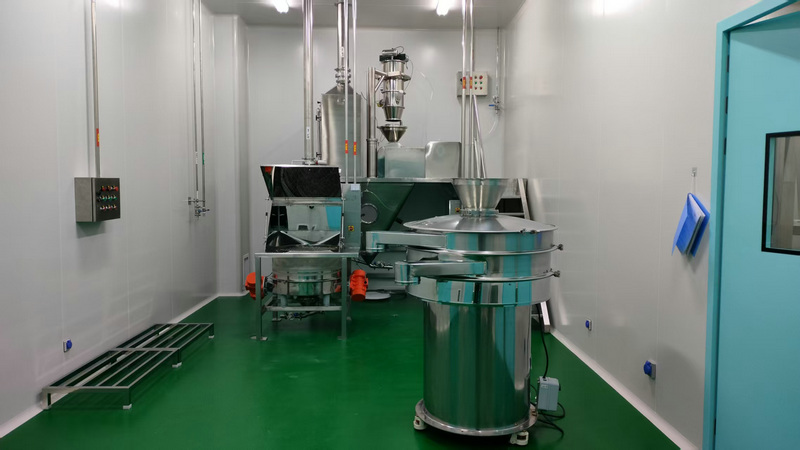
Integrating fish meal into modern feeding regimes requires deep understanding of species-specific physiology. Livestock systems require customized solutions to optimize biological performance and minimize nitrogen runoff into the environment. Our comprehensive approach divides marine protein application into three key macro sectors:
Aquaculture is the primary consumer of high-quality marine protein. For carnivorous species such as Salmonids, Shrimp, and marine Finfish, fish meal provides the optimal balance of amino acids (specifically Lysine and Methionine) and highly digestible phosphorus. Because these species have short, sensitive digestive tracts, the low molecular weight peptides in our low-temperature fish meal improve gut morphology, enhance immune resistance to pathogens, and decrease mortality rates during critical hatchery and nursery stages.
In piglet nursery feeds (weanling phase), fish meal is utilized as a highly palatable, easily digestible protein source that eases the transition from sow's milk. The presence of natural nucleotides and glutamic acid stimulates early feed intake, preventing the post-weaning growth lag. Similarly, in high-yield poultry diets, fish meal optimizes skeletal development, strengthens eggshell quality, and increases the concentration of beneficial omega-3 fatty acids in end-consumer products.
The premiumization of pet food has accelerated the demand for clean, low-ash marine proteins. Our pet food grade fish meal is stabilized to prevent rancidity and tailored to maintain low odor profiles while offering high palatability. Rich in DHA and EPA, it supports joint health, cognitive function, and skin and coat condition in dogs and cats.
B2B trade in animal feed ingredients is subject to strict regulatory barriers. Different jurisdictions impose specialized requirements on import documentation, heating treatment parameters, and microbiological limits. As a seasoned global exporter, Qingdao Akston Health Co., Ltd. ensures seamless customs clearance through meticulous documentation:
Our logistical reach spans major hubs in Asia, Europe, Africa, and the Americas. Whether shipping in 25kg multi-wall paper bags, 1-ton bulk bags, or customized containerized flexitanks, we employ strict moisture-monitoring protocols during transit to prevent hot-spots and maintain product freshness. By cooperating with certified shipping lines, we ensure transit times are minimized, preserving the biological integrity of the marine lipids.
A key focus at Akston Health is the synergy between raw protein ingredients and functional additives. While fish meal provides the structural protein foundation, supplementing formulations with key amino acids, trace minerals, and compounds like Choline Chloride optimizes nutrient assimilation. Choline acts as a methyl donor, playing a key role in fat metabolism within the liver. Without adequate choline, the highly concentrated marine lipids in fish meal cannot be efficiently transported and metabolized, leading to fatty liver syndrome in fish and birds. By integrating both feed additives and high-protein meals under one cohesive nutritional strategy, our clients achieve optimal Feed Conversion Ratios (FCR) and improved production economics.
Addressing critical formulation questions to support procurement managers and animal scientists.
Qingdao Akston Health Co., Ltd. is a trusted manufacturer and global supplier dedicated to delivering innovative health and nutrition solutions for the animal feed industry. With a strong commitment to quality, sustainability, and continuous innovation, we provide high-performance feed additives and nutritional ingredients that support healthier livestock, improved productivity, and safer food production worldwide.
Our comprehensive product portfolio includes choline chloride, amino acids, vitamins, minerals, and other functional feed additives designed to meet the nutritional requirements of poultry, swine, ruminants, aquaculture, and companion animals. Our science-based formulations help optimize animal growth, enhance immune function, improve feed efficiency, and contribute to reducing the reliance on antibiotics in modern livestock production.
At Akston Health, quality is the foundation of everything we do. We work closely with qualified manufacturing partners and implement strict quality control systems throughout sourcing, production, and logistics to ensure every product meets international standards. Our experienced technical team also provides customized solutions and professional support to help customers achieve better production performance and sustainable business growth.
Driven by integrity, innovation, and customer satisfaction, Qingdao Akston Health Co., Ltd. has established long-term partnerships with clients across Asia, Europe, the Middle East, Africa, and the Americas. We are committed to creating lasting value through reliable products, competitive pricing, efficient supply chain management, and responsive customer service.
As your trusted partner in animal nutrition, Akston Health will continue to develop innovative solutions that promote animal health, improve farming efficiency, and contribute to a more sustainable global agriculture industry.
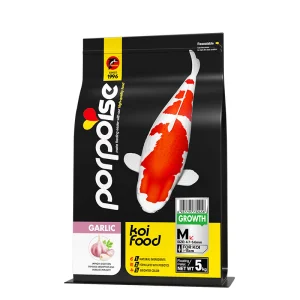
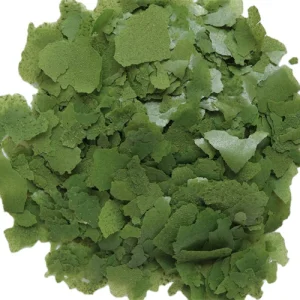
Consistent nutritional performance for diverse applications, from livestock feeds to specialized aquarium health products.