Akston Health
Akston Health
Akston Health
High-purity amino acids engineered for nutrition, pharmaceutical, cosmetic, and animal feed applications.
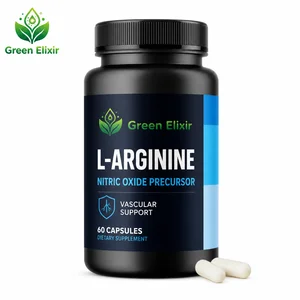
Underpinned by state-of-the-art bio-fermentation tech and robust international quality parameters.
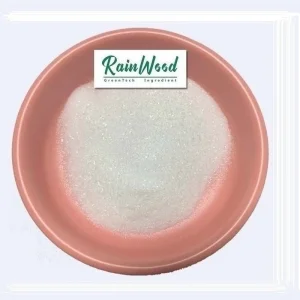
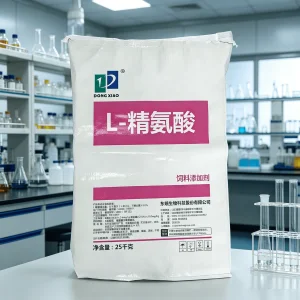
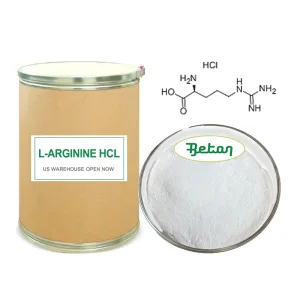
Our enzymatic crystallization pathways yield highly bioavailable, ultra-pure crystalline L-Arginine Base and HCl formulations.
Full manufacturing alignment with European and US standards for livestock feed, nutraceutical, and pharmaceutical supply chains.
Engineered micro-granulation sizes ensure dust-free application, uniform blend distribution, and superior handling kinetics.
Custom particle sizing, encapsulation, and specialized formulations engineered to meet precise commercial demands.
Qingdao Akston Health Co., Ltd. is a globally recognized manufacturer and high-volume supplier specializing in advanced nutritional solutions for both livestock and human dietary industries. Guided by commitments to quality, eco-conscious engineering, and ongoing innovation, we deliver high-performance amino acids, vitamins, and minerals that drive healthier growth, optimized agricultural outputs, and reliable ingredient supply chains globally.
Our robust product portfolio features premium choline chloride, amino acids, vitamins, minerals, and functional nutritional additives customized for swine, poultry, aquaculture, companion animals, and sports nutrition brands. Relying on verified bio-fermentation methods, our solutions help maximize biological growth, support natural immune responses, and improve overall feed conversion rates, aligning with the industry shift toward reducing antibiotic dependence.
At Akston Health, Quality Assurance is embedded in our DNA. We integrate modern manufacturing processes with multi-tiered QC protocols across sourcing, fermentation, purification, and international shipping to ensure compliance with standards like FDA, FAMI-QS, ISO 22000, Kosher, and Halal. Our expert technical team partners with customers to provide customized formulations, particle-size configurations, and comprehensive technical documentation, enabling sustainable industry growth worldwide.
How our L-Arginine fits into complex industrial processing, animal husbandry, and advanced consumer supplement markets.
In modern animal husbandry, L-Arginine is a critical amino acid for nitrogen retention and nitric oxide synthesis. For poultry, it enhances vascular development, mitigating pulmonary hypertension syndrome (ascites). In swine nutrition, L-Arginine supplementation in gestating sows improves fetal micro-circulation, boosts piglet birth weight, and enhances milk quality.
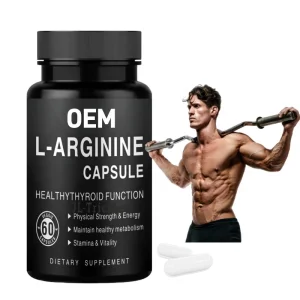
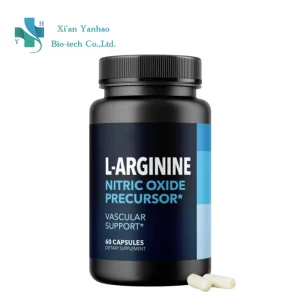
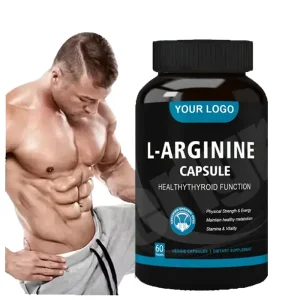
L-Arginine acts as a direct precursor to nitric oxide (NO), a powerful vasodilator. By relaxing blood vessels, it enhances circulation and nutrient transport to active muscle tissues. This makes it a foundational ingredient in premium pre-workout supplements, endurance capsules, and cardiovascular wellness formulations, supporting stamina, energy, and muscle pump.
Due to its humectant and pH-regulating characteristics, L-Arginine is widely used in anti-aging skincare, hair care products, and regenerative creams. In the pharmaceutical sector, high-purity, pyrogen-free L-Arginine HCl is utilized in intravenous infusion bags, liver protective medicines, and metabolic therapeutics, meeting strict USP, EP, and JP pharmacopeia guidelines.
A detailed chemical and physical index breakdown to guide formulation engineers and bulk purchasing officers.
| Specification Parameter | L-Arginine Base (CAS 74-79-3) | L-Arginine Hydrochloride (CAS 1119-34-2) | Analytical Standard / Method |
|---|---|---|---|
| Chemical Structure | C6H14N4O2 | C6H14N4O2 · HCl | Stoichiometric Calculation |
| Assay (Dry Basis) | 98.5% ~ 101.5% | 99.0% ~ 101.0% | HPLC / Nonaqueous Titration |
| Appearance | White crystalline powder | White crystals or crystalline powder | Visual Inspection |
| Specific Optical Rotation | +26.3° to +27.7° | +21.4° to +23.5° | Polarimetry (USP <781>) |
| Loss on Drying | ≤ 0.50% | ≤ 0.20% | Gravimetric (105°C, 3 hours) |
| Residue on Ignition | ≤ 0.10% | ≤ 0.10% | Muffle Furnace Ashing |
| Heavy Metals (as Pb) | ≤ 10 ppm | ≤ 10 ppm | ICP-MS Method |
| State of Solution (Transmittance) | Clear and Colorless (≥ 98.0%) | Clear and Colorless (≥ 98.0%) | Spectrophotometry (430nm) |
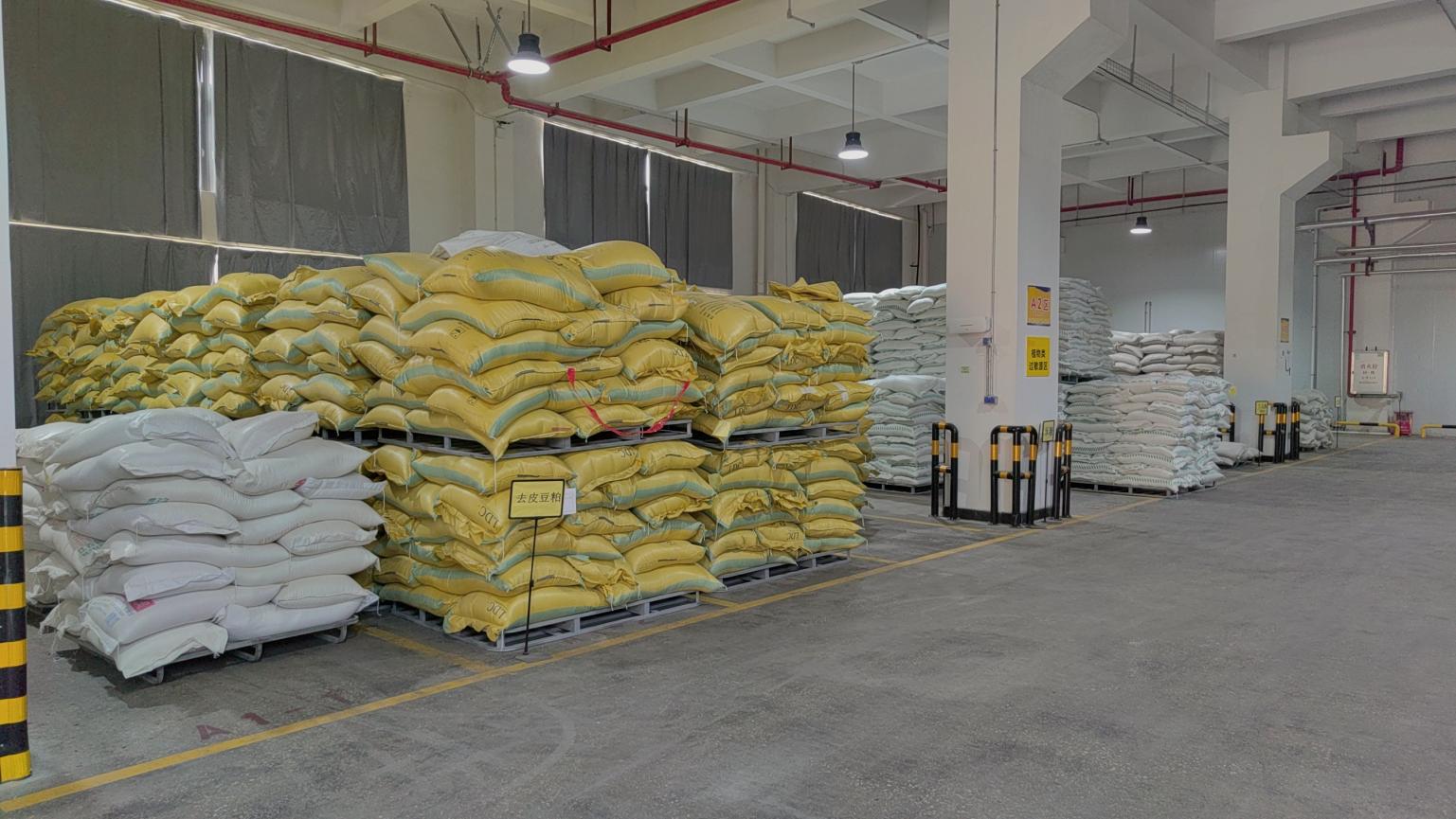
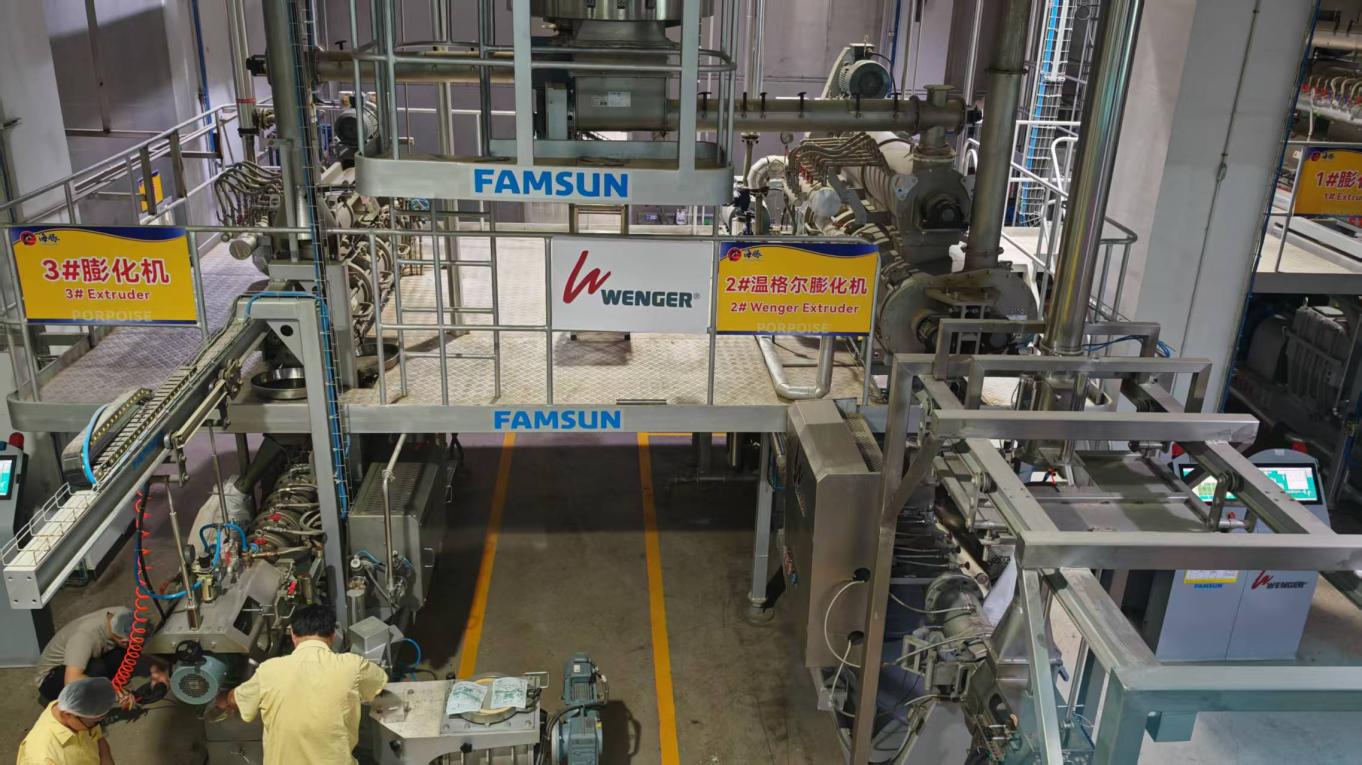
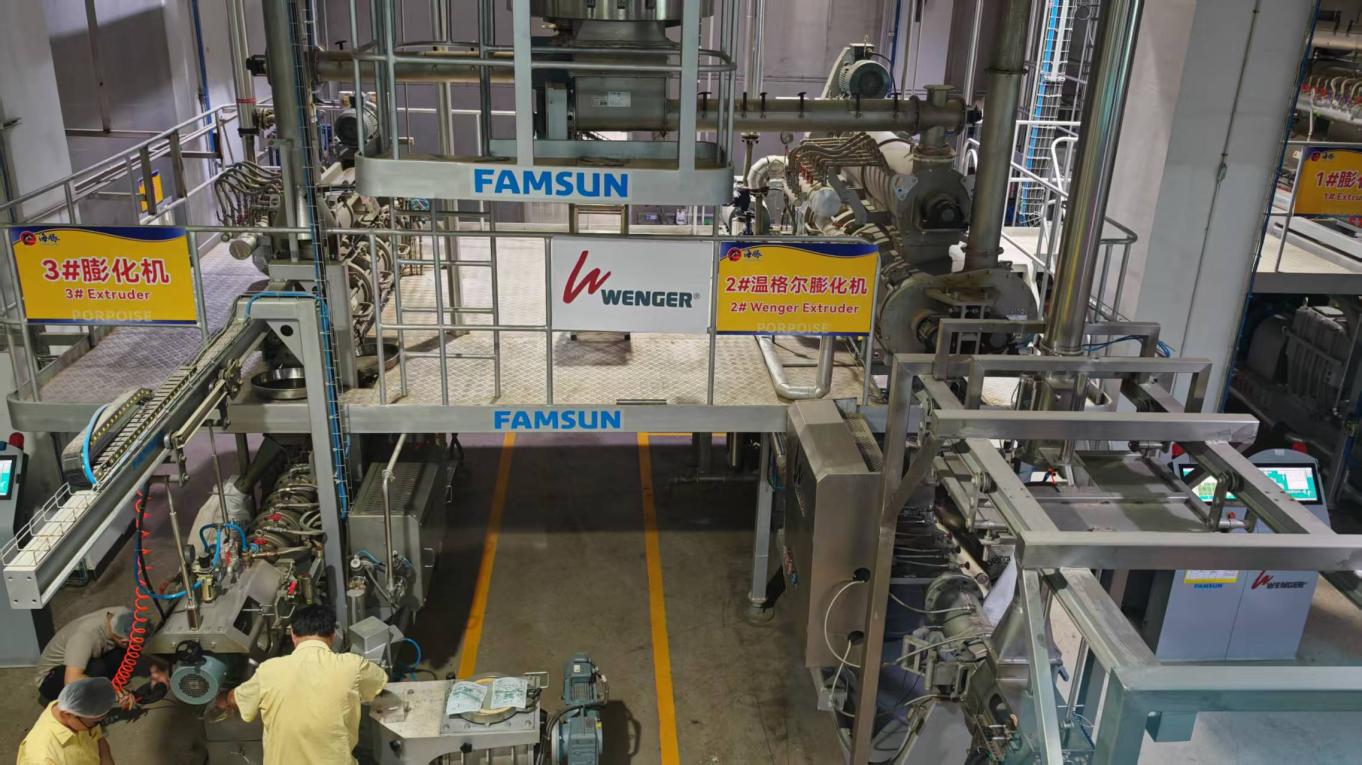
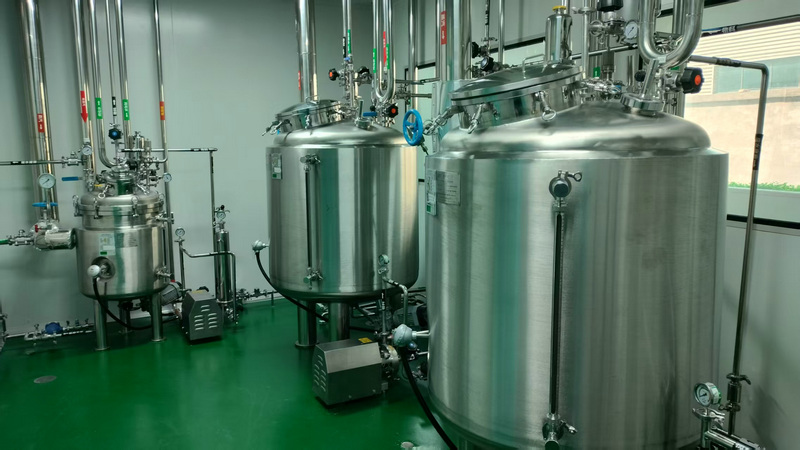
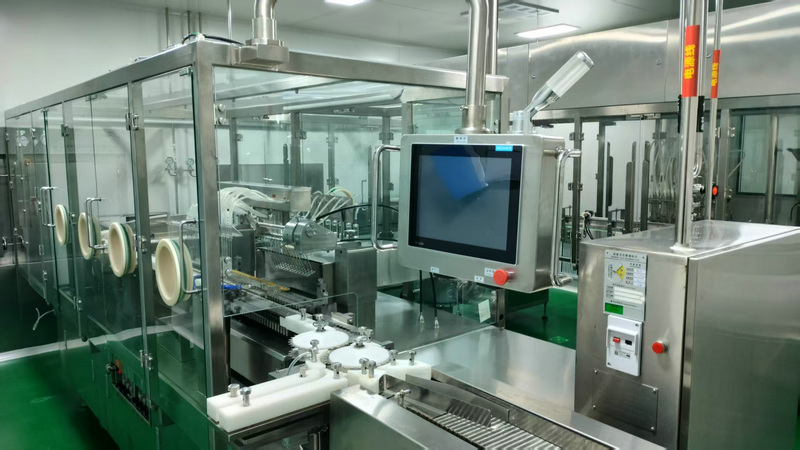
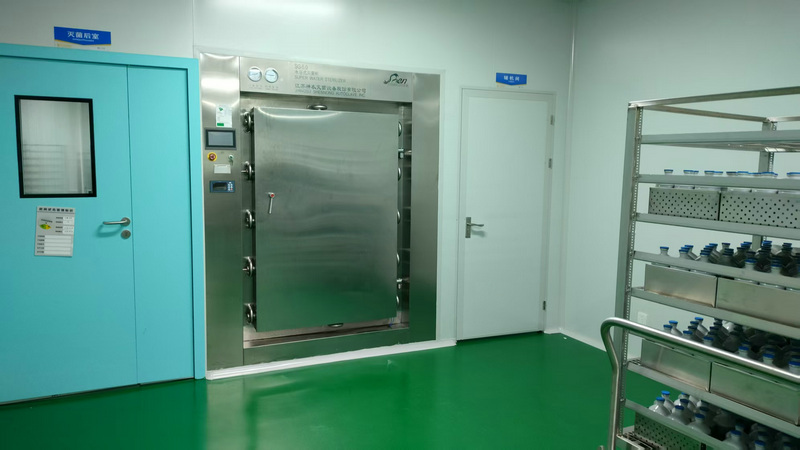
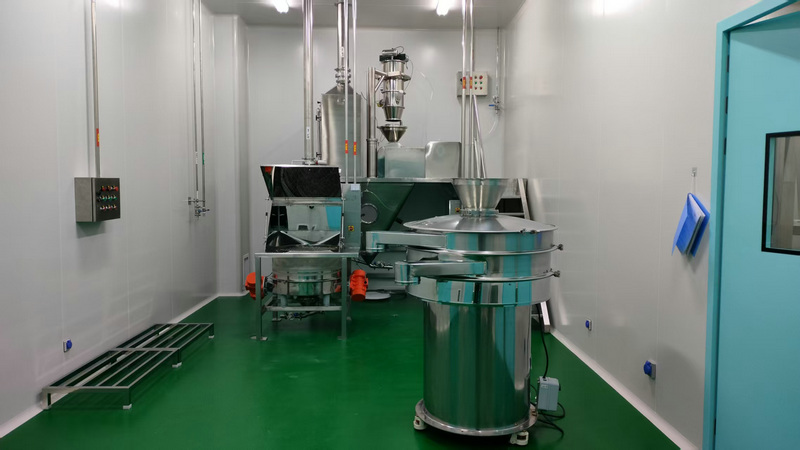
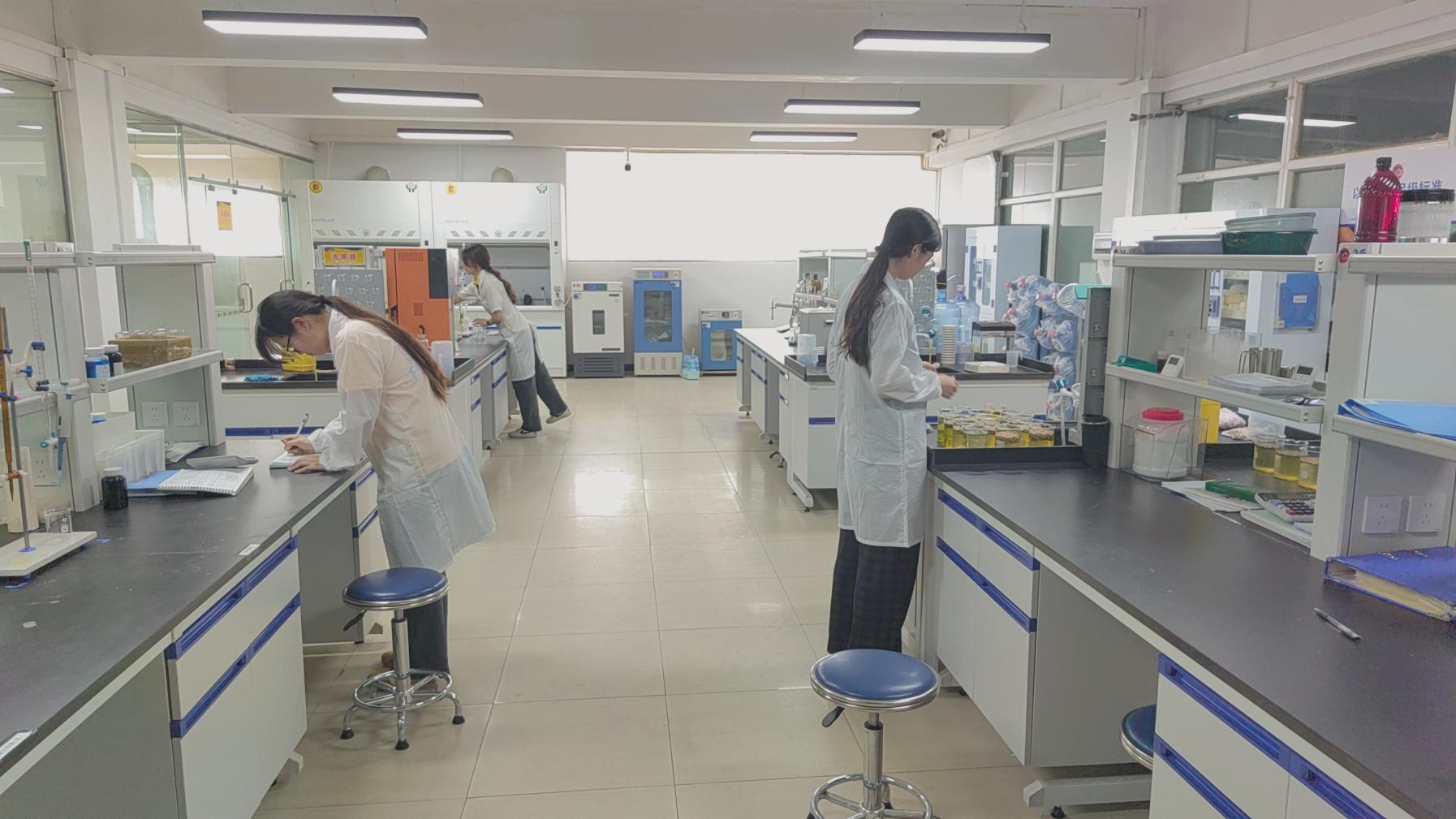
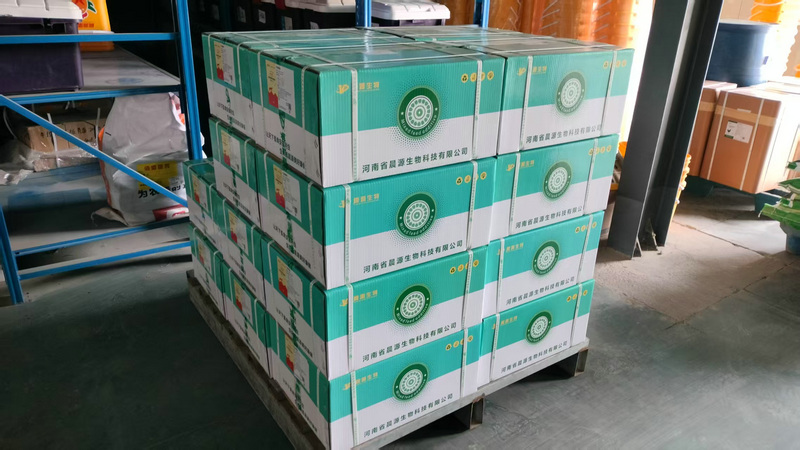
Explore our production processes, including automated raw material handling, swelling, sterilization, grinding, and strict quality control.
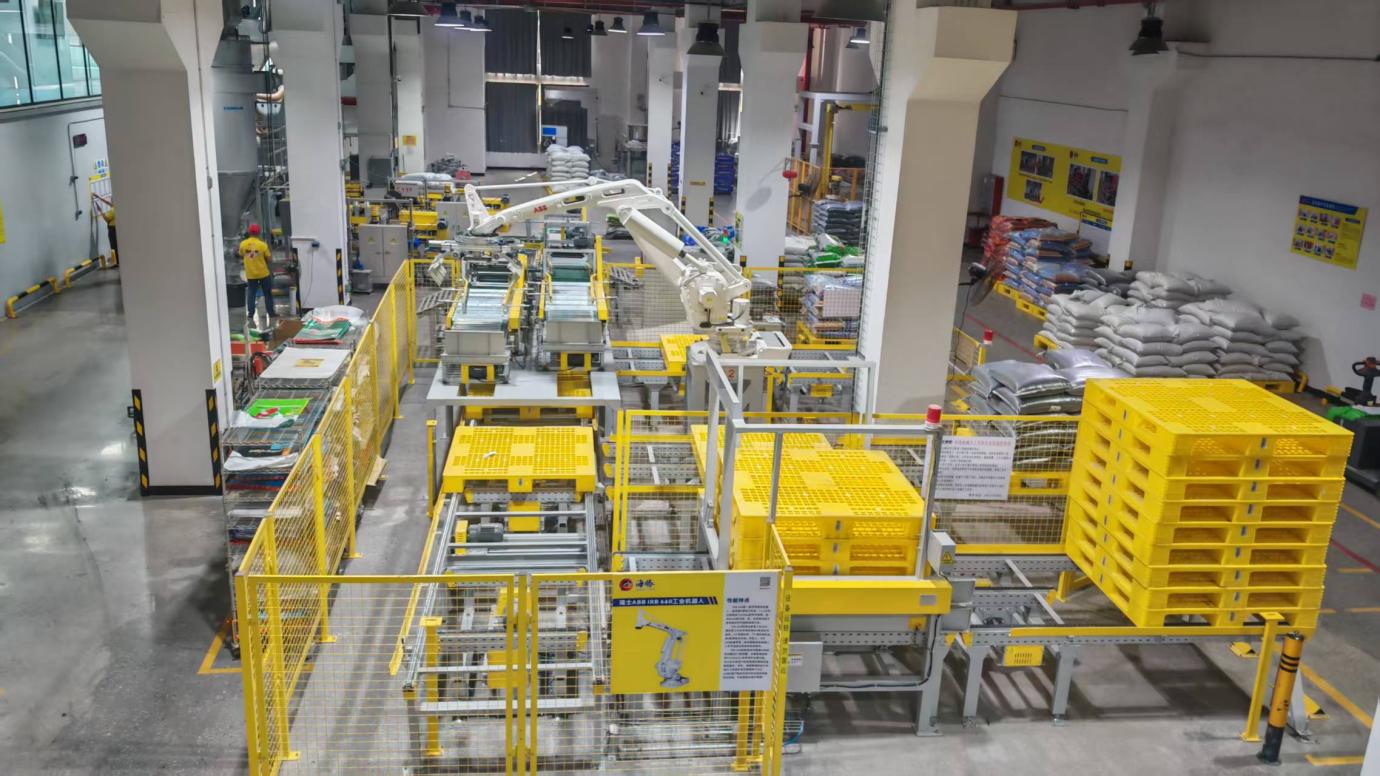
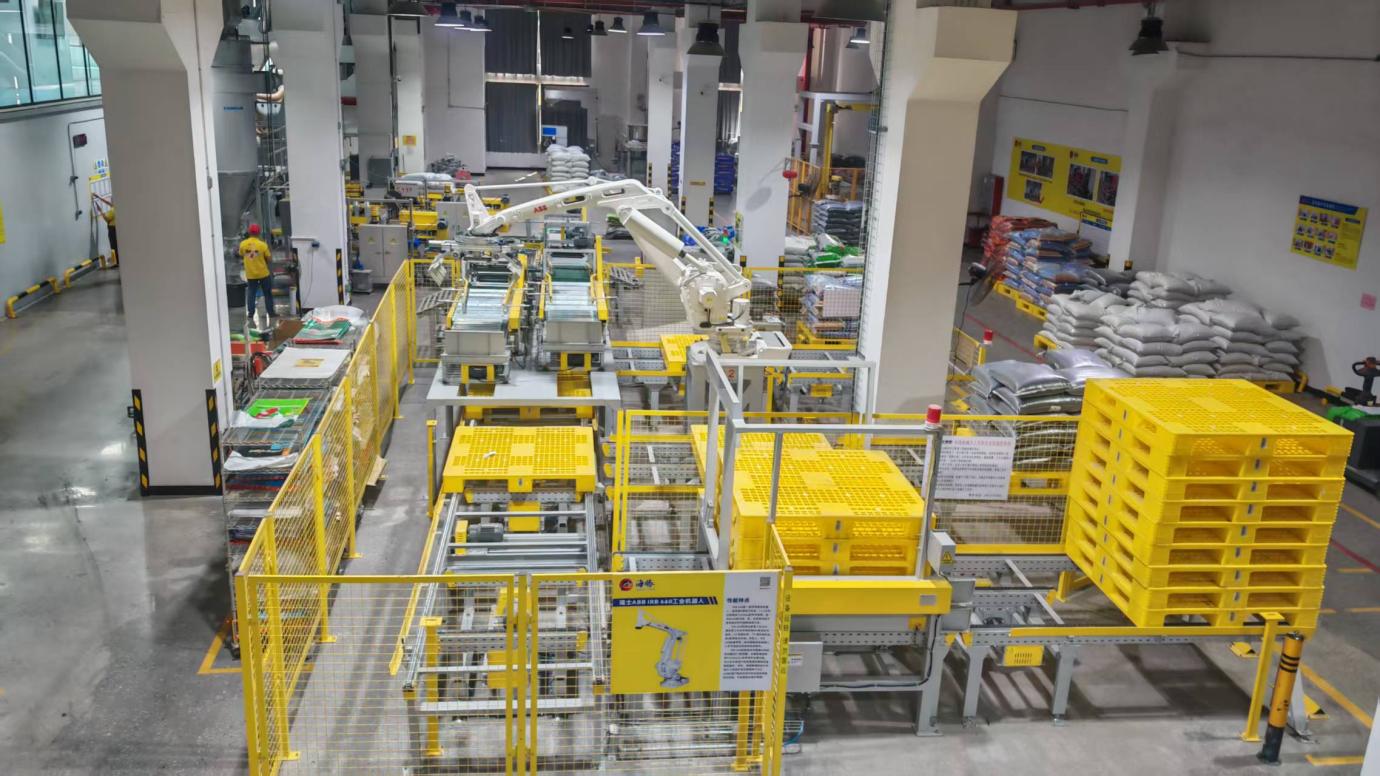

Akston Health's commitment to advancing biotechnology, minimizing ecological footprints, and improving process efficiency.
At Akston Health, we recognize that chemical and biological synthesis processes must evolve alongside green manufacturing standards. Our technological roadmap is centered on three core pillars: metabolic engineering, circular bio-economy principles, and clean production technologies.
1. Metabolic Engineering of Fermentation Strains: We are collaborating with biotechnology institutes to engineer Corynebacterium glutamicum strains that utilize non-food agricultural waste as carbon sources. This enhances yield while reducing competition for primary food crops.
2. Water Recovery & Zero Liquid Discharge (ZLD): Fermentation demands significant water volume. By integrating membrane bioreactors and reverse osmosis systems, our factory recycles up to 85% of industrial wastewater, returning purified water back into the cooling loops.
3. Decarbonization of Energy Inputs: Our manufacturing plant is shifting towards biomass and solar thermal energy systems for the sterilization and drying processes, with a target of cutting CO2 emissions per metric ton by 30% by 2028.
These investments verify our role as a forward-looking partner for global brands aiming to secure reliable, sustainable ingredients that support corporate carbon-neutral targets.
Answers to technical, regulatory, and supply chain queries commonly raised by QA managers and procurement officers.
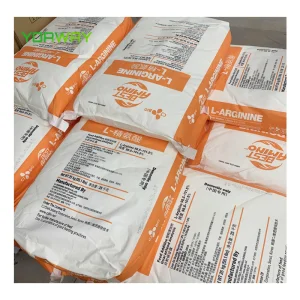
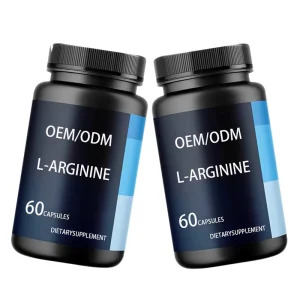
Explore our diverse specifications, including bulk vegan base powders and custom OEM supplement capsules.