Akston Health
Akston Health
Akston Health
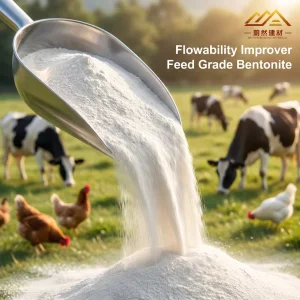
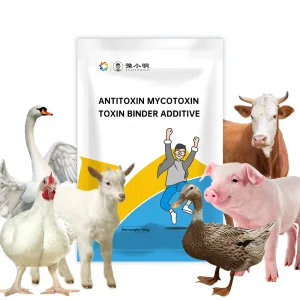
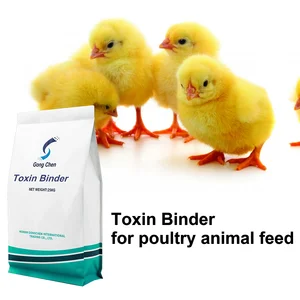
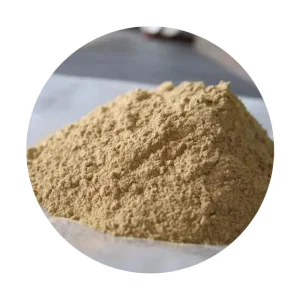
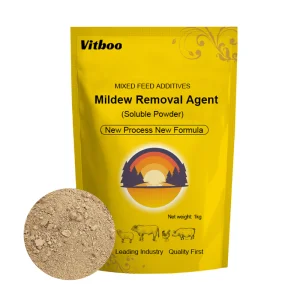
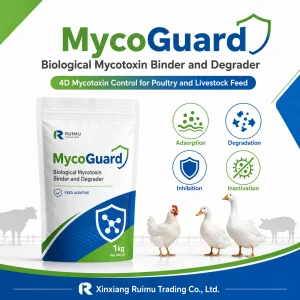
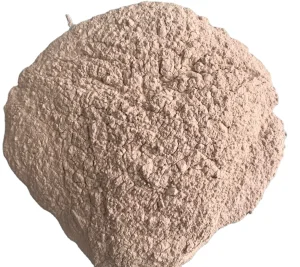
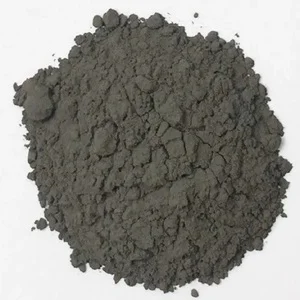
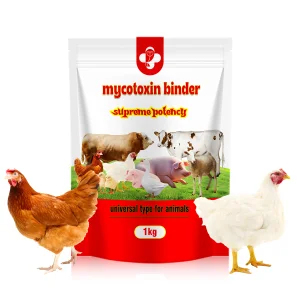
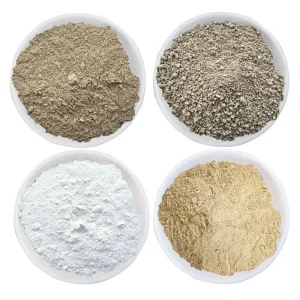
Discover our scientifically formulated toxin binders, incorporating premium bentonite, montmorillonite clay, and functional probiotics designed for multi-species livestock feeds.
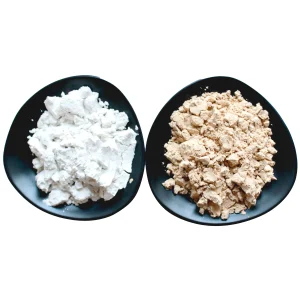
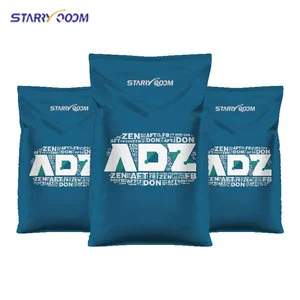
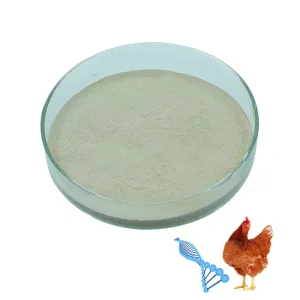
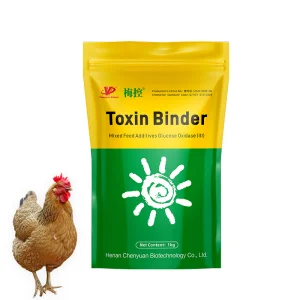
Qingdao Akston Health Co., Ltd. is a trusted manufacturer and global supplier dedicated to delivering innovative health and nutrition solutions for the animal feed industry. With a strong commitment to quality, sustainability, and continuous innovation, we provide high-performance feed additives and nutritional ingredients that support healthier livestock, improved productivity, and safer food production worldwide.
Our comprehensive product portfolio includes choline chloride, amino acids, vitamins, minerals, and other functional feed additives designed to meet the nutritional requirements of poultry, swine, ruminants, aquaculture, and companion animals. Our science-based formulations help optimize animal growth, enhance immune function, improve feed efficiency, and contribute to reducing the reliance on antibiotics in modern livestock production.
At Akston Health, quality is the foundation of everything we do. We work closely with qualified manufacturing partners and implement strict quality control systems throughout sourcing, production, and logistics to ensure every product meets international standards. Our experienced technical team also provides customized solutions and professional support to help customers achieve better production performance and sustainable business growth.
Driven by integrity, innovation, and customer satisfaction, Qingdao Akston Health Co., Ltd. has established long-term partnerships with clients across Asia, Europe, the Middle East, Africa, and the Americas.
The international animal feed industry faces a major challenge: climate change and global logistics shifts are intensifying mycotoxin contamination in grains. B2B buyers must implement comprehensive toxin mitigation protocols to protect their supply chains.
Higher temperatures and unpredictable rainfall increase the spread of harmful molds like Aspergillus, Fusarium, and Penicillium. This has led to a major rise in multi-toxin contamination (Aflatoxins, Zearalenone, DON, and Fumonisins) in corn, wheat, and soy crops.
Global markets, especially the European Union (EFSA) and the United States (FDA), continue to lower the maximum allowable limits for mycotoxins in imports. Animal producers need certified, traceable binders to avoid costly regulatory rejections.
Even low levels of toxins can damage gut health, reduce feed conversion rates (FCR), cause reproductive issues, and lower immunity. Using proactive binders protects animal health and improves farm profitability.
Akston Health uses a two-step approach: high-surface-area physical mineral adsorption and active bio-enzymatic degradation. This dual action targets both polar and non-polar mycotoxins for complete protection.
Our feed-grade bentonite and montmorillonite clays are carefully processed to expand their interlayer spacing. This creates a high cation exchange capacity (CEC), allowing them to selectively bind polar mycotoxins like Aflatoxin B1 (AFB1). The toxins are trapped in the clay's layers through electrostatic attraction, passing safely through the animal's digestive tract without being absorbed.
Non-polar toxins like Zearalenone (ZEN) and Deoxynivalenol (DON) are harder to bind using traditional clays. To address this, Akston Health incorporates active probiotic strains like Bacillus subtilis and specialized enzymes. These biological agents break down the chemical structure of the toxins, turning them into non-toxic metabolites.
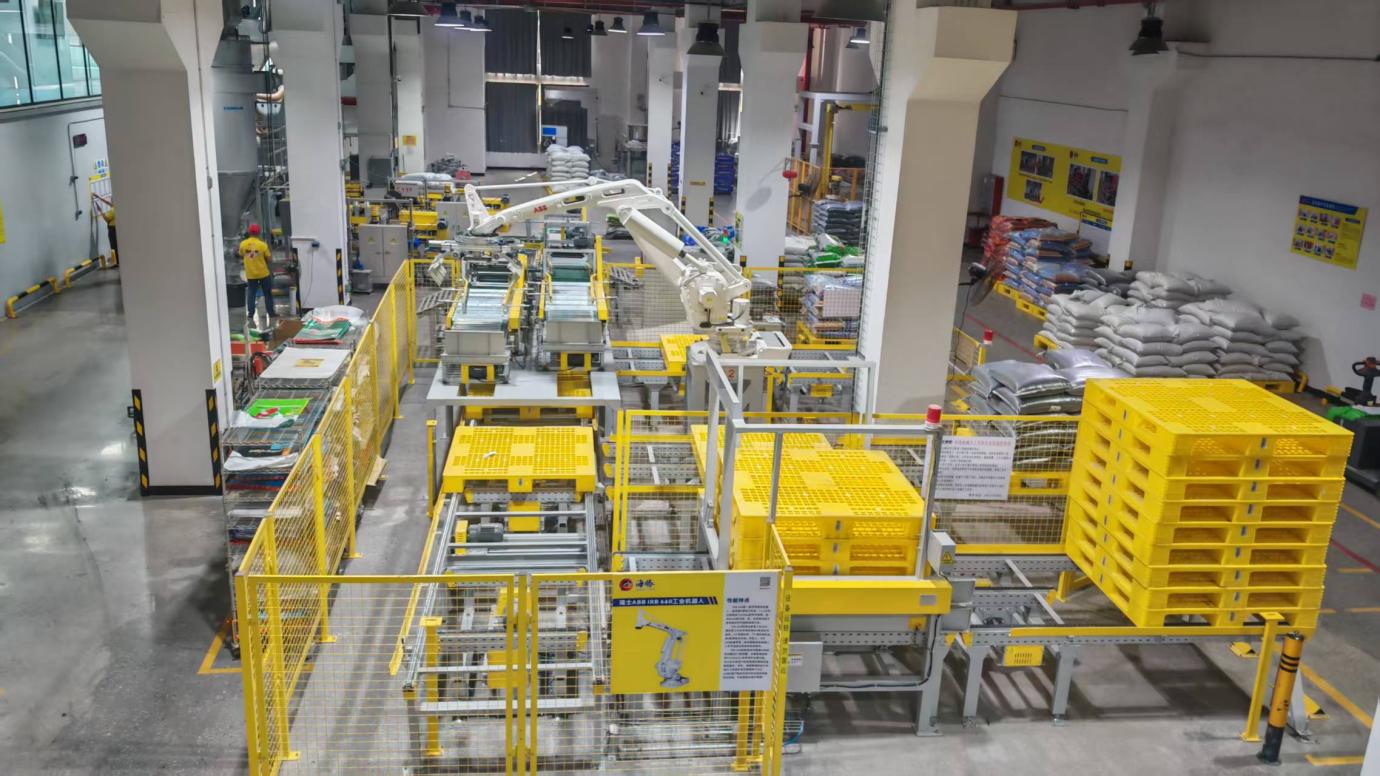
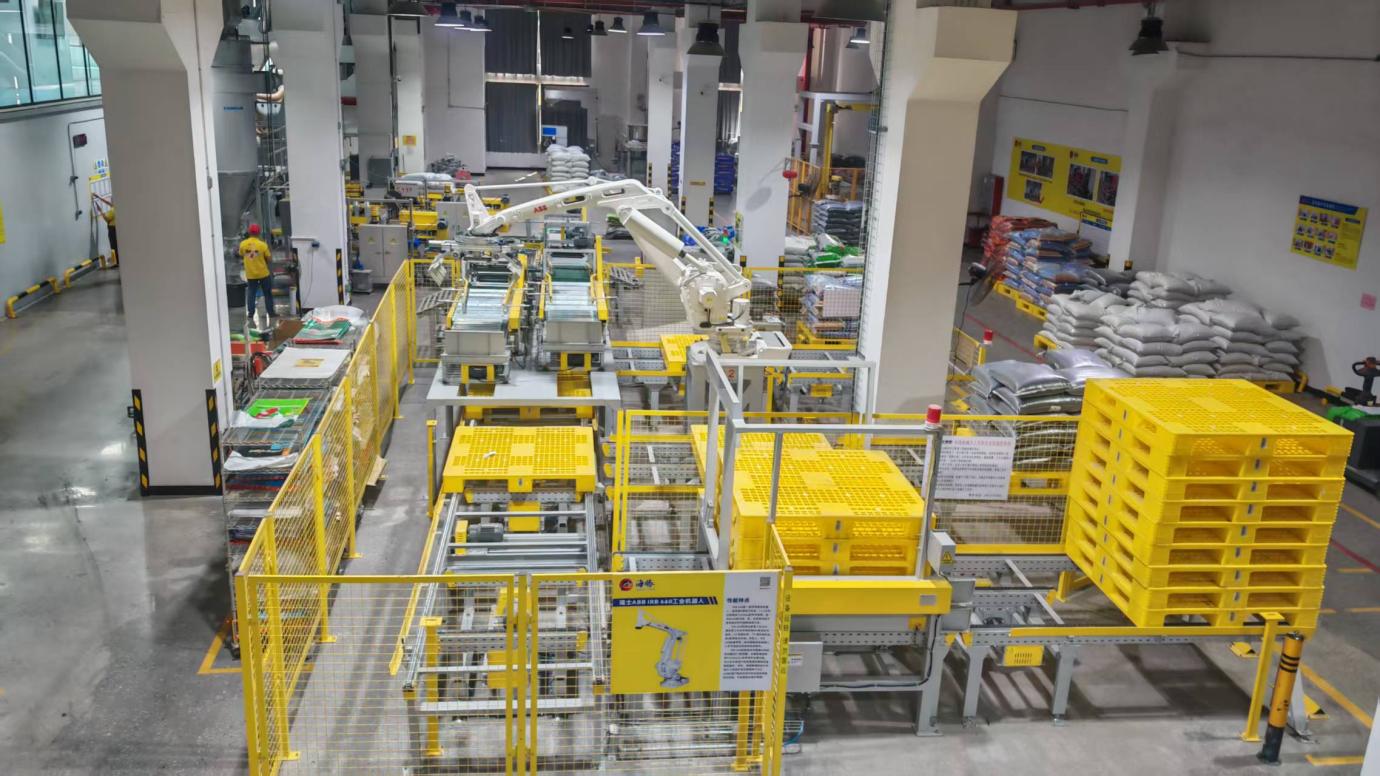
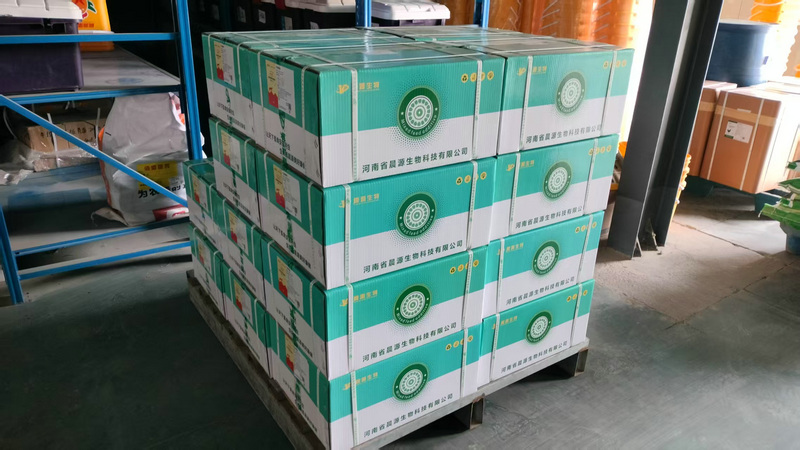
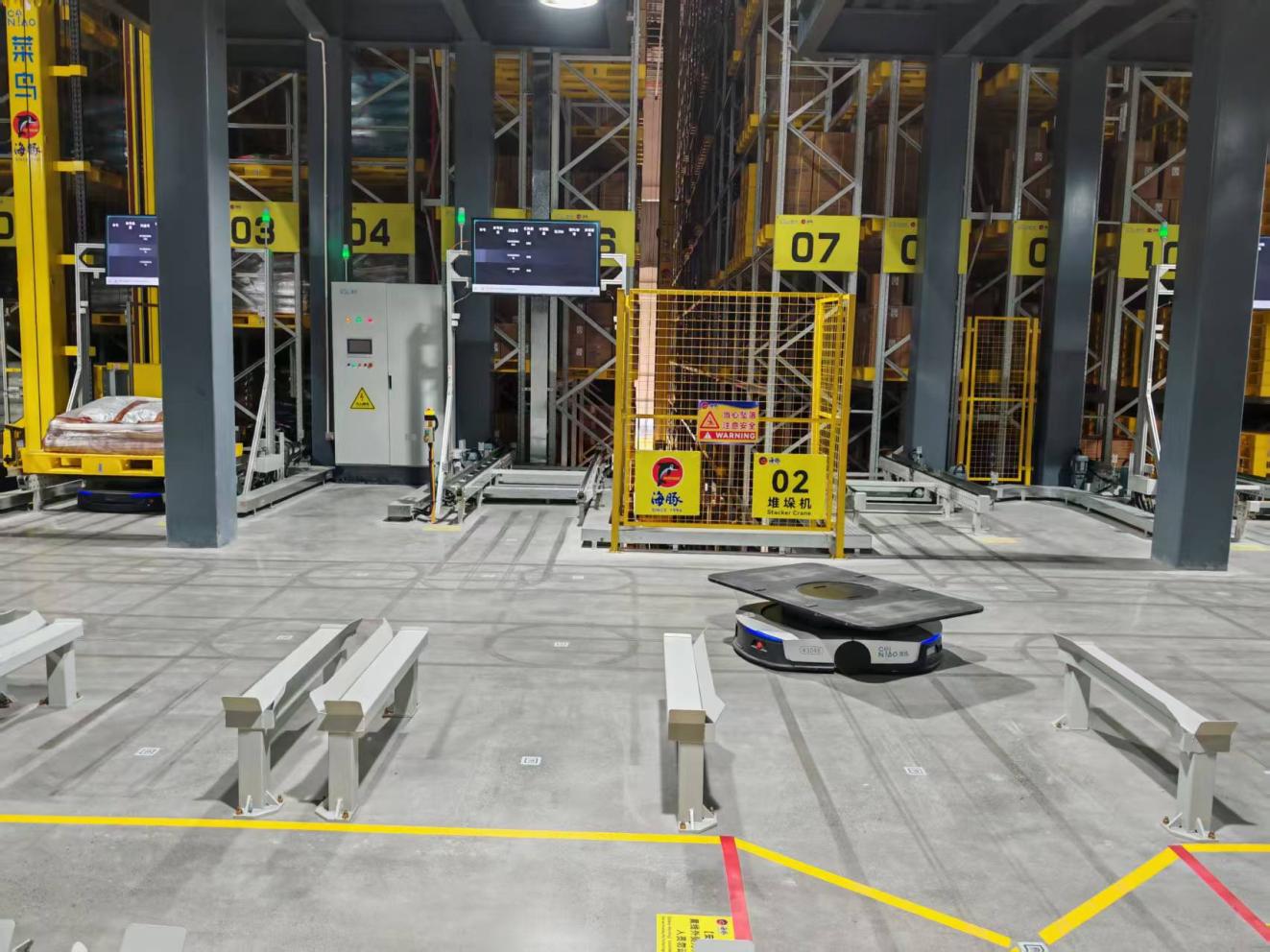
Take a look inside our modern production facilities. We maintain strict quality control at every stage, from raw material selection to automated packaging, ensuring consistent product performance.
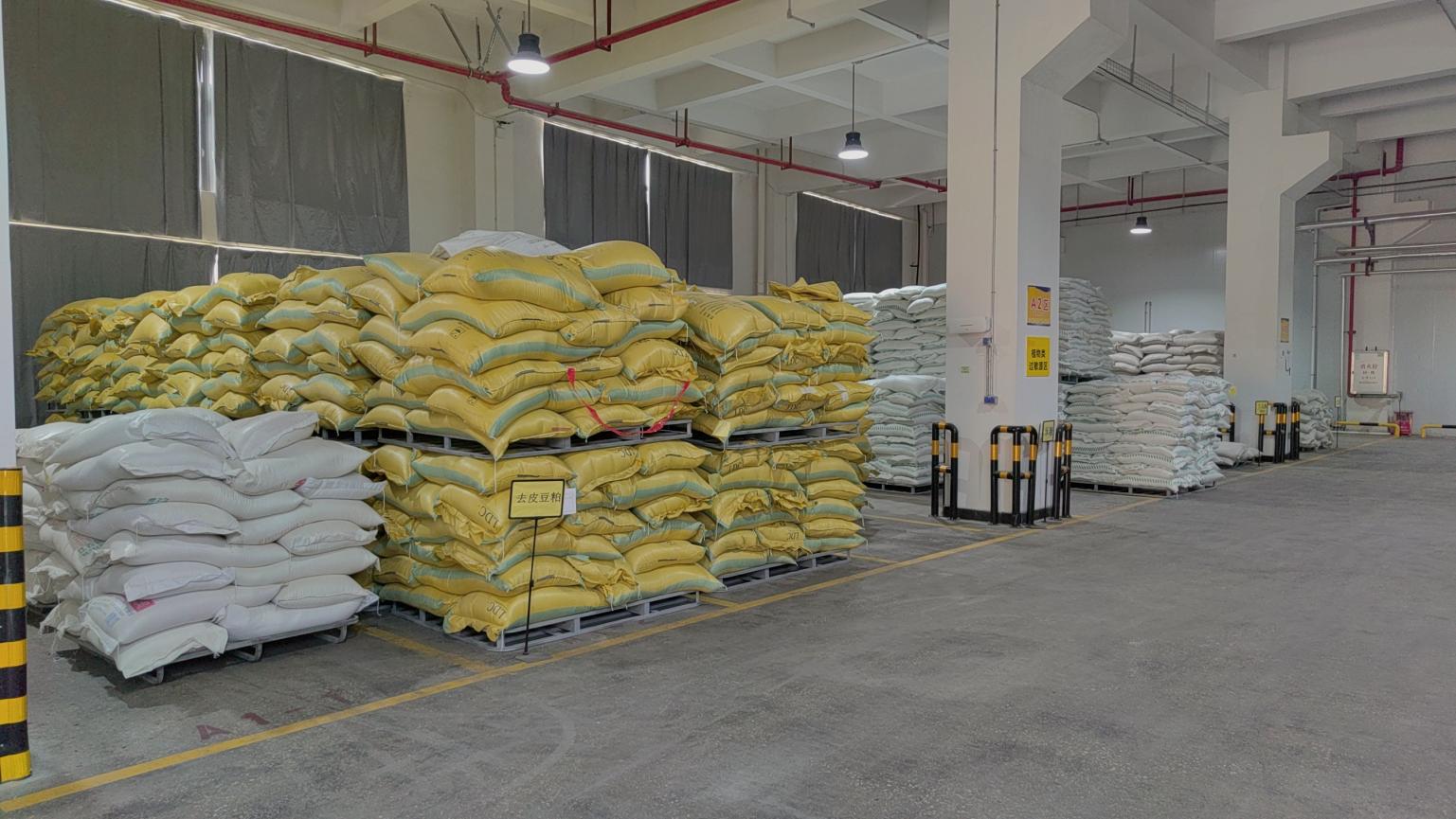
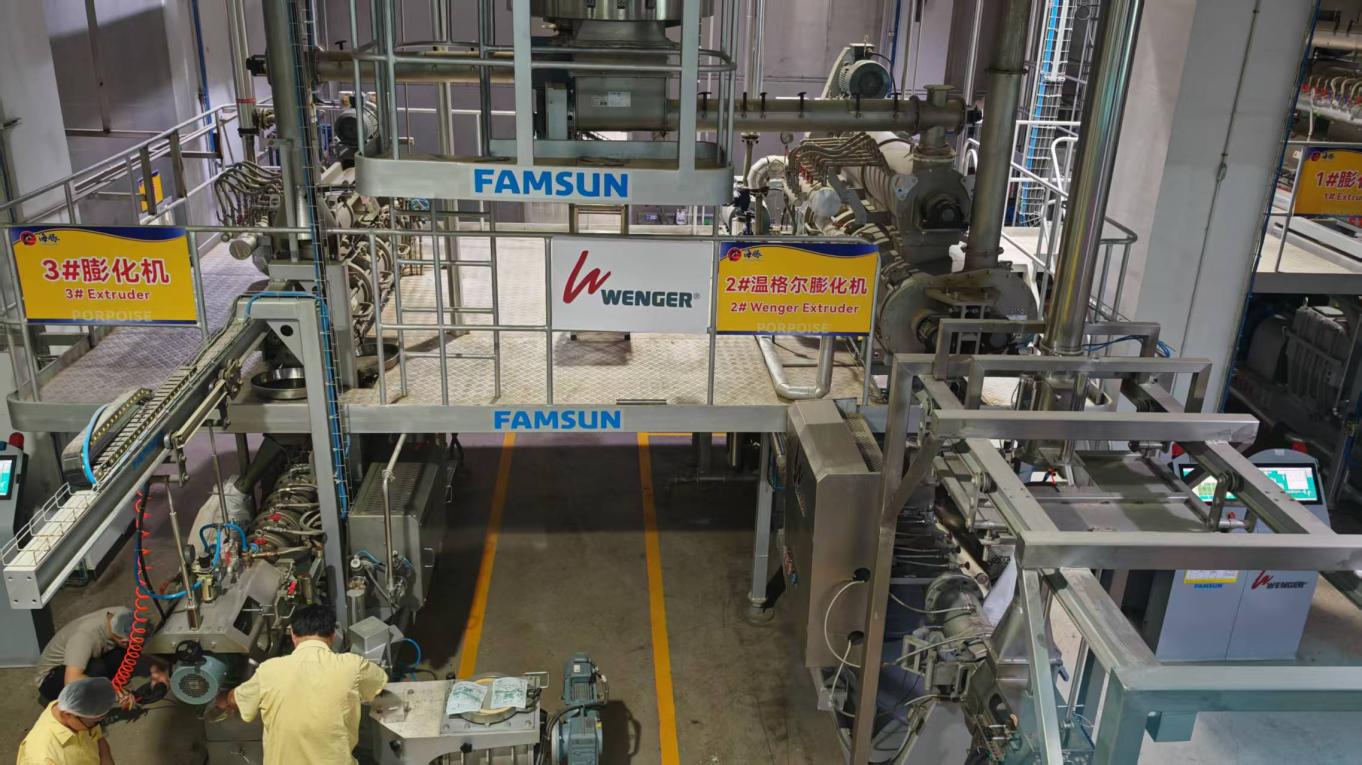
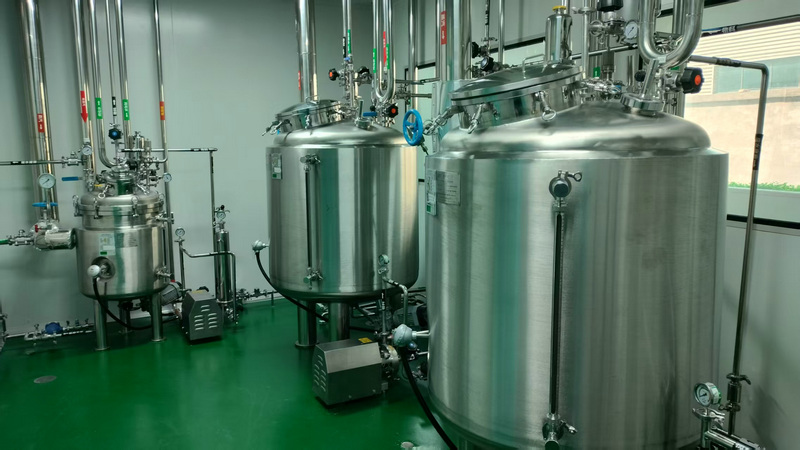
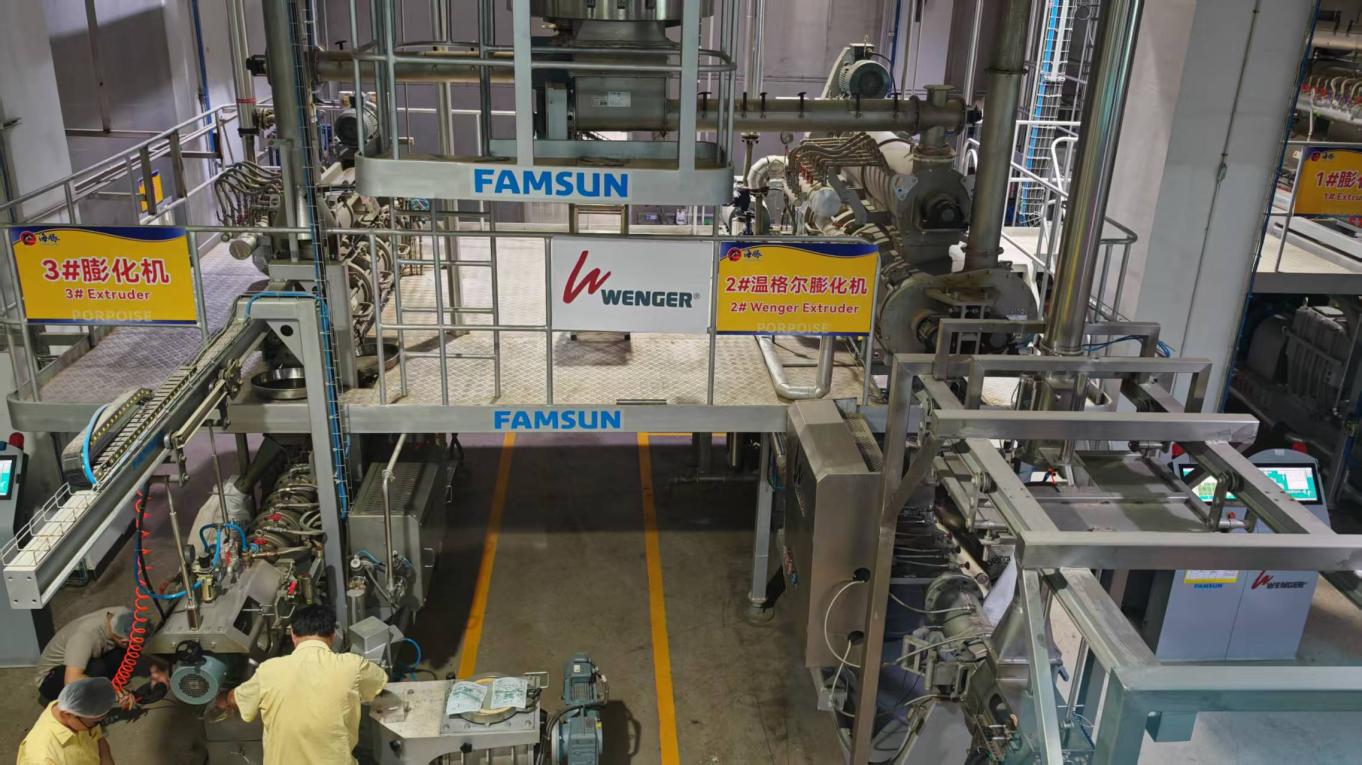
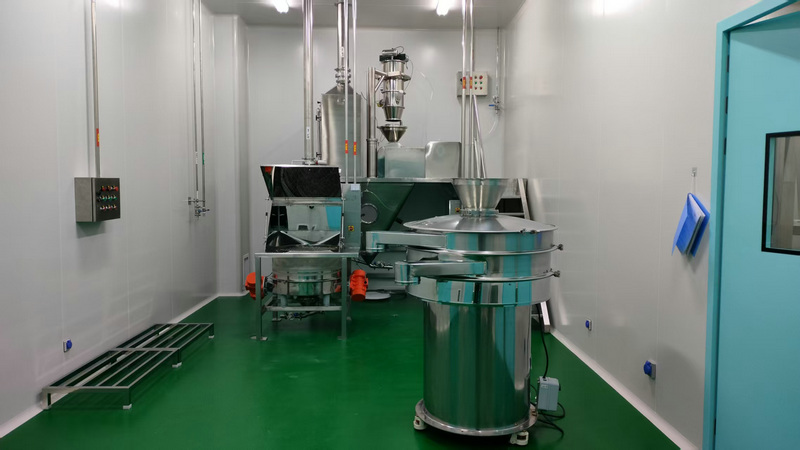
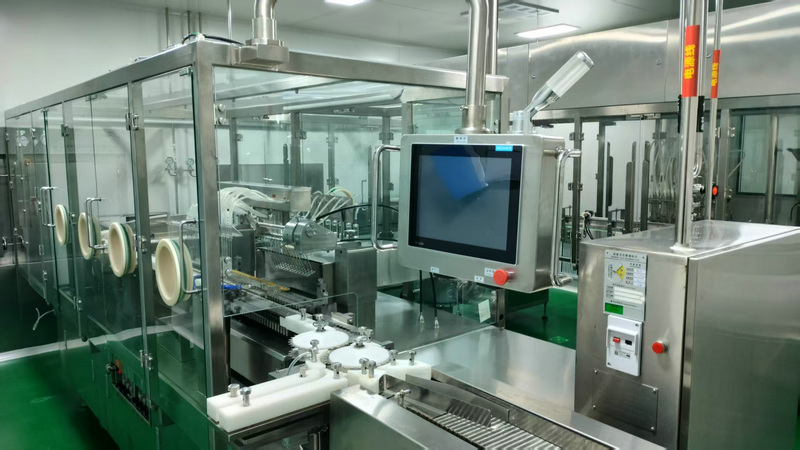
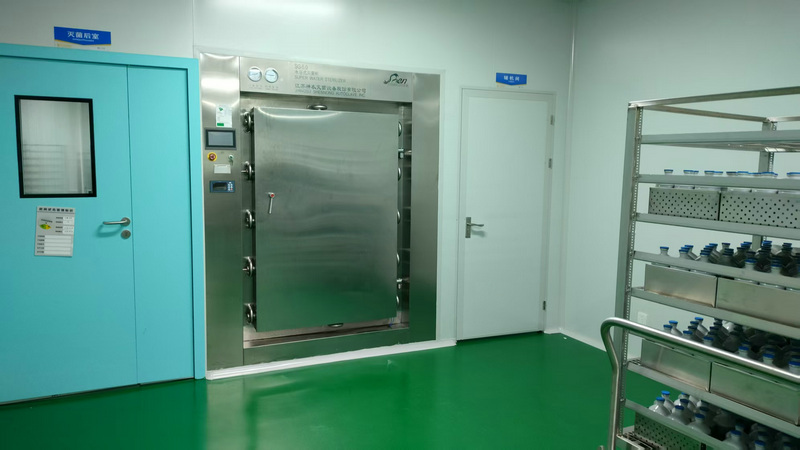
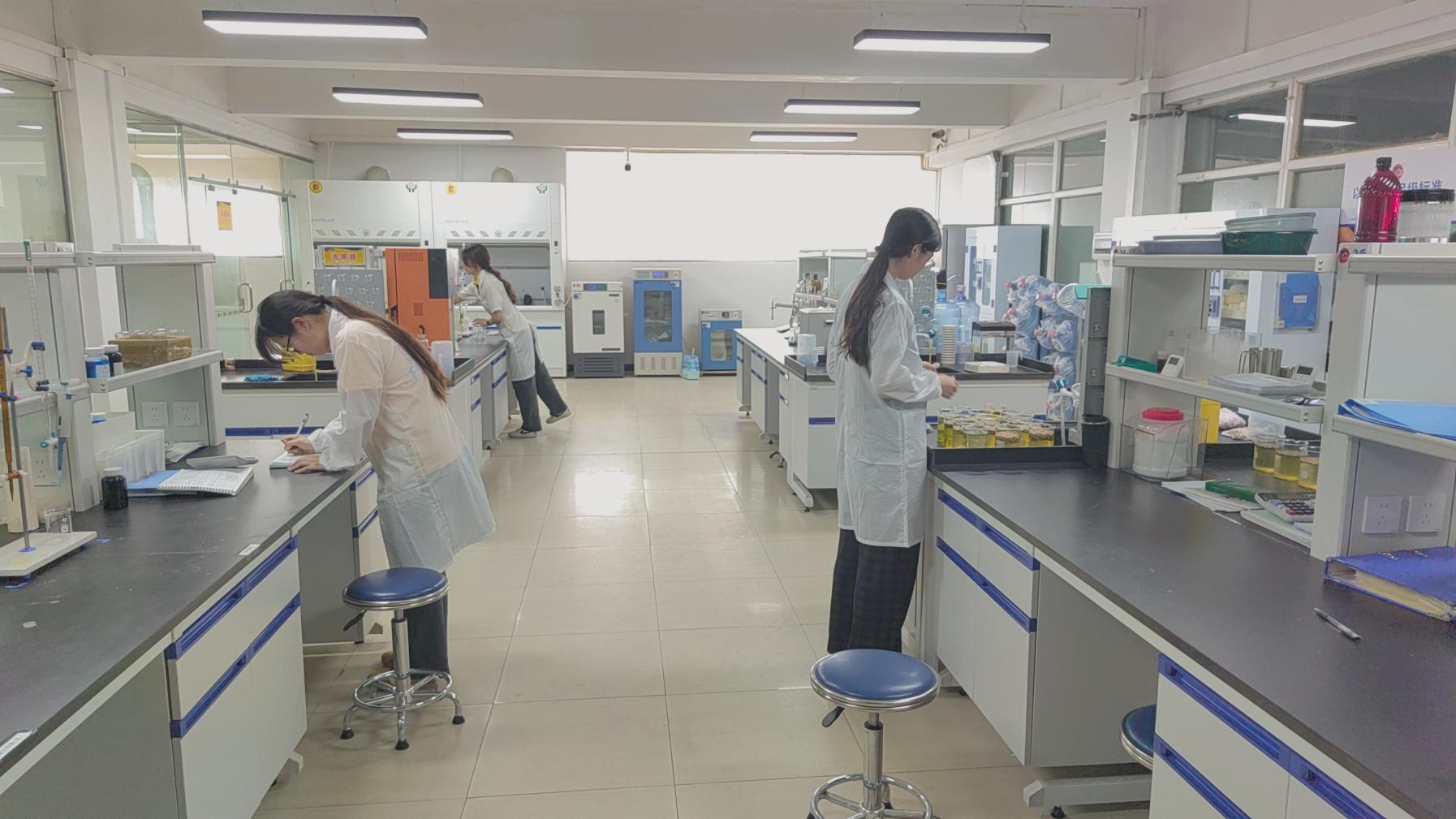
Akston Health works closely with agricultural partners worldwide to ensure smooth customs clearance and compliant formulation design.
Every batch of our bentonite and montmorillonite clay undergoes strict testing for heavy metals (such as Lead, Cadmium, and Arsenic) and dioxins. We provide complete certificate of analysis (COA) documentation to guarantee safety and purity.
We modify our binder blends to meet specific regional requirements. Whether matching local climate challenges or complying with local feed additive rules, our technical team works to create the right balance of mineral and organic components.
Our location in Qingdao gives us access to a major international deep-water port. This allows us to ensure reliable supply lines, reduce shipping delays, and optimize freight costs for partners in Asia, Europe, the Middle East, and the Americas.
Get answers to common technical questions about selecting, applying, and evaluating mycotoxin binders in commercial animal feed.
Montmorillonite is the primary active clay mineral found within Bentonite. The binding efficiency of bentonite clay depends on its montmorillonite content. High-grade montmorillonite has a well-structured interlayer space and a high negative charge, allowing it to easily bind polar toxins like Aflatoxin B1. Akston Health uses premium bentonite processed to maximize its montmorillonite content for reliable binding performance.
Clays are highly effective at binding polar toxins like Aflatoxins, but they are less effective against non-polar toxins like Zearalenone (ZEN) and Vomitoxin (DON). Bacillus subtilis strains produce specific enzymes that break the molecular structures of these non-polar toxins, turning them into harmless, non-toxic molecules that do not affect the animal's health.
No. Our binders are designed to selectively target mycotoxins. By optimizing the physical structure and charge density of our clays, we ensure they bind to the specific molecular size and polar properties of toxins while leaving essential vitamins, minerals, and amino acids available in the feed.
Dosage rates depend on the quality of the raw materials and the level of contamination. For preventive use, the typical inclusion rate is 1.0 to 2.0 kg per metric ton of complete feed. In cases of moderate to high contamination, the dosage can be adjusted to 3.0 to 5.0 kg per metric ton. Contact our technical team for custom dosage recommendations based on feed analysis.
Yes. The mineral clays used in our binders (bentonite and montmorillonite) are highly heat-stable and can withstand typical pelleting and extrusion temperatures up to 95°C without losing their structure. The probiotic strains we use are selected for their heat tolerance, ensuring they remain active in the final feed.
Explore the second part of our functional binder range, featuring specialized blends designed to support liver health, improve pellet quality, and protect ruminants and aquaculture species.