1 / 5
 Akston Health
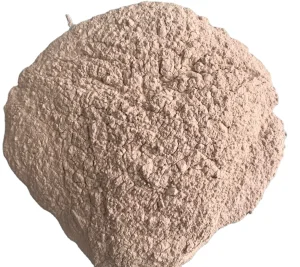
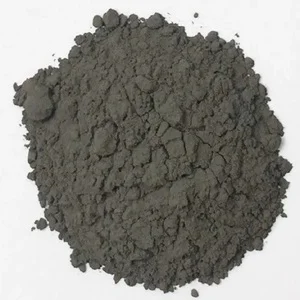
Montmorillonite, also known as microcrystalline kaolinite, is a kind of layered structure, flake crystalline silicate clay mine. It was named as it was originally founded in the Montmorillonite city of French. Because of its wide use, it is called the universal stone. Montmorillonite was included in the control plan for diarrhea disease by (WHO) in 1984 as medicinal mineral. It is a kind of effectively drug for protecting the digestive tract mucosa, which is widely used in the treatment of digestive system diseases. Such as esophagitis, gastritis and peptic ulcer, Especially have better effect on variety of diarrhea caused by various reasons.
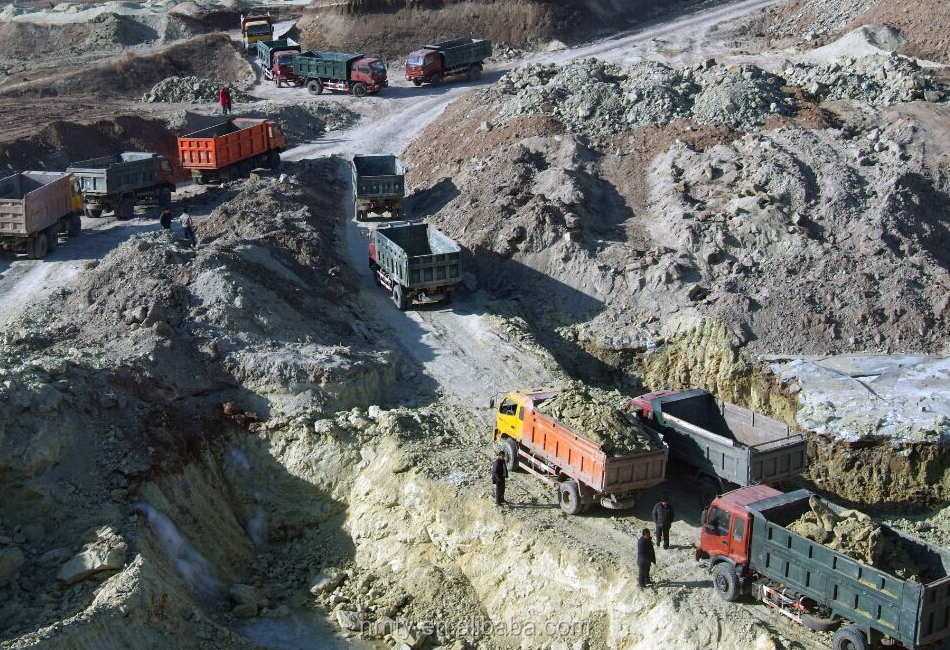
In recent years, With the development of Montmorillonite researching, high purity montmorillonite is widely used in fine chemical industry, medicine and animal husbandry and other high-tech fields. Montmorillonite is the only one of the species which is evolved into a veterinary drug. It is widely applied into remove mildew, anti diarrhea, anti-inflammatory, shift column maintenance for animals. The world recognized high grade montmorillonite ore belt are located in Wyoming, USA, France montmorillon, Chifeng City, Inner Mongolia, China and other areas.
Montmorillonite belongs to the mineral of Montmorillonite, The general chemical formula of the group is: X0.3Y2-3Z4O10(OH)2·nH2O, X=Ca2+, Li, Na, Y=Al3+, Cr3+, Cu2+, Fe2+, Z=Si, Al etc.
The crystal is a silicate mineral with aquifer structure. Montmorillonite is a single layer structure, it is composed of two layers of silicon oxygen tetrahedron, a layer of alumina in eight face (As shown in Figure 1). The middle is octahedron, Up and down is silicon oxygen tetrahedral. The gap between the layer and the layer is large, The intermediate contains a number of neutral H2O and exchangeable cations, which is one of the most powerful minerals in clay minerals. The slow scanning of X - ray diffraction shows that montmorillonite is a natural nano material. Because of the special structure of montmorillonite, it has the following characteristics:
Schematic diagram of the crystal structure of Montmorillonite, "Sandwich" structure of Montmorillonite.
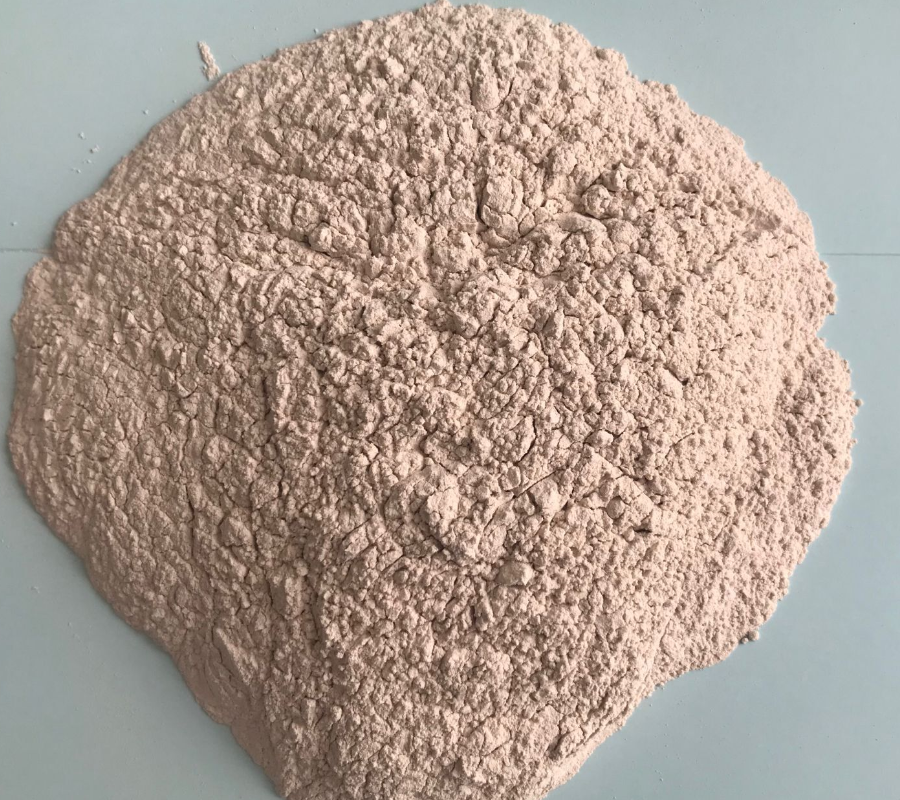
Table 1 Chemical composition and interlayer distribution of Montmorillonite
| Composition | Average value (wt%) | Change orientation (wt%) | Crystal structure | Average value | Range of change |
|---|---|---|---|---|---|
| SiO2 | 59.488 | 51.20-65.00 | Octahedron Al3+ | 1.429 | 1.1-2.0 |
| Al2O3 | 21.934 | 15.20-34.00 | Fe3+ | 0.187 | 0-0.68 |
| Fe2O3 | 3.77 | 0-13.61 | Fe2+ | 0.007 | 0-0.009 |
| FeO | 0.197 | 0-1.61 | Mg2+ | 0.354 | 0.01-0.71 |
| MgO | 3.548 | 0.09-7.38 | Tetrahedron Al3+ | 0.158 | 0-0.66 |
| CaO | 1.176 | 0-4.23 | Si4+ | 3.837 | 3.34-4.00 |
| Na2O | 0.824 | 0-3.74 | Interlamination Ca2+ | 0.007 | 0-0.49 |
| K2O | 0.342 | 0-1.82 | Na+ | 0.010 | 0-0.52 |
| TiO2 | 0.25 | 0-2.90 | K+ | 0.004 | 0-0.16 |
| H2O | 8.380 | 5.21-13.75 | - | - | - |
Montmorillonite as a natural mineral has been widely used in the production process of medicine and animal breeding. It is used as feed additive, as it is incompatibility and incompatibility, and also can be combined with micro ecological agents, antibiotics, enzyme preparations, Chinese herbal medicine can be used. It is non-toxic and harmless for animal body, and no residue, no pollution to the environment, it is a kind of safe, green, pure natural feed additive. Adding Montmorillonite to the feed has two main effect in aquaculture production process ,that are anti mildew and diarrhea, it also has other effectives, such as hemostasis and improving the environment.
The fungal toxin is the second metabolic toxic products in the process of growth and reproduction. So far, more than 300 species have been isolated and identified. Over 25% of the grain in the world is contaminated by the mold every year. The major fungal toxins have been found are as follows: Aflatoxin, T 2 toxin, deoxynivalenol, zearalenone, ochratoxin and fumonisins ext. They have an adverse effect on humans and animals, Mainly in the following aspects:
Montmorillonite has a strong electrostatic adsorption capacity as its inhomogeneous charge characteristic, which can adsorption and immobilization of various viruses, bacteria and toxins produced by the bacteria. It can reduce and eliminate the toxin in feed, and promote the growth of livestock and poultry, and increase the utilization rate of feed. Montmorillonite belong to polar adsorption, it is not absorbed by the intestinal tract of animals, and can be completely discharged in vitro, so it does not absorb nutrients in the diet (including vitamins, minerals, amino acids, pigments, etc.).
Through in vitro test (Table 2), proved that montmorillonite has strong adsorption capacity to Aflatoxin (AFB1) and maize (ZEN), and the adsorption rate is over 90%. Simulated intestinal absorption result shows that the desorption rate of toxin is reduced, and the second pollution and toxicity of the toxin will not be produced in the intestine.
Table 2. Experimental data on the adsorption of Montmorillonite
| Mycotoxin | Toxin level(mg/ml) | Mycotoxin adsorption rate |
|---|---|---|
| Aflatoxin B1 | 19.8 | 100% |
| Aflatoxin B2 | 24.2 | 100% |
| Aflatoxin G1 | 14.5 | 100% |
| Aflatoxin G2 | 9.5 | 100% |
| Zearalenone | 215 | 88% |
| Ochratoxin | 22.4 | 73% |
| T2 Toxin | 147.8 | 88% |
| Toxin DON | 213.9 | 54% |
Montmorillonite is a kind of natural nano material, the particle is small, the specific surface area is huge, so a small amount of powder can cover the entire digestive tract surface; Montmorillonite and mucin glycoprotein in the digestive tract, Then helps mucus to form a gel, forming a protective film. Convergence of the digestive tract wounds, repair of intestinal mucosa, improve the intestinal mucosal barrier to the defense of various attack factors, repair damaged cells bridge, strengthen the cell tightly connected.
Montmorillonite has a unique therapeutic effect on diarrhea caused by many kinds of reasons. The mechanism of action is different from other treatments (Table 3). Montmorillonite has the strong adsorption on the pathogenic bacteria in the digestive tract, as well as their metabolism to produce toxins, gas etc. (Table 4). To cause the pathogenic factor to lose the pathogenic factor, to restore the normal rhythm of intestinal peristalsis, to maintain the intestinal tract to food delivery and nutrition absorption, improve the immune function of the digestive tract.
Table 3 Evaluation of the effect of different products on diarrhea (+Valid, -Invalid)
| Medicine name | Bacterial diarrhea | Virus diarrhea | Dyspepsia diarrhea | Flora imbalance diarrhea | Intestinal toxic shock syndrome | Ulcerative gastroenteritis |
|---|---|---|---|---|---|---|
| Antibiotic | + | - | - | - | - | + |
| Intestinal motility inhibitor | - | - | + | + | + | - |
| Micro-ecological preparation | + | - | + | + | - | - |
| Montmorillonite Powder | + | + | + | + | + | + |
Table 4 Adsorption of montmorillonite on intestinal bacteria
| Bacteria Species | Adsorption Rate |
|---|---|
| Staphylococcus aureus | 61.4% |
| Bacillus coli | 54.22% |
| Salmonella | 48.41% |
| Aeromonas hydrophile | 60.53% |
| Vibrio parahaemolyticus | 50.64% |
| Bacillus bifidus | 25.64% |
| Bacillus acidophilus | 21.49% |
Statistical method: Take the feces on the newspaper, To observe the moisture diffusion around the feces within 1 minute, samples exam the Non digested feed pellet in the feces.
Montmorillonite can activate coagulation factor, Accelerating coagulation and hemostasis, promotes blood vessel contraction, convergence wound, slow down local blood flow and accelerate wound healing. Injury bleeding when piglet omphalotomy, tail, castration and livestock damage.
Montmorillonite has good water absorption, can quickly cure free water and flowing water, keep the environment dry, and prevent the invasion and reproduction of bacteria. Montmorillonite used for the newborn, can quickly dry skin, maintain body temperature, enhance the ability to adapt to the environment. Put the montmorillonite directly to the production of livestock vulva and wound, Can effectively maintain the vulva and wound dry and prevent the invasion of pathogens, prevention of uterine inflammation, vaginitis and vaginal disease and wound infection. It can be used a significant effect of talcum powder.
Montmorillonite containing Mg, Fe, Zn, Cu, I, Se and other trace elements necessary for a variety of livestock and poultry, which can exchange in the digestive tract, to provide trace element nutrition for animals. At the same time, It has the adsorption of heavy metal ions of Pb, Cd and other heavy metal ions to reduce the toxic effects of heavy metals, and promote the growth of livestock and poultry.
Compared with the feed additives Zinc Oxide and antibiotics which commonly used in livestock and poultry breeding in the prevention of diarrhea of livestock, Montmorillonite is safe, advanced, unique and replaceable (Table 5).
Table 5 Comparison of montmorillonite with Zinc Oxide and antibiotics
| Feature | Montmorillonite | Zinc Oxide | Antibiotics |
|---|---|---|---|
| Action principle | Adsorption, immobilization of fungal toxins, pathogenic microorganisms and their toxins | Principle is not clear, It is possible to reduce the permeability of the small intestine by inhibiting the absorption of E. coli in the digestive tract. | Mainly by changing the physiological and biochemical mechanisms or pathways of cell and outside, inhibiting the growth of bacteria, in order to achieve the effect of sterilization. |
| Effect on the digestive tract | To help repair the digestive tract mucosa, convergence damage, long-term use of effective, no side effects | It has the effect of repairing the intestinal tract and the convergence damage of piglet diarrhea, but if use long-term and large quantity, can cause intestinal mucosal injury, digestive tract disorders, and the formation of constipation. | Easy to lead to intestinal flora imbalance, resulting in second infections if excessive use. |
| Security | Is not absorbed, no pollution, no residue, no two dissociation toxicity | High residue, high zinc toxic reaction, nutrition antagonism, drug resistance | Drug residues, toxicity, drug resistance |
Table 6 Comparison of montmorillonite and drug additives
| Feature | Montmorillonite Action & Advantages | Drug Additive Effect Characteristics |
|---|---|---|
| Bacteria | Through the selective adsorption of effective adsorption containing phospholipid and teichoic acid bacteria. Does not produce resistance, the use of the effect of consistency. | Directly involved in the biochemical process of bacteria, easy to cause drug resistance, and effect the consistency and the effect of therapeutic drugs. |
| Virus | The positive charge of the end face enrichment has the effect of adsorbing some enteric viruses. Reduce the number of intestinal viral pathogens, and reduce the chance of animal disease. | Generally unable to deal with viral pathogens, in addition to individual large viruses. |
| Metabolin | Has a fixed role on the toxin of Escherichia coli, Staphylococcus aureus, cholera and other pathogenic bacteria. To reduce the interference of toxins on intestinal cells, to restore the normal rhythm of intestinal peristalsis, maintaining normal intestinal secretion and absorption function. | Without the efficacy of the treatment of bacterial metabolites, in addition to the individual drug additives. |
| Repair | Has Specific bipolar surface charge, can bring microcirculation of charge under the action of the physical effect field, Can regulate the membrane charge balance. Repair the damaged intestinal mucosa and cell bridge, so that the cells are closely connected to prevent pathogens from entering the blood circulation. | No repair function for the damaged intestinal mucosa. |
| Protect | Good gel performance can be formed in the protective layer of intestinal mucosa. Can reduce the stimulation of intestinal mucosa, reduce mucosal damage and intestinal wall thickness. | There is no protective function of intestinal mucosa. |
| Safety | Will not be absorbed by the body. Green, no pollution, no residual threat. | Most drug additives can be a small amount of absorption, Need a certain period of withdrawal. |
| Immune system | Endotoxin positive charge enrichment on the surface can adsorb most electronegative, reduce the additional non defensive immune response. The disintegration product of the negative bacteria has a strong immune stimulation, can cause animal growth inhibition and intestinal wall thickness, the role of the release of endotoxin can better play the normal growth performance. | Must be added in excess because innormal, it has been unable to guarantee its effectiveness as the drug resistance. So it suppress the immune system, thereby affecting the body's own protective power. |
| Growing problem | A variety of effects on the secondary metabolites contribute to the growth performance of the good play. Can maximize the growth performance of animals, the conversion of nutrients in feed. | Some drug additives, due to the extra dose, can cause obvious growth inhibition in the later period. |