Akston Health
Akston Health
Akston Health
Direct export configurations of high-purity chemical components custom-engineered for Korea's leading secondary battery, industrial catalysis, and petrochemical processing clusters.
South Korea stands at the global frontier of modern technology, driving breakthroughs in electric vehicles (EV), high-density energy storage systems (ESS), semiconductors, and petrochemical manufacturing. As the nation intensifies its production of "K-Batteries"—led by global titans like LG Energy Solution, Samsung SDI, and SK On—the demand for high-purity battery-grade Manganese Oxide has escalated exponentially.
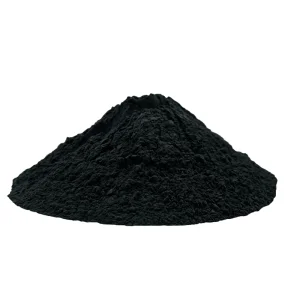
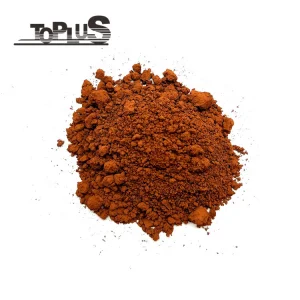
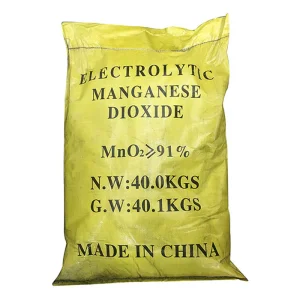
Manganese oxide materials, particularly Electrolytic Manganese Dioxide (EMD), high-purity Trimanganese Tetraoxide (Mn3O4), and Nano-scale Manganese Sesquioxide (Mn2O3), form the bedrock of next-generation cathode chemistries. These include Lithium Manganese Oxide (LMO), Lithium Nickel Manganese Cobalt Oxide (NMC), and emerging sodium-ion configurations. As Korean manufacturers diversify from high-nickel systems to avoid supply-chain vulnerabilities, manganese-heavy formulations such as LMFP (Lithium Manganese Iron Phosphate) are becoming the new standard for stability, safety, and cost reduction.
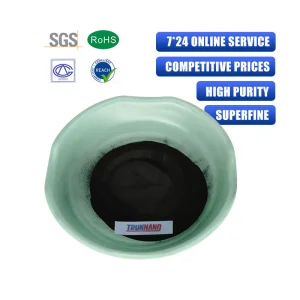
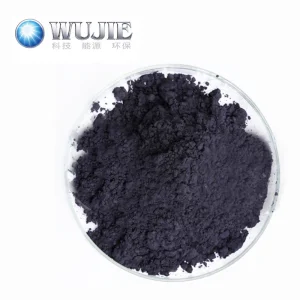
Custom-engineered 800nm Nano-Mn2O3 powders targeting transition metal oxide cathode matrixing for sodium-ion energy structures in local Korean projects.
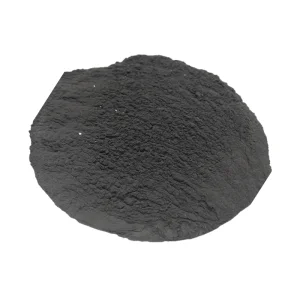
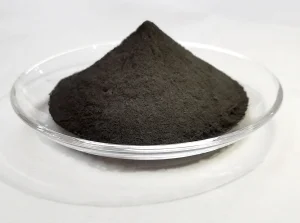
Highly active Alpha Phase Nano-MnO2 provides optimal catalytic surface areas, removing sulfur oxides (SOx) efficiently from exhaust gases.
Full documentation compliance under Korean chemical registration laws, coupled with rapid logistics from nearby Chinese production bays.
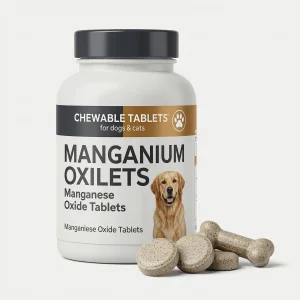
Broadening the industrial spectrum to serve structural materials, high-density ferrite cores, and animal nutritional supplements across Korea.
While South Korea possesses unparalleled capabilities in downstream battery manufacturing and advanced electronics assembly, it faces structural resource limits for primary mineral refining. The raw material intensive steps of calcining, acid-leaching, and electrochemical synthesis of Manganese Oxide are heavily centered in China due to vertical integration, energy logistics, and scale economies.
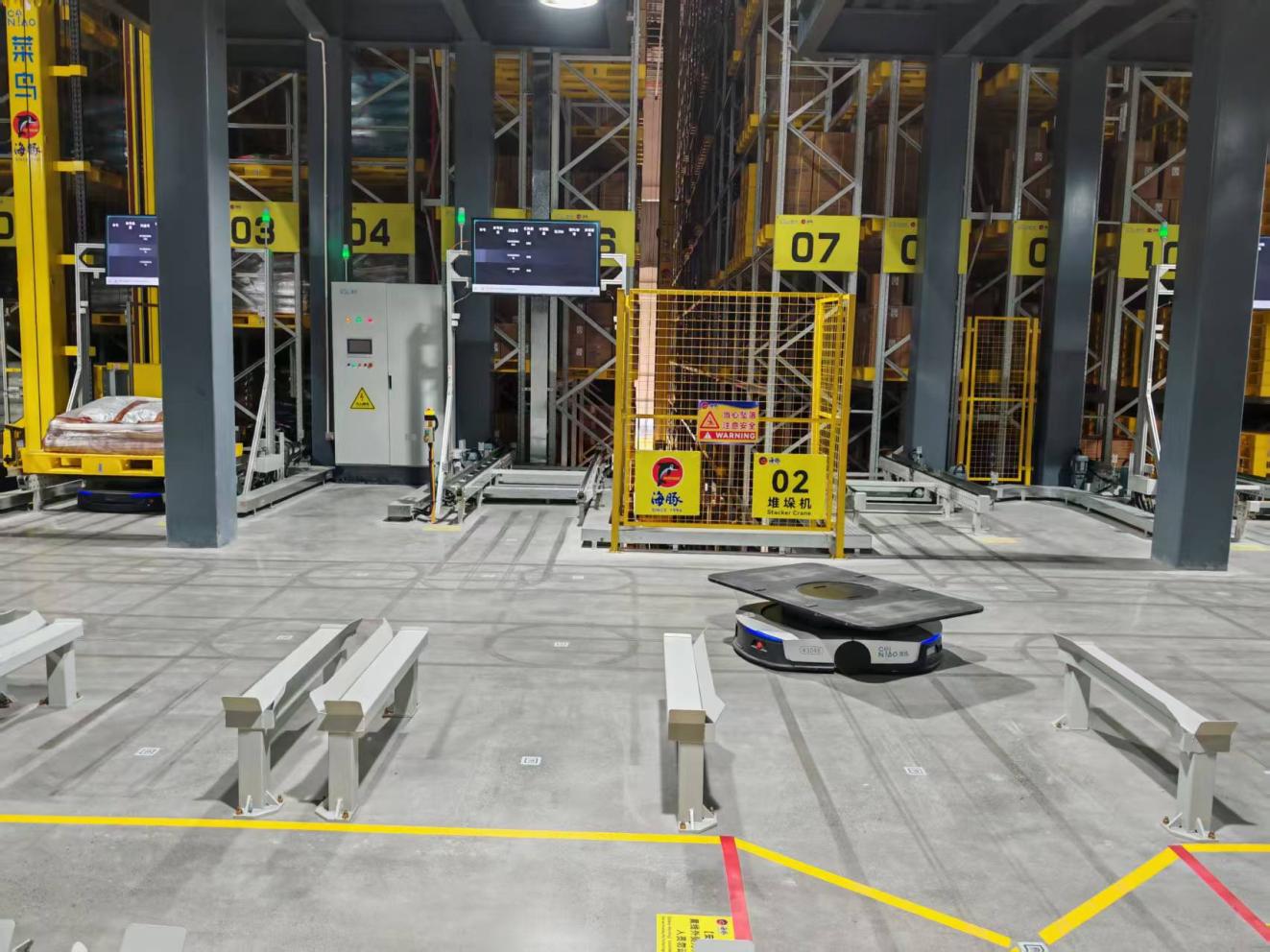
Qingdao Akston Health Co., Ltd. leverages this strategic geographical and economic layout. Operating in close proximity to the Port of Qingdao, we offer direct maritime freight pathways to major Korean ports like Incheon, Busan, and Gwangyang. This ensures rapid transit times of less than 48 hours from factory release to local customs, solving the modern supply chain puzzle of just-in-time warehouse management for K-industry giants.
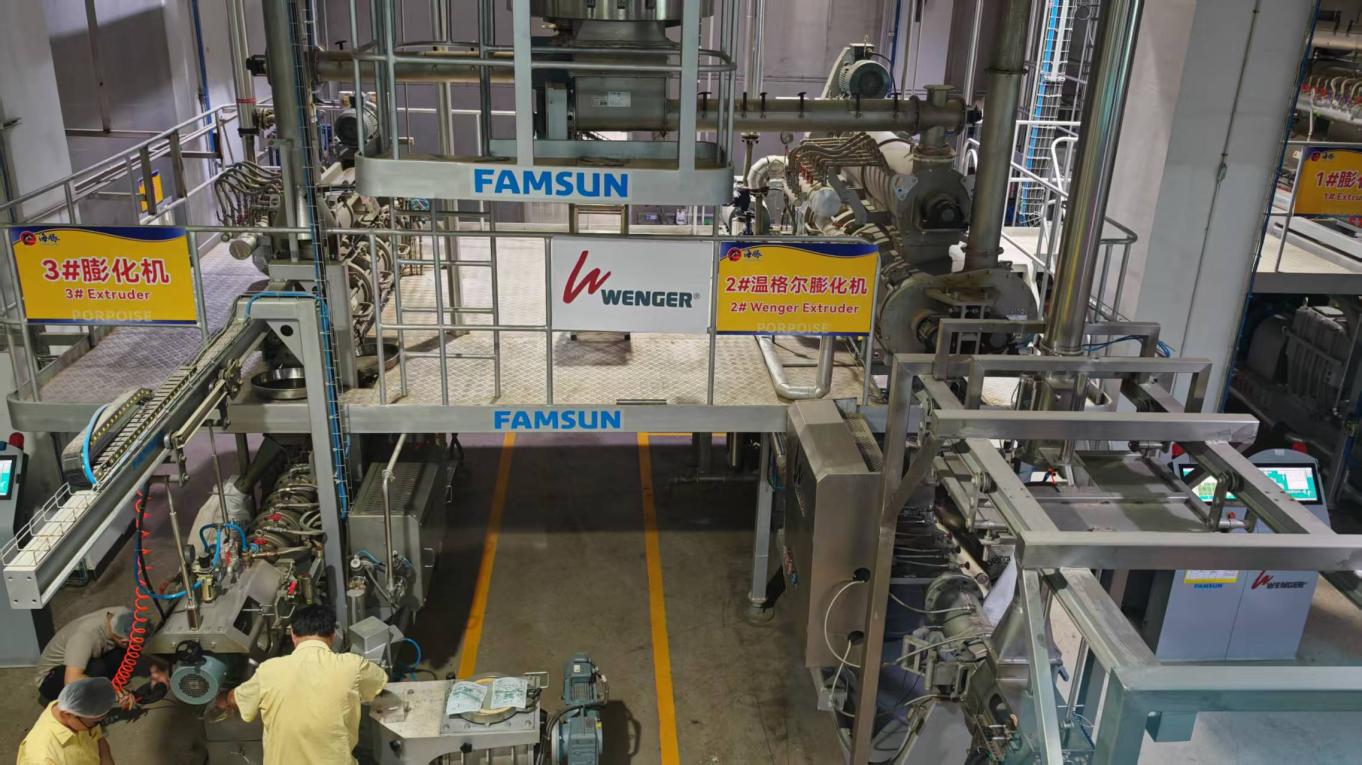
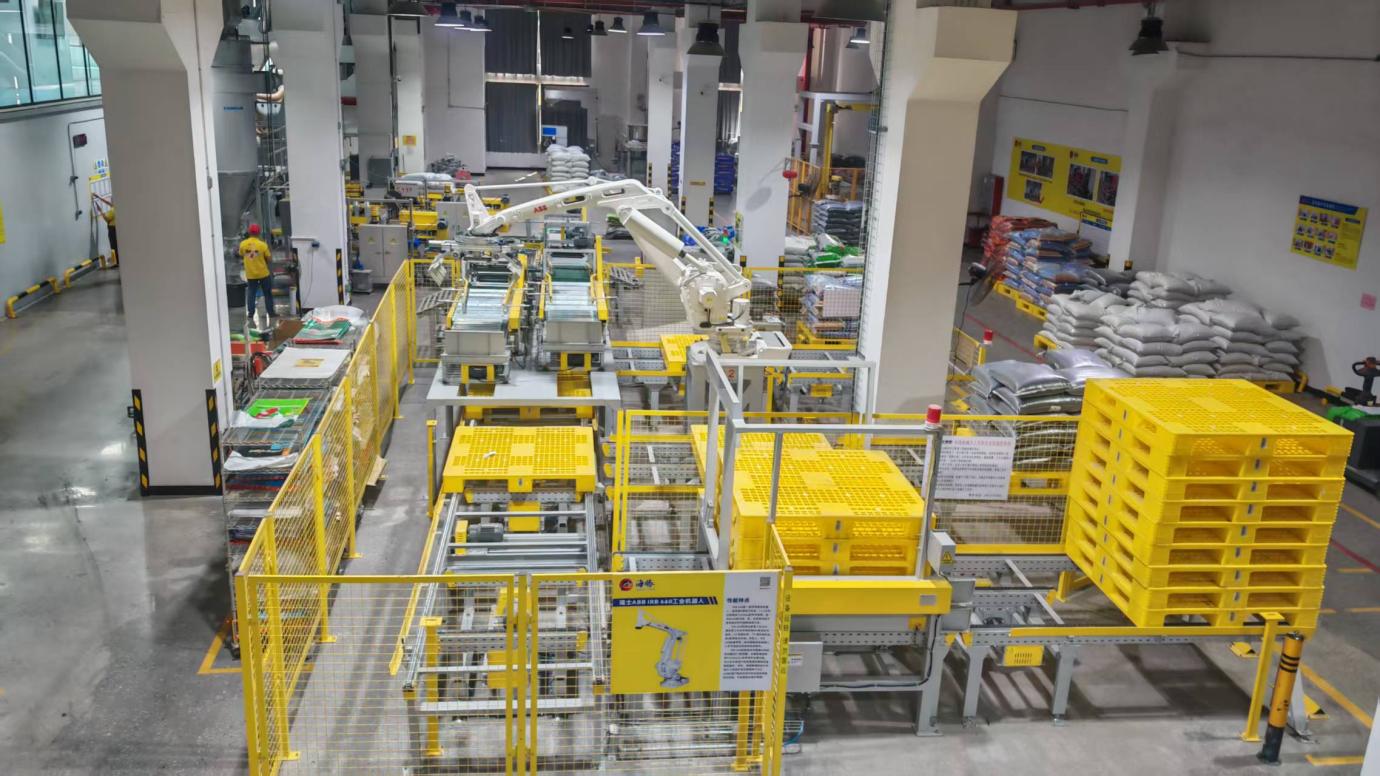
Furthermore, our highly automated production systems bypass the high overhead costs typically associated with domestic Korean processing factories, delivering exceptional cost savings at identical purity thresholds.
A trusted global manufacturer and supply chain partner delivering cutting-edge chemical, mineral, and nutritional ingredients worldwide.
Qingdao Akston Health Co., Ltd. is a premier manufacturer and international supplier dedicated to delivering innovative health, chemical, and nutrition solutions. Drawing on advanced production frameworks and a deep understanding of elemental science, we serve critical industries including animal feed, industrial catalysis, chemical synthesis, and battery material manufacturing across Korea, Asia, Europe, and the Americas.
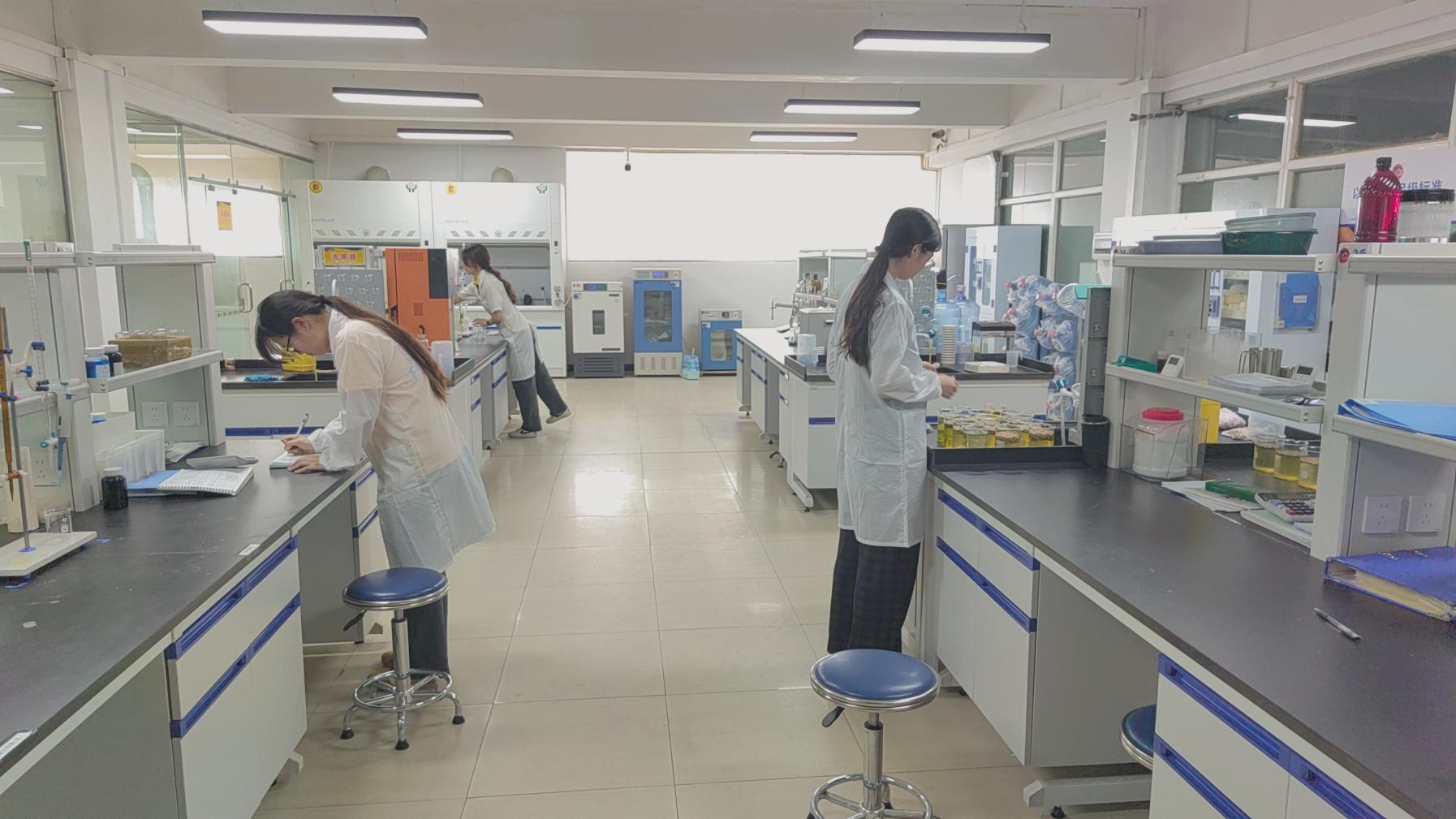
Our comprehensive portfolio spans high-purity inorganic metal compounds like Manganese Oxide variants, choline chloride, amino acids, vitamins, and minerals. Operating under strict global quality control architectures, we ensure that every batch of material meets international regulatory benchmarks, offering unmatched stability for feed formulation and battery precursors alike.
With an experienced technical and logistics team, we bridge the gap between heavy primary refining and specialized localized delivery, customizing mesh sizes, purity, and coating formulations to the exact demands of modern purchasing departments.
Connect with our Engineering Team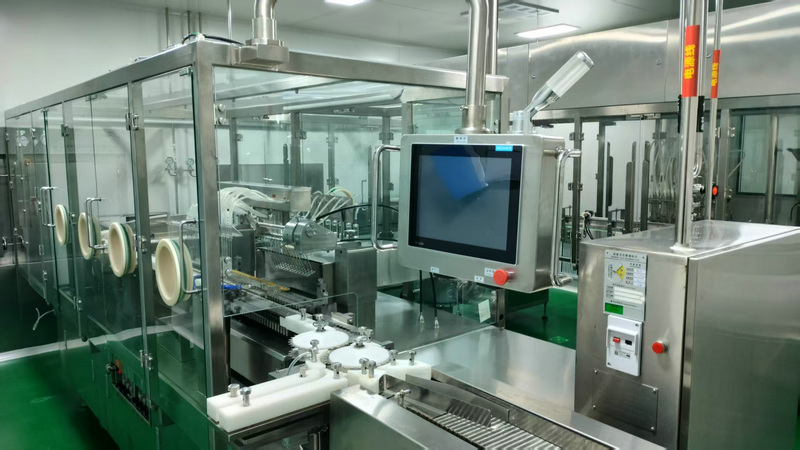
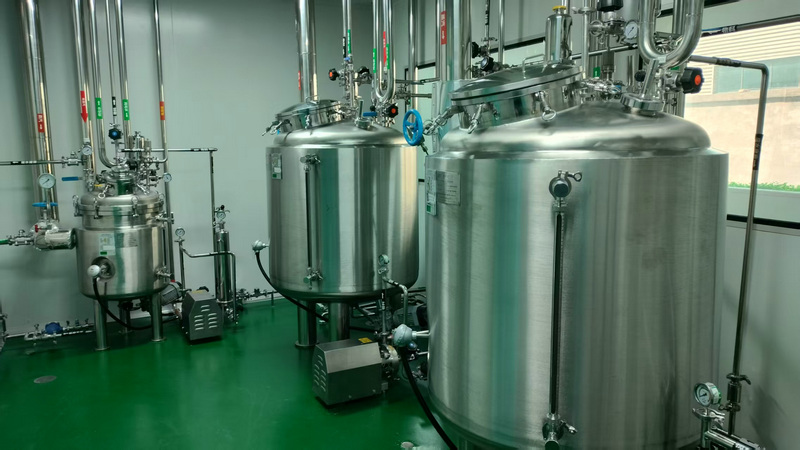
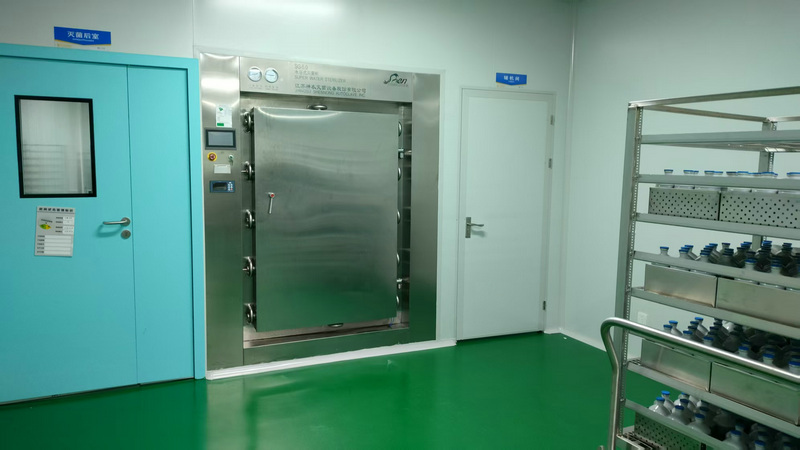
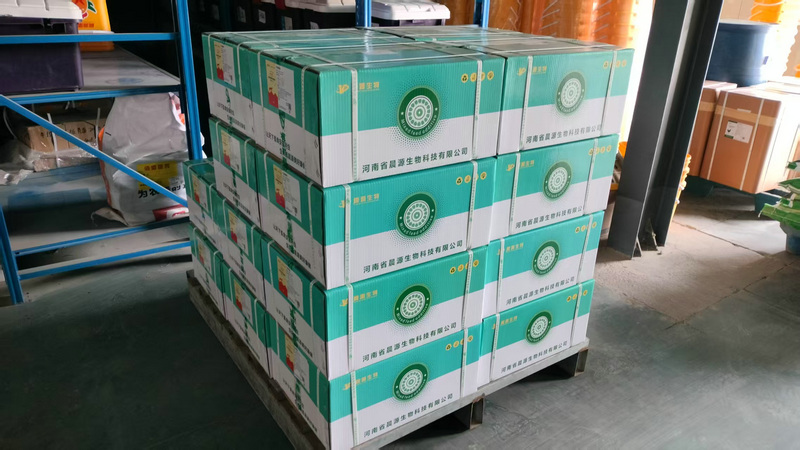
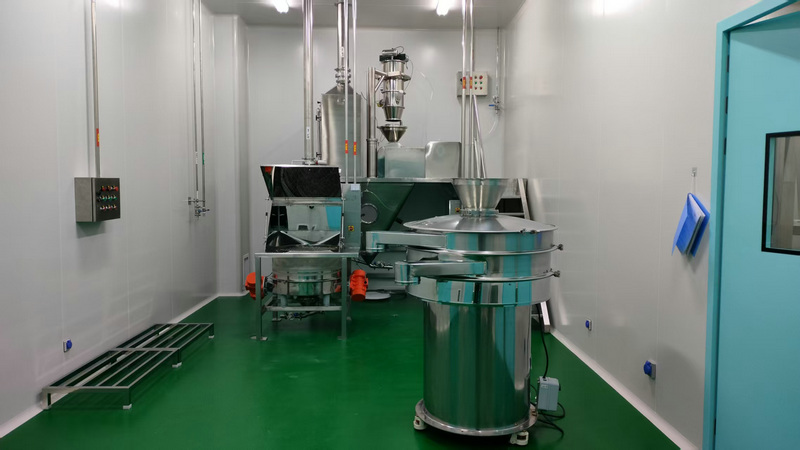
Manganese Oxide functions across three critical fields in the Korean peninsula:
1. Cathode Materials & Energy Grid Stability: Secondary battery factories require ultrapure MnO2 and Mn3O4 with exceptionally low trace heavy metals (Fe < 10ppm, Cu < 5ppm). These strict specs prevent micro-short circuits in EVs, which is vital for the survival of the South Korean automotive supply chain under global scrutiny.
2. Marine & Heavy Industry Catalysis: Korea's major shipbuilders and petrochemical operators rely on alpha-phase and electrolytic-grade manganese oxides for exhaust treatment. Used as structural catalysts, these compounds reduce nitrogen oxides (NOx) and sulfur oxides (SOx) to comply with IMO maritime regulations and local air pollution targets.
3. Advanced Feed Formulations: Our MnO 62% powder feeds local South Korean livestock farms in areas like Gyeonggi and Chungcheong. The high bioavailability of our feed-grade oxides ensures optimal bone development and metabolic performance in poultry and swine, avoiding toxic heavy metal contamination.
Procuring raw minerals in today's landscape requires balancing technical specs with geopolitics. Key global trends include:
Strict Trace-Metal Control: Analytical instruments (ICP-MS) are standard for checking imports. Traces of lead, copper, and iron must be kept within precise tolerances.
Green Logistics & Carbon Sourcing: Environmental requirements are pushing processors to document carbon emissions. Akston Health is updating energy structures to supply low-carbon processed MnO2 to meet ESG targets.
Regulatory Compliance: All imports into Korea must conform to K-REACH. Our regulatory desk handles the registration process, avoiding delays at Incheon and Busan customs.
Detailed technical, regulatory, and logistics answers for procurement engineers and global exporters looking to source Manganese Oxide.
Review our comprehensive catalog of high-purity chemical powders, feed ingredients, and electrolytic compounds exported globally.