Akston Health
Akston Health
Akston Health
Explore our high-performance feed additives, nutritional ingredients, and industrial-grade chemicals.
Qingdao Akston Health Co., Ltd. is a trusted manufacturer and global supplier dedicated to delivering innovative health and nutrition solutions for the animal feed industry. With a strong commitment to quality, sustainability, and continuous innovation, we provide high-performance feed additives and nutritional ingredients that support healthier livestock, improved productivity, and safer food production worldwide.
Our comprehensive product portfolio includes choline chloride, amino acids, vitamins, minerals, and other functional feed additives designed to meet the nutritional requirements of poultry, swine, ruminants, aquaculture, and companion animals. Our science-based formulations help optimize animal growth, enhance immune function, improve feed efficiency, and contribute to reducing the reliance on antibiotics in modern livestock production.
At Akston Health, quality is the foundation of everything we do. We work closely with qualified manufacturing partners and implement strict quality control systems throughout sourcing, production, and logistics to ensure every product meets international standards. Our experienced technical team also provides customized solutions and professional support to help customers achieve better production performance and sustainable business growth.
Driven by integrity, innovation, and customer satisfaction, Qingdao Akston Health Co., Ltd. has established long-term partnerships with clients across Asia, Europe, the Middle East, Africa, and the Americas. We are committed to creating lasting value through reliable products, competitive pricing, efficient supply chain management, and responsive customer service.
As your trusted partner in animal nutrition and industrial-grade chemicals, Akston Health will continue to develop innovative solutions that promote animal health, improve farming efficiency, and contribute to a more sustainable global agriculture and chemical manufacturing industry.
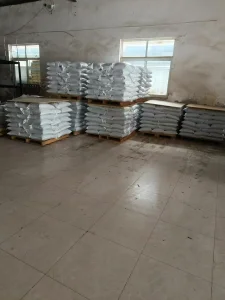
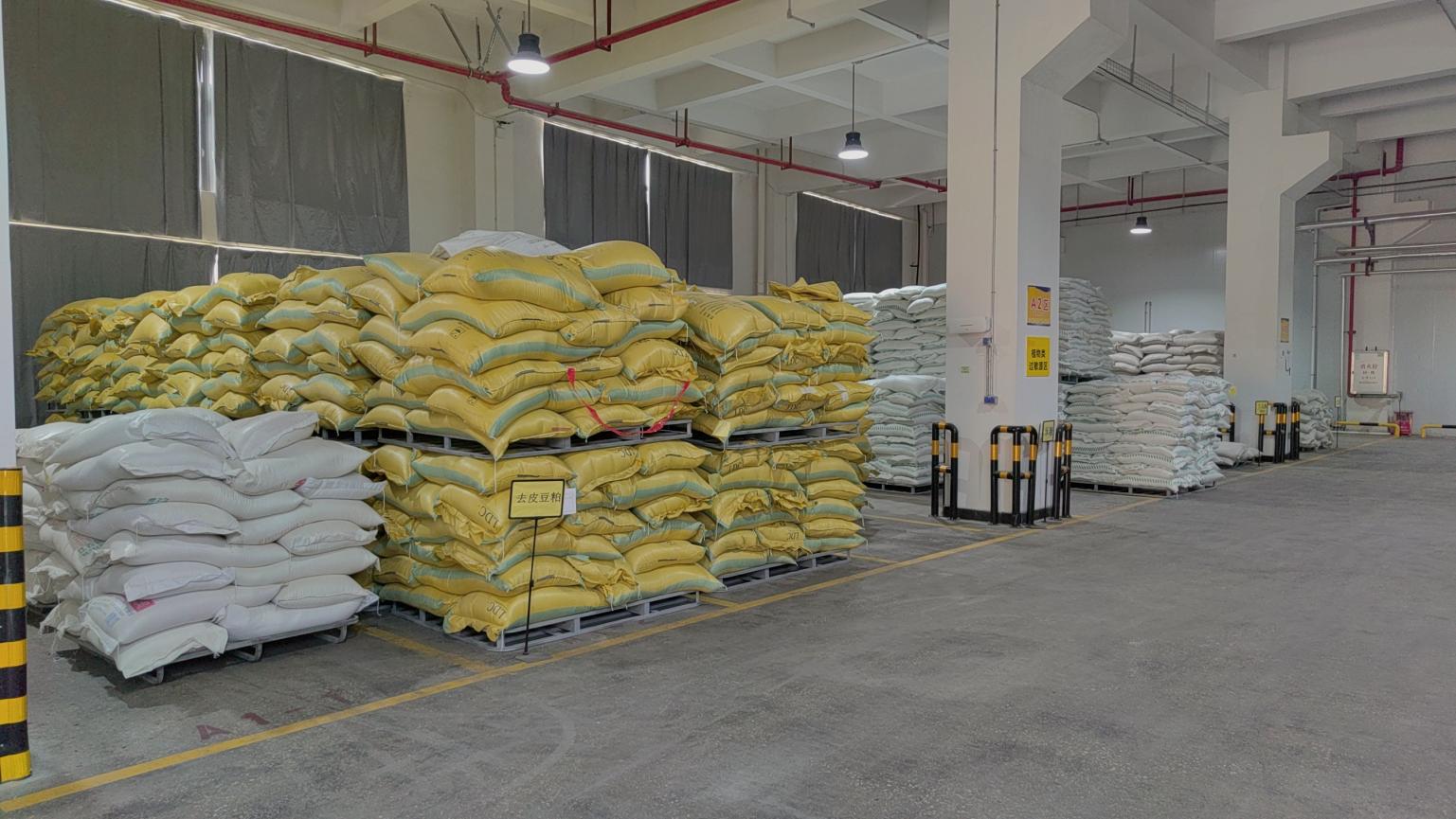
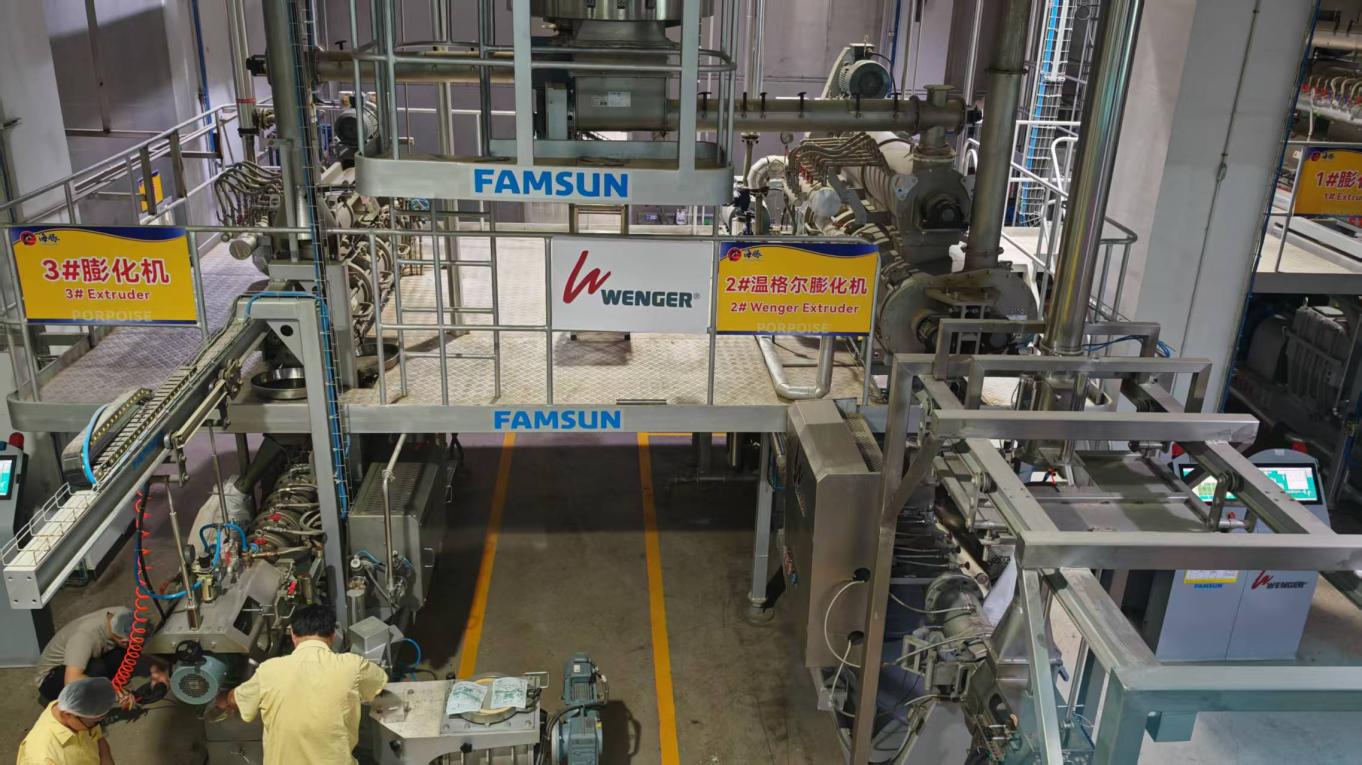
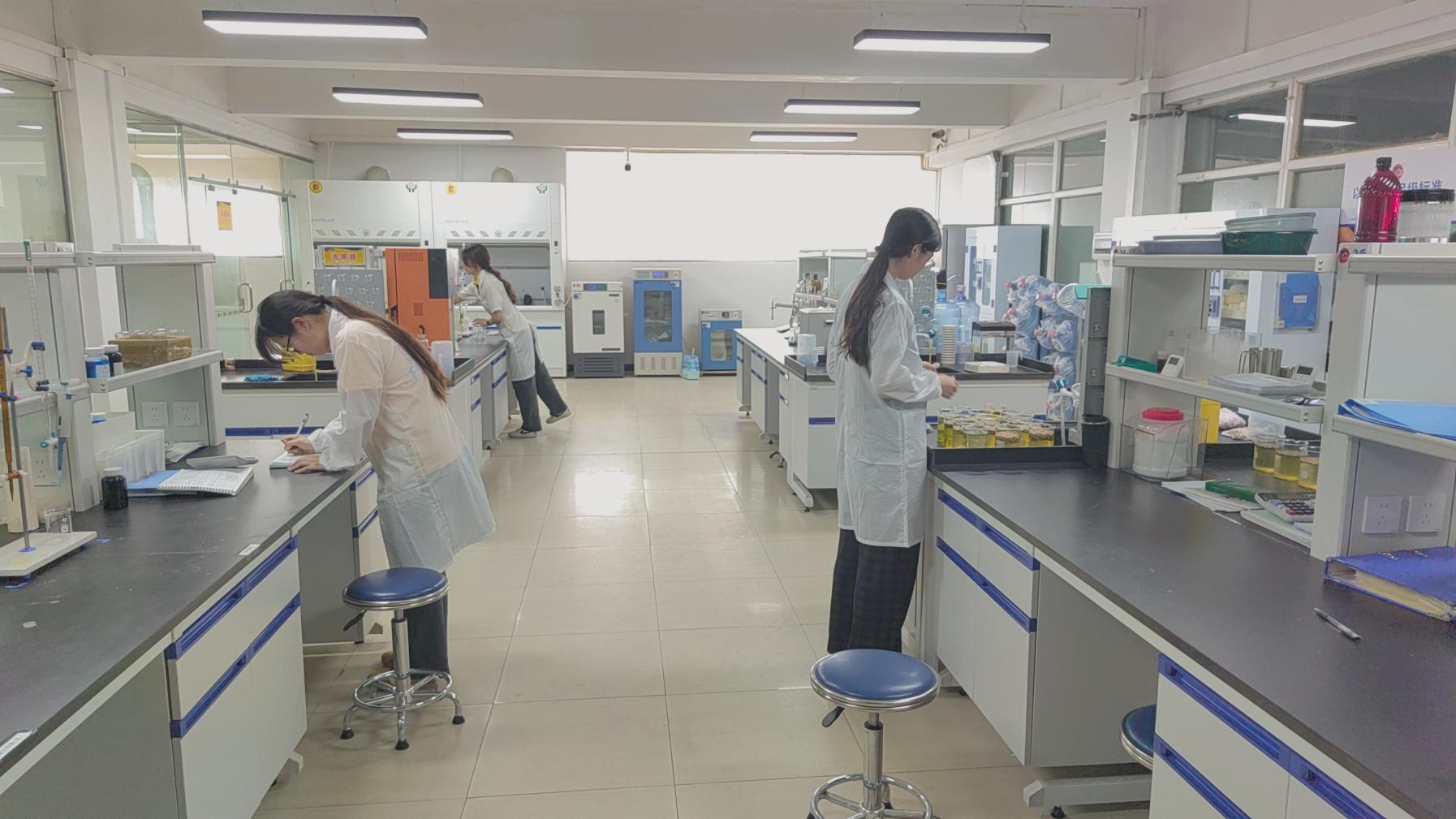
A transparent look inside our state-of-the-art manufacturing plant, storage facilities, and packing technology.
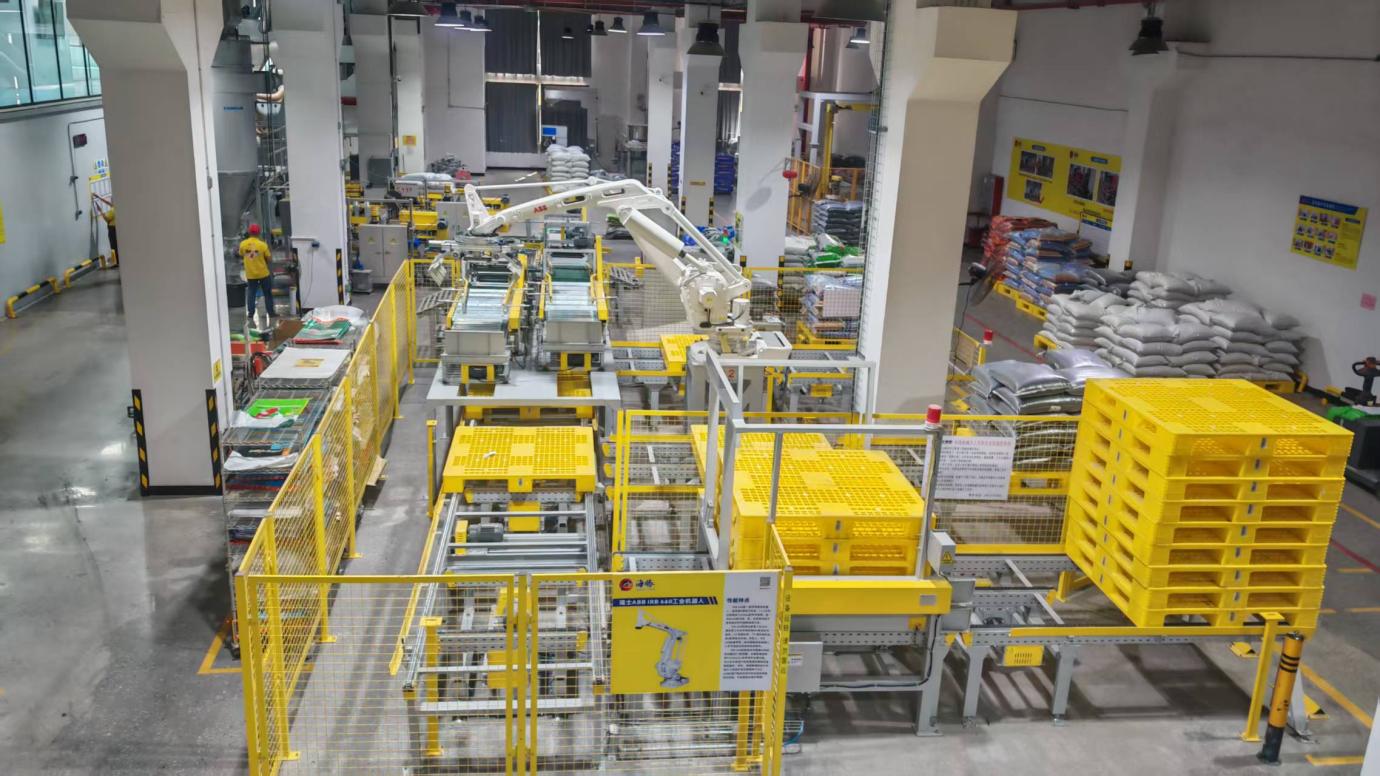

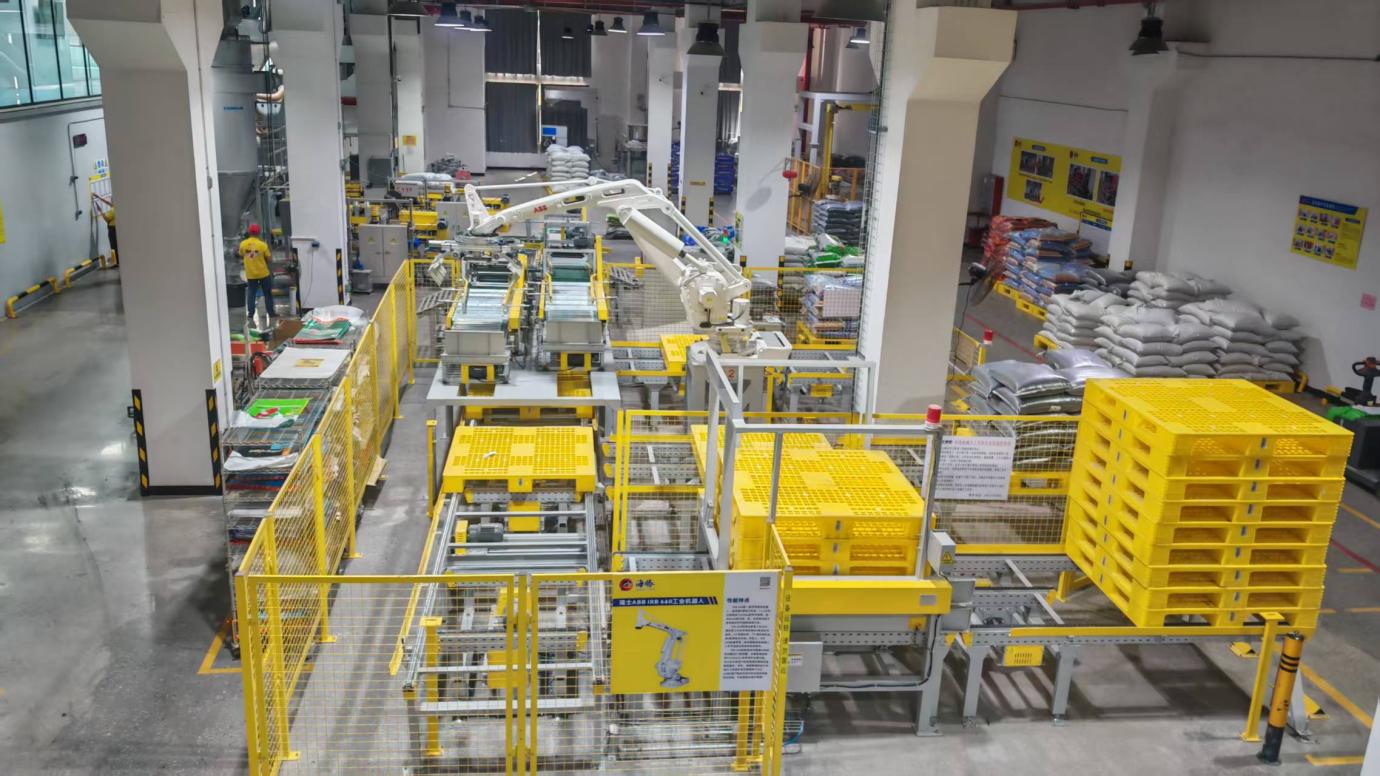
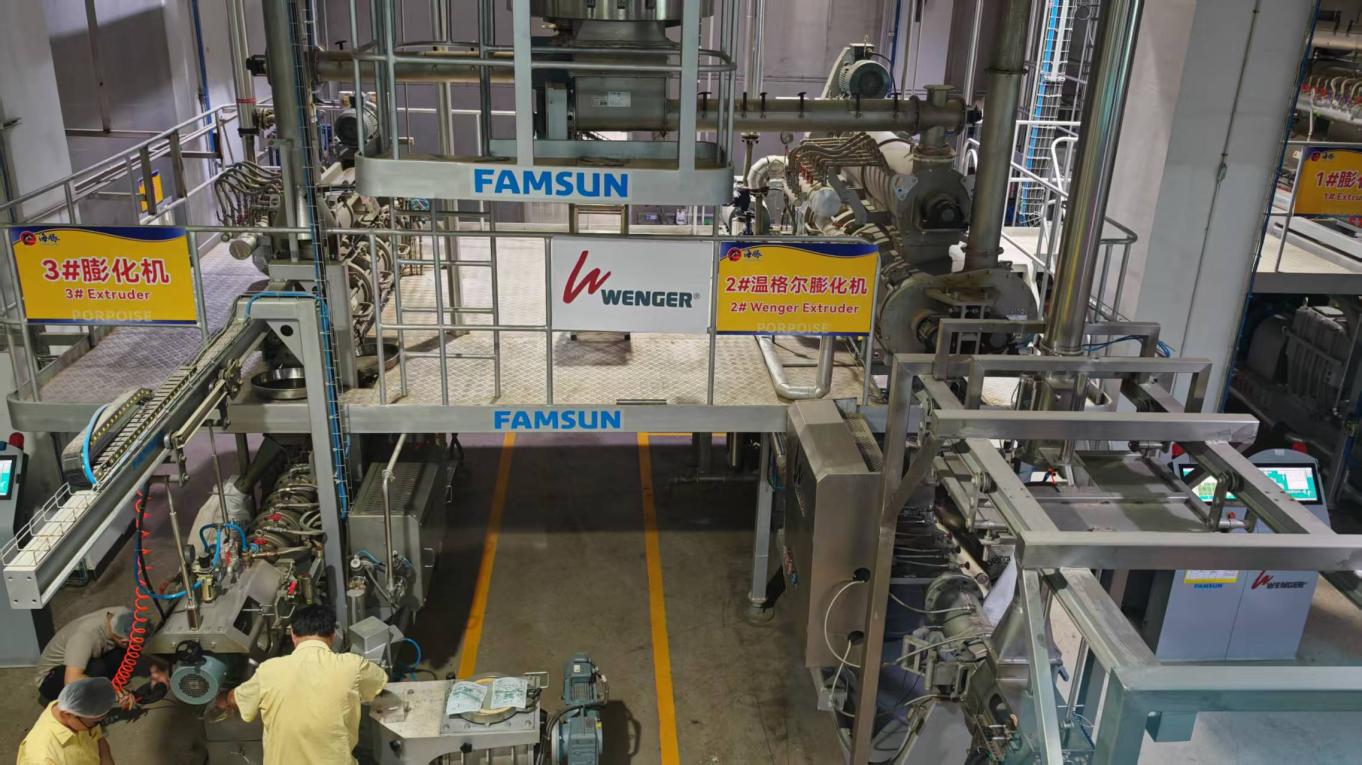
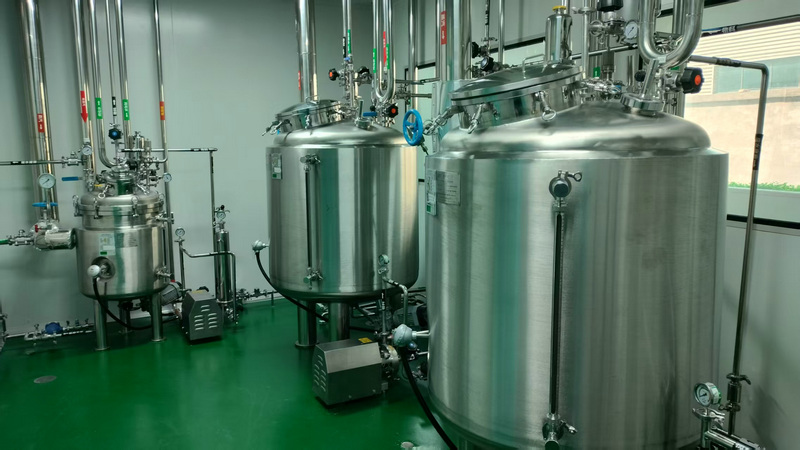
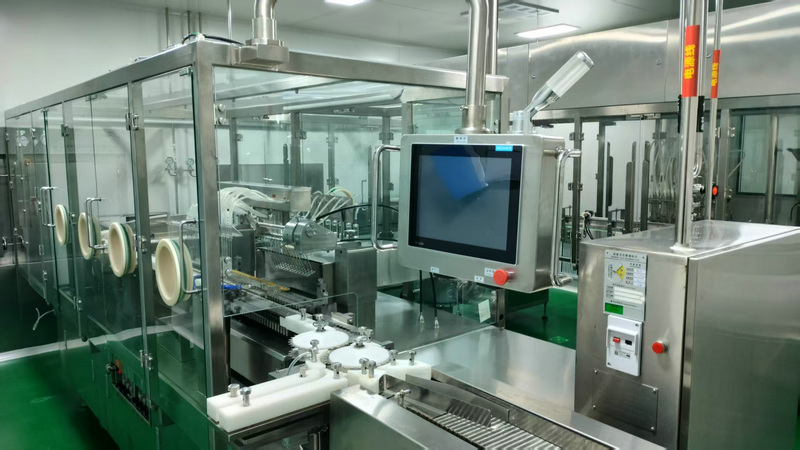

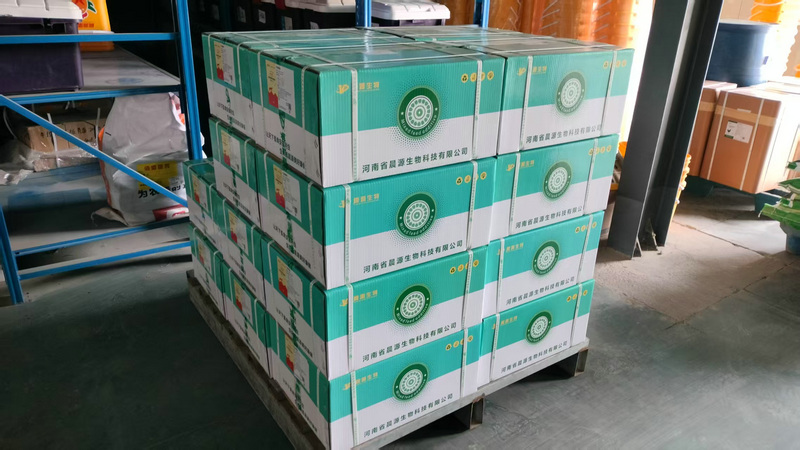
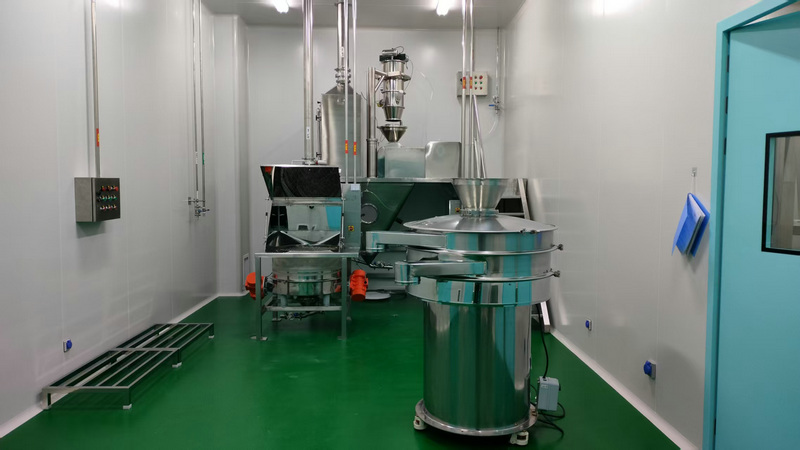
In the modern industrial chemical landscape, Sodium Acetate (both in its anhydrous form, $CH_3COONa$, and trihydrate form, $CH_3COONa \cdot 3H_2O$) stands out as an essential agent across massive multi-billion dollar markets. From environmental sewage treatment to medical formulations, food preservation, and advanced construction concrete sealants, the purity and structural integrity of this chemical dictate the performance of final output parameters.
The global sodium acetate market is undergoing significant transformations driven by regulatory shifts, sustainability metrics, and localized procurement strategies. With a projected compound annual growth rate (CAGR) of over 5.4% through 2030, current consumption dynamics point to three critical growth vectors:
Choosing the correct molecular configuration of Sodium Acetate is essential for process efficiency and cost-efficiency. Our manufacturing lines at China's leading production plants support two distinct chemical pathways to meet specific international criteria (FCC, USP, EP, and ISO standards):
| Parameters | Sodium Acetate Anhydrous ($CH_3COONa$) | Sodium Acetate Trihydrate ($CH_3COONa \cdot 3H_2O$) |
|---|---|---|
| CAS Number | 127-09-3 | 6131-90-4 |
| Assay (Purity) | ≥ 99.0% (Dry basis) | 99.0% - 101.0% |
| Physical Appearance | White crystalline hygroscopic powder | Colorless crystals or white crystalline powder |
| Loss on Drying | ≤ 1.0% | 36.0% - 41.0% |
| pH Value (5% solution) | 7.5 - 9.0 | 7.5 - 9.2 |
| Heavy Metals (as Pb) | ≤ 10 ppm | ≤ 5 ppm |
| Primary Application | Textiles, organic synthesis, warmers | Pharmaceutical buffers, electroplating, food |
As an optimized global supplier, Qingdao Akston Health Co., Ltd., together with our advanced industrial partner networks, delivers end-to-end solutions that address critical structural challenges in procurement.
In the Textile and Dyeing sector, sodium acetate is utilized as both a neutralizing agent for sulfuric acid waste streams and a photoresist stabilizer during aniline dye applications. Ensuring consistent pH neutralization prevents fiber degradation, saving textile mills up to 14% in raw fiber damage costs.
In Leather Tanning and Processing, our customized formulations act as buffering agents during the chrome tanning phase. This ensures even chrome penetration into the collagen fibers of hides, resulting in superior leather grain consistency.
Our manufacturing partners are committed to pushing the boundaries of green chemistry. Our 2026-2030 technology roadmap emphasizes reducing greenhouse gas outputs during the synthesis of sodium acetate:
Navigating international supply chains requires more than just premium chemicals; it demands absolute compliance. Akston Health ensures that every shipment is fully documented and conforms to localized regulatory landscapes, including EU REACH compliance, North American EPA rules, and Middle Eastern agricultural import mandates.
By maintaining strict batch traceabilities from raw materials storage through swelling, crystallization, and automatic packing, we mitigate quality deviations. Every export contains a certified Certificate of Analysis (COA) corresponding to standard pharmaceutical and industrial tests.
Technical, logistical, and sourcing insights to streamline your procurement decisions.
Integrate our specialty ingredients and feed additives into your production systems today.