Akston Health
Akston Health
Akston Health
Engineered to withstand pelleting temperatures and secure raw materials, these premium binders provide immediate gastrointestinal protection for commercial poultry and ruminant herds across Central Saudi Arabia.
As the Kingdom of Saudi Arabia accelerates its Vision 2030 objectives for food security and self-sufficiency, Riyadh has emerged as the geographic and logistical nucleus for high-capacity animal feed processing. Ruminant and poultry operations in Riyadh Province confront unique physiological and climatic challenges. Under extreme arid temperatures that frequently exceed 45°C, coupled with complex supply chains involving the transport of imported grains from Dammam or Jeddah Ports to regional storage hubs, feed raw materials undergo severe thermal stresses. These conditions trigger sub-clinical mold development, resulting in critical accumulations of mycotoxins—toxic secondary metabolites produced by fungi such as Aspergillus, Fusarium, and Penicillium.
Modern commercial operations, including multi-tier laying batteries and intensive dairy complexes around Riyadh, cannot afford feed conversion efficiency losses. Even trace contaminations of Aflatoxin B1 (AFB1), Ochratoxin A (OTA), Zearalenone (ZEN), and trichothecenes (T-2/HT-2 toxins) can lead to immunosuppression, decreased eggshell thickness, vaccine failure, systemic gut inflammation, and elevated mortality. In dairy operations, the carryover of Aflatoxin M1 into processed milk poses direct risks to human health, prompting the Saudi Food and Drug Authority (SFDA) to enforce highly rigorous regulatory limits on feed ingredients.
Consequently, the demand for advanced, heat-stable, and chemically resilient mycotoxin binders in the Riyadh market has shifted from basic clay additives to multi-functional, science-based composite solutions. Modern nutritionists demand agents that not only physically adsorb toxins in the intestinal tract but also bio-neutralize structurally complex molecules through enzyme-producing bacterial strains.
Achieving effective mycotoxin remediation requires an understanding of how different toxins behave in the digestive tract. Some toxins have planar molecular configurations that can be trapped by mineral clays, while others require structural changes via microbial enzymes to render them harmless.
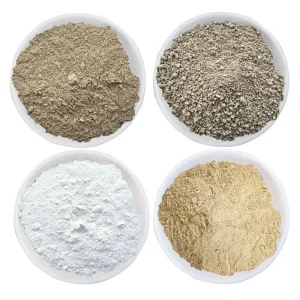
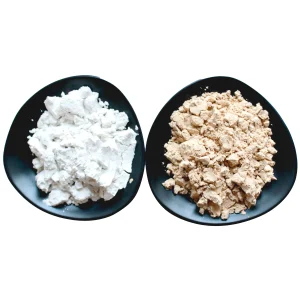
High-purity Montmorillonite utilizes a layered sheet structure with interlayer spaces containing exchangeable cations. When hydrated, the interlayer distance expands, selectively binding polar toxins like Aflatoxins through dipole-dipole interactions. This trapping mechanism prevents absorption through the intestinal wall, directing the bound toxins safely out of the animal's body.
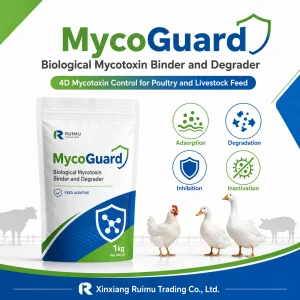
Less polar toxins, such as Zearalenone (ZEN) and Deoxynivalenol (DON), have bulky chemical structures that resist standard clay binding. Incorporating specialized probiotic strains, like Bacillus subtilis, introduces active extracellular enzymes. These enzymes break open the critical lactone rings and epoxide structures of the toxins, converting them into non-toxic metabolites.
An effective binder must target mycotoxins without binding essential vitamins, trace minerals, or amino acids. Premium formulations achieve high selectivity, maintaining the nutritional value of the diet. Additionally, their flow-promoting physical properties prevent bridging in feed mill bins, ensuring consistent distribution in mixed feed.
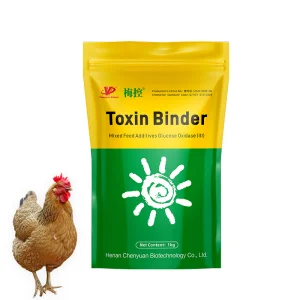
As a leading global developer of animal health additives, Qingdao Akston Health Co., Ltd. bridges the gap between mineral processing technology and local feed security needs in Riyadh. Operating out of advanced manufacturing facilities, we leverage direct access to high-purity mineral reserves and bioprocess engineering. This allows us to supply cost-effective, high-performing mycotoxin binders tailored to the needs of the Middle East.
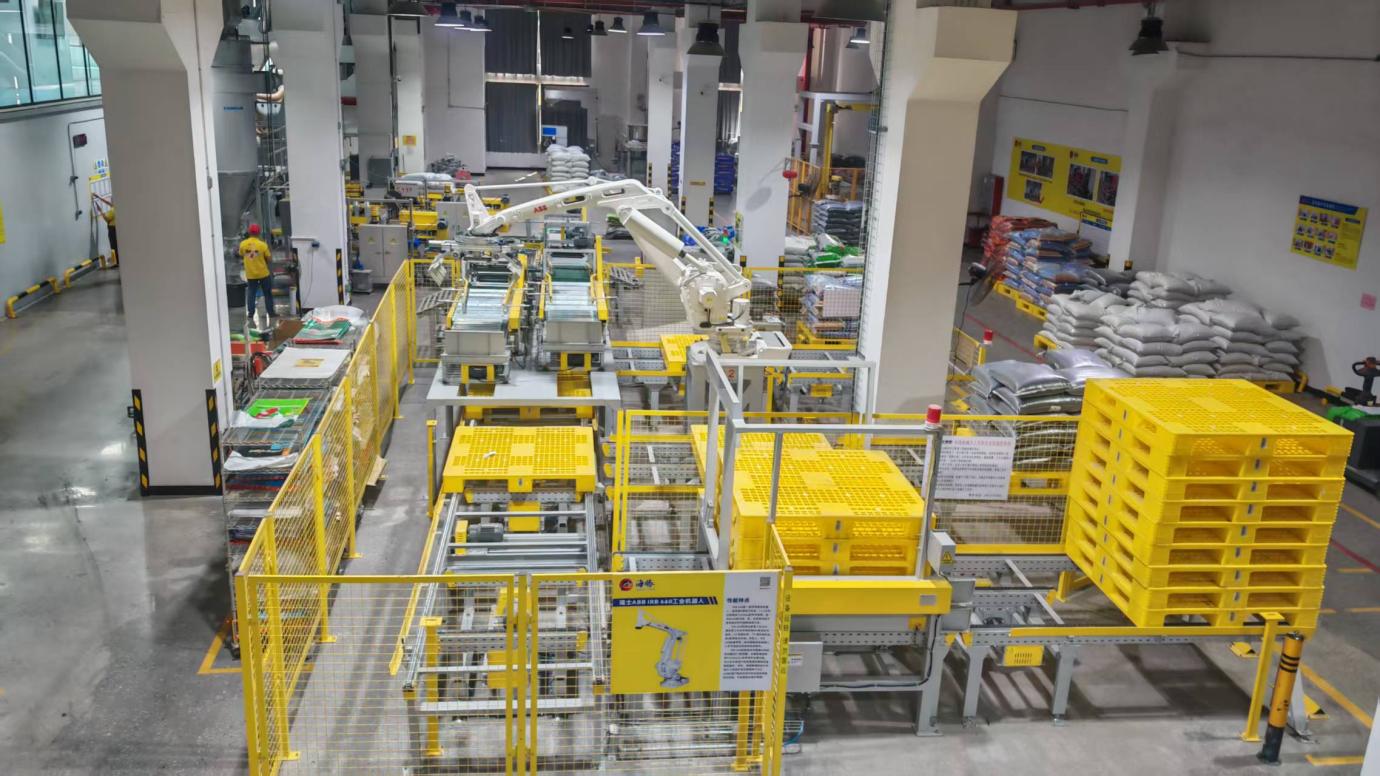
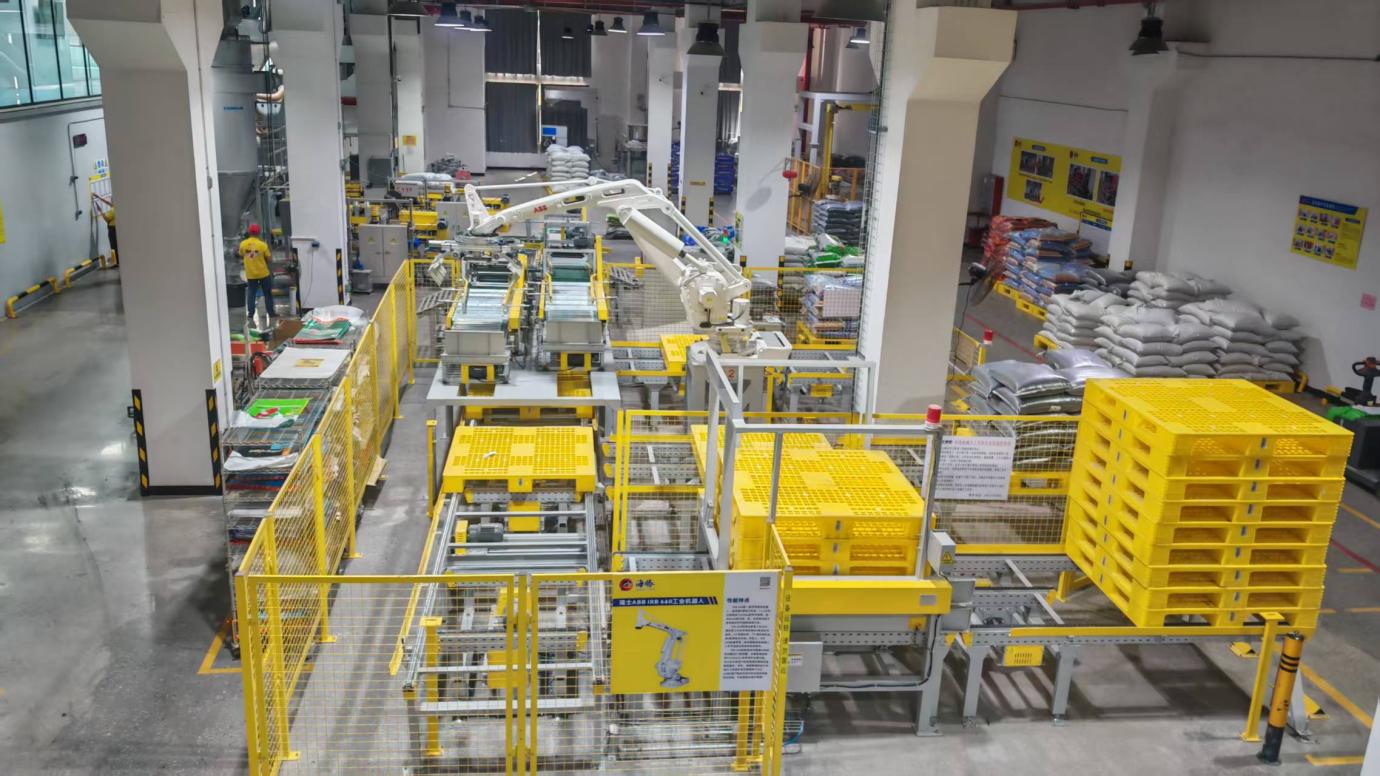
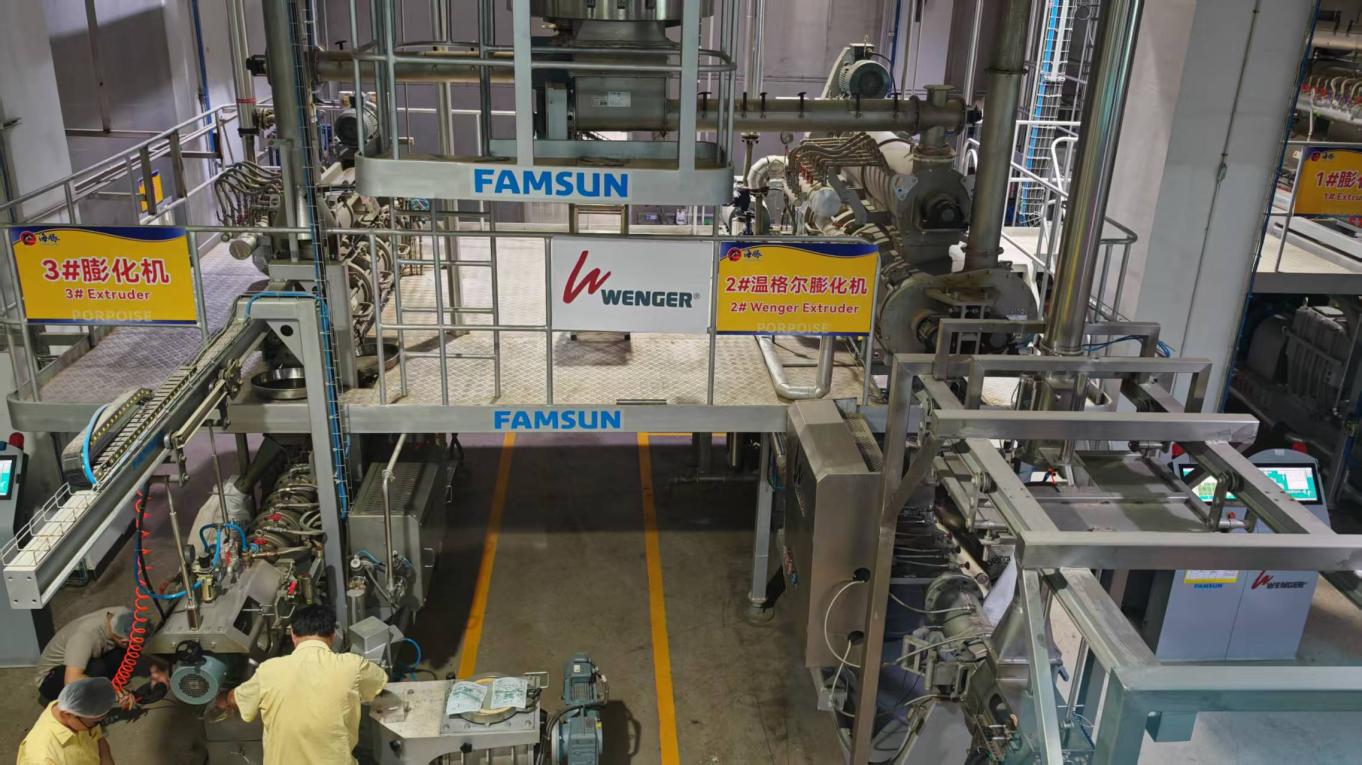
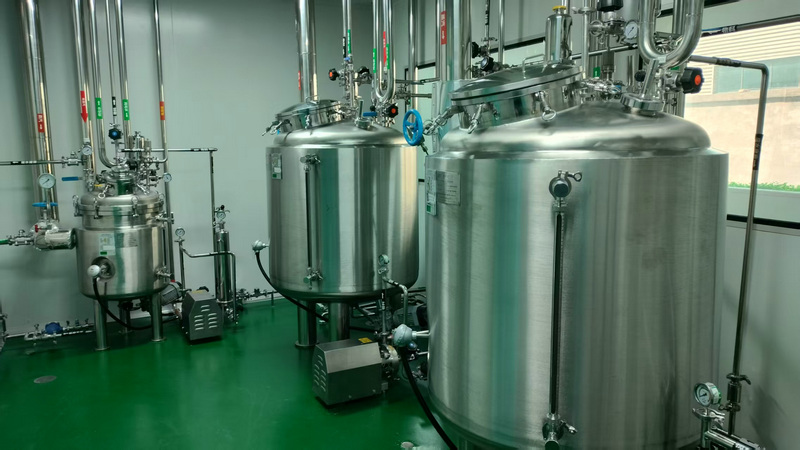
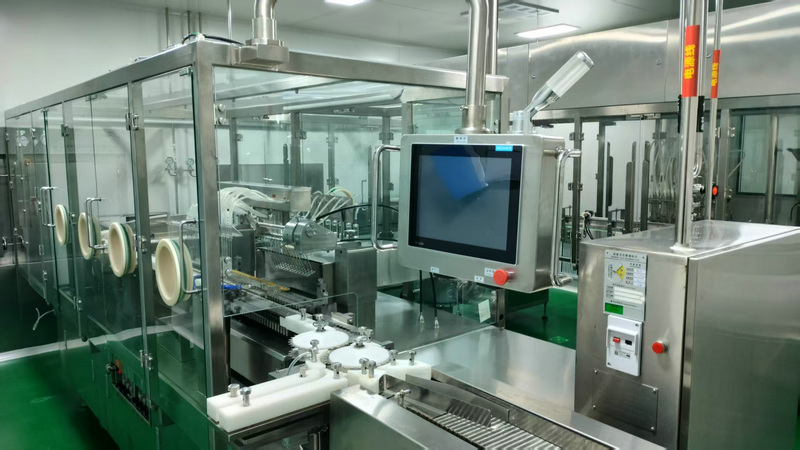
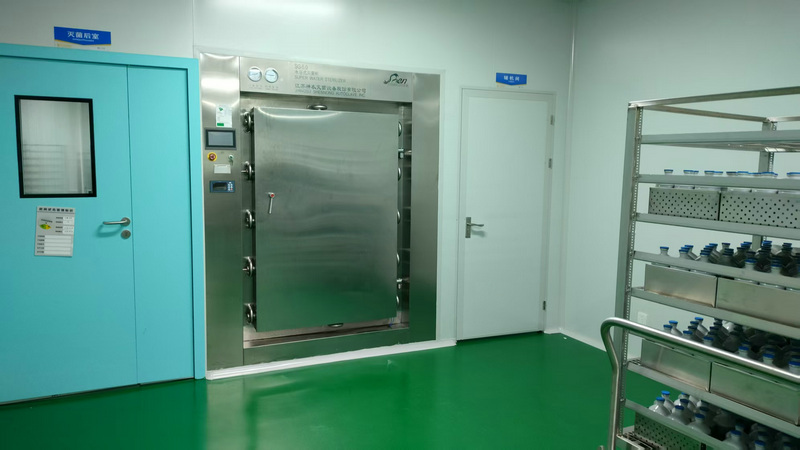
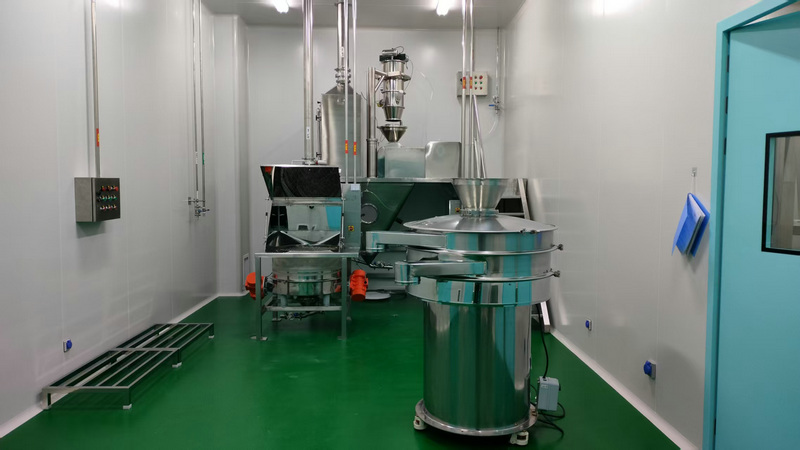
Our partnership model is built on strict quality control at every phase of production. We source high-grade raw materials and subject them to swelling activation, thermal sterilization, and fine-milling down to precise mesh distributions (100–325 mesh). These processes maximize the active surface area of the clay, ensuring rapid hydration and toxin absorption inside the animal's digestive tract. Every batch is certified free of industrial contaminants and heavy metals, meeting SFDA and international standards for veterinary safety.
We use high-purity smectite reserves characterized by high swelling indexes and high cation exchange capacity (CEC), providing a strong binding foundation.
Direct sea freight routes from Qingdao Port to Jeddah Islamic Port and King Abdulaziz Port in Dammam ensure reliable, timely deliveries to Saudi feed mills.
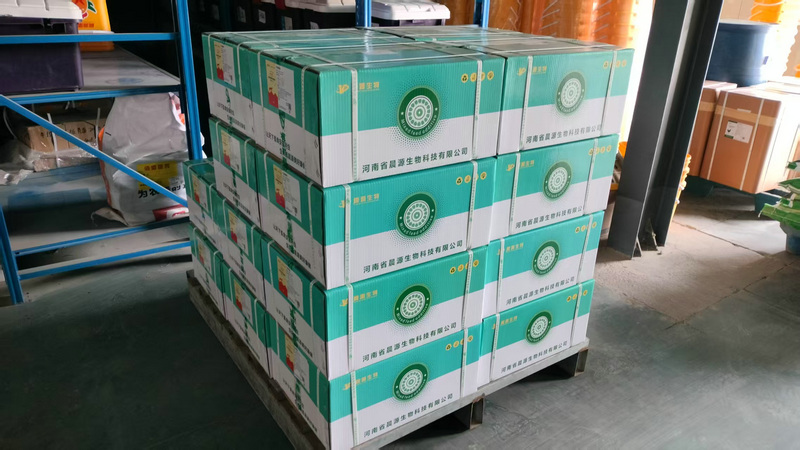
We offer customizable packaging sizes, moisture-proof liners, and variable mineral-to-probiotic ratios to meet the specific requirements of regional distributors.
Qingdao Akston Health Co., Ltd. is a manufacturer and global supplier dedicated to delivering innovative health and nutrition solutions for the animal feed industry. With a strong commitment to quality, sustainability, and continuous innovation, we provide high-performance feed additives and nutritional ingredients that support healthier livestock, improved productivity, and safer food production worldwide. Our comprehensive portfolio includes choline chloride, amino acids, vitamins, minerals, and other functional additives designed for poultry, swine, ruminants, aquaculture, and companion animals.
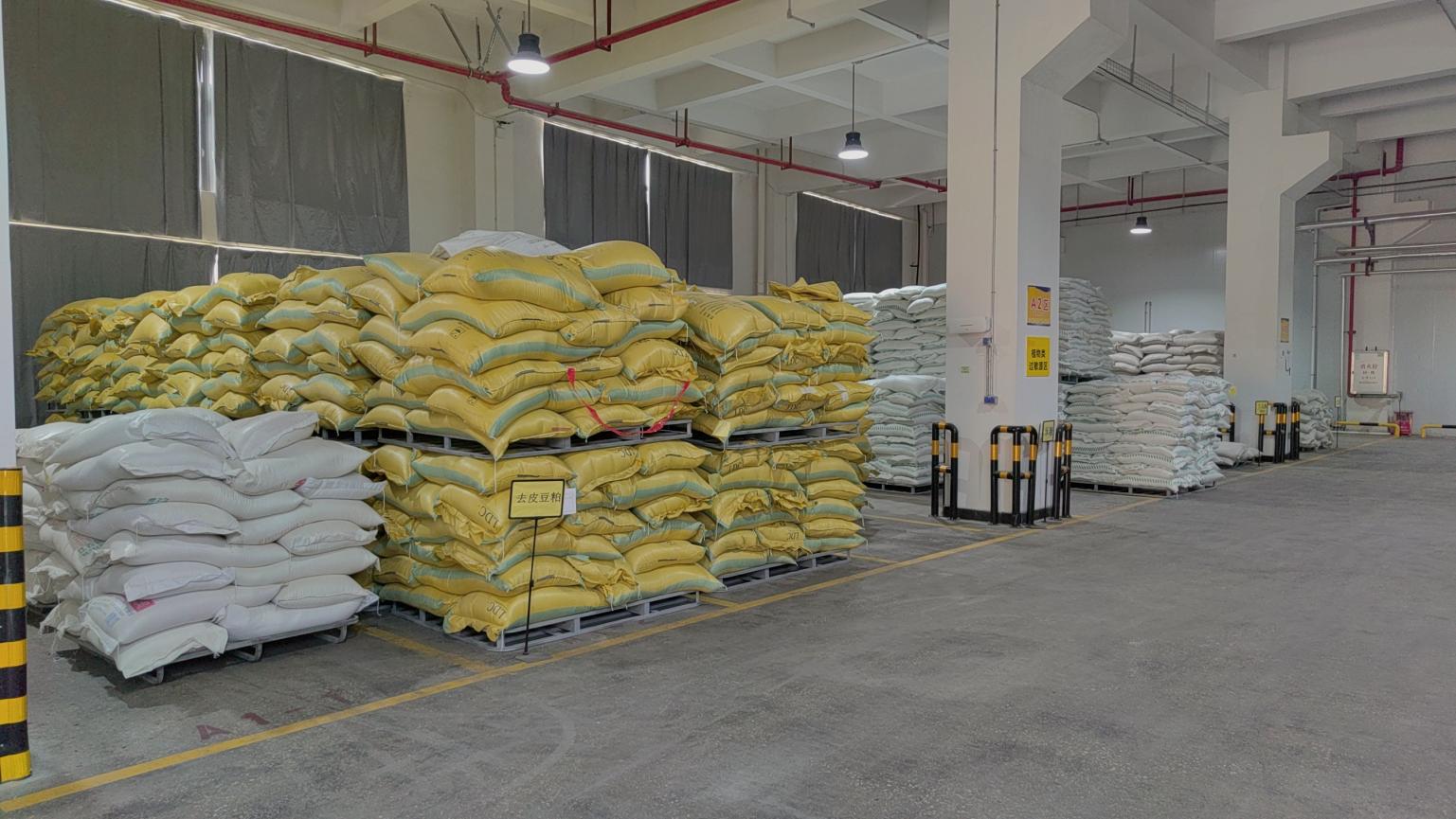
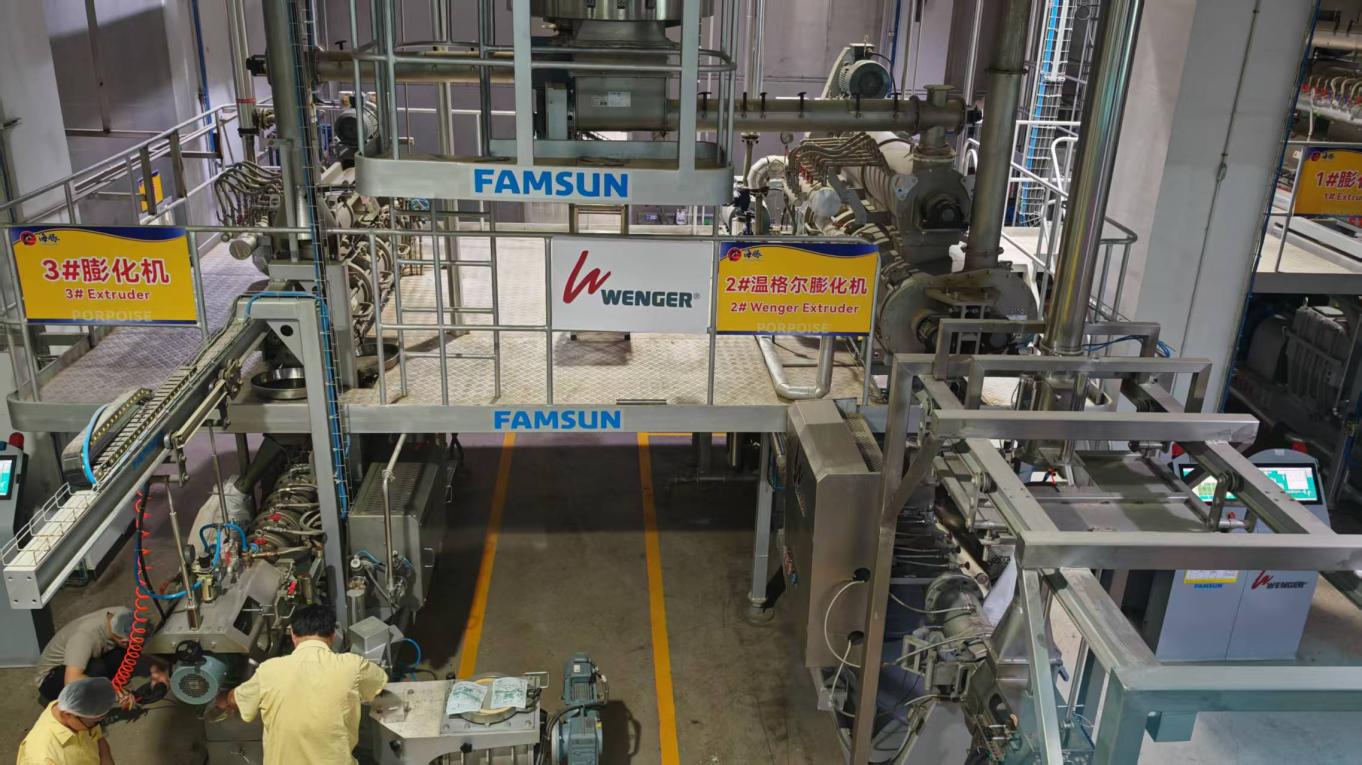
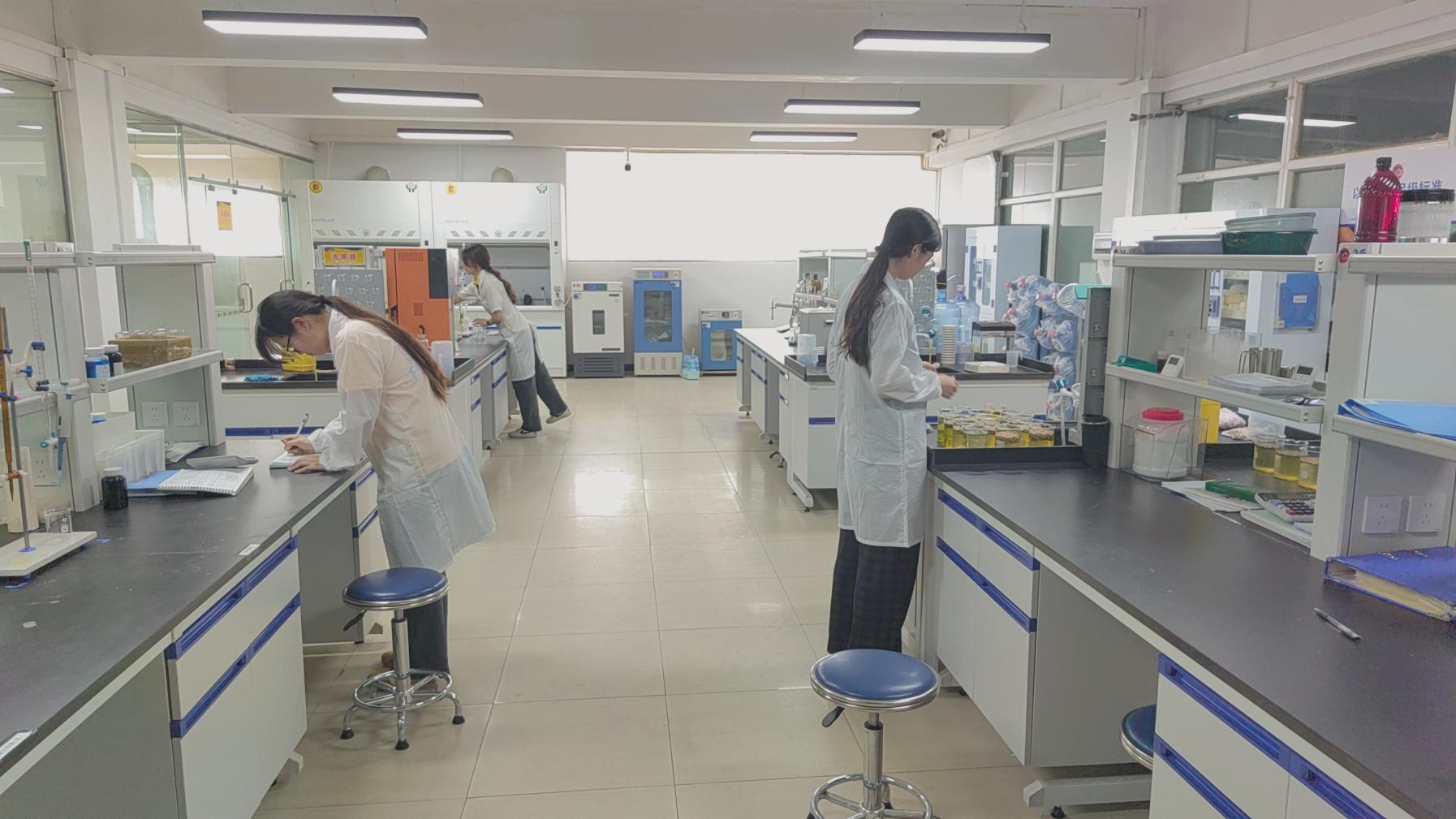

Discover our full catalog of high-purity minerals, enzymatic complexes, and species-specific mycotoxin binders designed to maintain feed hygiene and support gut health.
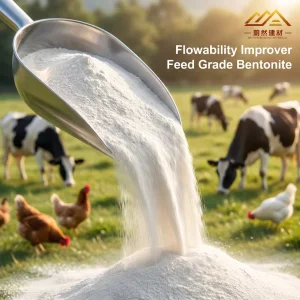
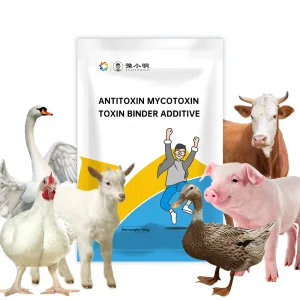
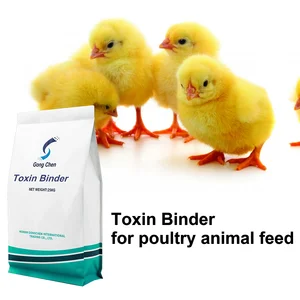
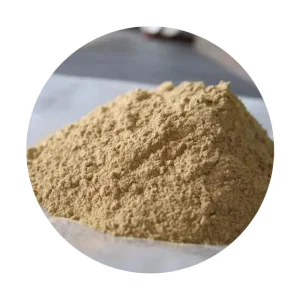
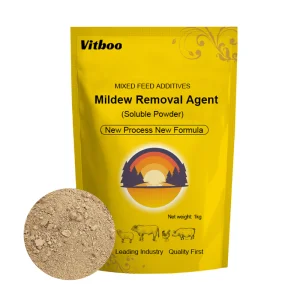
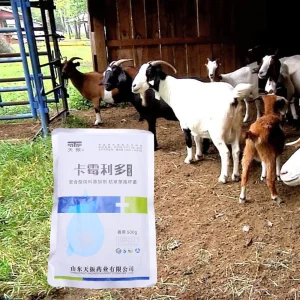
Every animal production sector requires a tailored mycotoxin management strategy. We work closely with nutritionists and feed mill managers across the Riyadh region to implement target-driven dosing programs.
Modern broiler and layer production facilities require zero-tolerance control of Aflatoxin and Ochratoxin A. Even low contamination levels can compromise immune responses and damage the intestinal lining. Incorporating our Montmorillonite Clay Binders (0.1% to 0.2% inclusion rate) helps bind toxins in the gut, supporting flock health and helping to reduce production losses.
High-yielding dairy cattle are vulnerable to Aflatoxin M1 carryover in milk, which is subject to strict regulatory oversight. Our Cardulide Ruminant Special combines active mineral adsorbents with biological agents. This dual approach helps protect rumen function and assists in maintaining milk purity, protecting both herd productivity and consumer safety.
Extruded feeds are susceptible to moisture absorption during storage in warm, humid coastal zones before arriving at inland sites. Our water-stable binders are designed to maintain physical stability during feed processing and digestion. This helps prevent early leaching of nutrients and protects aquaculture species from feed-borne toxins.
Akston Health offers customized formulations, bulk pricing configurations, and comprehensive technical support to meet the needs of feed manufacturers and commercial livestock operators. Contact our technical team for samples or customized formulation advice.
Send Inquiry Now