Akston Health
Akston Health
Akston Health
Premium adsorbents tailored for critical poultry, livestock, and aquaculture feed formulations across the Philippine archipelago.
A comprehensive analysis of agro-climatic challenges, storage logistics, and mycotoxin risks in local feed production.
The Philippines’ geographical positioning yields a continuous tropical rainforest and monsoon climate, characterized by high temperatures (mean annual temperature of 26.6°C) and elevated relative humidity ranges of 71% to 85% annually. For feed manufacturers and integrated livestock producers in provinces like Bulacan, Pampanga, and Batangas, these conditions create an optimal substrate for the proliferation of toxigenic molds. Molds such as Aspergillus flavus, Fusarium verticillioides, and Penicillium species actively synthesize hazardous secondary metabolites—known as mycotoxins—at moisture levels exceeding 13% in grains.
Unlike temperate agricultural hubs, the hot, damp atmosphere of the Philippines accelerates mold growth during field, post-harvest, and transport phases. Storage silos and bagged feed stores are highly vulnerable to localized temperature variations, causing condensable water droplets to collect inside storage containers. This dynamic is a major trigger for rapid fungal spore germination and subsequent toxin release.
The Philippine feed manufacturing chain depends on a mix of local harvests and imported grains. Local yellow corn, widely cultivated in Isabela, Bukidnon, and the Cagayan Valley, often experiences variable drying times post-harvest, leaving it susceptible to contamination. Compounding this is the widespread use of copra meal (coconut cake), a locally abundant protein source that is highly hydroscopic and prone to deep-seated Aflatoxin B1 contamination.
Additionally, wheat and soybean meal imported from the Americas are subjected to long transit times across marine routes, during which thermal shifting inside ship cargo holds can induce sweating and mold development. Once these ingredients reach local feed mills, they carry latent toxic loads that impair animal growth, compromise immunity, and increase mortality rates if left untreated.
Sub-clinical mycotoxicosis is the most persistent profit-killer in local animal husbandry, presenting via subtle symptoms that often go unnoticed until profits drop.
Understanding how different mycotoxin binder formulations respond to polar and non-polar toxins in the digestive tract.
Montmorillonite and bentonite clays exhibit high affinity for polar mycotoxins, specifically Aflatoxins. Interlayer cations draw the hydrophilic toxin molecules into the clay’s planar structures, creating a stable toxin-clay complex that passes safely through the animal. This prevents system absorption without binding essential dietary vitamins and minerals.
Derived from processed Saccharomyces cerevisiae cell walls, Mannan-Oligosaccharides (MOS) and beta-glucans target larger, non-polar mycotoxins like Zearalenone (ZEA) and Ochratoxin A (OTA). The structural network traps these non-polar molecules through hydrogen bonds and Van der Waals interactions, reducing reproductive and renal pathopathology.
Certain toxins, like Deoxynivalenol (DON) and Fumonisins (FUM), feature complex chemical structures that resist physical adsorption. Advanced formulations use bio-active enzymes and probiotic organisms, such as Bacillus subtilis strains, to cleave the functional toxic rings (epoxide or ester bonds) before the molecules cross the intestinal barrier.
| Mycotoxin Target | Primary Source Fungi | Polarity Status | Recommended Binder Medium | Efficacy Rate |
|---|---|---|---|---|
| Aflatoxin B1 (AFB1) | Aspergillus flavus | Highly Polar | Modified Montmorillonite / Bentonite Clay | > 95% |
| Zearalenone (ZEA) | Fusarium graminearum | Non-Polar | Yeast Cell Wall (Glucan-MOS Matrix) | 80% - 90% |
| Ochratoxin A (OTA) | Penicillium / Aspergillus | Moderately Polar | Organo-clays & Yeast Cell Walls | 85% - 92% |
| Fumonisin B1 (FB1) | Fusarium verticillioides | Low Polarity | Enzymatic Degraders / Bacillus probiotics | 78% - 88% |
| Deoxynivalenol (DON / Vomitoxin) | Fusarium culmorum | Non-Polar | Biological Degraders (Epoxidases) | 75% - 85% |
Explore custom-blended toxin detoxifiers developed to address specific livestock sensitivities and production conditions.
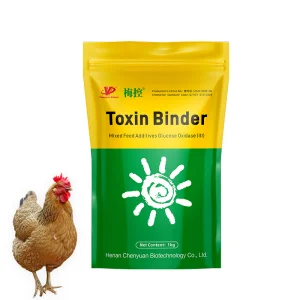
How China's raw material reserves and efficient logistics support cost-effective feed safety programs in the Philippines.
China is home to some of the world's largest high-grade calcium and sodium bentonite deposits. This abundant mineral source enables manufacturers to supply highly active, raw montmorillonite clay. Using advanced extraction techniques, dry-processing, and thermal modification methods, Chinese factories refine the raw clay to increase its cation exchange capacity (CEC) and swelling index. These modifications ensure optimal binding performance when added to feed mills.
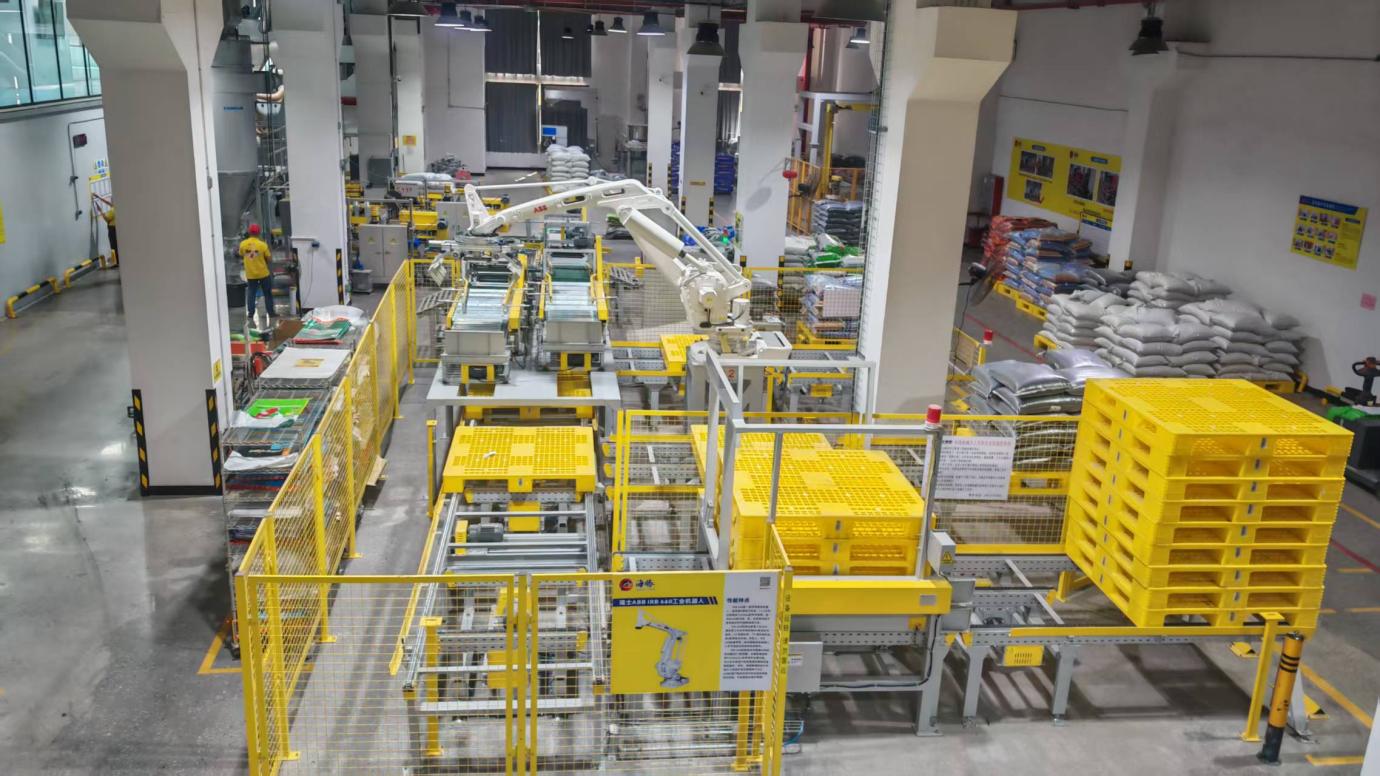
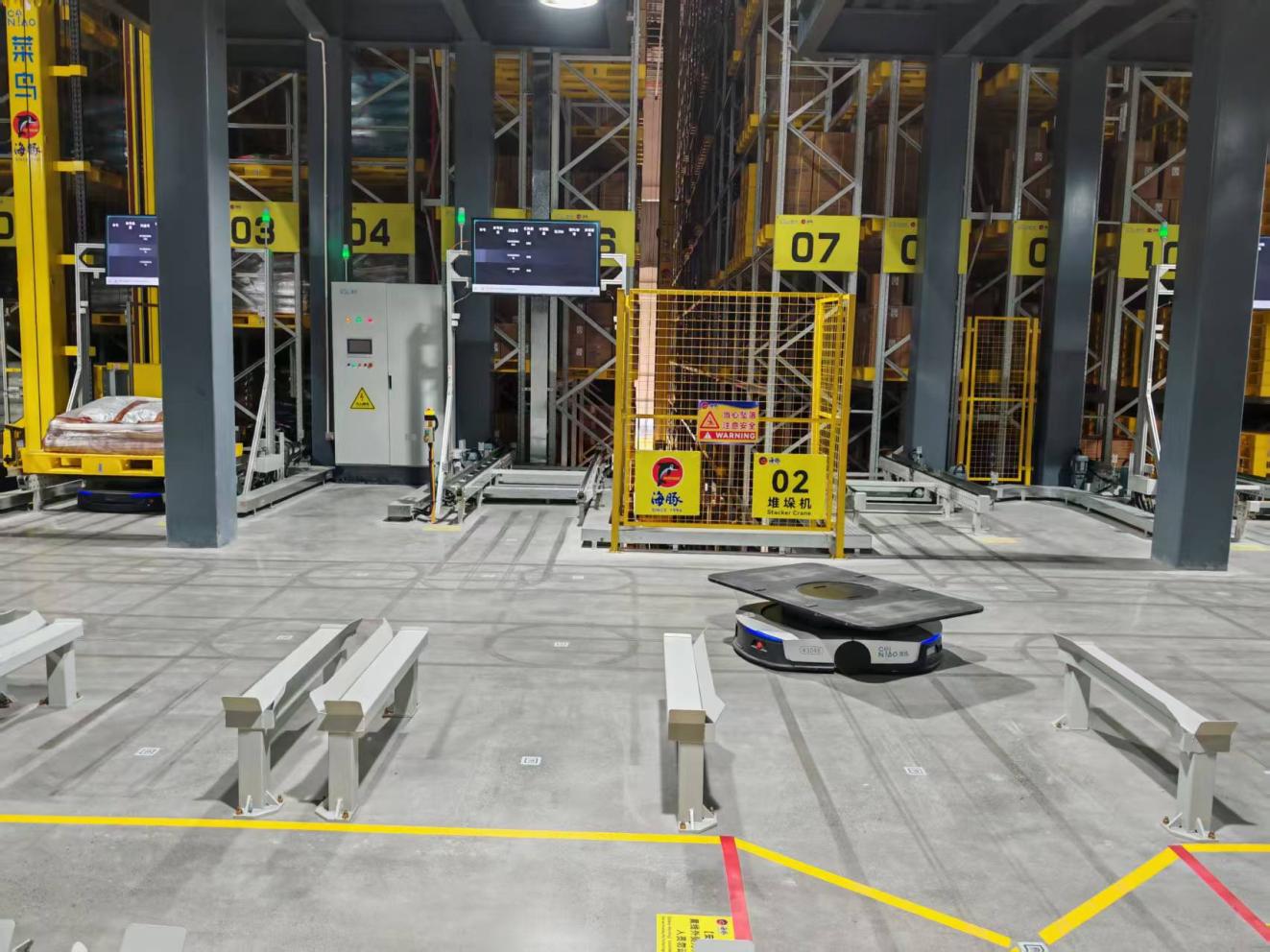
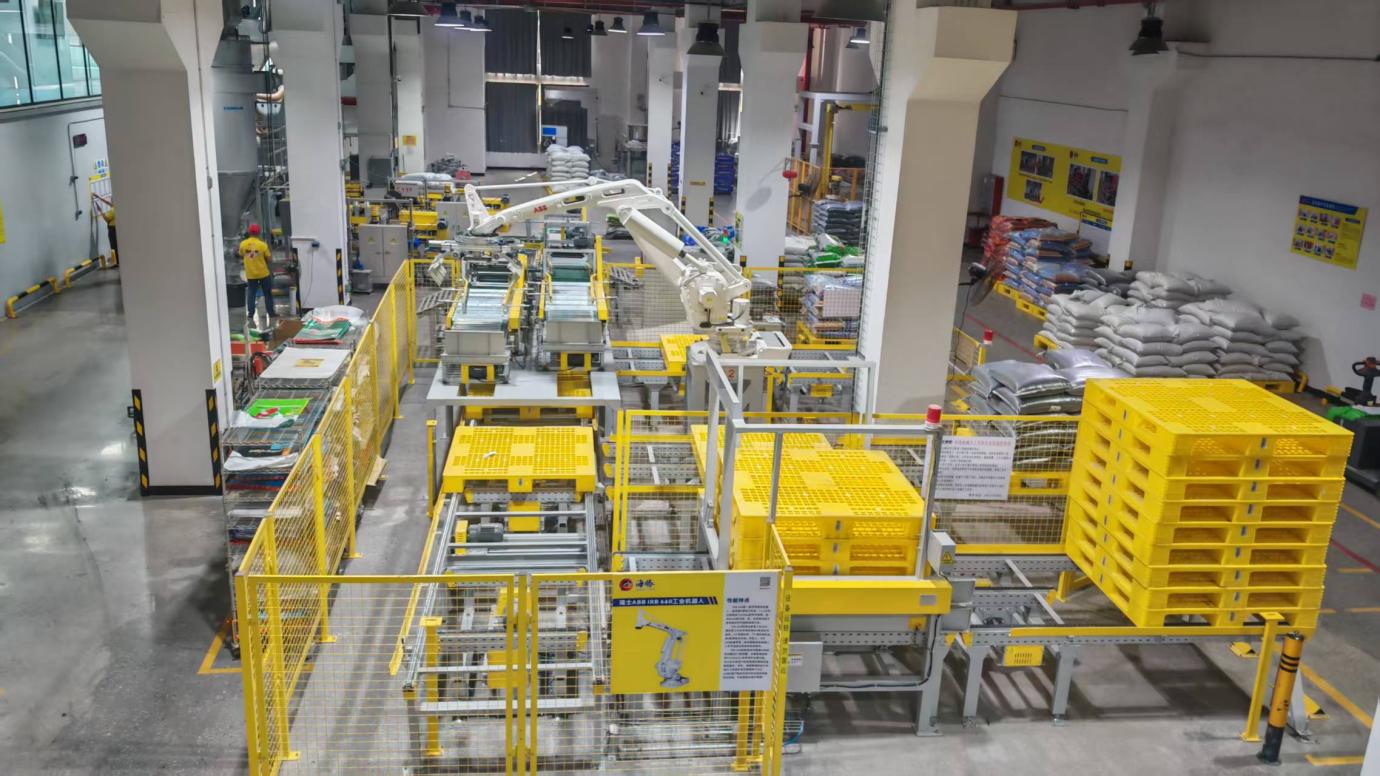
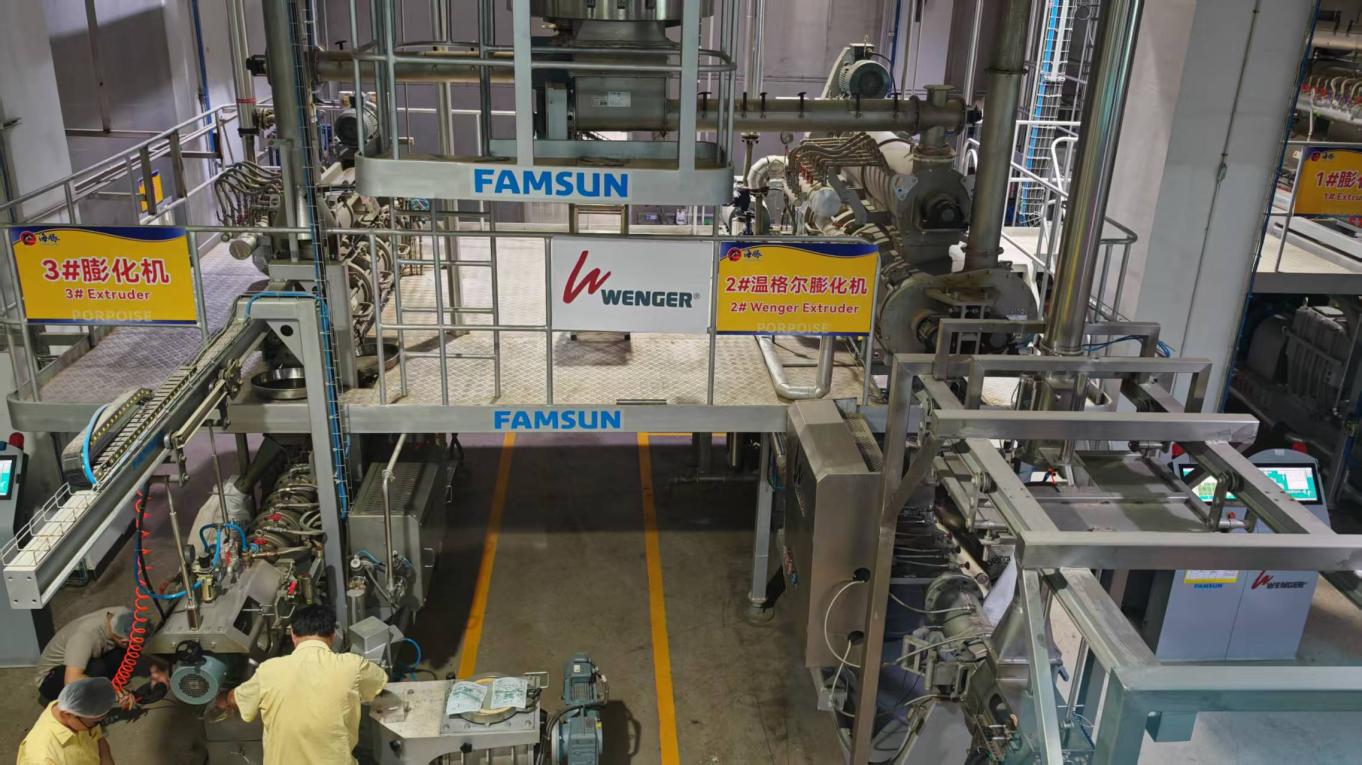
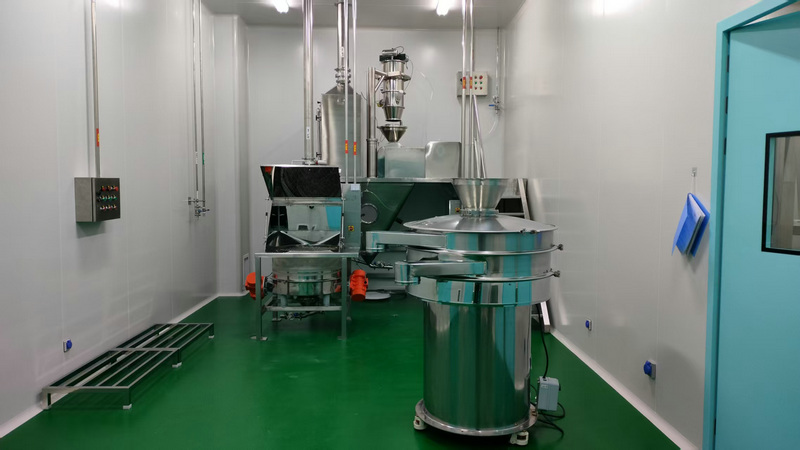
Operating out of industrial zones like Qingdao, manufacturing lines are fully automated to run continuous purification, swelling activation, and fine grinding processes. This automated approach ensures consistent particle sizes, typically within 100 to 325 mesh. Fine sizing is essential for uniform distribution throughout finished feed rations, preventing the separation of heavy mineral clays from lighter feed particles during transport.
For procurement managers at feed operations in Luzon, Visayas, and Mindanao, maintaining lean inventories requires predictable, cost-effective shipping schedules. The proximity between major Chinese shipping hubs like Qingdao and key Philippine ports reduces transit times compared to sourcing from European or North American manufacturers.
Direct maritime routes to Manila, Cebu, and Davao yield transit windows of 7 to 12 days, reducing the risk of supply disruptions during seasonal peak demands. Additionally, shipping in standardized 20ft/40ft container configurations, protected by heavy-gauge moisture-proof packaging, helps prevent raw clays from absorbing ambient sea humidity during shipping. This ensures the product arrives with its binding capacity fully intact.
A trusted global supplier of animal feed additives and targeted nutritional formulations.
Qingdao Akston Health Co., Ltd. is a trusted manufacturer and global supplier dedicated to delivering innovative health and nutrition solutions for the animal feed industry. With a strong commitment to quality, sustainability, and continuous innovation, we provide high-performance feed additives and nutritional ingredients that support healthier livestock, improved productivity, and safer food production worldwide.
Our comprehensive product portfolio includes choline chloride, amino acids, vitamins, minerals, and other functional feed additives designed to meet the nutritional requirements of poultry, swine, ruminants, aquaculture, and companion animals. Our science-based formulations help optimize animal growth, enhance immune function, improve feed efficiency, and contribute to reducing the reliance on antibiotics in modern livestock production.
At Akston Health, quality is the foundation of everything we do. We work closely with qualified manufacturing partners and implement strict quality control systems throughout sourcing, production, and logistics to ensure every product meets international standards. Our experienced technical team also provides customized solutions and professional support to help customers achieve better production performance and sustainable business growth.
Driven by integrity, innovation, and customer satisfaction, Qingdao Akston Health Co., Ltd. has established long-term partnerships with clients across Asia, Europe, the Middle East, Africa, and the Americas. We are committed to creating lasting value through reliable products, competitive pricing, efficient supply chain management, and responsive customer service.
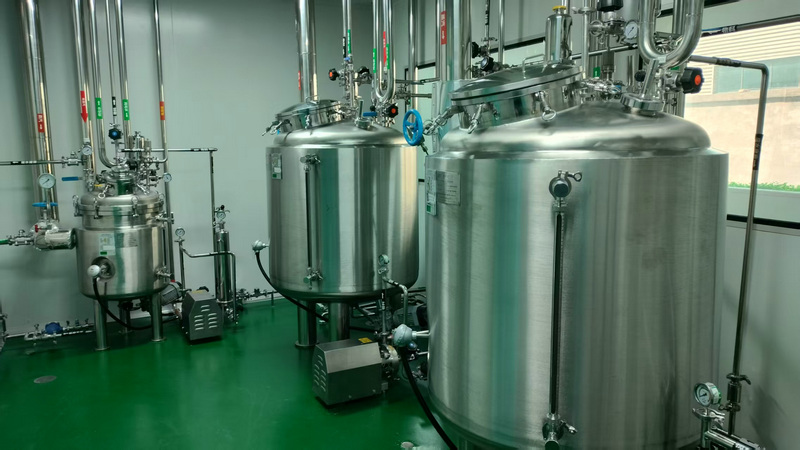
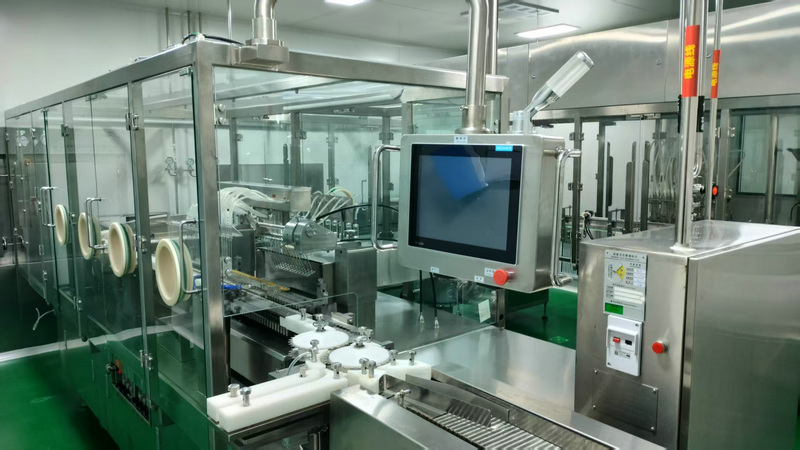
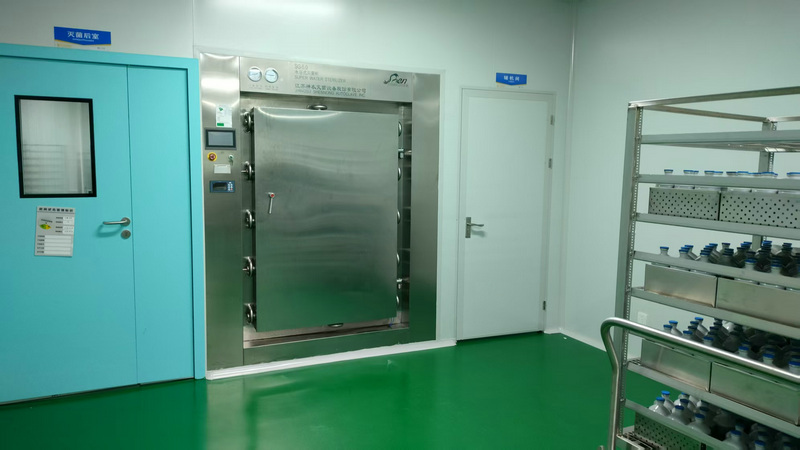
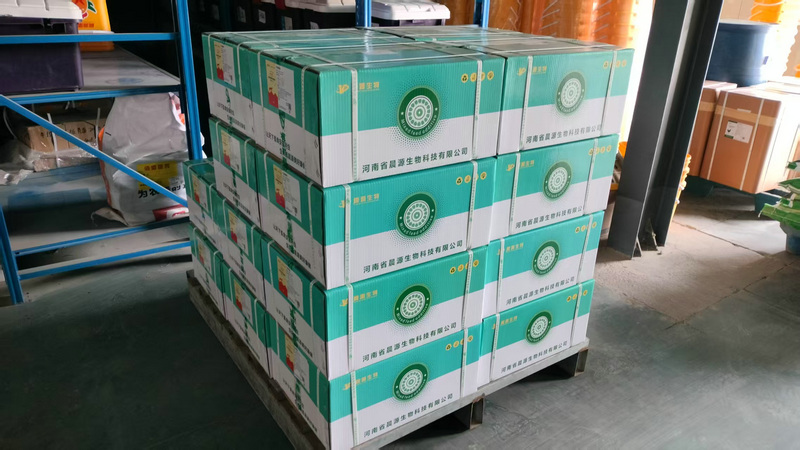
Interactive overview of our production line, showcasing processing, swelling, sterilization, and automated packing workflows.
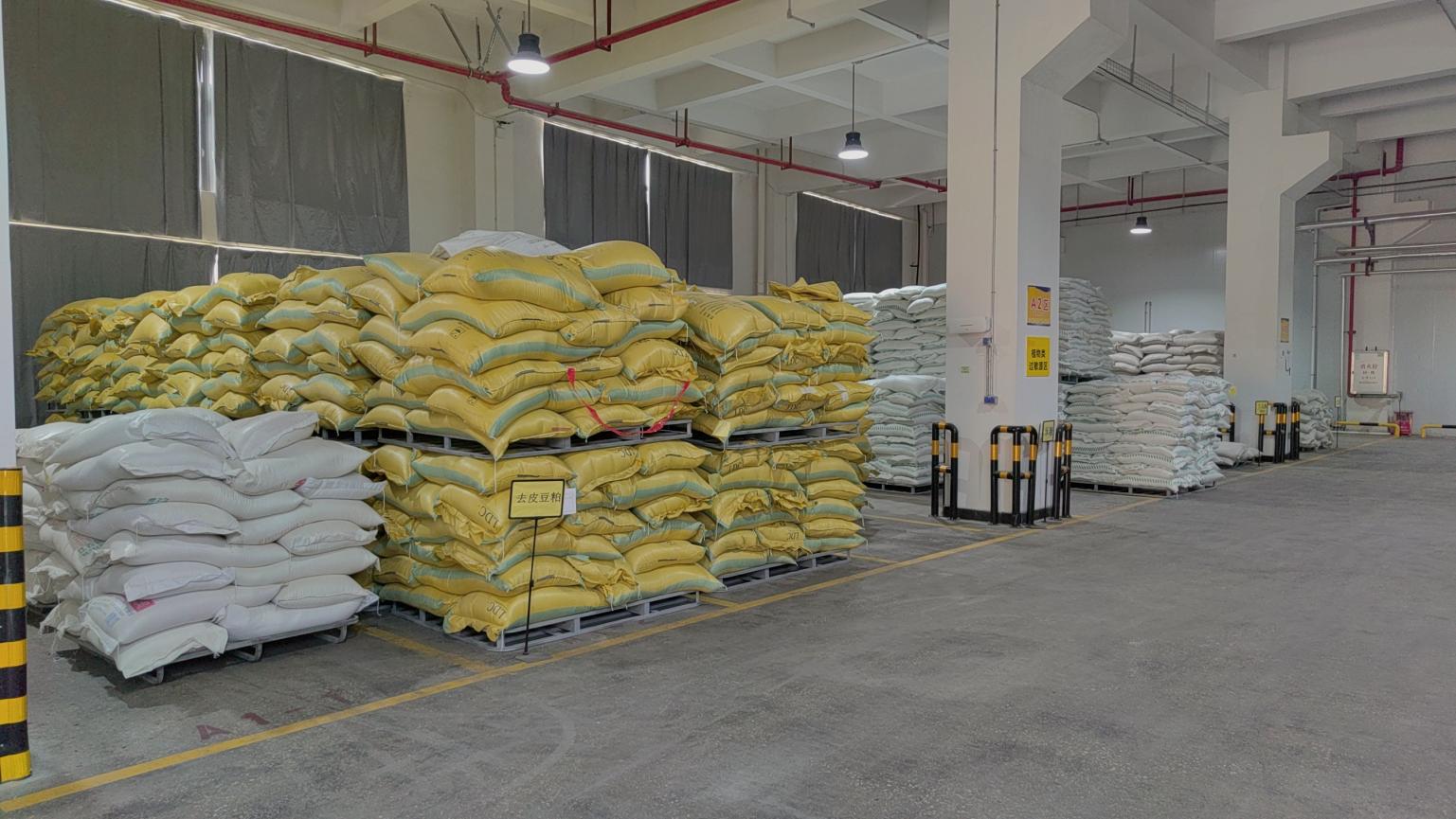
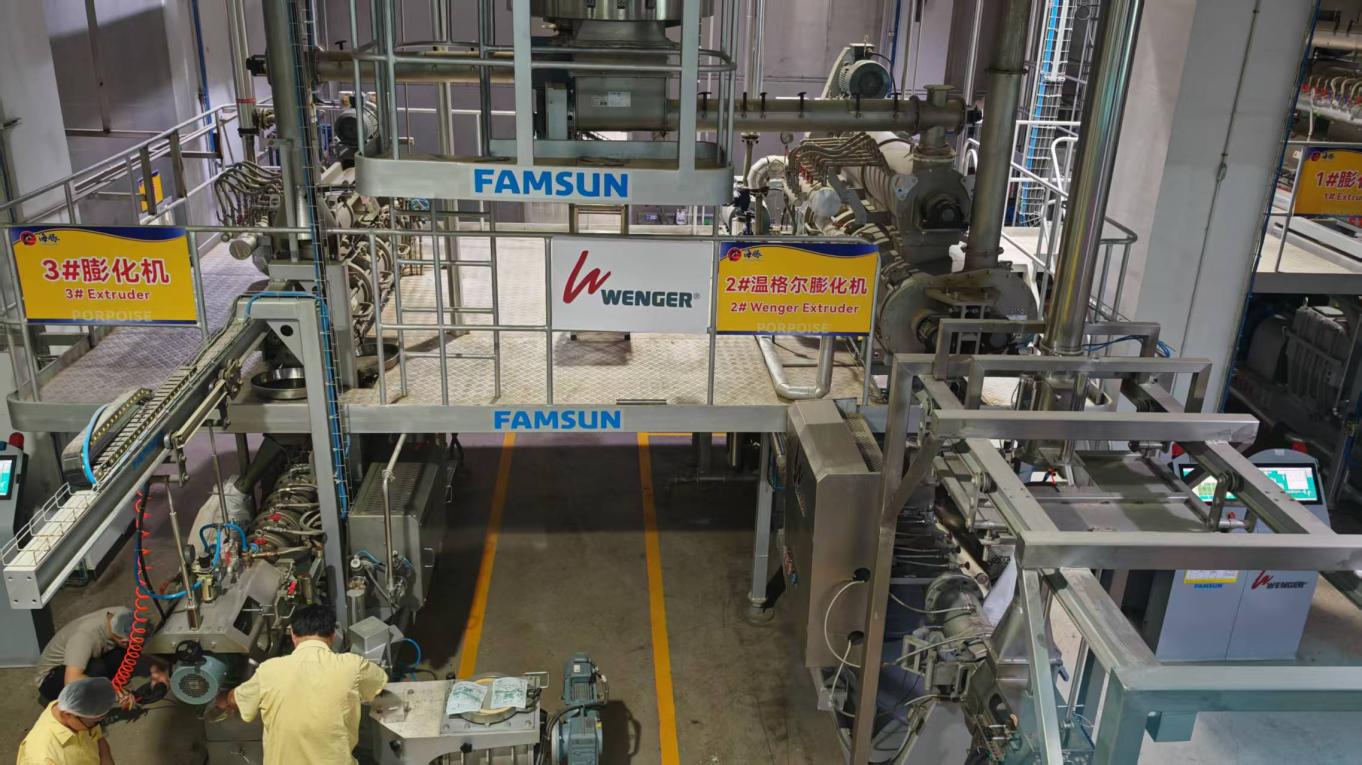
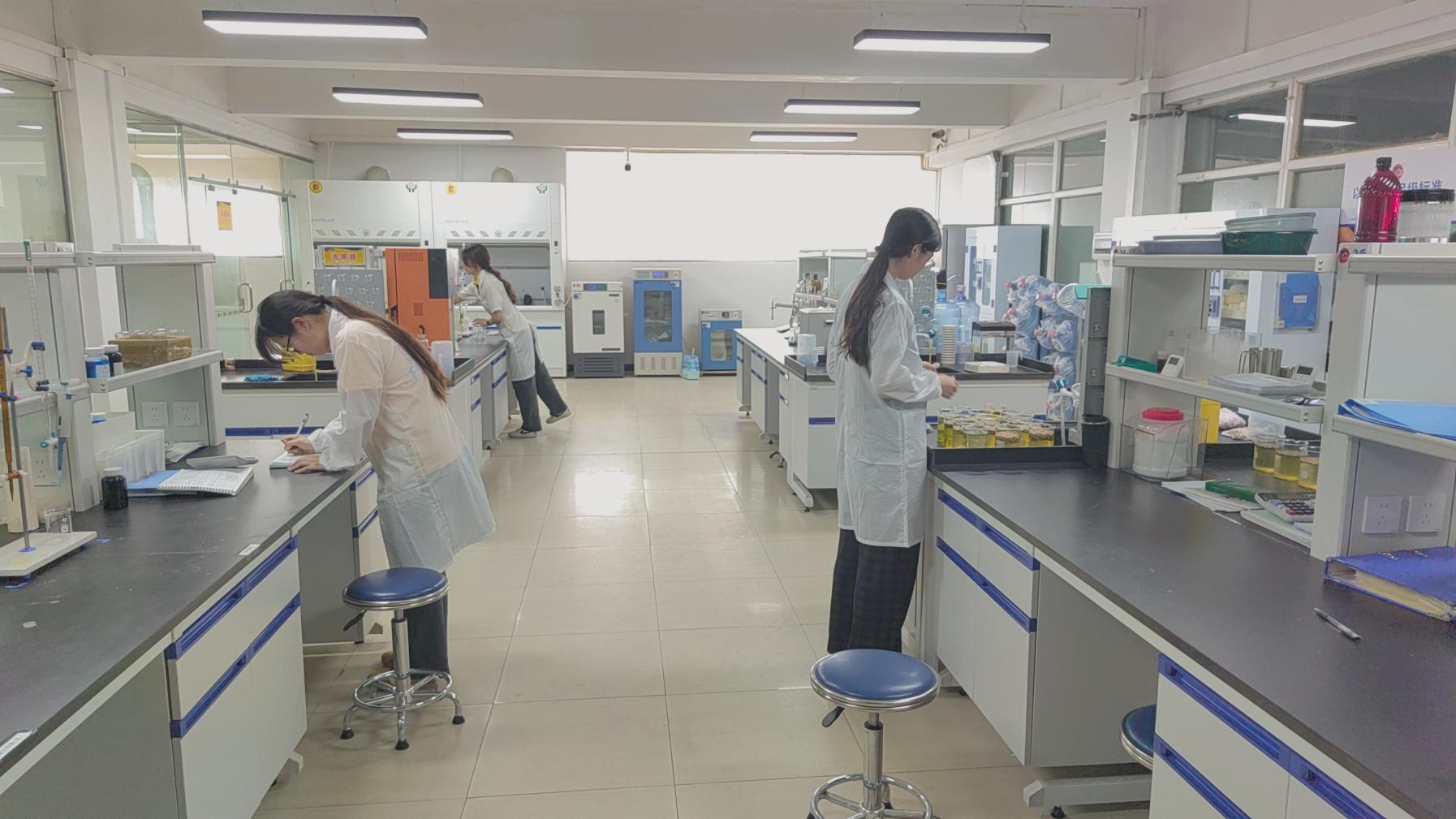
Tailoring inclusion rates and formulation matrices to match regional animal husbandry requirements.
Breeding herds are highly sensitive to Zearalenone (ZEA) contamination, which causes reproductive issues, including pseudopregnancies and smaller litters. We recommend a compound application using modified montmorillonite clay combined with yeast cell wall fractions. This blend helps prevent reproductive issues and reduces feed refusal in grow-finish units, supporting targeted Average Daily Gain (ADG).
Poultry are highly susceptible to chronic Aflatoxicosis, which can impair liver function and reduce eggshell thickness in layer strains. Adding purified bentonite binders to local feeds helps preserve liver function and maintains feed efficiency. This supportive approach is key to achieving targeted egg weight standards under tropical conditions.
Warm-water fish feeds, such as those for Tilapia and Milkfish (Bangus), are vulnerable to mold issues from long storage times in coastal warehouses. Sinking or floating pellets must remain stable in water while continuing to bind toxins. Formulating with high-purity montmorillonite and bentonite clays stabilizes the pellets without affecting nutrient bioavailability.
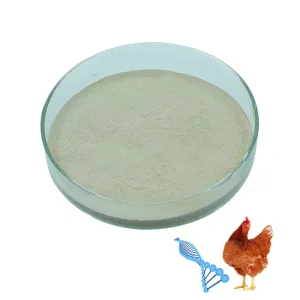
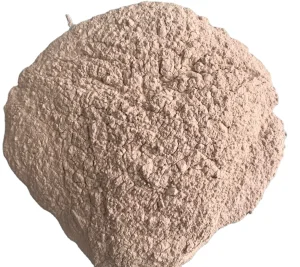
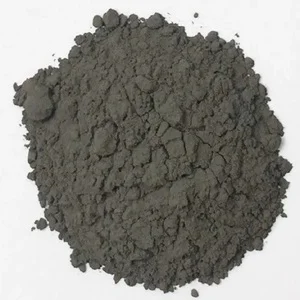
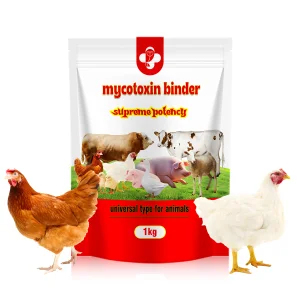
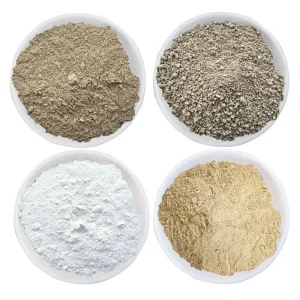
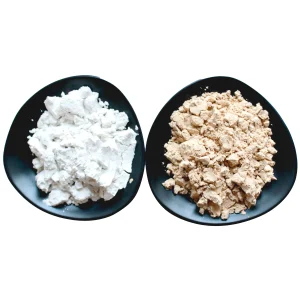
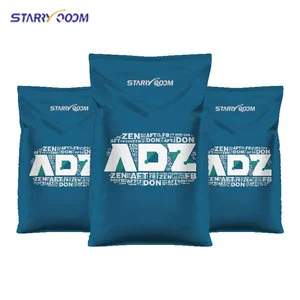
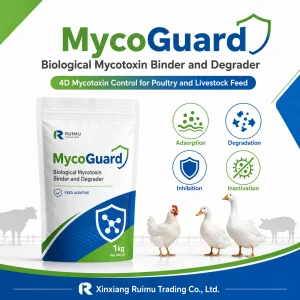
Complete selection of feed binders and flow agents, keeping all original product variants to meet diverse formulation demands.
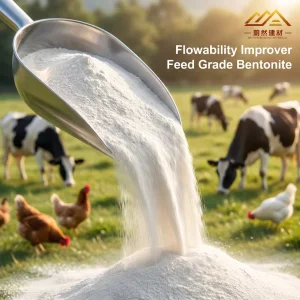
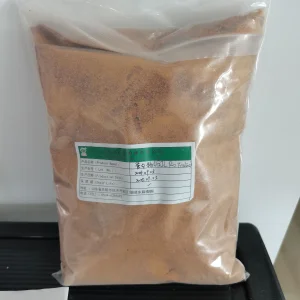
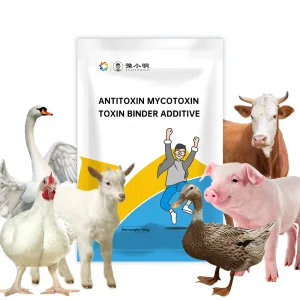
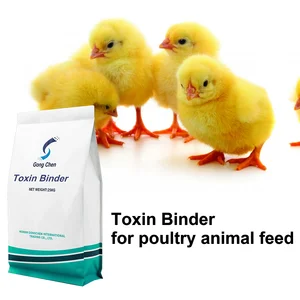
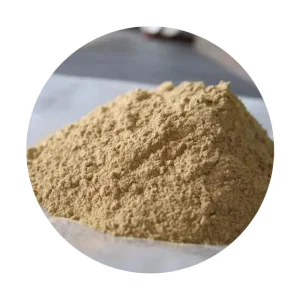

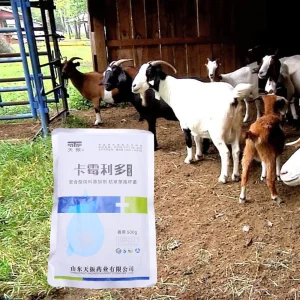
Key technical specifications that Philippine feed millers must evaluate when sourcing bulk mycotoxin binders.
The binding efficiency of bentonite and montmorillonite clays depends directly on their Cation Exchange Capacity. Higher CEC values, typically above 65 meq/100g, indicate a greater concentration of active exchange sites, which improves the clay's ability to bind polar Aflatoxins in the gastrointestinal tract.
Selecting the correct particle size (100–325 mesh) ensures uniform distribution throughout the feed mix. If the particle size is too coarse, the clay can separate during transport and storage; if it is too fine, it can create dust issues inside the feed mill, affecting flowability.
Procurement teams should request laboratory data demonstrating binder stability across a range of pH levels, particularly in acidic conditions (pH 2.0 to 3.0) simulating the gastric environment, as well as in neutral conditions (pH 6.8 to 7.4) simulating the intestinal tract.
Feed-grade mineral binders must be certified free from dioxins, polychlorinated biphenyls (PCBs), and heavy metals. Heavy metal levels must comply with international safety standards (Lead < 10 ppm; Arsenic < 2 ppm) to prevent toxic residues in livestock tissue.
Technical guidance and product support for livestock producers and feed manufacturers in the Philippines.
Get in touch with our technical team to request product samples, test reports, and customized pricing for the Philippine market.
Send Inquiry Now