Akston Health
Akston Health
Akston Health
Providing high-performance, clinical-grade toxin binders and enzymatic bio-degraders optimized for Panama's tropical climate and import-heavy feed supply chain. Secure poultry, aquaculture, and swine bio-security.
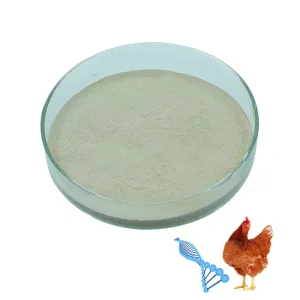
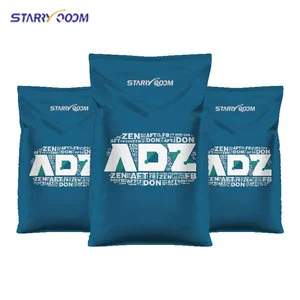
Engineered for high humidity stability, these primary formulations address heavy multi-toxin contamination (Aflatoxins, Fumonisins, and ZEN) in tropical animal farming.
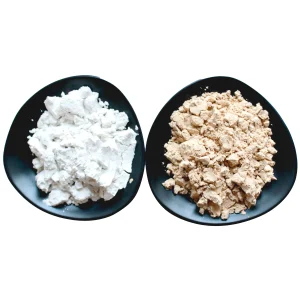
Analyzing geographical, logistical, and climatic risk parameters impacting feed safety and livestock growth across Panamanian provinces.
Panama's tropical climate features relative humidity levels constantly exceeding 80% and temperatures averaging 27°C–32°C. These conditions trigger rapid spore germination of Aspergillus and Fusarium species, elevating toxin contamination during storage.
As a global maritime hub, Panama imports substantial quantities of yellow corn and soybean meal from North and South America. Extended vessel queuing and port storage raise raw material susceptibility to moisture absorption and hot-spotting.
Key livestock regions such as Chiriquí (dairy and beef), Panama Oeste (poultry production), and Coclé (swine and aquaculture) require high-stability feed supplements to avoid critical drops in feed conversion ratios (FCR).
The agricultural economy in Panama operates under strict sanitary inspections managed by the Ministerio de Desarrollo Agropecuario (MIDA). Outbreaks of subclinical mycotoxicosis lead to gut integrity loss, immunosuppression, vaccine failure, and high mortality in poultry flocks and swine farms. Feed mills across Panama cannot rely on standard raw clay; they require purified, high-cation-exchange montmorillonite and enzymatic deactivators capable of operating across a wide pH range inside the animal’s digestive tract.
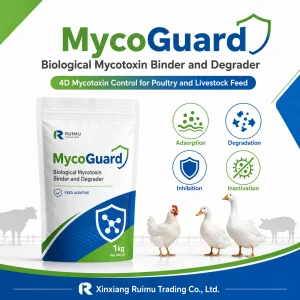
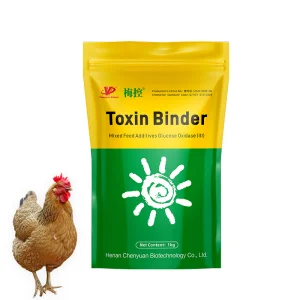
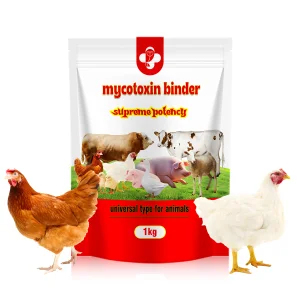
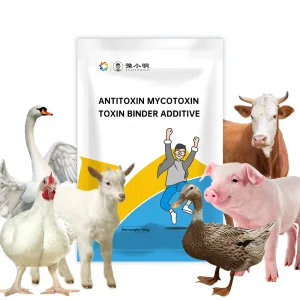
Polar toxins like Aflatoxin B1 are easily targeted by the molecular grid of modified bentonite. However, non-polar toxins like Zearalenone (ZEN) and Fumonisins (FUM) escape clay binding. Akston Health resolves this through a dual mechanism: high-purity mineral adsorption combined with Bacillus subtilis metabolic enzymes that break down toxic lactone rings and epoxide groups into non-toxic metabolites.
| Mycotoxin Class | Common Feed Source (Panama) | Primary Mitigation Pathway | Recommended Akston Solution |
|---|---|---|---|
| Aflatoxins (AFB1) | Imported Corn, Cottonseed Meal | Interlayer Mineral Adsorption | Montmorillonite / Premium Bentonite Clay |
| Fumonisins (FUM) | Maize & Maize By-products | Biological Degradation + Mineral Binding | Probiotics & Enzyme Degrader Powder |
| Zearalenone (ZEN) | Soybean Meal, Wheat Bran | Enzymatic Esterase Cleavage | Bacillus Subtilis Enzyme Complex |
| Ochratoxins (OTA) | Stored Mixed Feeds | Dual-Action Biosorption | CY Toxin Binder & Gastritis Preventive |
Understanding the molecular properties of clay swelling and enzyme kinetics under tropical heat stress.
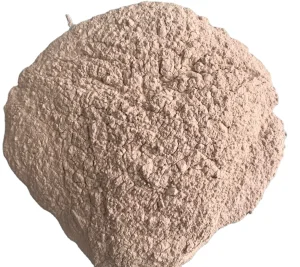
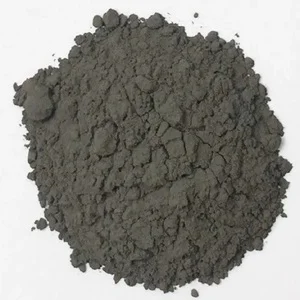
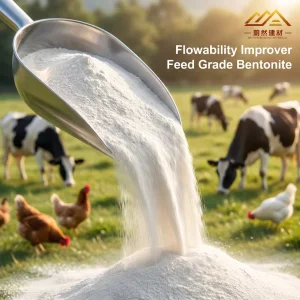
In humid maritime zones, feed formulation requires high flowability to prevent bridging in silos. Standard clays can aggregate, causing uneven dispersion in finished feed. Our WR series bentonite undergoes thermal modification and mechanical milling to keep it free-flowing. It integrates into premixes without absorbing essential trace minerals, vitamins, or amino acids, preserving the feed's nutritional value.
A trusted global supplier of animal feed additives, supporting bio-security and livestock performance through advanced manufacturing processes.
Qingdao Akston Health Co., Ltd. is a dedicated manufacturer and global supplier of health and nutrition solutions for the animal feed industry. With a focus on quality, sustainability, and technical innovation, we provide high-performance feed additives and nutritional ingredients that support healthier livestock, improved productivity, and safer food production worldwide.
Our product portfolio includes choline chloride, amino acids, vitamins, minerals, and other functional feed additives designed to meet the nutritional requirements of poultry, swine, ruminants, aquaculture, and companion animals. Our formulations help optimize animal growth, support immune function, improve feed efficiency, and contribute to reducing reliance on sub-therapeutic antibiotics in modern livestock production.
At Akston Health, quality is our foundation. We work closely with manufacturing partners and implement strict quality control systems throughout sourcing, processing, and logistics to meet international feed safety standards. Our technical team provides customized solutions and support to help customers improve production performance and sustainable business growth.
Driven by integrity and customer satisfaction, Qingdao Akston Health Co., Ltd. has established long-term partnerships with clients across Asia, Europe, the Middle East, Africa, and the Americas. We are committed to creating lasting value through reliable products, competitive pricing, efficient supply chain management, and responsive customer service.
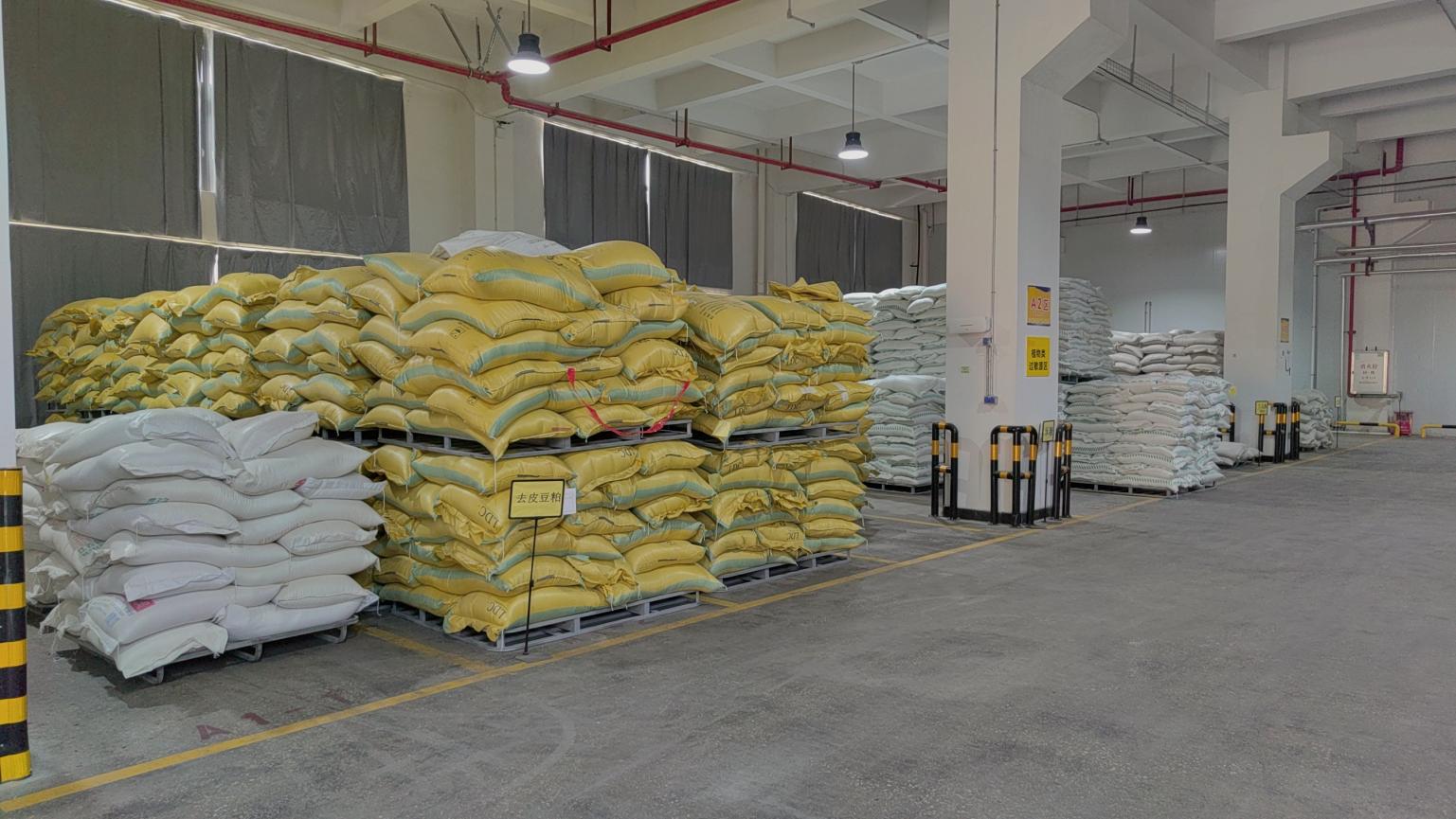
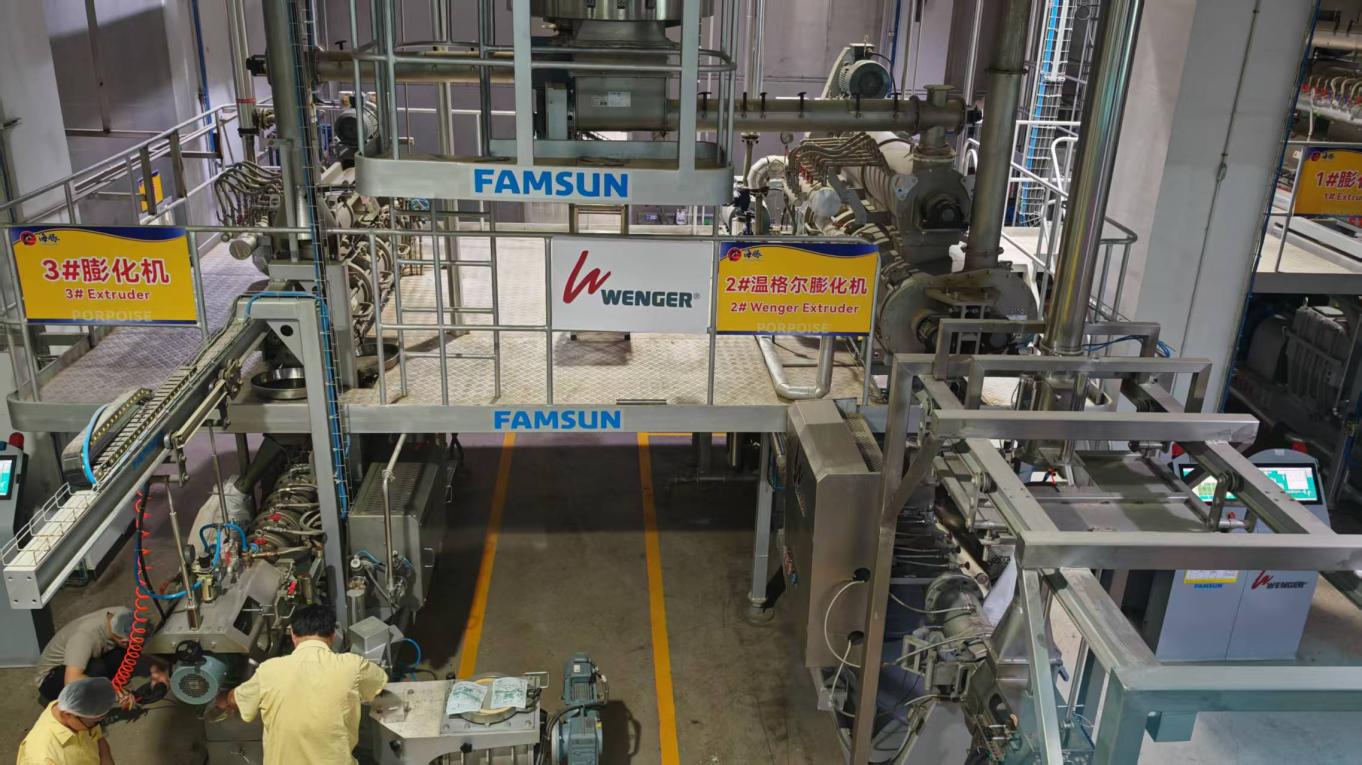
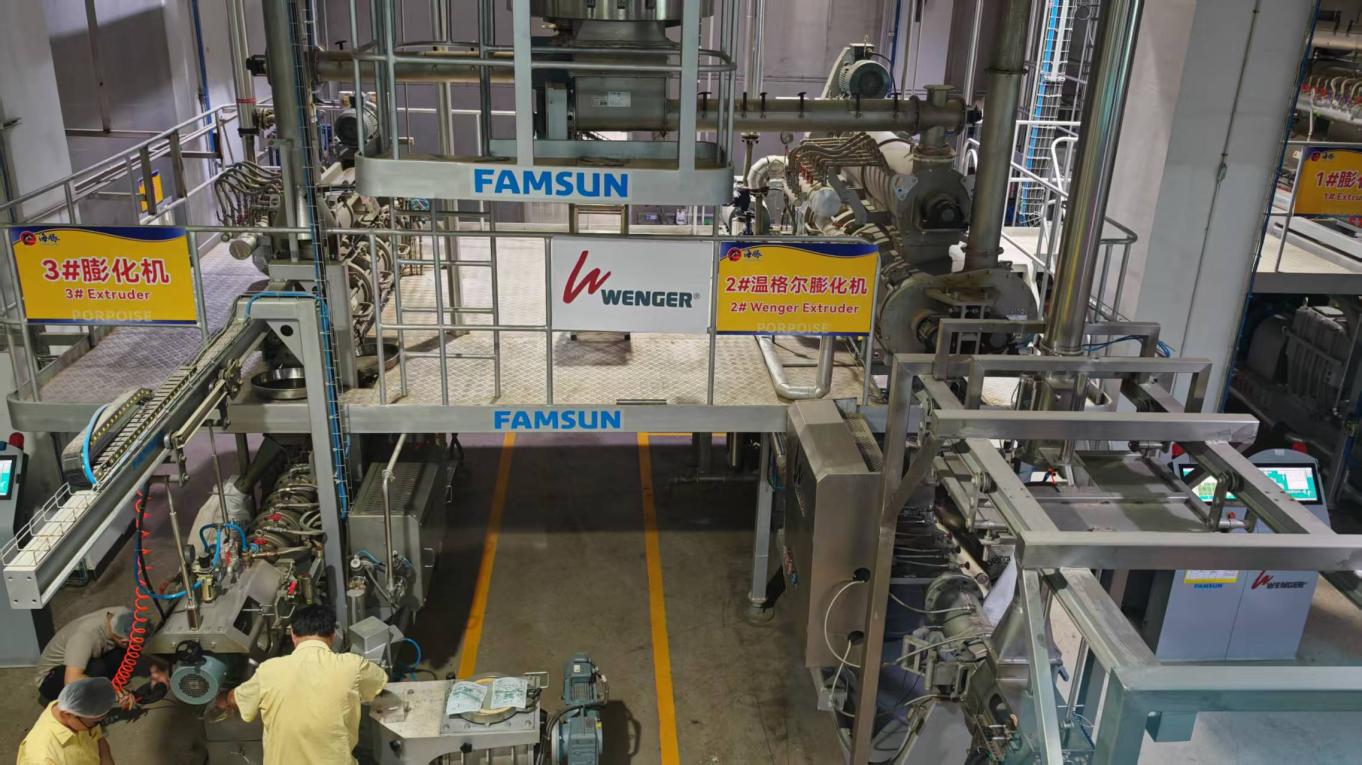
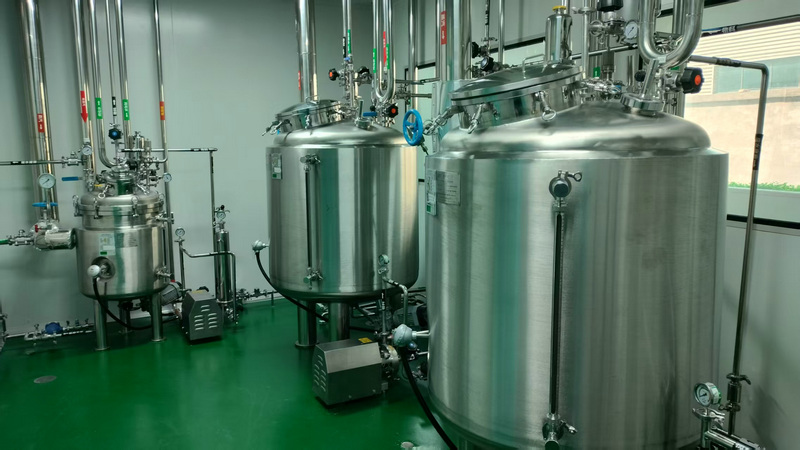
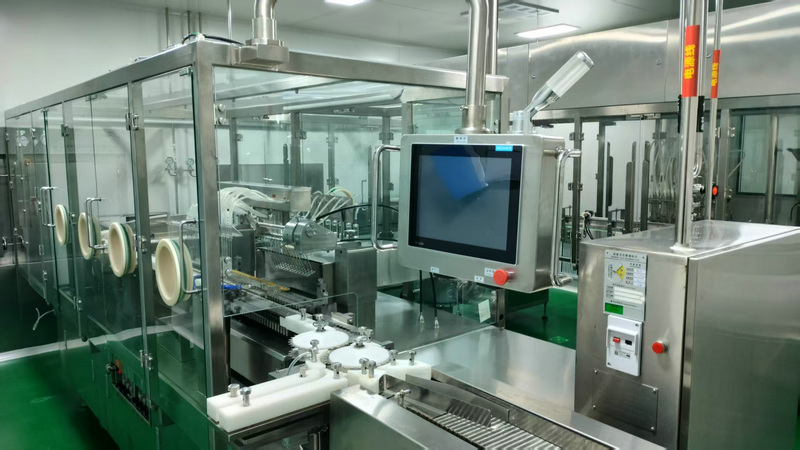
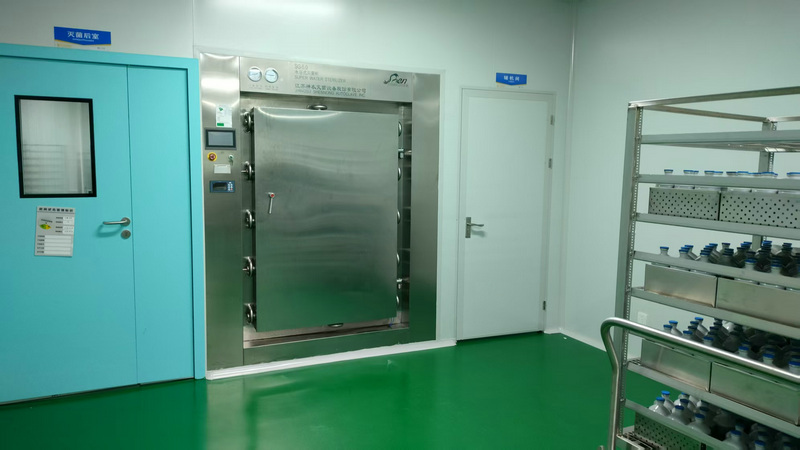
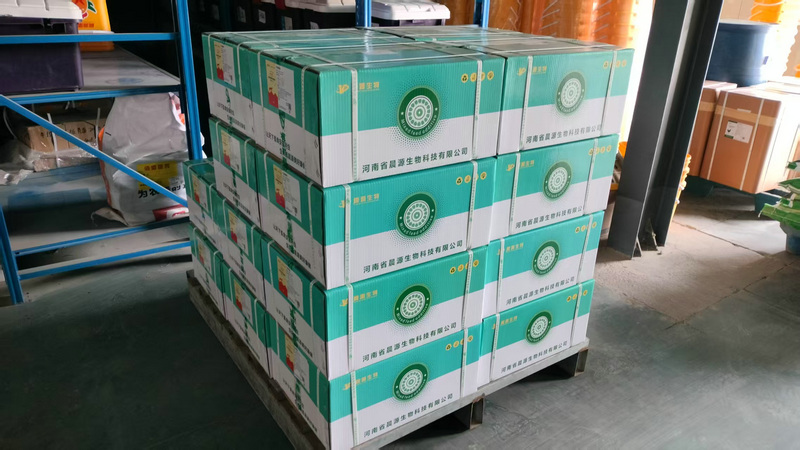
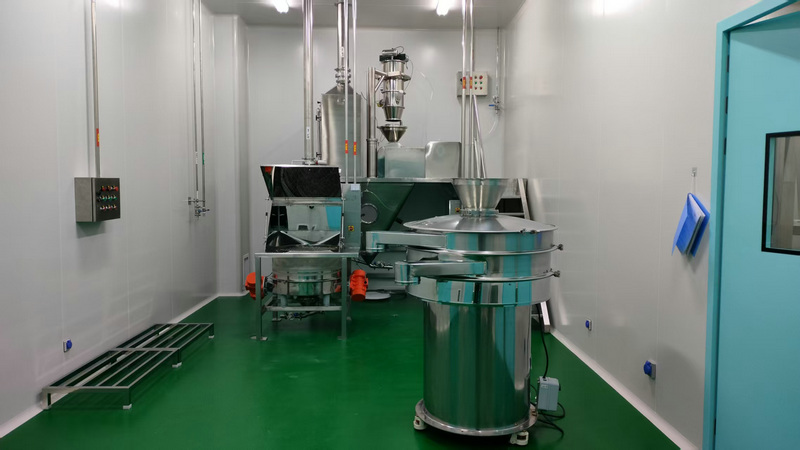
A visual overview of our industrial processing steps, ensuring high-purity mineral milling, swelling stabilization, and automated packaging.
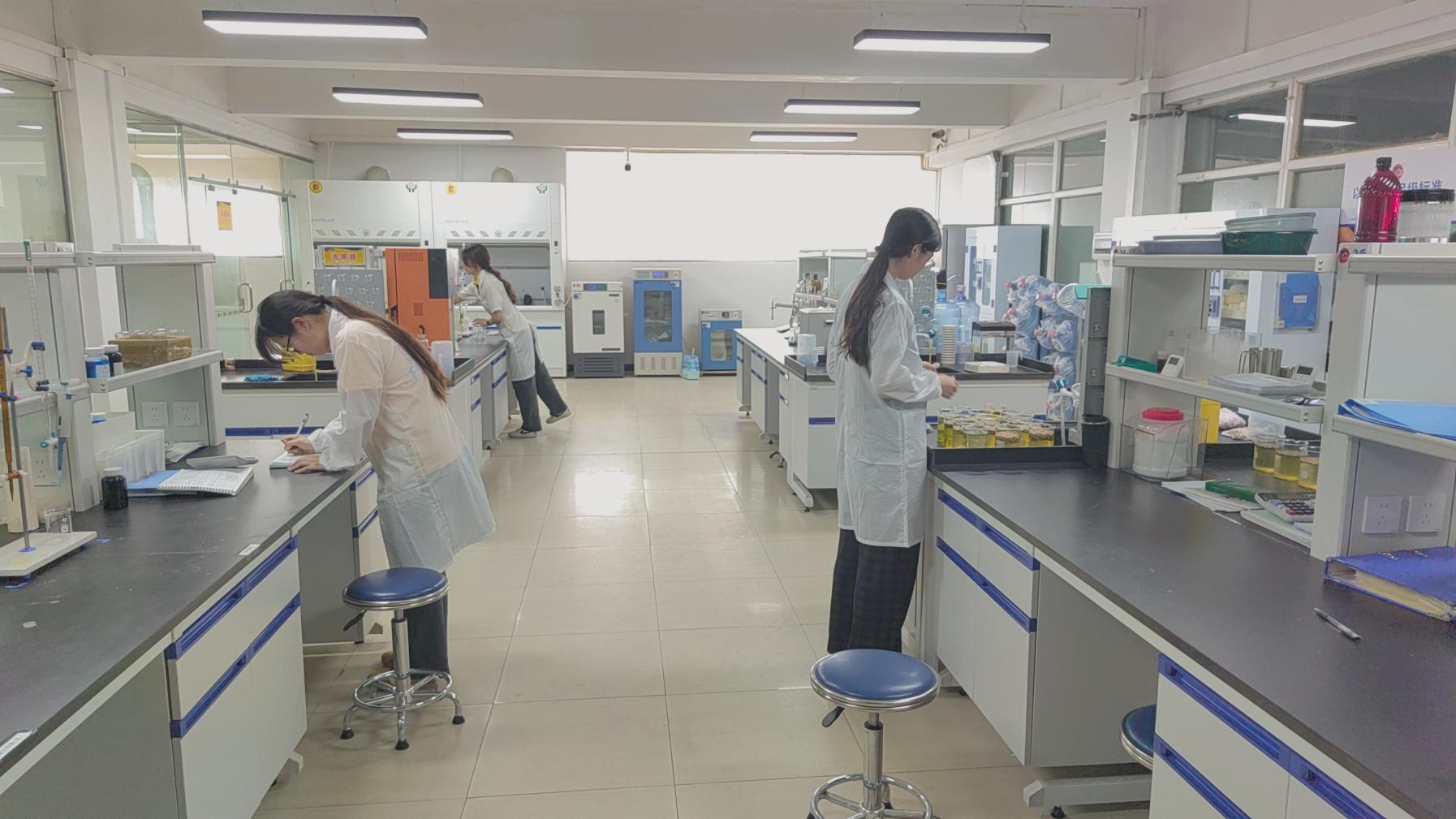
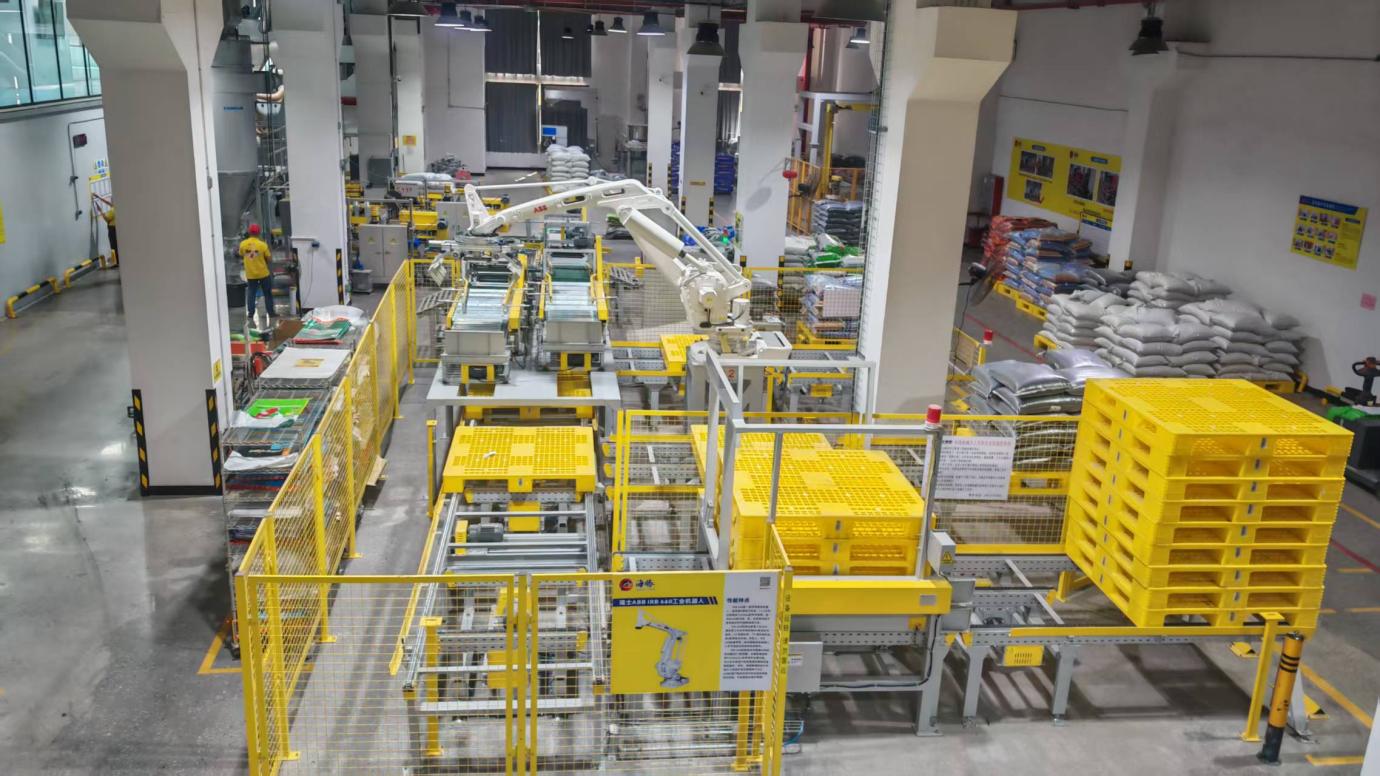
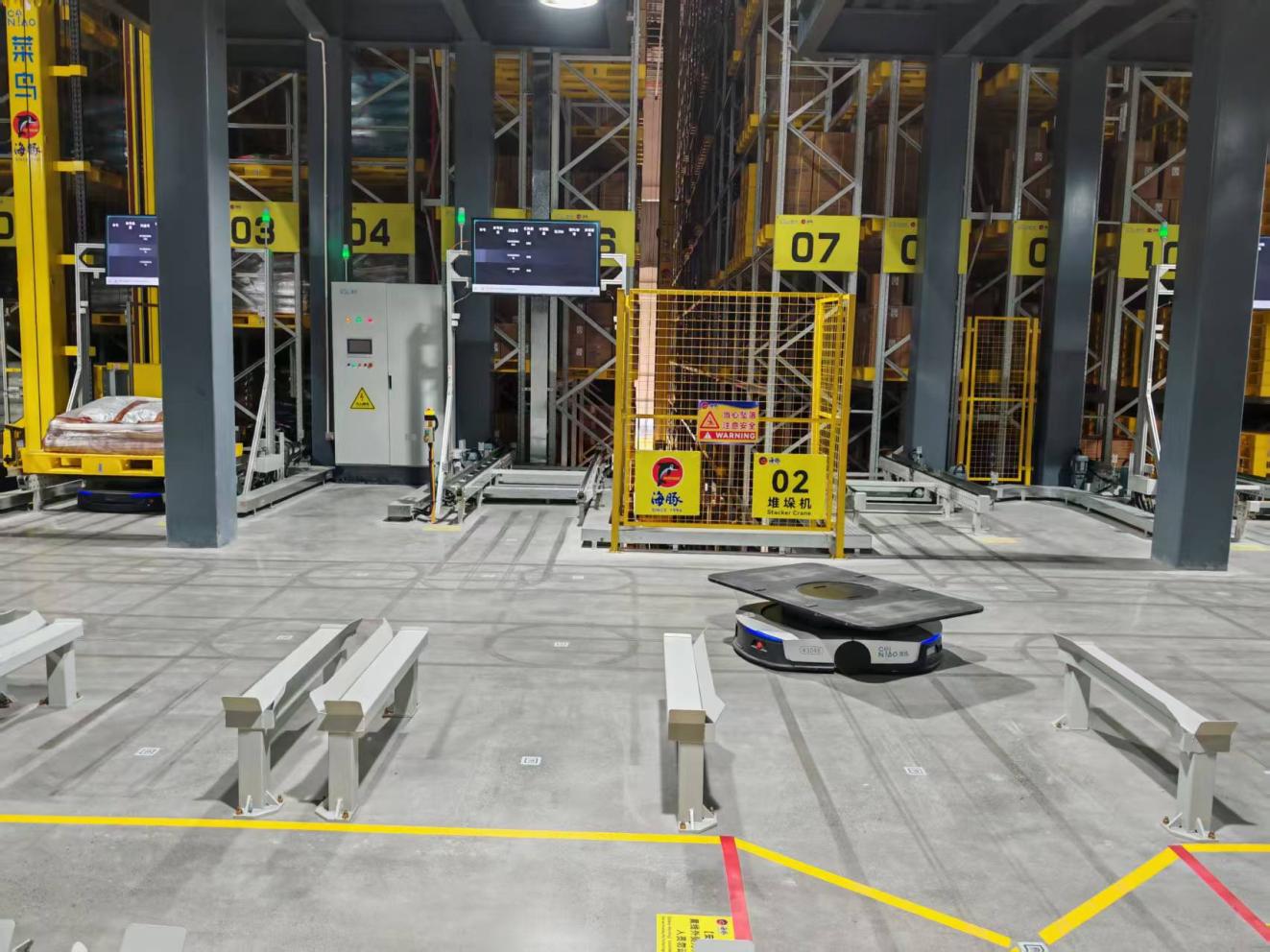
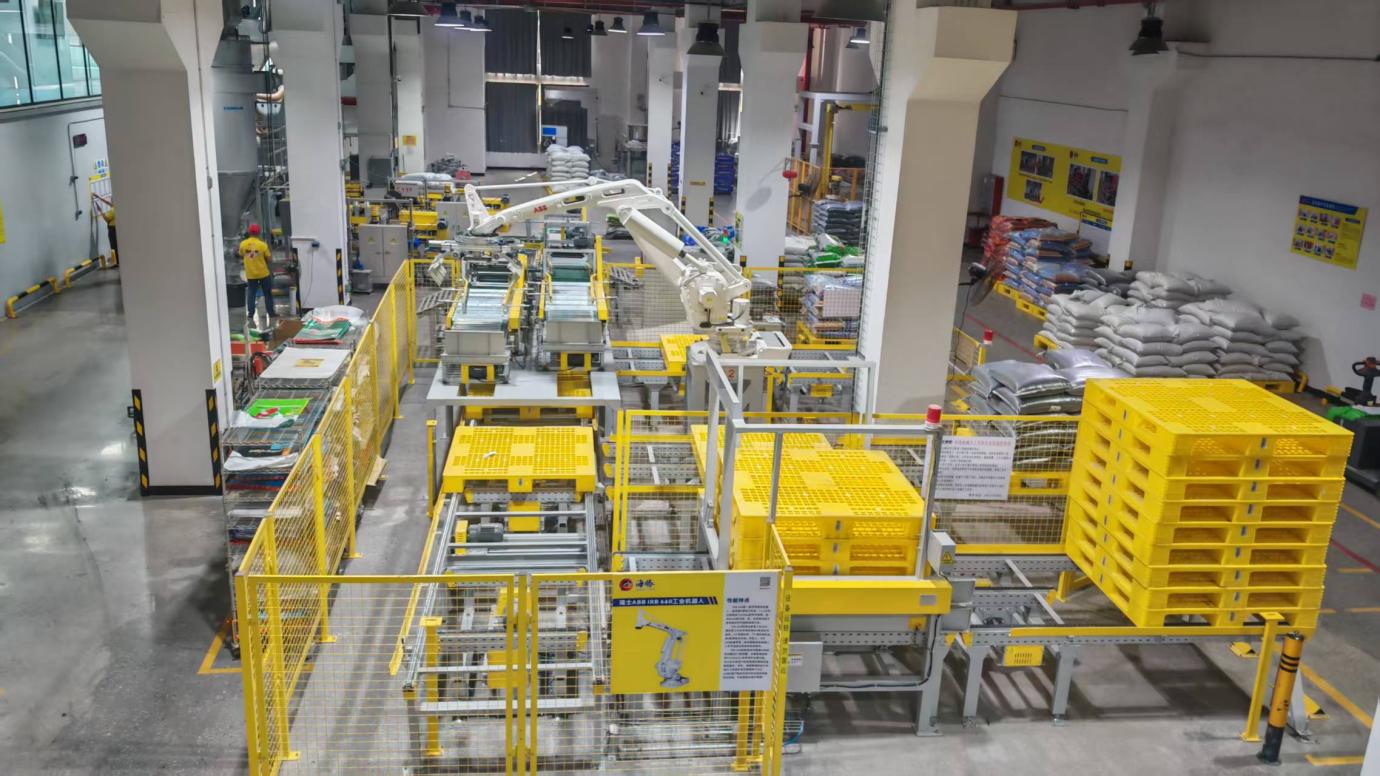
Targeted solutions for commercial operations, aquaculture systems, and integrated feed mill networks in Panama.
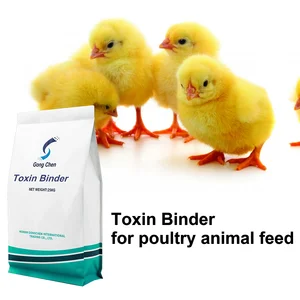

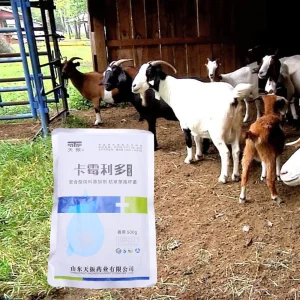
Global regulatory developments, climate shifts, and advanced bio-remediation strategies for modern feed mills.
Panama's agricultural sector imports over 70% of its grain requirements for intensive livestock feed production. When logistics delays occur at the Panama Canal or regional ports, raw grains are stored under high moisture levels. This risk requires a preemptive additive strategy, incorporating high-quality inorganic mineral adsorbents directly during milling to prevent mold development before distribution.
Although mineral clays like bentonite and montmorillonite provide cost-effective control against Aflatoxin B1, they are less effective against larger molecules like deoxynivalenol (DON) and zearalenone (ZEN). Modern feed manufacturing is shifting toward biotransformation—utilizing specific bacterial strains (such as Bacillus subtilis) and purified yeast cell wall extracts to degrade toxic chemical groups without affecting nutritional absorption.
Combining the structure of modified clay with organic yeast cell wall fractions (esterified glucomannans) provides broad-spectrum binding. This combination targets different molecular structures in the animal's digestive system, stabilizing performance even when processing varying batches of imported corn and soy.
Expert answers regarding dosage, application protocols, and quality standards for importing into Panama.
For preventive application in standard feed formulations, we recommend a dosage of 1.0 to 2.0 kg per metric ton. In high-risk scenarios, such as raw ingredients showing higher moisture content or during the high-humidity rainy season in Panama, the dosage can be adjusted to 3.0 to 5.0 kg per ton, depending on the contamination profile.
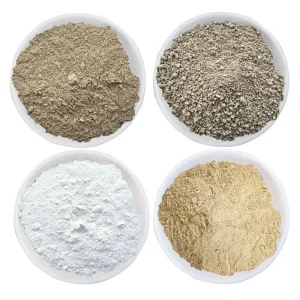
Our premium feed-grade montmorillonite and bentonite are refined to target the polar molecular structure of mycotoxins. This selectively binds toxins without absorbing key vitamins, amino acids, or trace minerals when used at recommended levels.
Yes, our manufacturing partners operate under strict quality management systems, including ISO 9001 and GMP standards. We provide documentation including Certificates of Analysis (COA), safety data sheets, and free sale certificates to assist with registry procedures through MIDA and other regulatory bodies in Panama.
Clays are highly effective against polar toxins like Aflatoxins but show lower binding rates for non-polar toxins. Bacillus subtilis produces specific enzymes that break down the complex chemical rings of non-polar toxins like Zearalenone and Fumonisins into harmless compounds, providing broader protection.