Akston Health
Akston Health
Akston Health
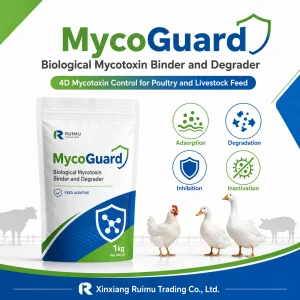
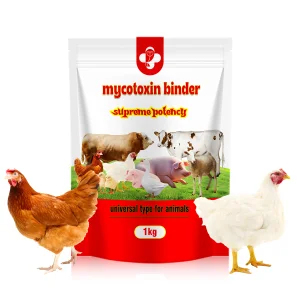
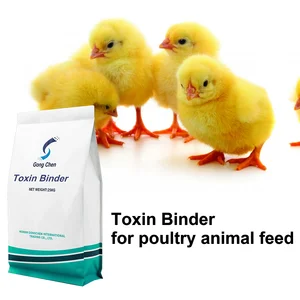
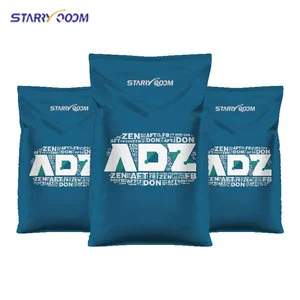
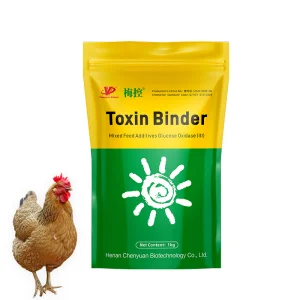
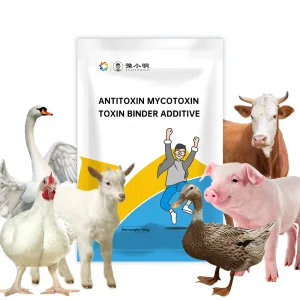
Recognizing the unique environmental pressures of the Gulf Coast, Akston Health has prioritized four heavy-duty mycotoxin binder solutions optimized for regional feed manufacturing, livestock farms, and international trade operations passing through the Port of Houston.
The Houston metropolitan area and the wider Texas Gulf Coast region represent a vital node in global agricultural supply chains. Hosting the Port of Houston, the area is one of the busiest bulk export-import facilities in the world. Texas itself is a massive hub for beef cattle production, commercial poultry farming, and aquaculture development.
However, the region’s humid subtropical climate is a prime catalyst for mold growth and mycotoxin proliferation. Crops stored, processed, or transported through this zone face substantial risks of contamination by pathogens such as Aspergillus, Fusarium, and Penicillium. Common toxins like Aflatoxins, Ochratoxin A (OTA), Fumonisin, and Zearalenone (ZEN) pose direct threats to livestock performance, feed conversion ratios, and animal health.
For agricultural operators and feed mills in the region, using high-efficacy mycotoxin binders is not just a defensive measure; it is a critical strategy for securing yield, ensuring regulatory compliance with the USDA and FDA, and maintaining access to international export channels.
Average humidity levels in Houston routinely exceed 80%, providing ideal kinetic conditions for rapid fungal colonization and localized toxin formation in grain silos and transport holds.
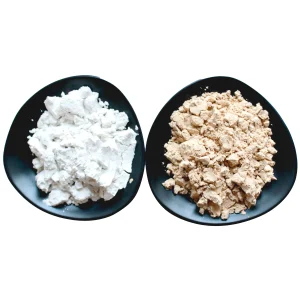
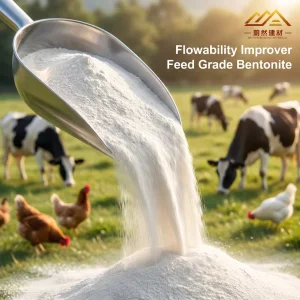
Our solutions feature specialized modified aluminosilicates (Bentonite & Montmorillonite) configured to bind polar toxins selective enough to preserve critical dietary trace minerals.
Effective toxin binder technology requires precise physical chemistry. Passive clays may bind nutrients, while ineffective ones let mycotoxins pass straight into the animal's bloodstream. Akston Health approaches this through dual-action mechanics: **Electrostatic Adsorption** and **Biological Degradation (Enzymatic Biotransformation)**.
| Mycotoxin Class | Polarity Status | Target Animal Threat | Mechanistic Intervention Solution |
|---|---|---|---|
| Aflatoxin (B1, B2, G1, G2) | Highly Polar | Liver degradation, immunosuppression in poultry and ruminants. | Electrostatic attraction using Interlayer-engineered Bentonite/Montmorillonite clay. |
| Zearalenone (ZEN) | Non-Polar / Lipophilic | Estrogenic syndromes, fertility loss, prolapse in swine. | Biotransformation via Bacillus subtilis degrading enzymes + modified organoclays. |
| Fumonisins (FB1, FB2) | Moderately Polar | Pulmonary edema in swine, equine leukoencephalomalacia. | Synergistic combination of yeast cell wall beta-glucans and functional mineral lattices. |
| Trichothecenes (DON / Vomitoxin, T-2) | Non-Polar | Vomiting, feed refusal, intestinal barrier destruction in poultry. | Enzymatic degradation combined with bio-active phytogenic liver protectors. |
Polar toxins like aflatoxins contain functional groups that readily form stable hydrogen or ionic bonds with the inter-layer spaces of our premium 100-325 mesh Bentonite clays. For non-polar toxins (such as Zearalenone and Deoxynivalenol), our engineered probiotic formulations (containing specialized strains of Bacillus subtilis) secrete extracellular enzymes that hydrolyze the toxic ring structures into non-hazardous metabolites, shielding the animal's digestive tract.
Qingdao Akston Health Co., Ltd. is an established manufacturer and global supplier dedicated to delivering advanced health and nutrition solutions for the global animal feed industry. With a primary commitment to quality control, structural sustainability, and biosafety innovation, we provide high-performance feed additives designed to optimize livestock productivity, support intestinal integrity, and secure international export food-chain safety.
Our comprehensive portfolio features functional feed additives—ranging from high-end trace minerals and choline chloride to our signature mycotoxin binders—designed specifically to meet the strict nutritional and safety criteria of poultry, swine, ruminants, aquaculture, and companion animals.
We work closely with logistics partners to ensure prompt ocean freight delivery directly to the Port of Houston, serving feed producers and distributors throughout Texas, Louisiana, and the wider American South. Our products undergo rigorous testing, ensuring batch-to-batch consistency and trace-mineral preservation.
Our technical team provides customized formulations suited to local storage configurations, helping our partners mitigate the severe risks of subtropical moisture retention.
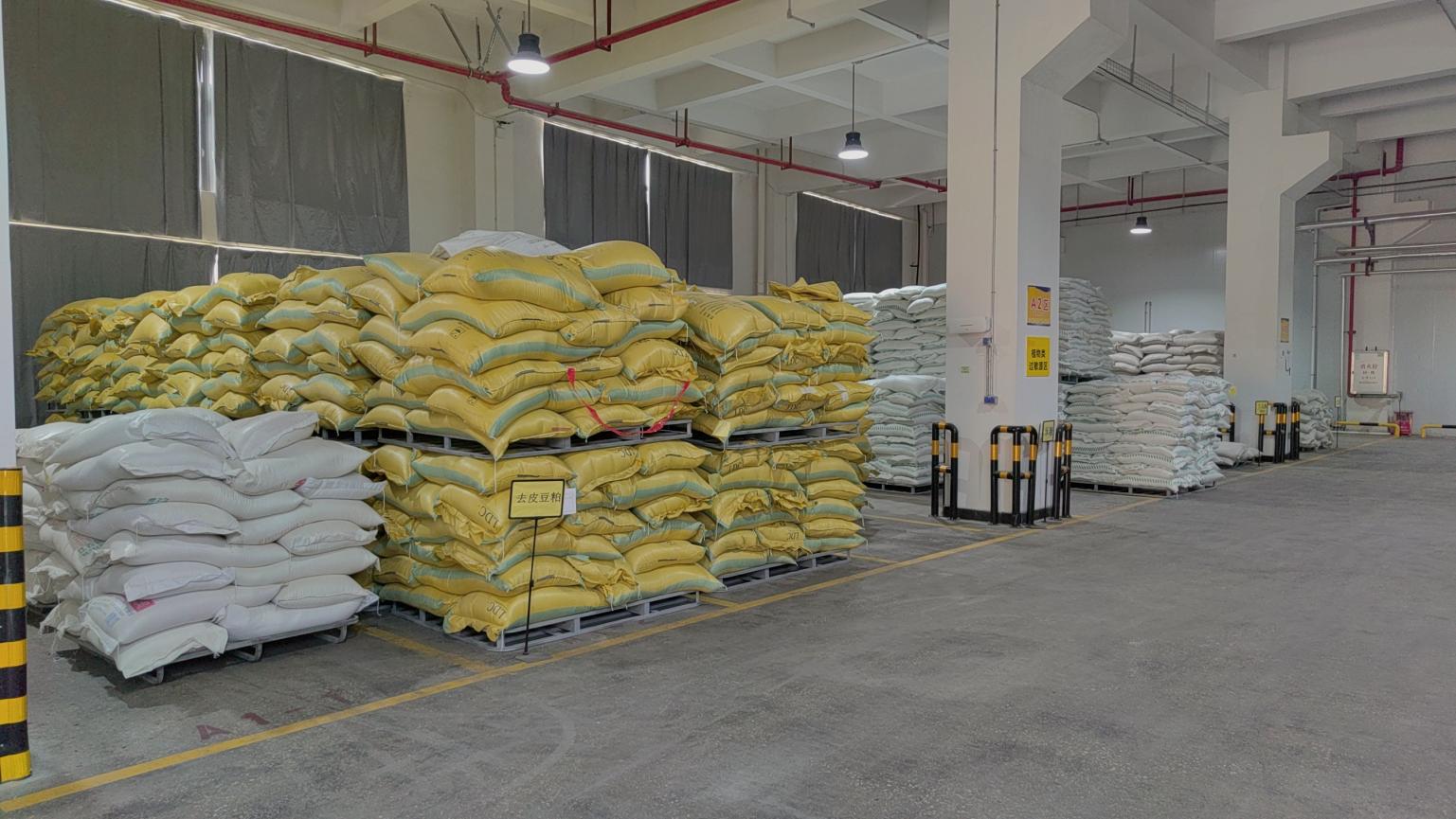
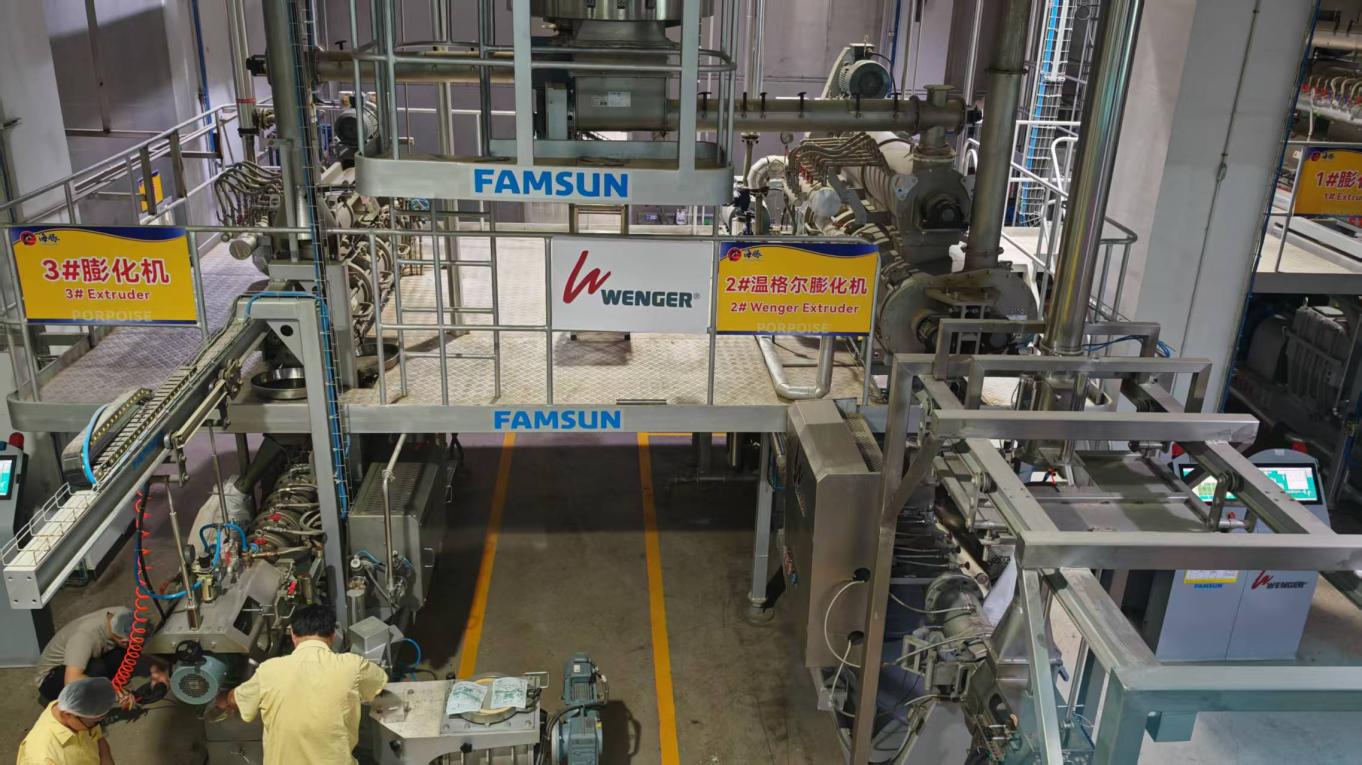
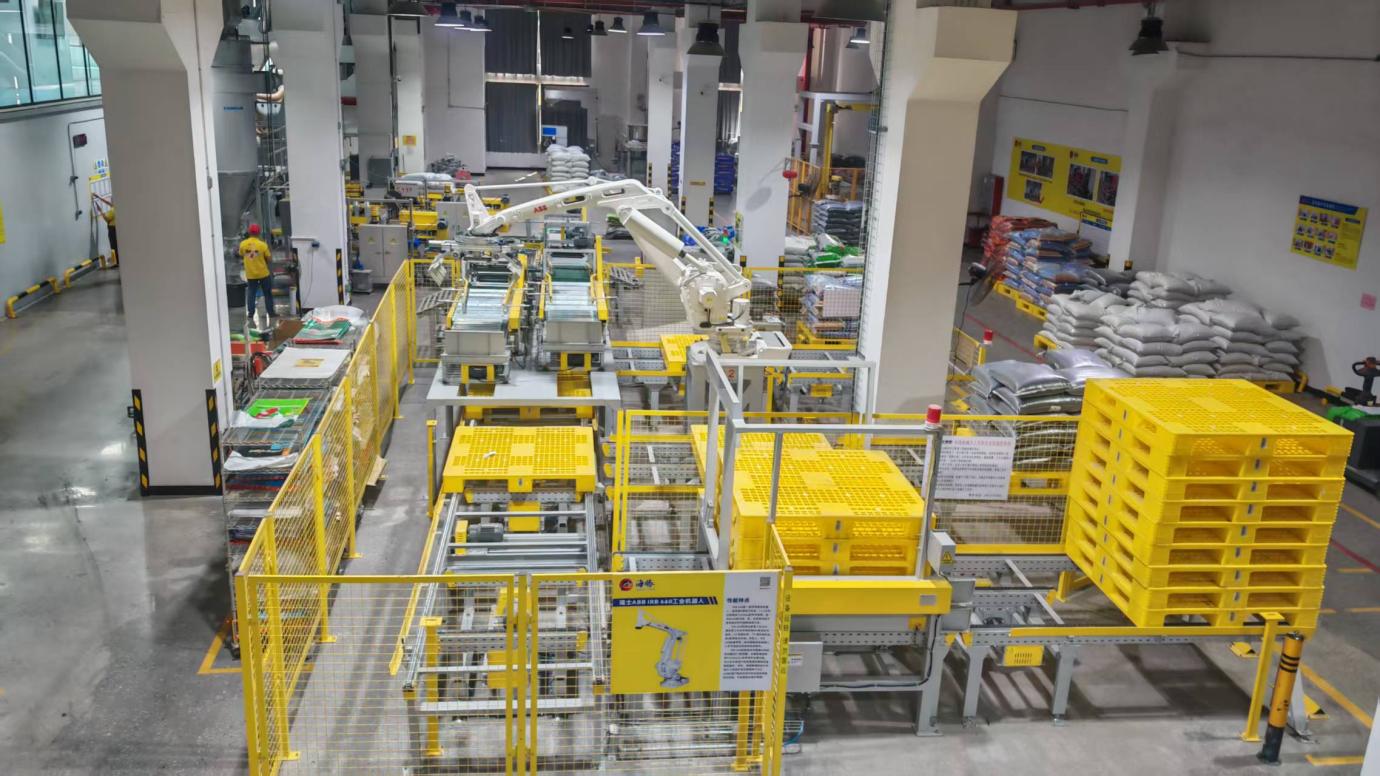
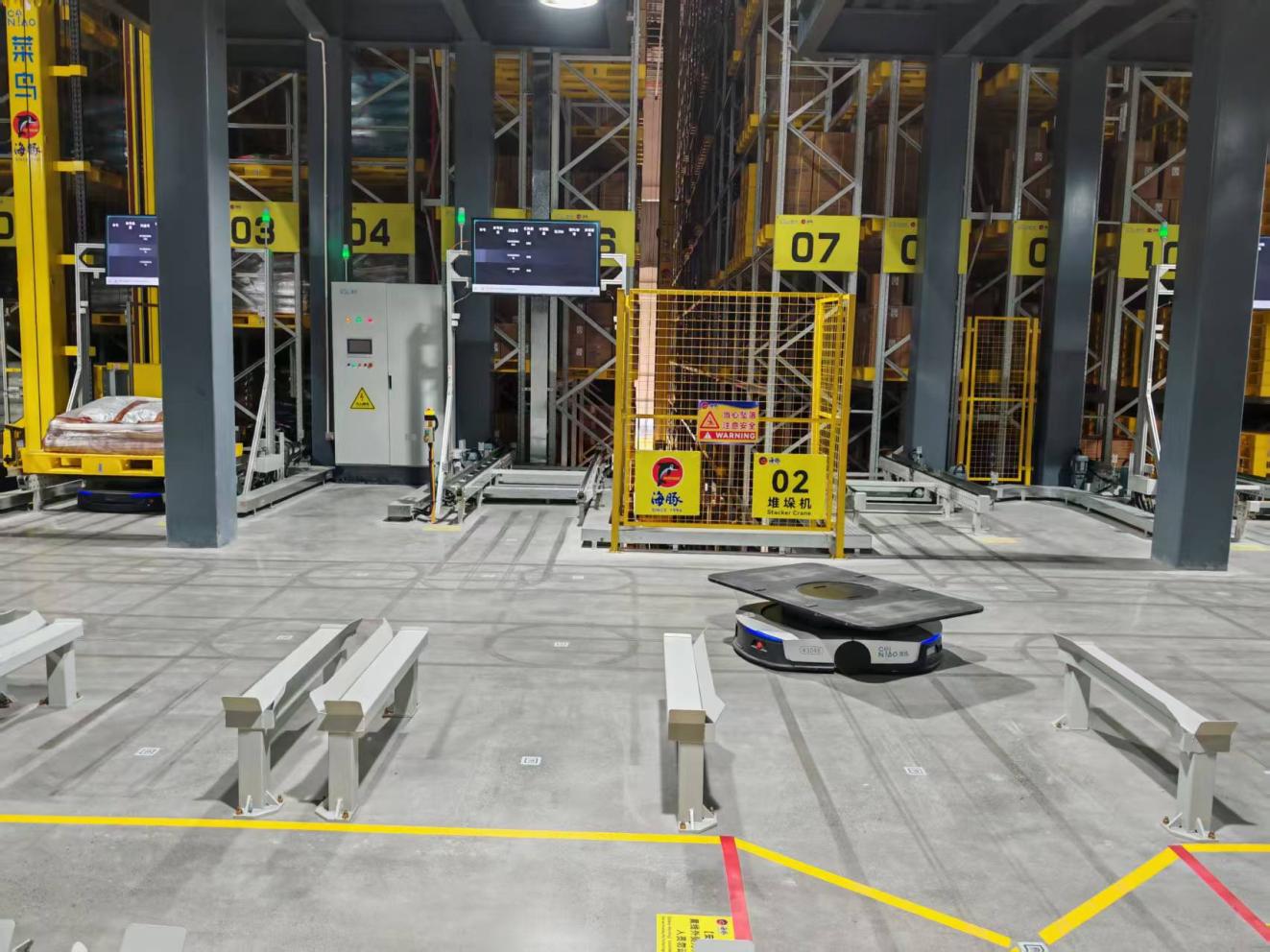
Akston Health operates highly automated production lines where raw materials undergo activation, swelling, sterilization, and automated packaging. Our processing pipeline ensures that the physical structure of our mineral binders remains undamaged, maximizing their surface area and Cation Exchange Capacity (CEC).
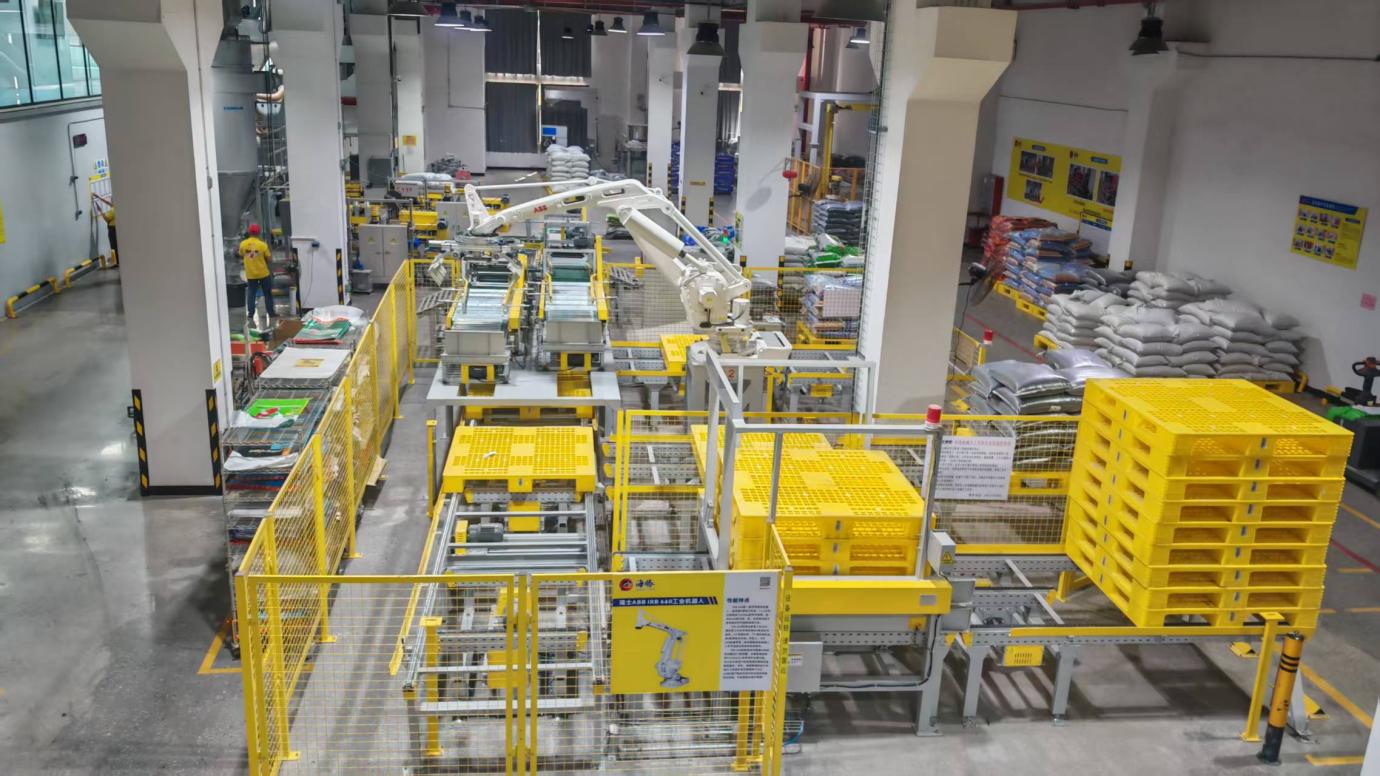
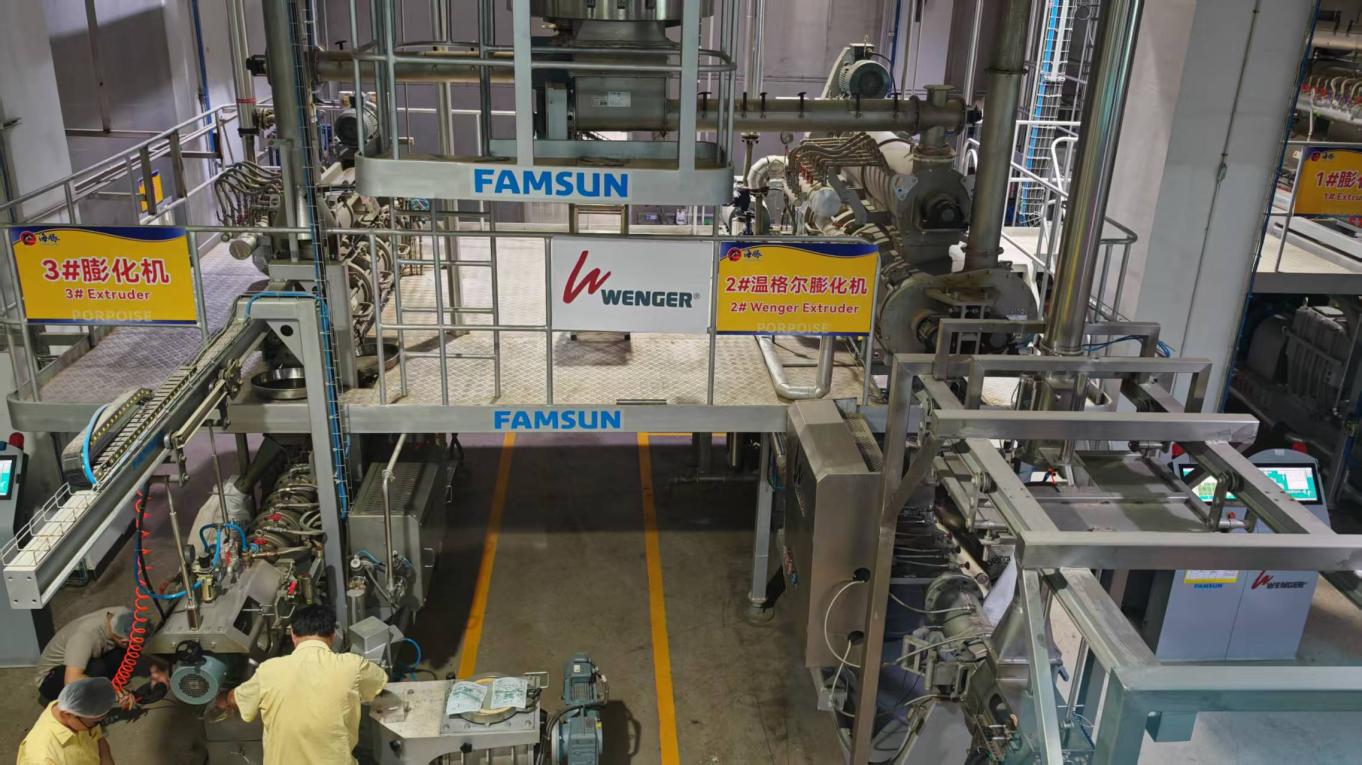
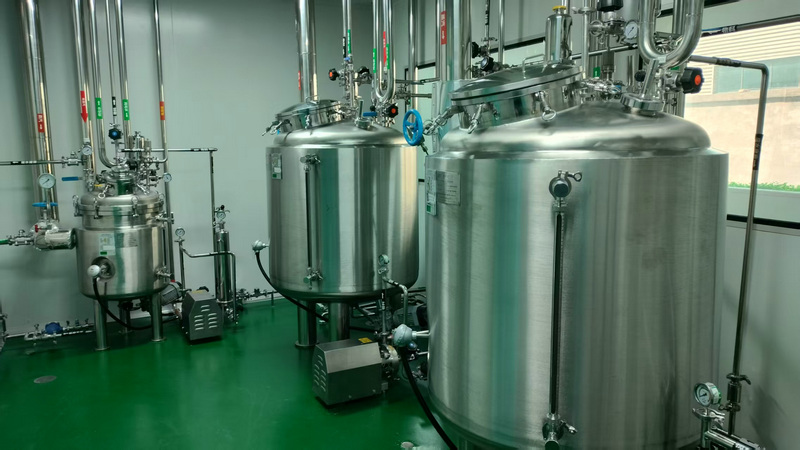
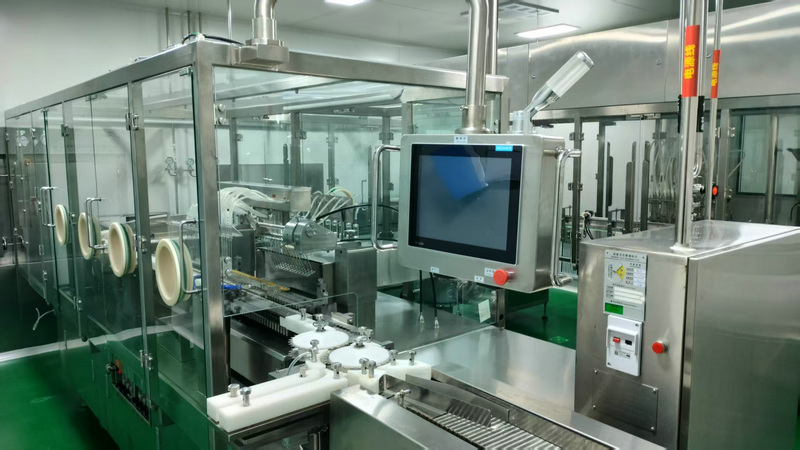
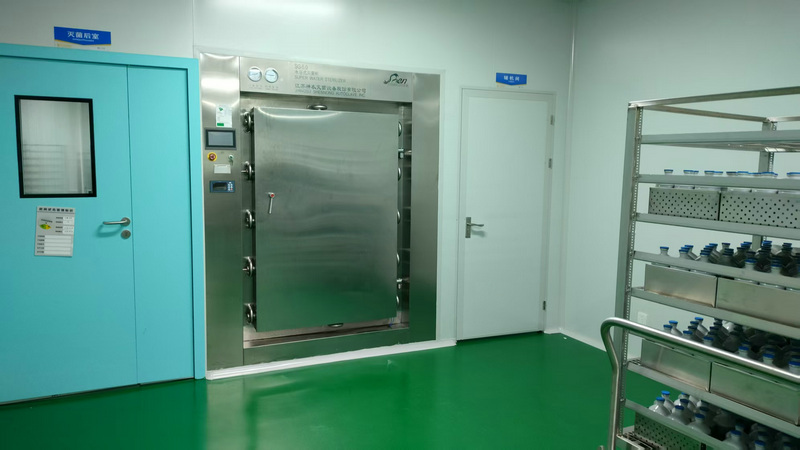
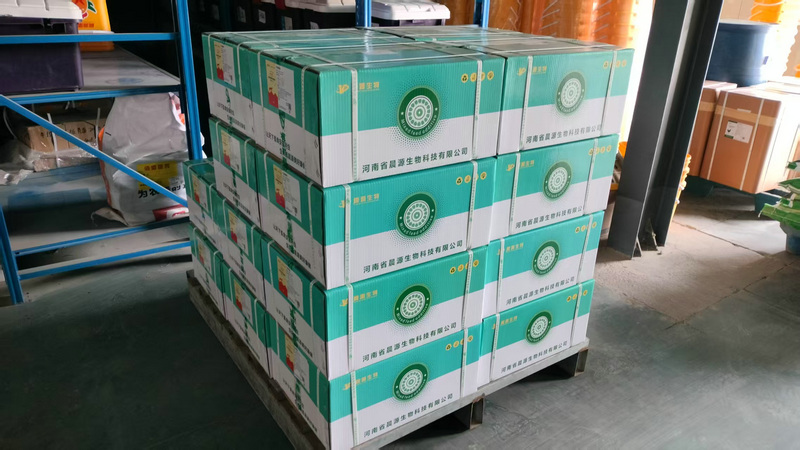
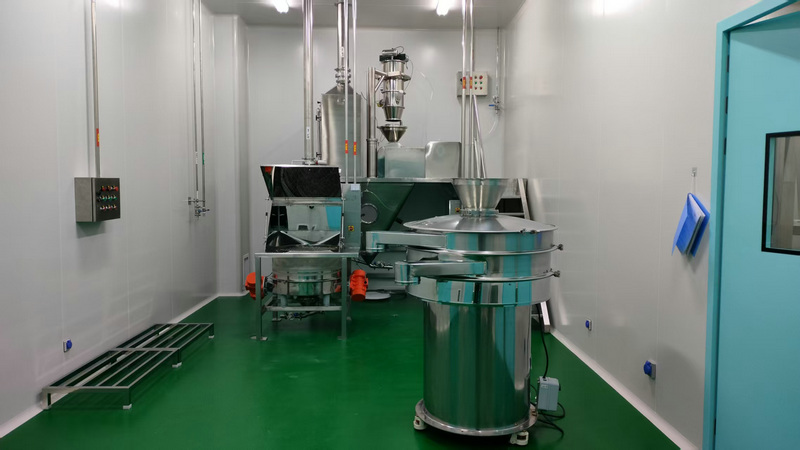
Modern feed safety standards are tightening. In the United States, the Food and Drug Administration (FDA) and the **Office of the Texas State Chemist (OTSC)** enforce strict regulatory thresholds on mycotoxins in animal feed. For example, Aflatoxins in dairy cattle feeds must not exceed 20 ppb (parts per billion), and no more than 300 ppb for finishing beef cattle. Our products help commercial producers remain securely below these legal thresholds.
Our feed additives conform strictly to US and European feed legislation, guaranteeing low heavy metal profiles and verified silica safety standards.
We avoid synthetic chemical carrier compounds. Our bentonites and montmorillonites are naturally sourced and structurally modified via eco-friendly mechanical processes.
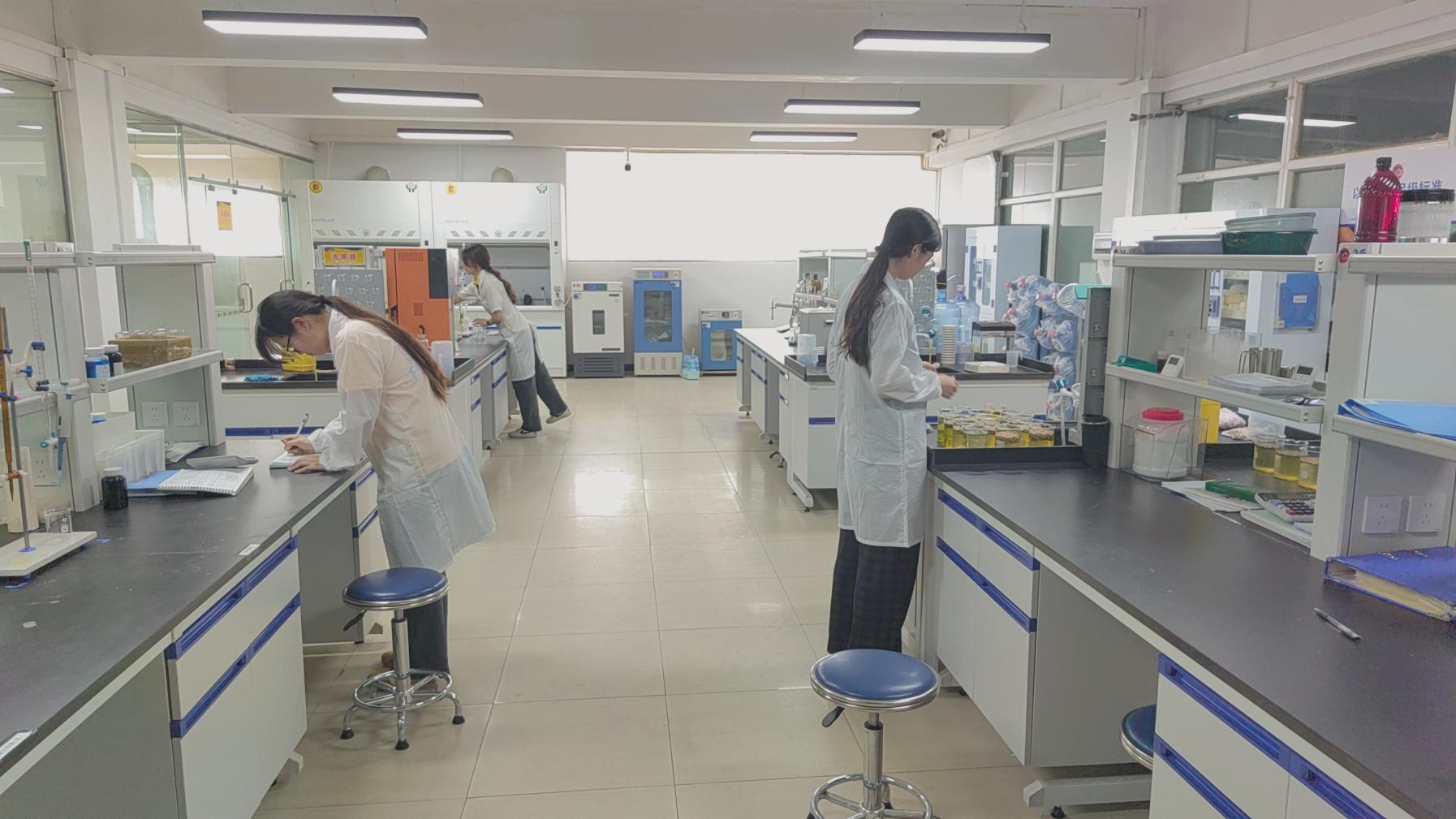
In-vitro and in-vivo validation trials show high adsorption rates for polar mycotoxins while preserving nutritional elements like Lysine, Methionine, and Zinc.
Select from our verified range of animal feed grade mineral adsorbents and biological degraders, suitable for integration into premixes, concentrates, and complete feeds.
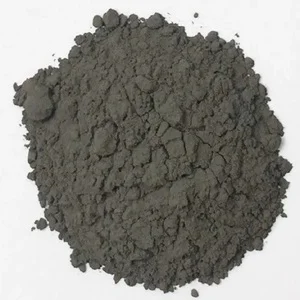
As climate volatility intensifies, mycotoxin contamination patterns are shifting. Akston Health is investing in next-generation structural modifications and molecular biology to address these challenges:
By modifying the interlayer spaces of montmorillonite minerals at the sub-nanometer scale, we are increasing active binding sites per gram of material. This allows feed manufacturers to reduce inclusion rates in the feed mixer (from 2.5 kg/ton to 1.0 kg/ton) while maintaining high adsorption rates.
We are developing multi-strain probiotics that produce targeted extracellular enzymes designed to degrade complex non-polar toxins like Zearalenone, DON, and T-2 toxin in the animal's upper digestive tract, before systemic absorption can occur.
The future of feed safety involves proactive monitoring. We support feed mills in the Houston area and globally by coordinating batch-level testing and analysis, helping our partners adjust binder inclusion rates based on real-time contamination levels in arriving grains.
Get professional, scientifically backed answers regarding mycotoxin control, import logistics, and feed integration.
Partner with Qingdao Akston Health Co., Ltd. to secure consistent, high-performance mycotoxin binders delivered directly to your facility or port. Get in touch with our technical sales team for custom formulations and shipping terms.