Akston Health
Akston Health
Akston Health
Tailored amino acid grades engineered for optimal bio-availability in East African livestock feeds and localized clinical manufacturing.
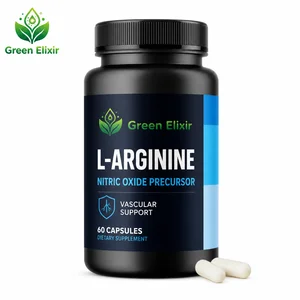
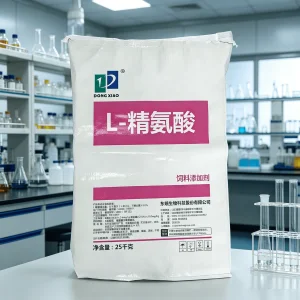
Kenya stands as the economic, financial, and logistical hub of East Africa. Driven by a rapidly growing population and a strong urbanization trend, the domestic agricultural and food processing sectors are undergoing profound modernization. The poultry industry in Nakuru, Thika, and Eldoret, alongside intensive dairy and aquaculture programs near Lake Victoria, has transitioned toward modern, scientifically formulated animal feeds. This structural shift has created a major demand for high-purity crystalline amino acids like L-Arginine.
Simultaneously, Kenya's local pharmaceutical and healthcare sector (centered around Nairobi’s Industrial Area) is actively expanding its manufacturing capabilities. Driven by government initiatives promoting local drug manufacturing and reducing reliance on imported finished dosage formulations, pharmaceutical companies are ramping up the production of OTC supplements, vascular therapeutics, and enteral nutrition formulas where L-Arginine is a vital functional ingredient.
As the Kenya Bureau of Standards (KEBS) tightens feed safety guidelines and local farmers target better feed conversion ratios (FCR) under challenging climatic conditions, synthetic amino acids have shifted from premium additives to standard macro-nutritional requirements.
Unlike other domestic mammals, poultry species cannot synthesize L-Arginine endogenously because they lack a functional urea cycle. They depend entirely on dietary supplementation to satisfy physiological requirements for protein synthesis, feather development, and immune defense.
Akston Health's supply chains provide consistent bulk supply and custom packaging to meet the evolving demands of the Kenyan market.
From a biochemical standpoint, L-Arginine (2-amino-5-guanidinopentanoic acid) serves as a key substrate for several critical cellular pathways. In mammalian clinical nutrition, it is classified as a conditionally essential amino acid. Under pathological states such as wound healing, septic shock, trauma, and rapid developmental phases, the demand for L-Arginine outpaces endogenous synthesis.
In poultry nutrition, L-Arginine is strictly an essential amino acid. Because birds lack carbamoyl phosphate synthetase—the rate-limiting enzyme in the synthesis of urea—they are unable to synthesize arginine. Therefore, feed manufacturers must precisely evaluate dietary arginine-to-lysine ratios. An imbalance, particularly high lysine concentrations, competitively inhibits renal arginine reabsorption, precipitating severe deficiency signs.
| Specification Parameter | Feed Grade (99%) | Food/Pharma Grade |
|---|---|---|
| Assay (dry basis) | 98.5% - 99.5% | 99.0% - 101.0% | Appearance | White to off-white crystalline powder | White crystalline powder / transparent capsules |
| Specific Rotation | +26.3° to +27.7° | +26.9° to +27.9° |
| Loss on Drying | ≤ 0.50% | ≤ 0.30% |
| Residue on Ignition | ≤ 0.20% | ≤ 0.10% |
| Heavy Metals (as Pb) | ≤ 10 ppm | ≤ 5 ppm |
| Arsenic (As) | ≤ 2 ppm | ≤ 1 ppm |
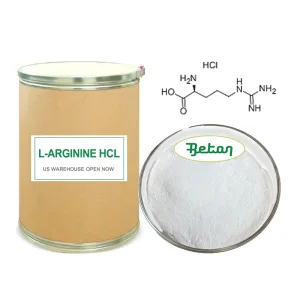
| Packaging Options | 25kg multi-wall bags, 800kg jumbo bags | 25kg fiber drums, customized retail bottles |
How we navigate regulatory, quality control, and logistics frameworks to deliver directly to Mombasa and Nairobi.
Every batch exported to Kenya undergoes rigorous Pre-Export Verification of Conformity (PVOC). We work directly with licensed international inspection agents (such as SGS, Intertek, and Bureau Veritas) to secure the mandatory Certificate of Conformity (CoC), preventing customs delays at the Port of Mombasa.
Through the Northern Corridor transport network, we coordinate efficient transit from Mombasa Port to local logistics warehouses in Nairobi, Nakuru, and Kisumu. Our packaging features robust moisture-resistant plastic inner linings to protect raw materials during maritime shipping and local tropical transit.
Under high humidity conditions in parts of Kenya, raw materials are vulnerable to mold and pathogen growth. Adding L-Arginine to feed programs improves general immune function in poultry, helping mitigate metabolic and disease challenges associated with feed contaminants.
Discover the high-precision machinery and strict quality control systems driving our raw materials storage, fermentation, purification, and automated packing lines.
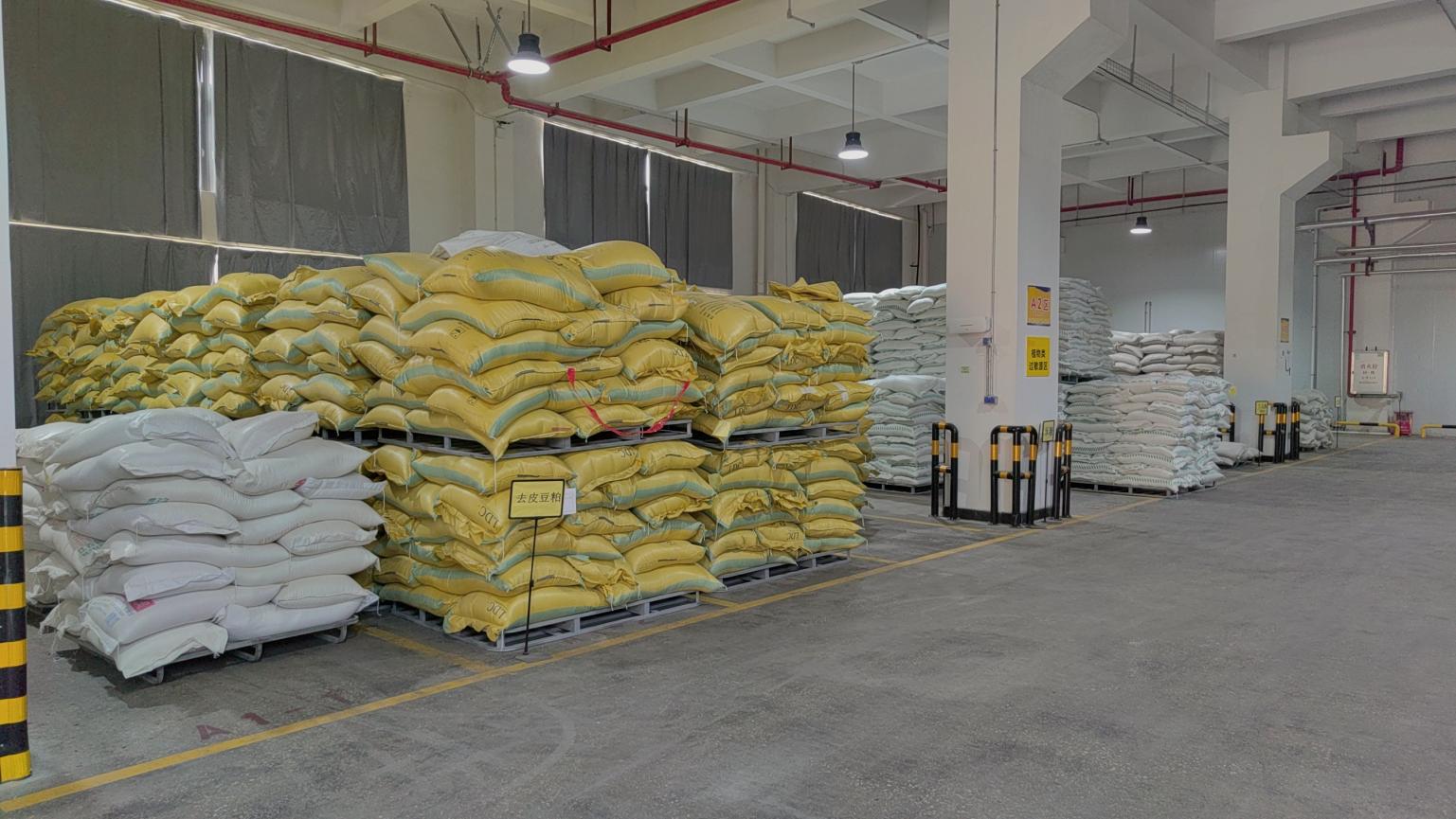
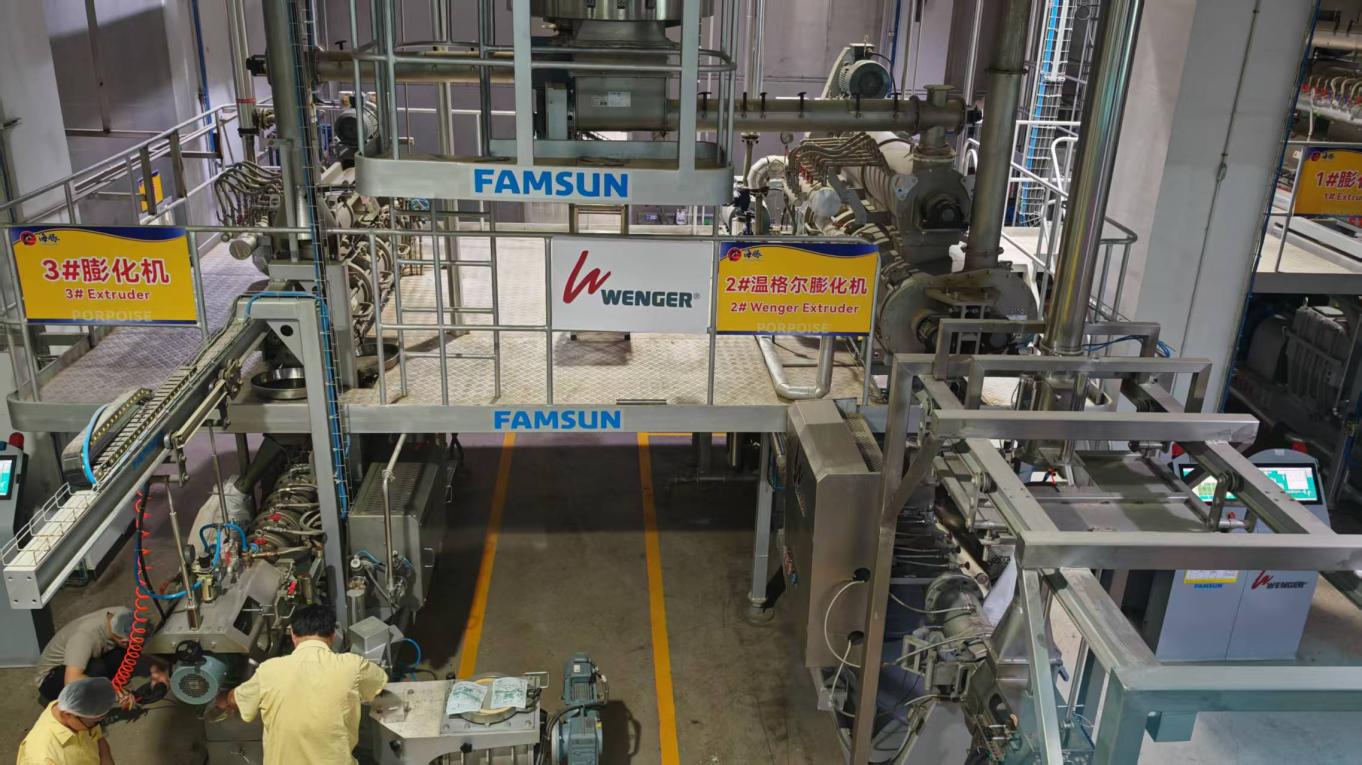
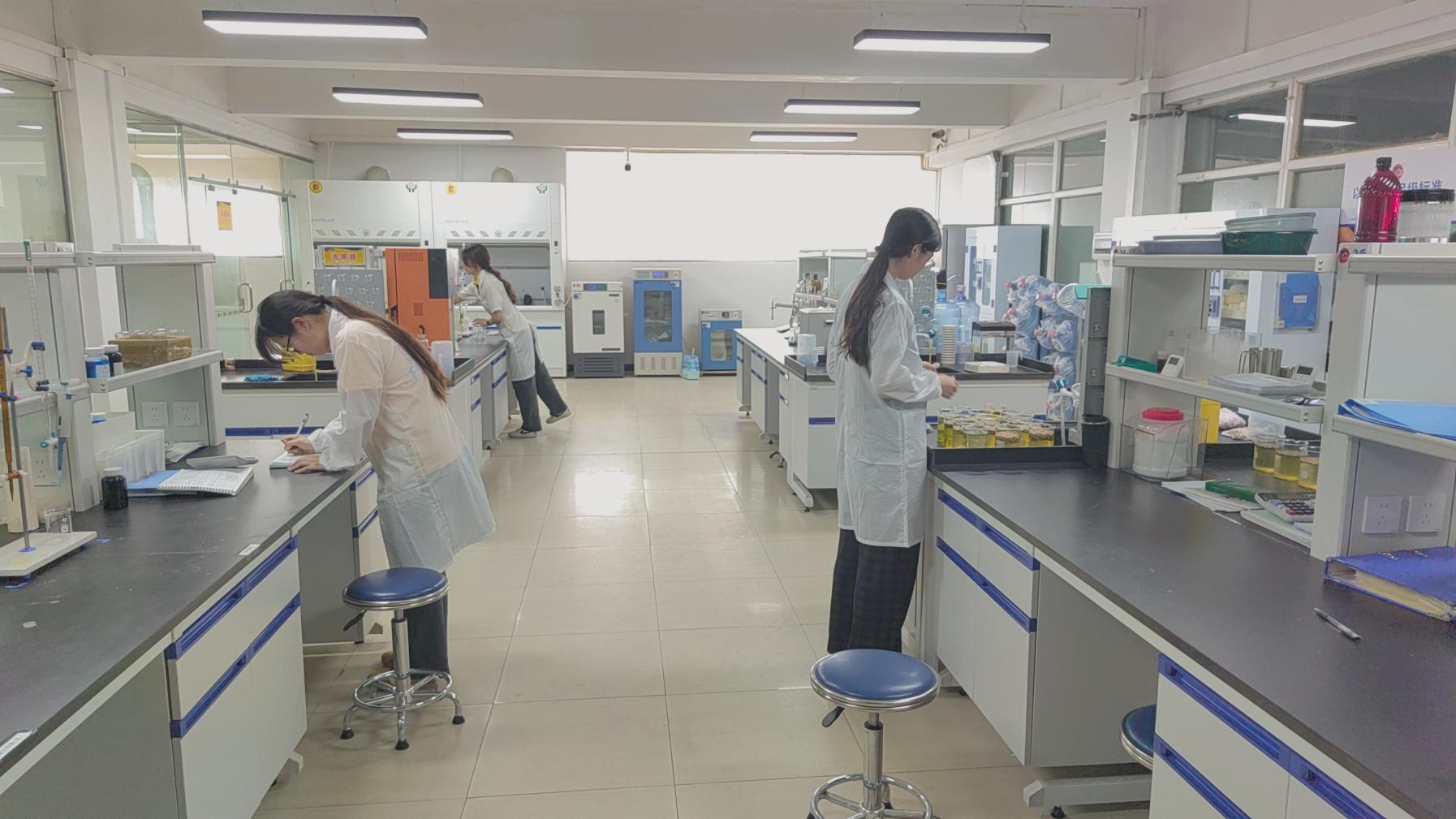
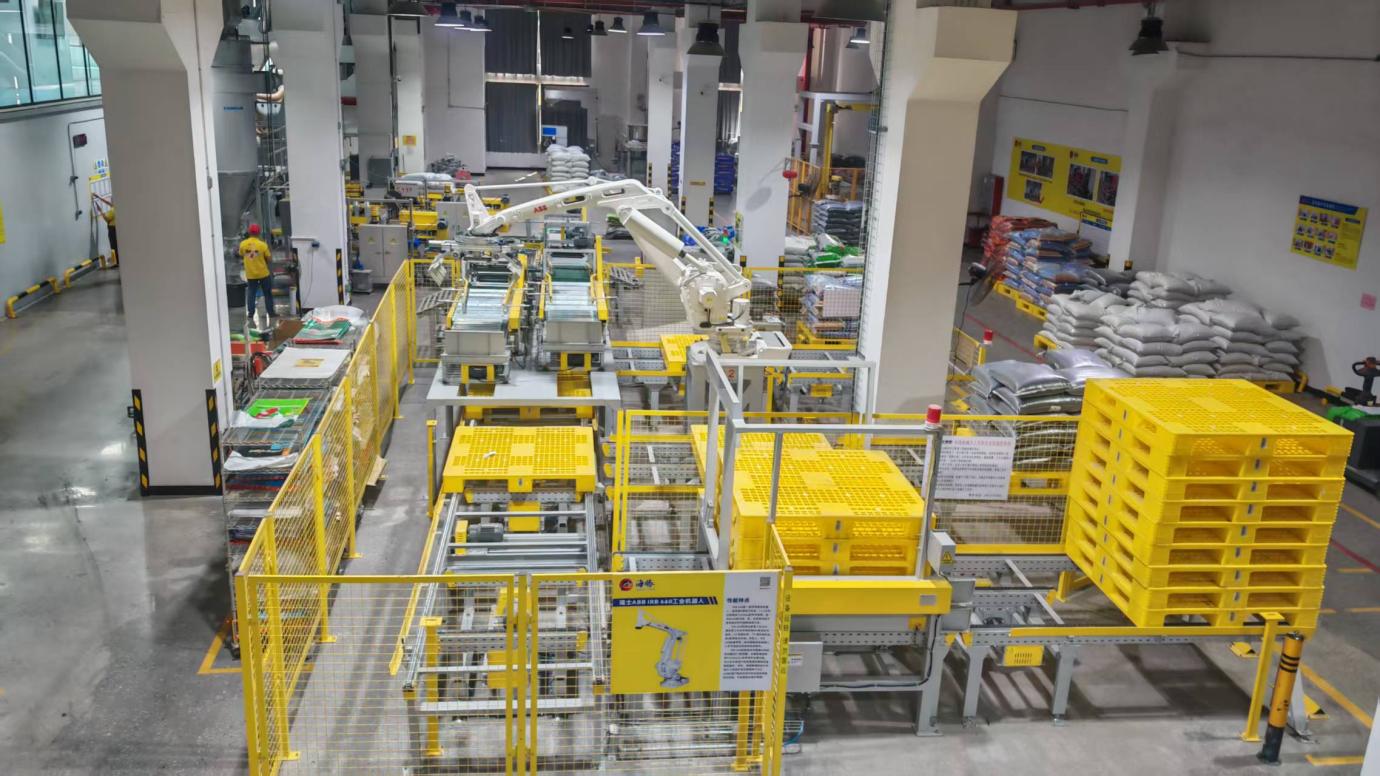

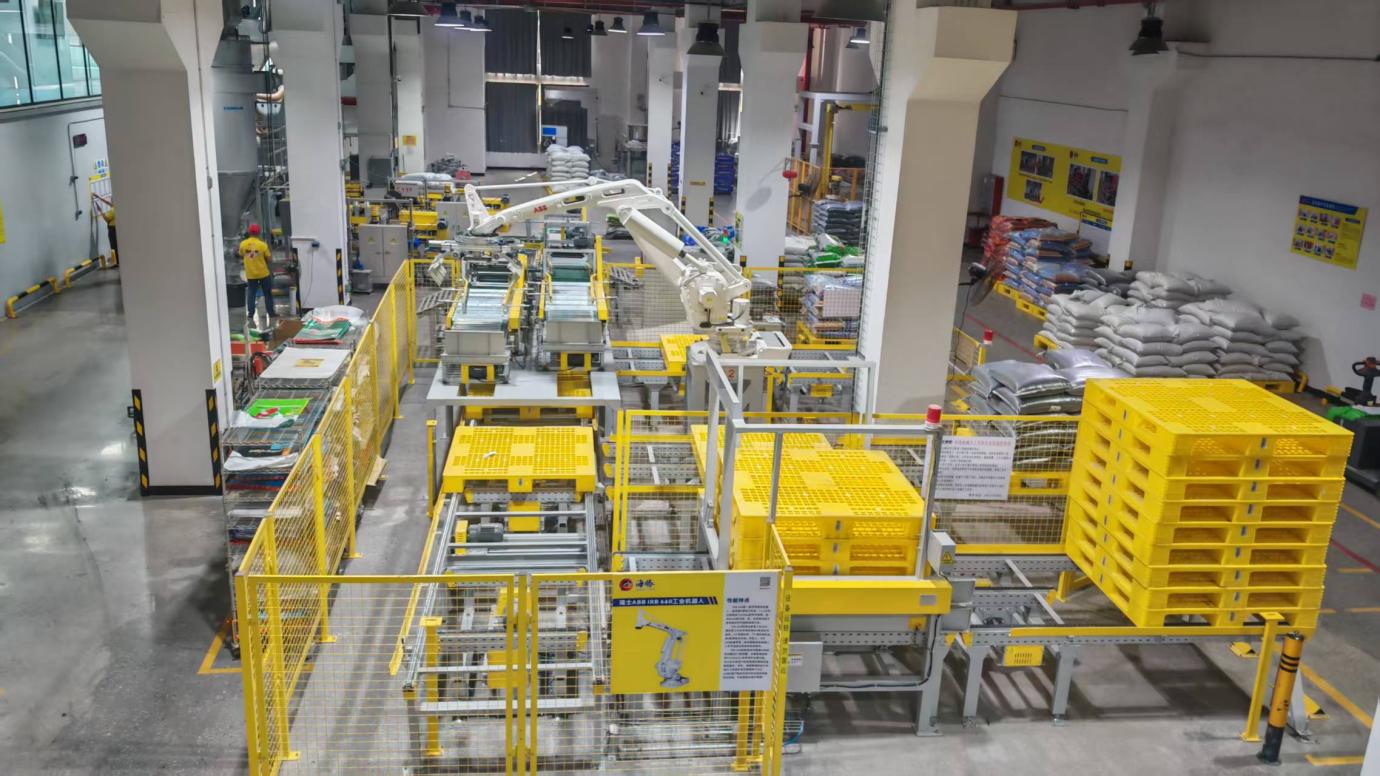
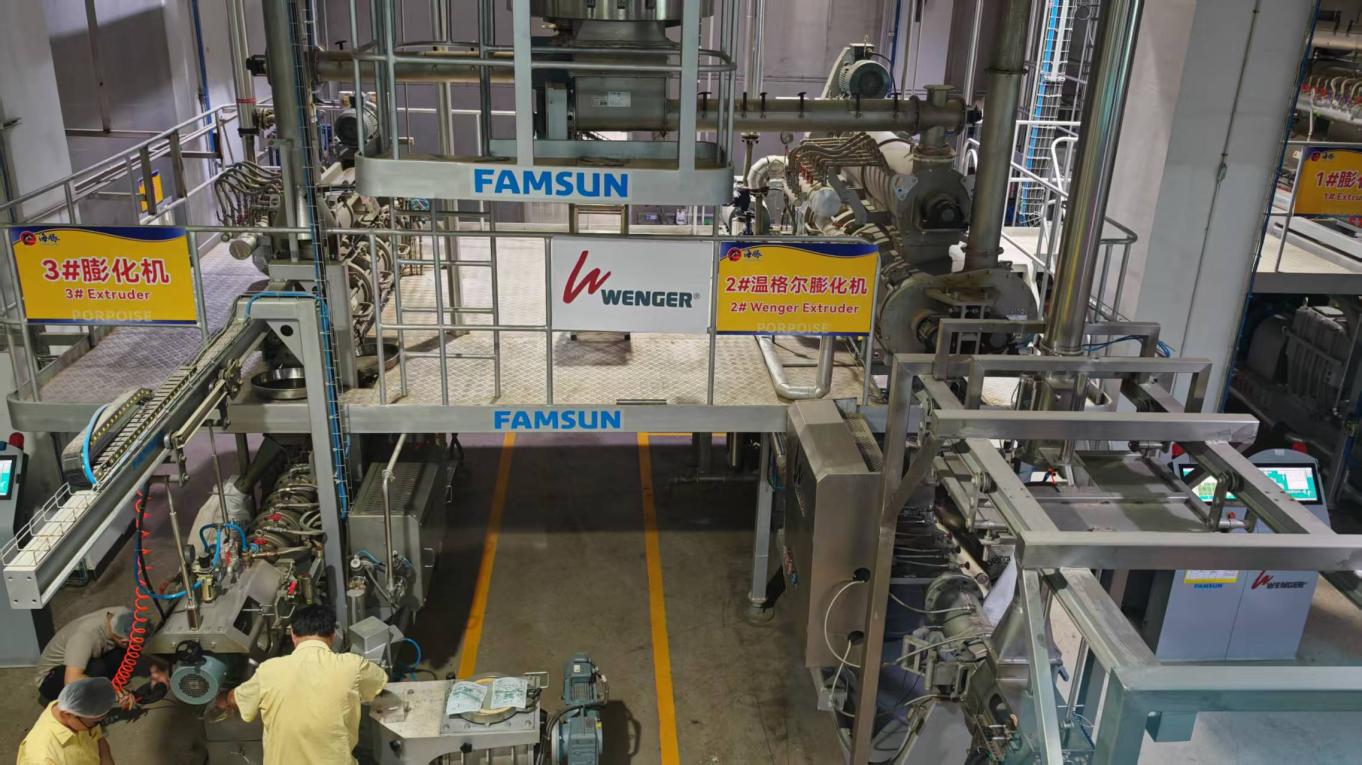
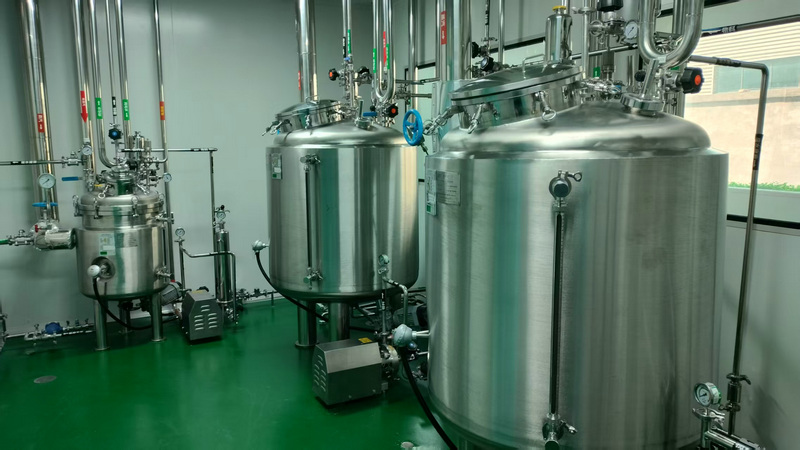
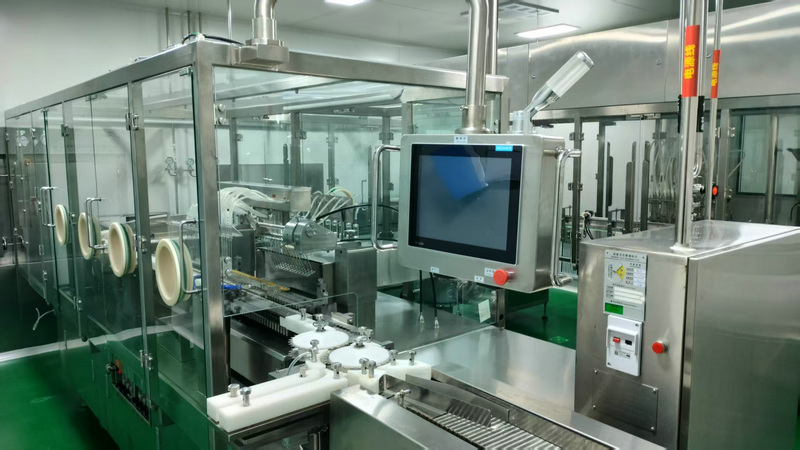
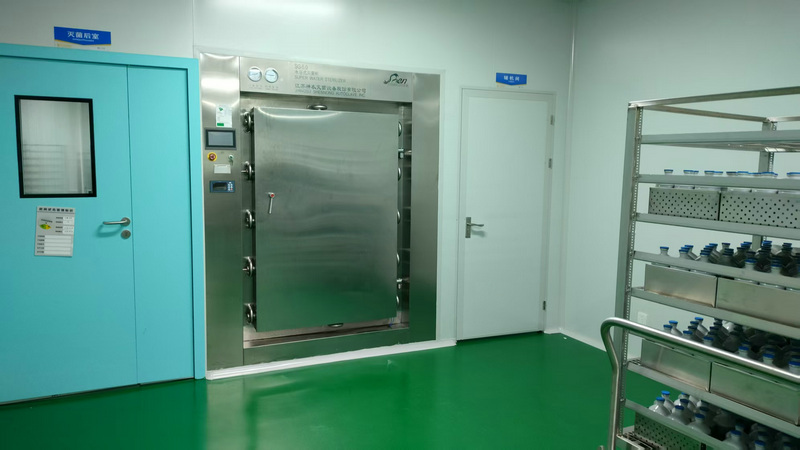
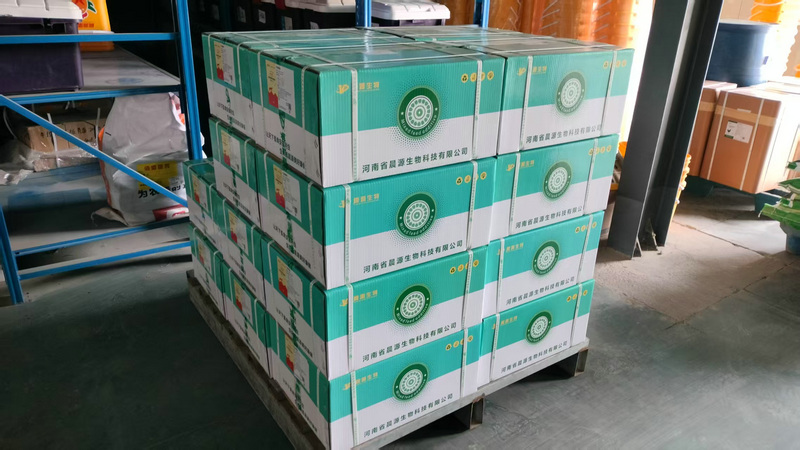
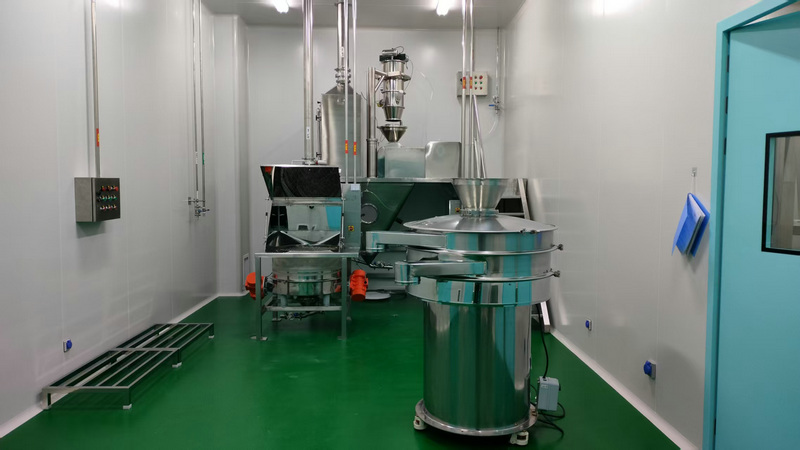
Historically, amino acid extraction relied on hydrolyzing animal bypass proteins (such as feathers or hair), which posed challenges regarding purity, standardization, and sustainability. As a forward-thinking global supplier, Akston Health has transitioned to green, bio-based synthesis pathways utilizing specialized strains of Corynebacterium glutamicum fed on plant-based substrates like sugarcane molasses and corn starch.
This microbial fermentation process offers precise stereospecificity, yielding 100% bio-available L-isomer arginine. The process minimizes toxic chemical emissions, aligns with eco-friendly manufacturing goals, and delivers a reliable supply unaffected by animal protein source fluctuations.
By implementing precision nutrition, feed mills in Thika and Nakuru can reduce crude protein levels in poultry diets without sacrificing bird performance. Supplementing with specific amino acids like L-Arginine, L-Lysine, and L-Threonine helps:
*Source: Compiled data from animal nutrition field studies evaluating amino acid balancing programs in tropical regions.
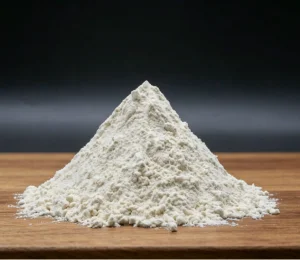
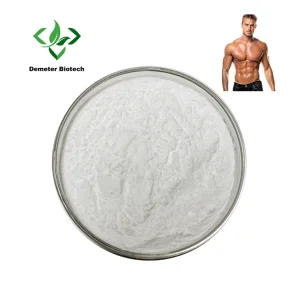
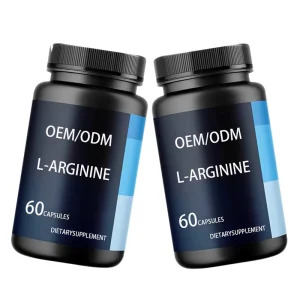
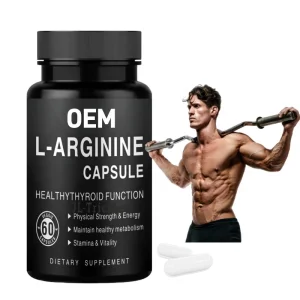
Explore our wide range of L-Arginine variants, including free base powder, HCL derivatives, and OEM-ready capsules tailored for pharmaceutical, food, and agricultural clients in Kenya.
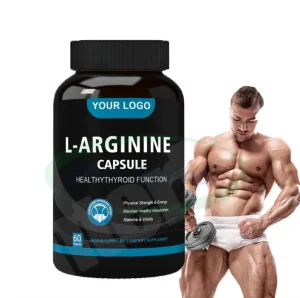

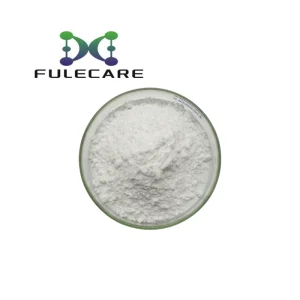
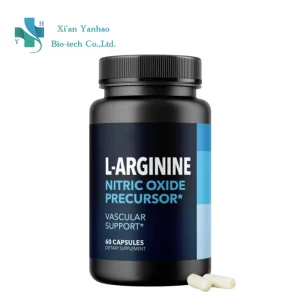
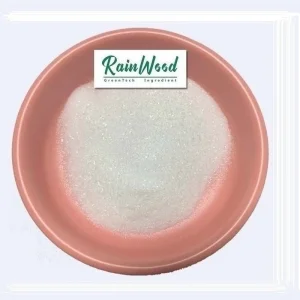
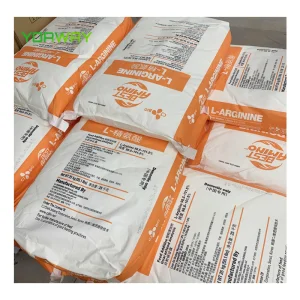
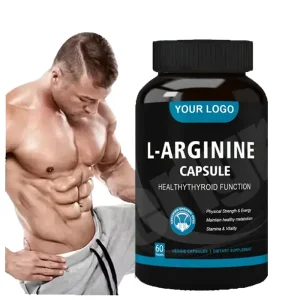
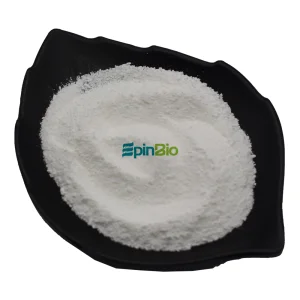
Detailed technical and logistics guidance on procuring L-Arginine for the Kenyan and East African industrial markets.
Looking for a reliable supply of high-purity L-Arginine for your feed mill, pharmaceutical facility, or retail brand in Kenya? Get in touch with our team for technical documentation, pricing, and sample packages.