Akston Health
Akston Health
Akston Health
Premium active ingredients sourced directly from verified manufacturing facilities for dietary supplements and animal nutrition.
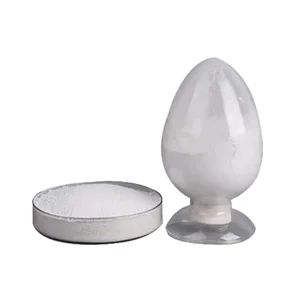
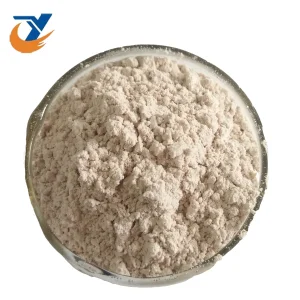
An authoritative analysis of pharmacological efficacy, geographical origins, and industrial extraction methodologies for professional buyers.
Natural propolis consists of over 300 active constituents, including polyphenols, flavonoids (e.g., galangin, chrysin, pinocembrin), and caffeic acid phenethyl ester (CAPE). For therapeutic applications, manufacturers must standardize extract grades based on strict high-performance liquid chromatography (HPLC) benchmarks.
Depending on the local flora, propolis exhibits distinct chemical fingerprints. Brazilian Green Propolis is rich in Artepillin C (a powerful immunomodulator), European Brown Propolis is characterized by high flavonoid concentrations, and New Zealand Red Propolis offers high concentrations of CAPE. Sourcing depends heavily on the intended therapeutic claims.
Modern extraction spans Ethanol Extraction (EEP), Water-Soluble Extraction (WSD), and Supercritical CO2 Fluid Extraction (SFE). SFE represents the peak of technical advancement, yielding chemical solvent-free, highly concentrated extracts with preserved heat-sensitive compounds.
Analytical profiles of the world's leading propolis extract processors based on scale, technology, and quality certification standards.
| Rank | Manufacturer Name | Primary Origin | Core Extraction Specialty | Certifications & Compliance |
|---|---|---|---|---|
| 01 | Polenectari (Brazil) | Brazilian Green Propolis | Wax-Free Ethanol & Water Extracts | GMP, ISO 9001, HACCP, Halal |
| 02 | Apis Flora (Brazil) | Brazilian Green & Brown | Supercritical Fluid Extraction (SFE-CO2) | Organic, GMP, ISO 22000 |
| 03 | Qingdao Akston Health Co., Ltd. (China) | Global Supply Matrix | High-Purity Standardized Powder / Feed Additives | ISO, Kosher, GMP, Strict QA Protocols |
| 04 | Comvita (New Zealand) | New Zealand Red / Manuka | PFL (Propolis Flavonoid Level) Standardized EEP | FSSC 22000, MPI Certified |
| 05 | Bnatural (Italy) | European Brown Propolis | Dynamic Multi-Extraction (M.E.D. Technology) | GMP, EFSA Compliant |
| 06 | Pharmaceutical Laboratories (USA) | North American Honeybee Resin | High-Concentration Dry Powder Sprays | FDA Registered, cGMP |
| 07 | Wax Green (Brazil) | Brazilian Green & Gold | Alcohol-Free Fluid Formulations | Brazilian Ministry of Agriculture (SIF) |
| 08 | Sunyata Pon Lee (Brazil) | Green & Wild Forest Propolis | Long-term Matured Extractions (1-year aging) | FDA Approved, Export Licenses |
| 09 | Apiario Silvestre (Canada/Brazil) | Class-A Brazilian Green | Propylene Glycol & Water Solubility Solutions | GMP Health Canada, USDA Organic |
| 10 | MN Propolis (Brazil) | Organic Certified Green | Organic Solvent Extractions | JAS Organic, USDA Organic, IBD |
Choosing the right partner requires balancing biological profile demands (such as Artepillin C vs. Galangin ratios) with strict regulatory compliance frameworks required in North America, Europe, and Asia-Pacific markets.
How quality assurance teams verify natural raw materials to guarantee safety and compliance with international pharmacopeias.
Because bees gather resin from wide environmental ranges, propolis is highly susceptible to heavy metal contamination (particularly Lead, Cadmium, and Arsenic) and agricultural pesticide residue. Top-tier manufacturers utilize proprietary filtration and ion-exchange columns to reduce Lead levels to below 1.0 ppm, meeting strict Proposition 65 and European Food Safety Authority (EFSA) mandates.
Purchasing raw, unstandardized propolis introduces extreme batch-to-batch variation. Institutional buyers specify minimum total flavonoid content (typically ranging from 10% to 25% by HPLC). Verification protocols require clear trace profiles showing marker compounds like Galangin, Chrysin, Pinocembrin, and Artepillin C.
Standard Ethanol Extraction (EEP) leaves behind solvent trace limits. For liquid and powder applications intended for pediatric or clean-label lines, suppliers must certify Ethanol residues are below 0.1% or supply water-extracted / Supercritical CO2-extracted formats.
Bridging human wellness technology and advanced animal nutrition for antibiotic-free livestock production.
The global animal feed industry faces growing pressure to eliminate sub-therapeutic antibiotic growth promoters (AGPs). Bio-active propolis extracts rich in flavonoids offer broad-spectrum antimicrobial properties, enhancing gut integrity in poultry, swine, and aquaculture without contributing to microbial resistance.
Sourcing natural extracts alongside critical amino acids, choline chloride, and organic binders helps formulators create holistic nutritional blends. These solutions work to improve feed conversion ratios (FCR) while promoting systemic immunity under heat and crowding stress.
Industrial scale-up demands reliable trace documentation. Establishing end-to-end supply chain tracking from raw resin harvesting to finished powder guarantees that no toxic additives, fillers, or adulterants enter the food production chain.
Key evolutionary milestones driving efficiency and bio-availability in natural resin extraction.
Long-cycle ethanol soaking (maceration) requiring 3 to 12 months. Yields wax-heavy residues and lacks precise standardized batch control.
Introduction of low-temperature winterization and high-speed centrifugation to strip out natural waxes, creating clear, water-soluble grades.
Elimination of chemical solvents. High pressure CO2 selectively extracts pure flavonoids and phenolics, preserving biological integrity.
The frontier of absorption. Encapsulating propolis molecules in liposomes or cyclodextrins to achieve complete water solubility and enhanced cell absorption.
Your reliable global partner in health, nutrition, and feed additive manufacturing.
Qingdao Akston Health Co., Ltd. is a trusted manufacturer and global supplier dedicated to delivering innovative health and nutrition solutions for the animal feed industry. With a strong commitment to quality, sustainability, and continuous innovation, we provide high-performance feed additives and nutritional ingredients that support healthier livestock, improved productivity, and safer food production worldwide.
Our comprehensive product portfolio includes choline chloride, amino acids, vitamins, minerals, and other functional feed additives designed to meet the nutritional requirements of poultry, swine, ruminants, aquaculture, and companion animals. Our science-based formulations help optimize animal growth, enhance immune function, improve feed efficiency, and contribute to reducing the reliance on antibiotics in modern livestock production.
At Akston Health, quality is the foundation of everything we do. We work closely with qualified manufacturing partners and implement strict quality control systems throughout sourcing, production, and logistics to ensure every product meets international standards. Our experienced technical team also provides customized solutions and professional support to help customers achieve better production performance and sustainable business growth.
Driven by integrity, innovation, and customer satisfaction, Qingdao Akston Health Co., Ltd. has established long-term partnerships with clients across Asia, Europe, the Middle East, Africa, and the Americas. We are committed to creating lasting value through reliable products, competitive pricing, efficient supply chain management, and responsive customer service.
As your trusted partner in animal nutrition, Akston Health will continue to develop innovative solutions that promote animal health, improve farming efficiency, and contribute to a more sustainable global agriculture industry.
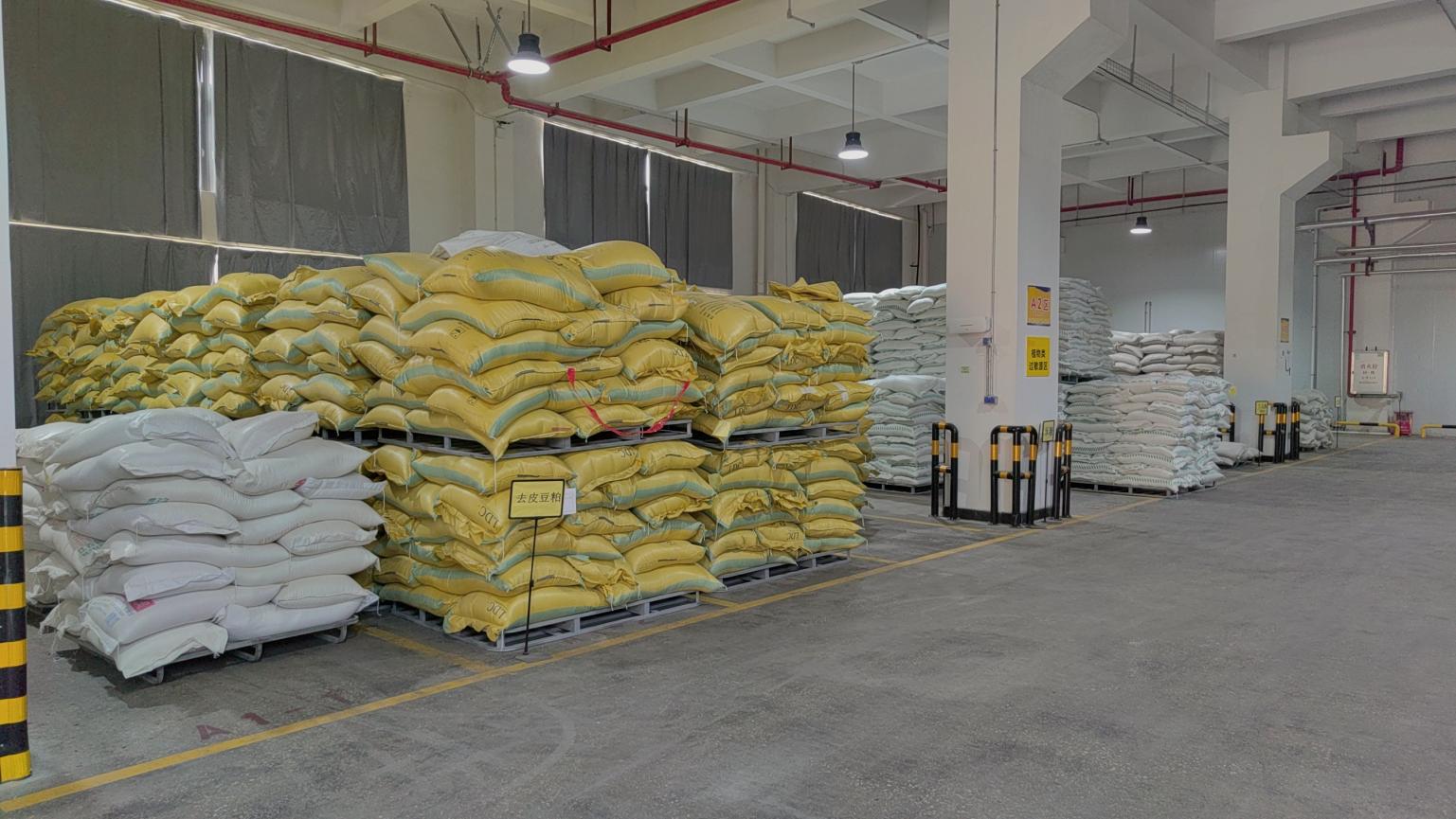
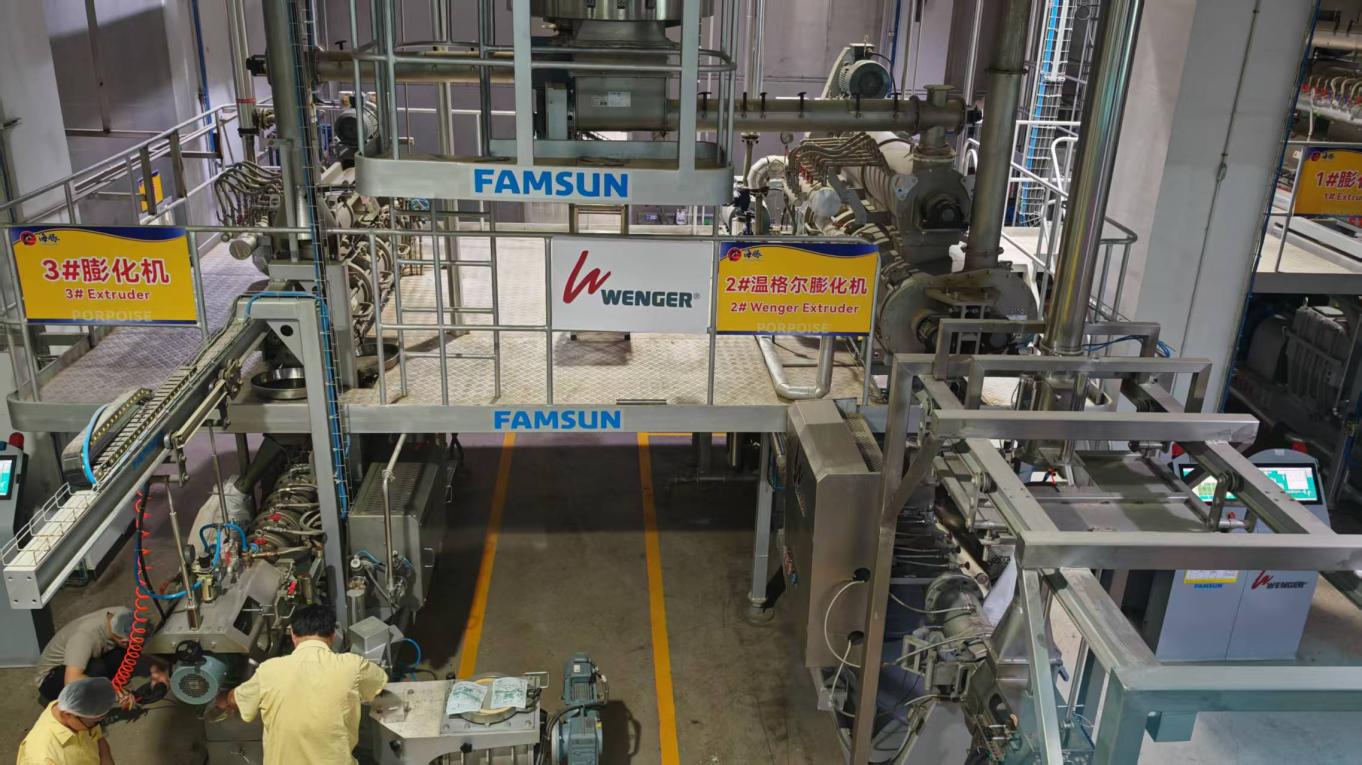
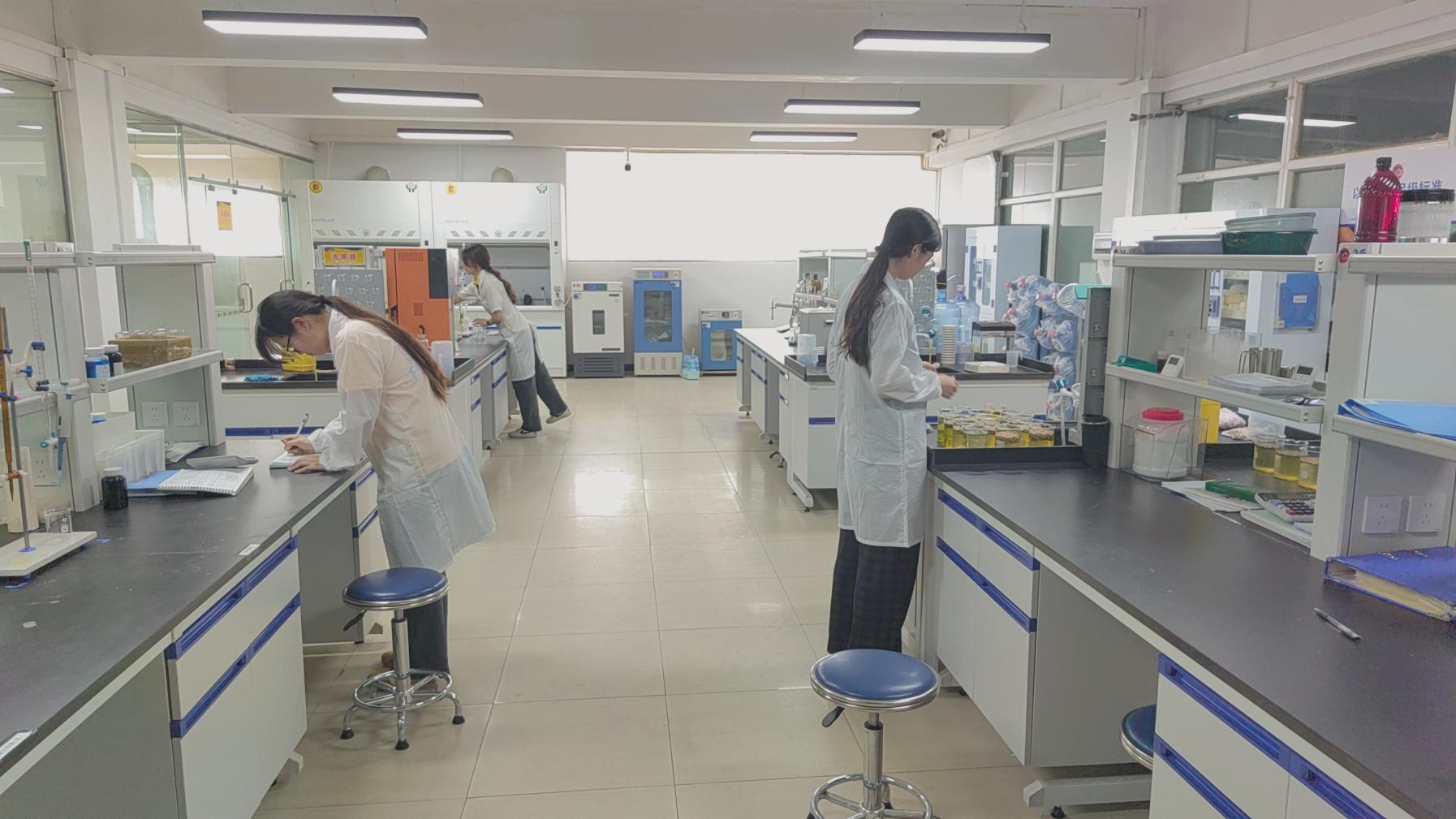
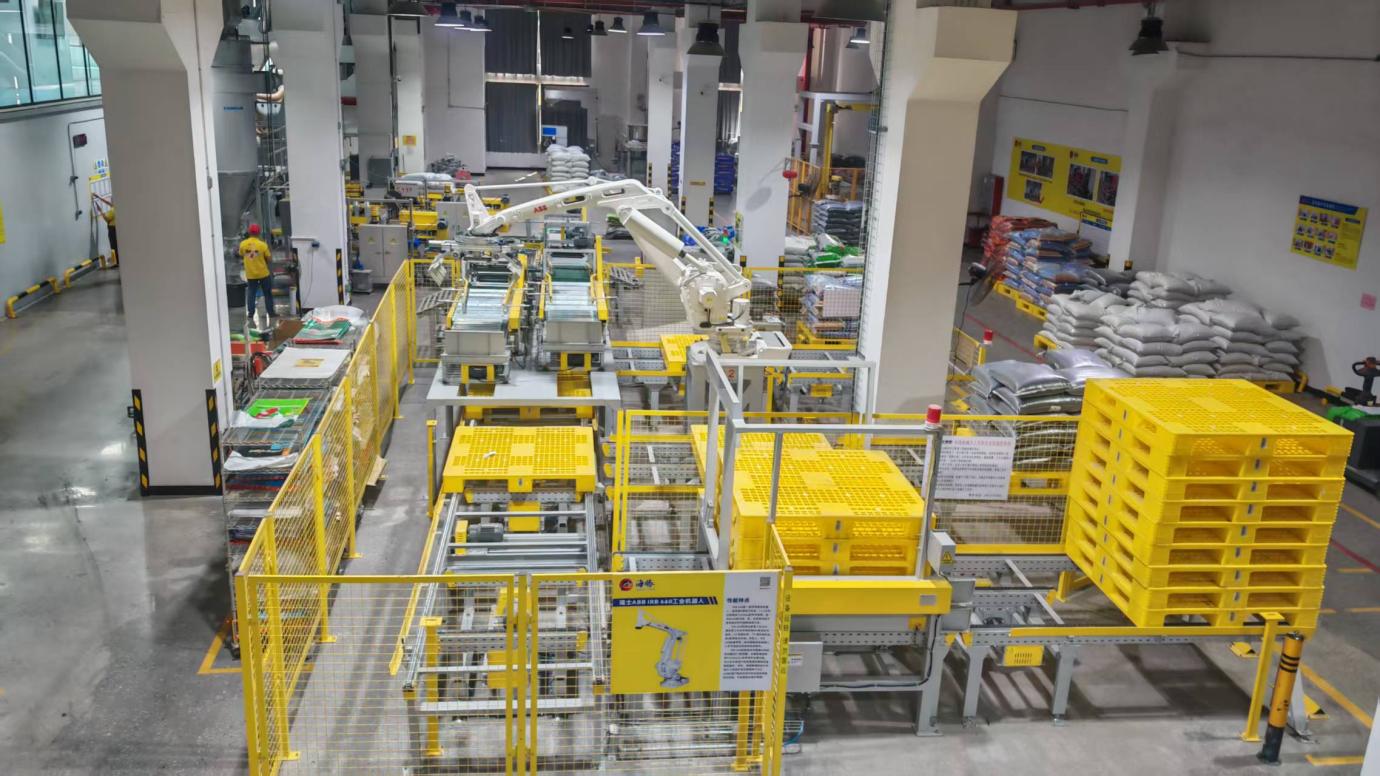
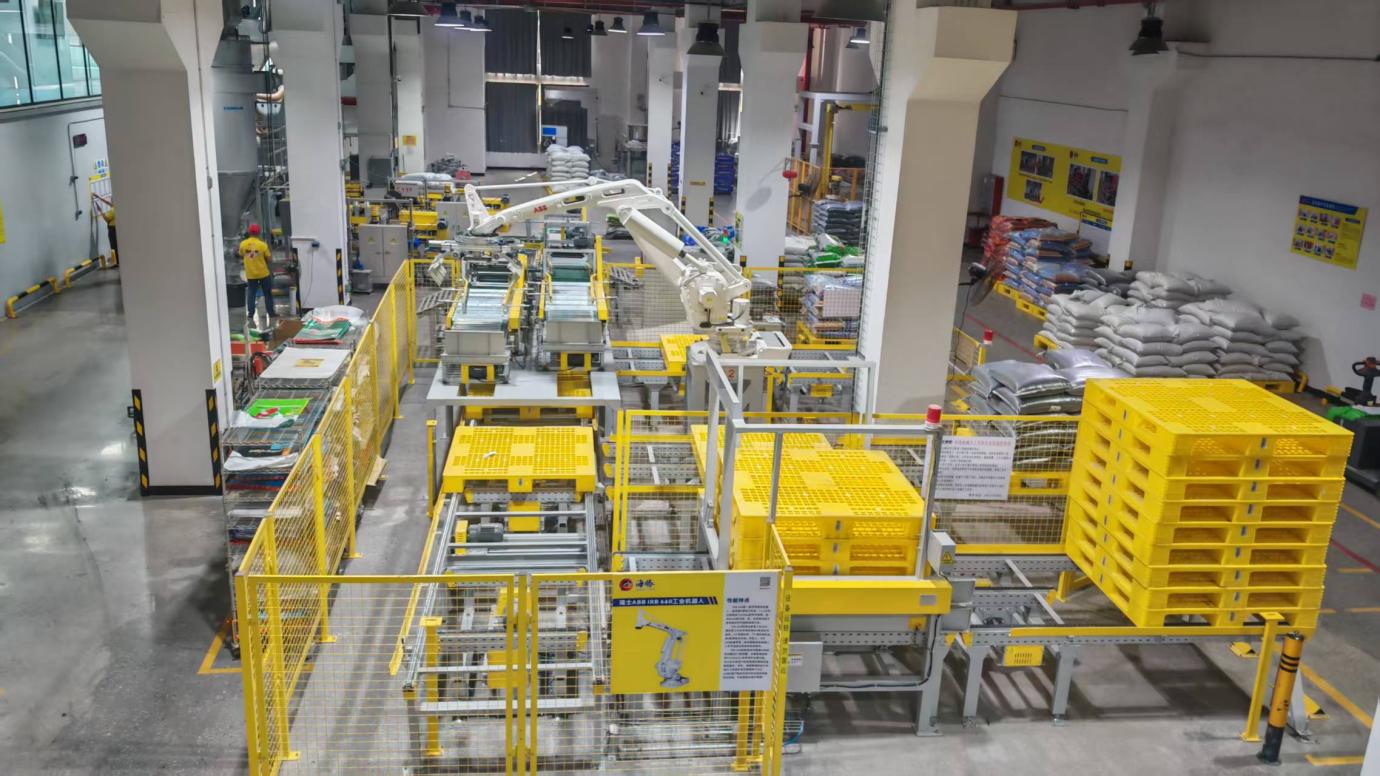
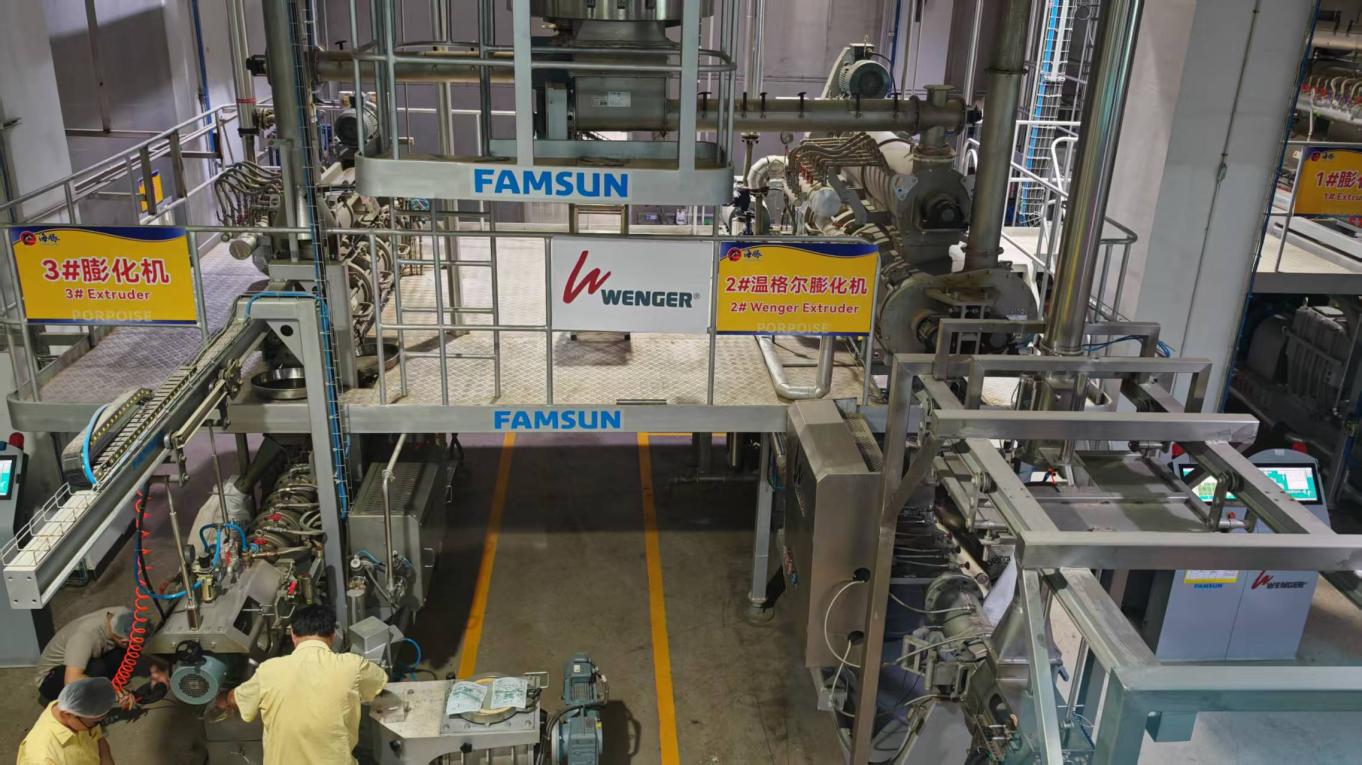
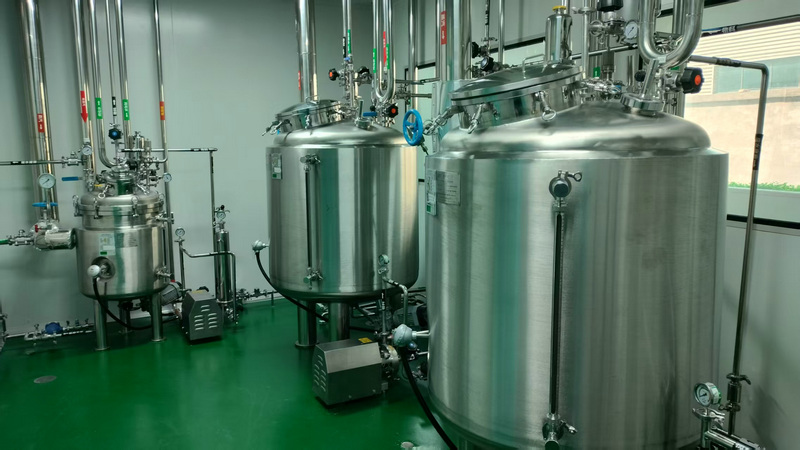
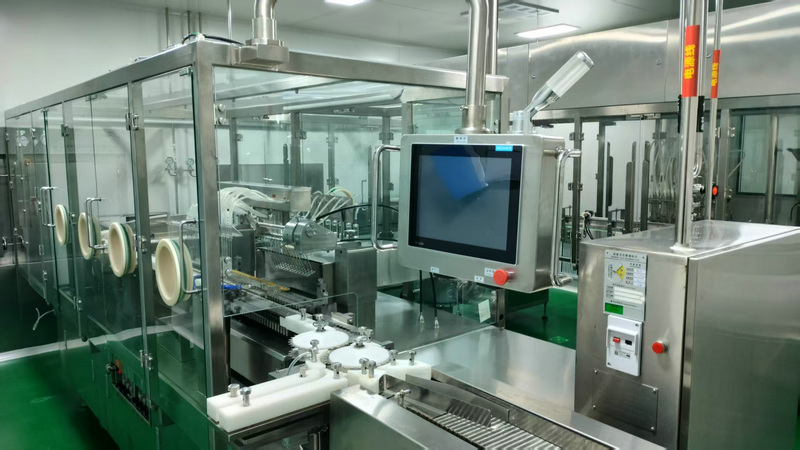
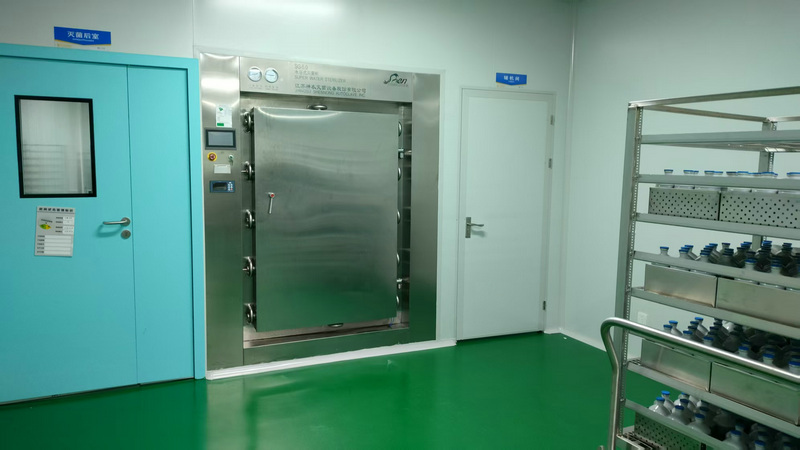
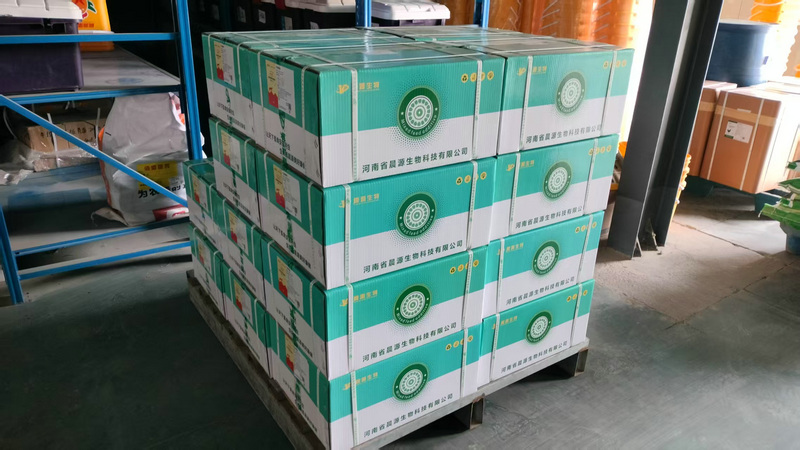
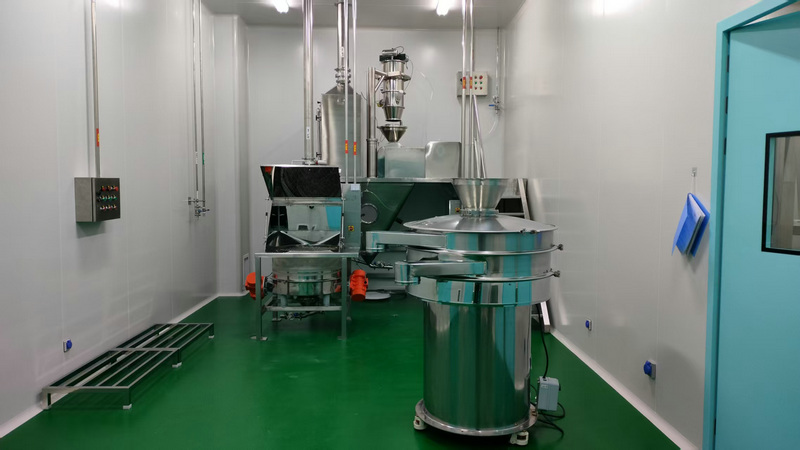
Step-by-step visual documentation of our automated raw material processing, quality inspection, and packaging workflows.

Clear, authoritative technical answers to assist global B2B procurement managers and quality assurance teams.
Engineered high-purity chemicals, functional amino acids, and specialized protein products for industrial applications.