Akston Health
Akston Health
Akston Health
Explore our high-performance bio-actives, plant extracts, and essential crop formulations optimized for international trade standards.
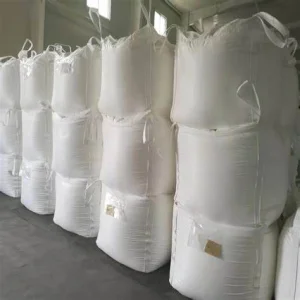
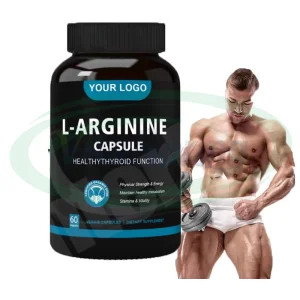
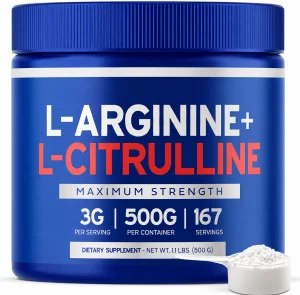
Qingdao Akston Health Co., Ltd. stands at the forefront of agricultural biotechnology, operating as a trusted manufacturer and global supplier dedicated to delivering innovative health and nutrition solutions. Our footprint spans across crucial animal nutrition matrices, integrating high-purity protein formulations, structural amino acids, and high-performance feed additives that support healthier livestock, optimized animal growth, and food safety globally.
Our comprehensive portfolio, ranging from premium choline chloride, specific plant extracts, targeted amino acids, to feed-grade minerals, enables nutritionists and industrial feed mills to build robust feed formulations. Operating alongside top-tier processing units in China, we ensure all materials, including crop-derived protein fractions, meet strict global standards of quality control and microbiological purity.
Guided by technical proficiency and long-term customer partnerships, we have built a dependable supply infrastructure connecting farms and manufacturing hubs across the Americas, Europe, the Middle East, Asia, and Africa.
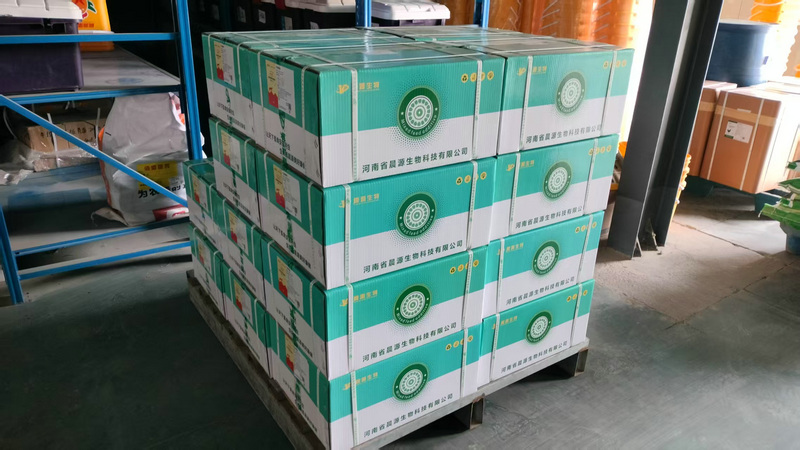
Analyzing key shifts in plant-based proteins, amino-acid fortification, and alternative raw material economics.
Global animal husbandry is transitioning away from crude soybean meal toward high-digestibility Soy Protein Concentrates (SPC). Modern feed mills prioritize SPC to minimize anti-nutritional factors (ANFs), such as antigen proteins and oligosaccharides, protecting the intestinal integrity of young animals.
Compliance standards in European and North American markets necessitate strict Non-GMO identity preservation (IP) channels. China’s premium soy protein exporters utilize native non-GMO crop areas in Heilongjiang, ensuring clean-label verification from cultivation to final logistics.
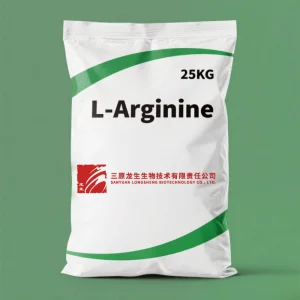
Combining plant-derived soy protein isolates with key amino acids (like Tryptophan and Arginine) helps create precision nutritional profiles. These complexes improve metabolic pathways in swine, poultry, and aquaculture species, lowering overall protein waste.
A technical reference guide for sourcing agents and formulation engineers evaluating high-grade plant proteins.
Sourcing soy protein for animal feed or human supplements requires deep evaluation of quality indices. Standard soy meal contains high concentrations of phytic acid, saponins, and trypsin inhibitors, which disrupt nutrient absorption in young animals. China’s advanced processing facilities use specialized ethanol and water extraction methods to remove these soluble carbohydrates and anti-nutritional compounds, yielding a refined product optimized for sensitive digestive systems.
When selecting a Chinese manufacturer, buyers must scrutinize physical properties such as the Protein Dispersibility Index (PDI), density, particle size, and hydration capacities. By ensuring compatibility with existing mixing equipment and processing lines, agricultural companies can significantly improve feed pelleting efficiency and reduce fine dust generation.
| Parameters | Soy Protein Isolate (SPI) | Soy Protein Concentrate (SPC) |
|---|---|---|
| Crude Protein (Dry basis) | ≥ 90.0% | ≥ 68.0% - 70.0% |
| Moisture Content | ≤ 7.0% | ≤ 8.0% |
| Ash Content | ≤ 6.0% | ≤ 6.5% |
| Crude Fiber | ≤ 0.5% | ≤ 4.5% |
| Main Application | Emulsification, Human Foods, Fine Supplements | High-end aquafeed, weaned piglets, calf milk replacers |
A step-by-step look at our quality assurance protocols, advanced swelling systems, and automated packaging lines.
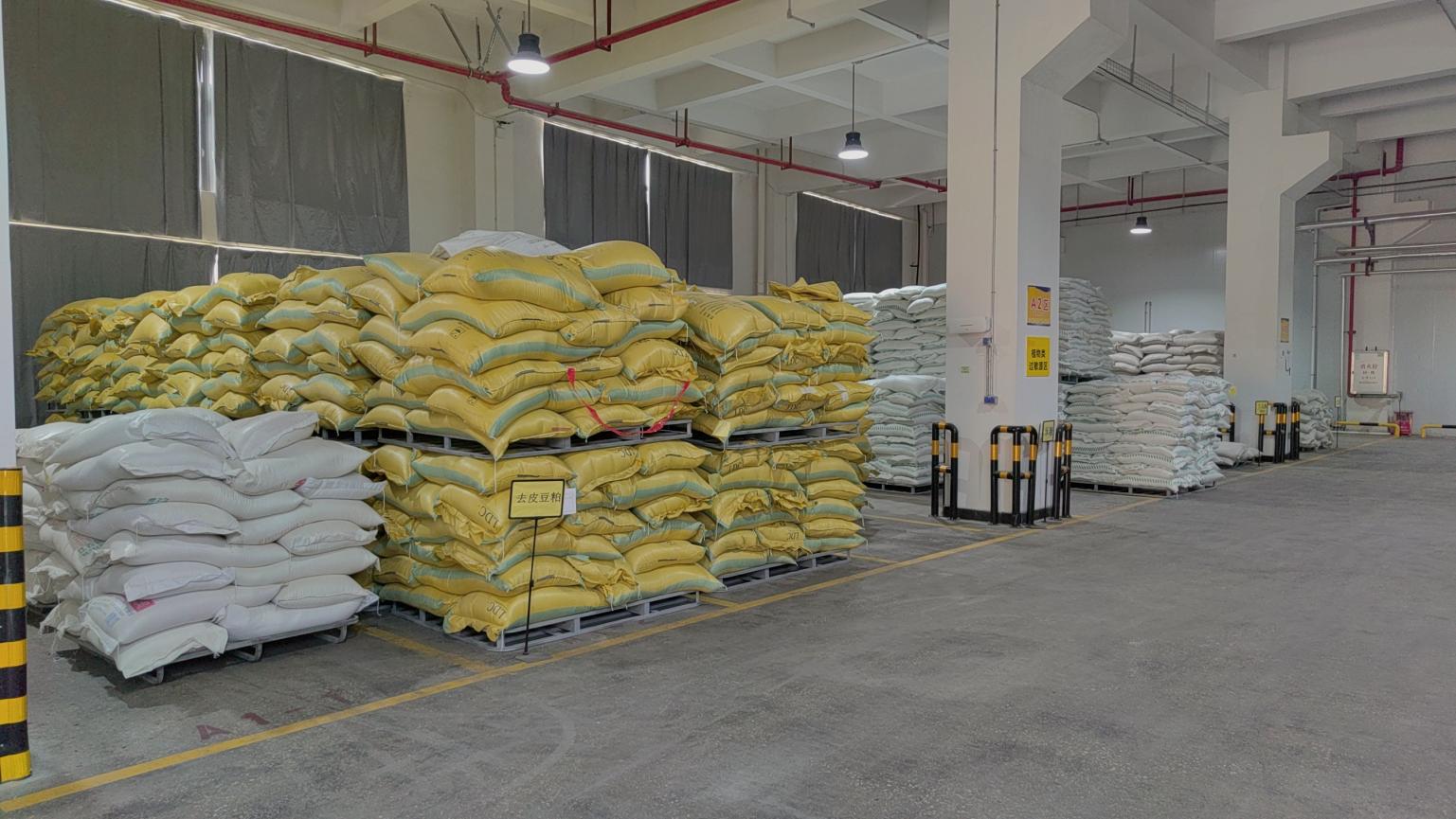
Temperature and humidity-controlled storage silos protecting raw ingredients from degradation.
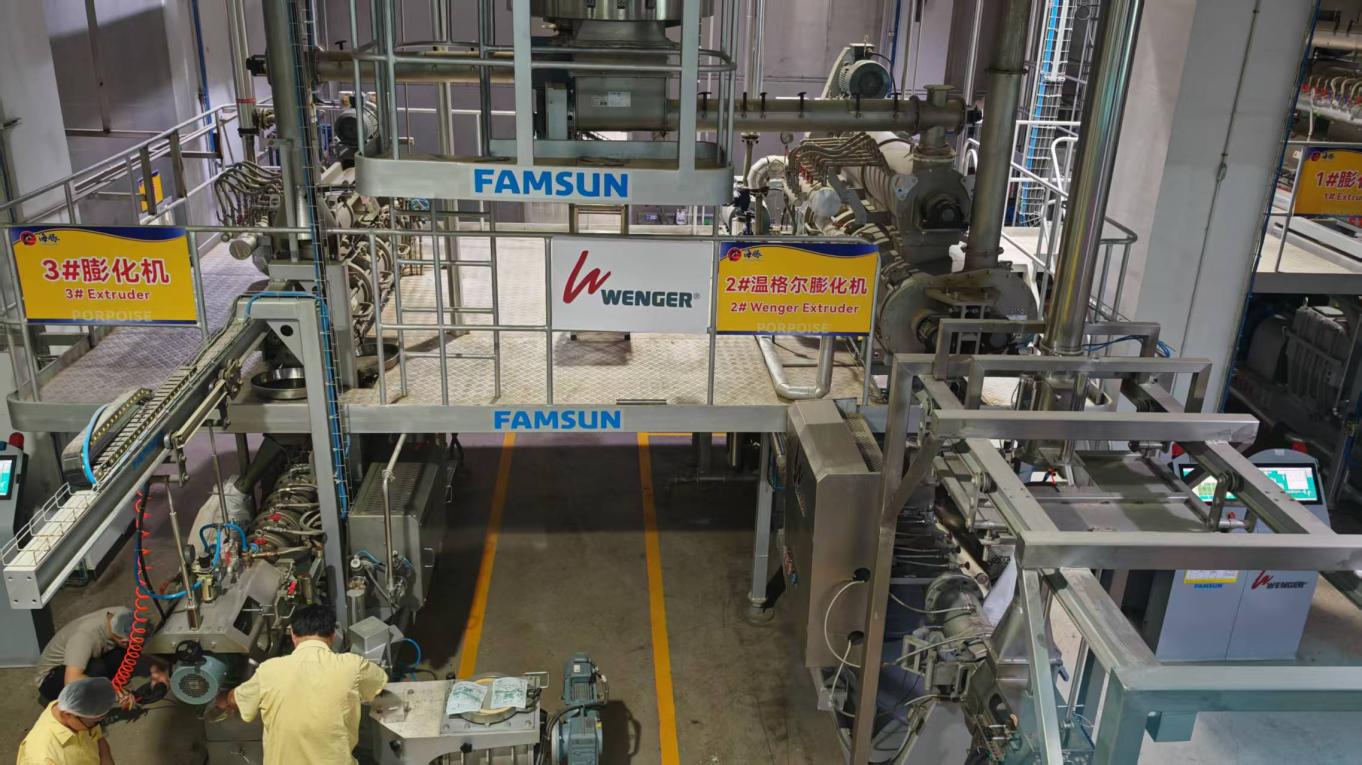
Controlled hydration swelling of protein structures to prepare them for texturization.
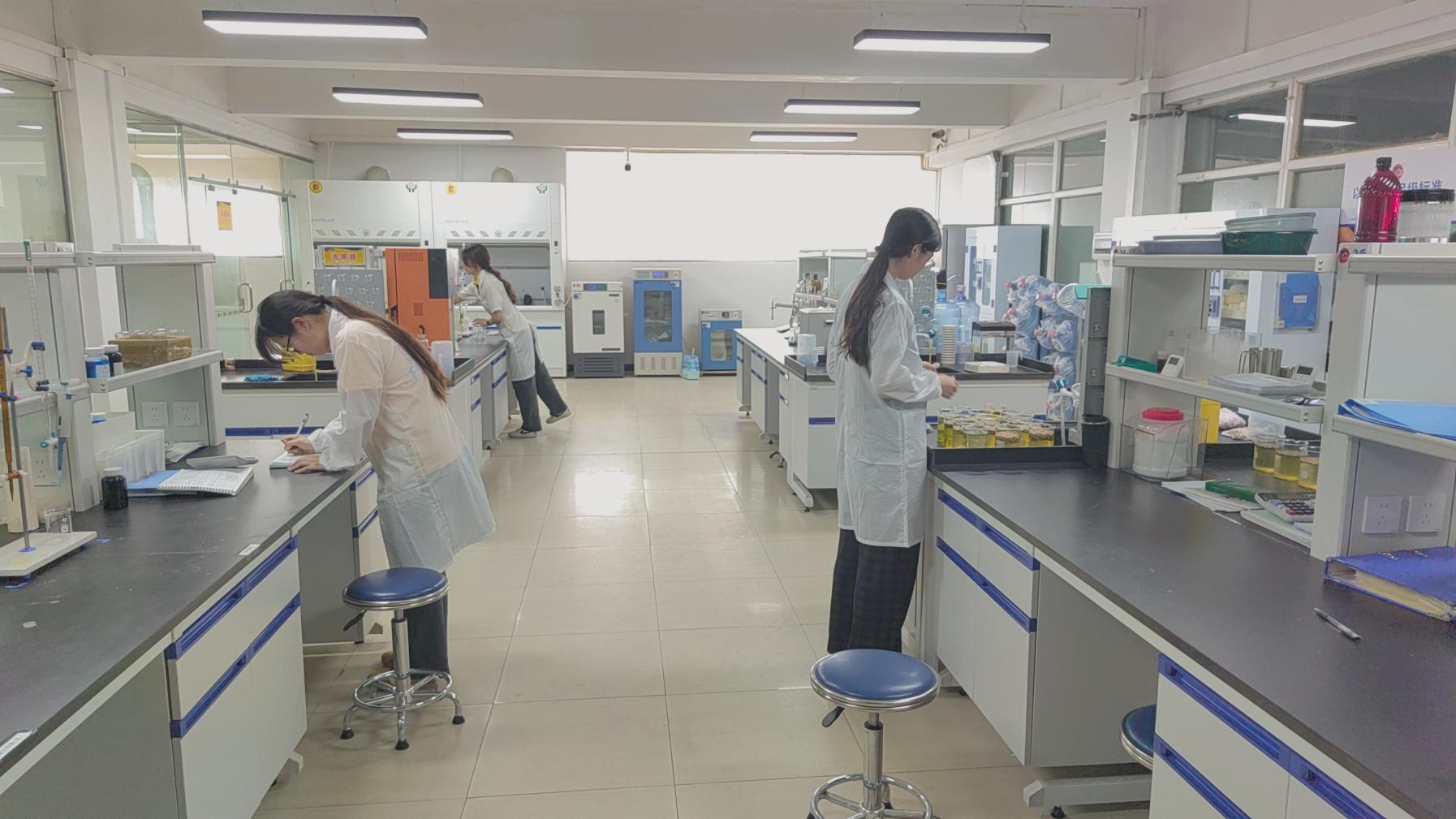
Continuous visual and sensor-based inspection checks to maintain consistent quality.
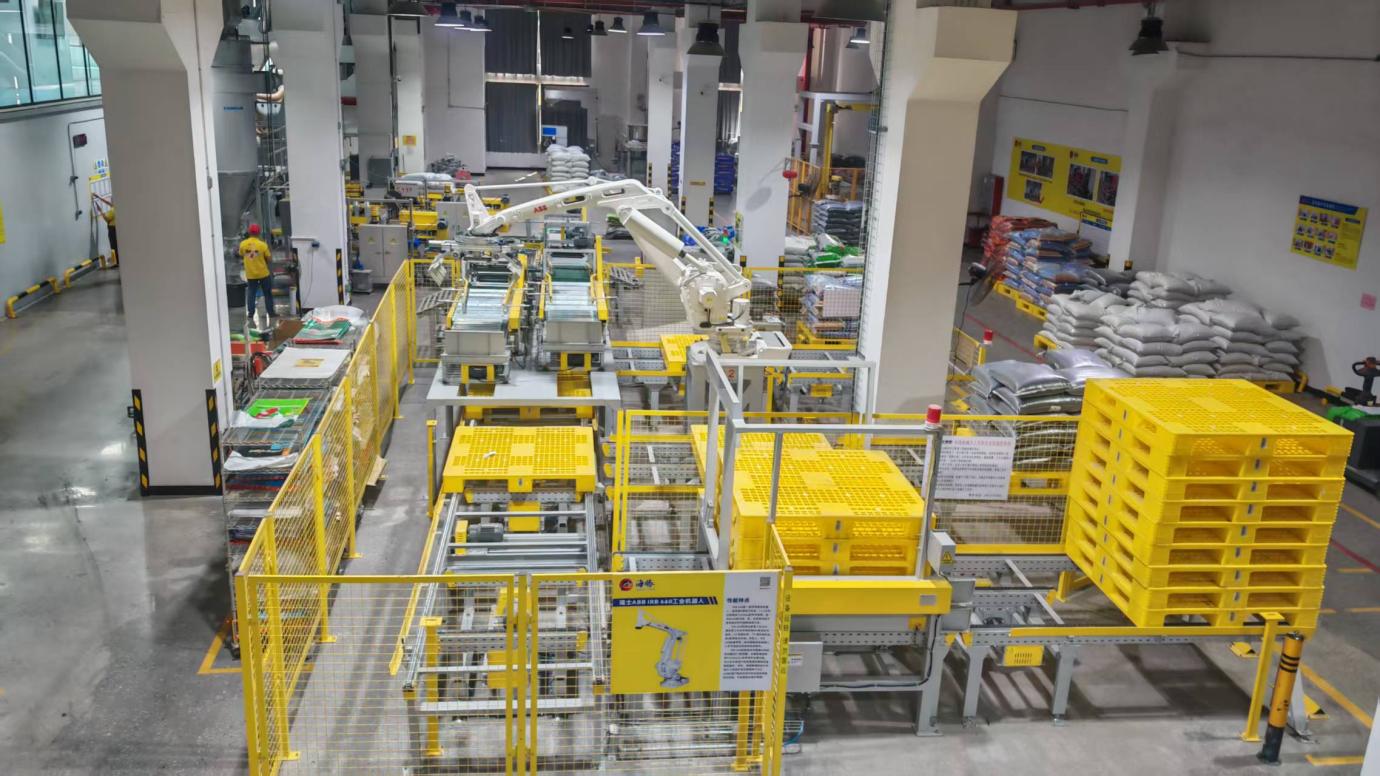
Hermetically sealed packaging line preventing contamination from moisture and dust.

Advanced automated warehousing to organize products and optimize shipping times.
Precision weighing and bagging systems that ensure uniform portion control.
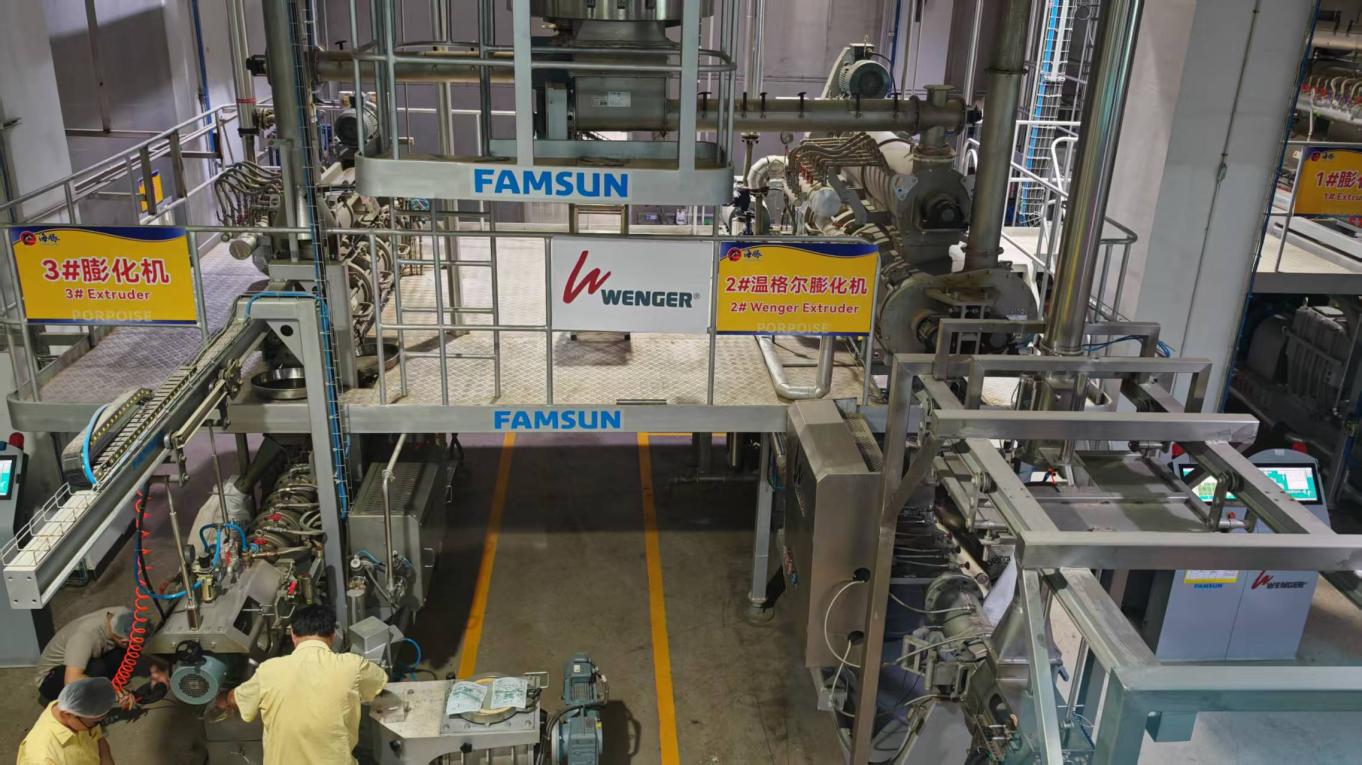
Modern thermal extrusion units that modify protein density and texture.
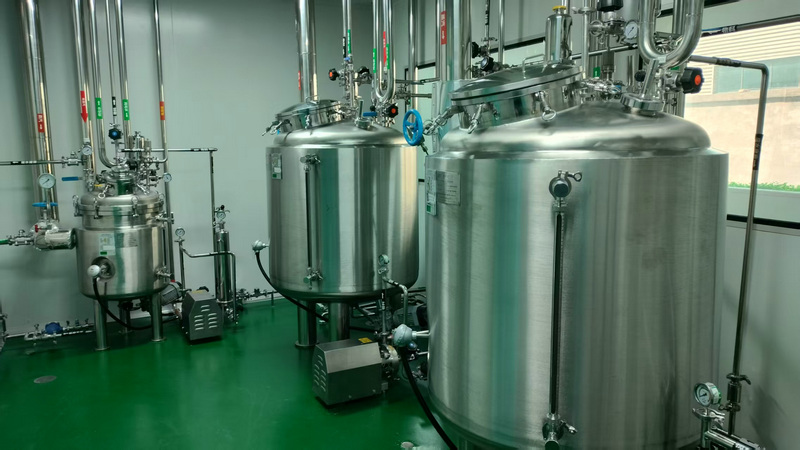
Precisely mixing micro-ingredients and proteins to create homogeneous formulas.
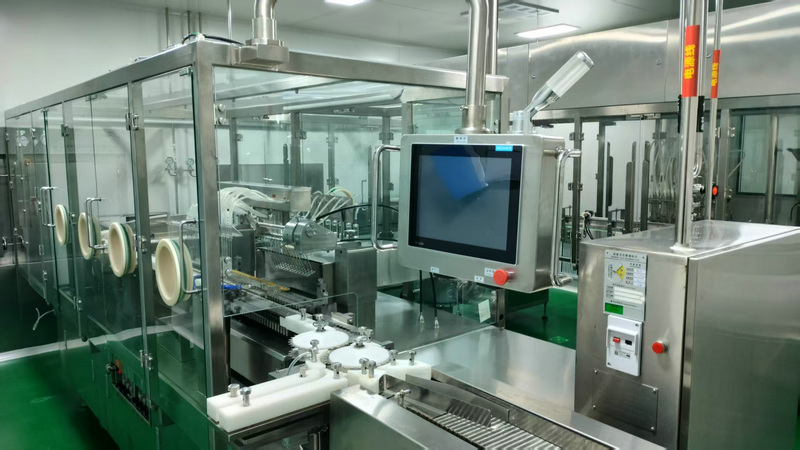
Canning lines for specialty retail products, supplements, and farm formulas.
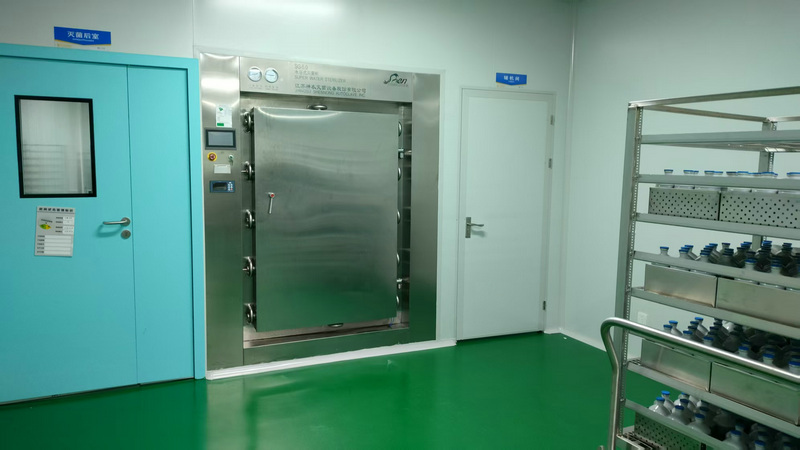
Thermal processing that eliminates potential pathogens and ensures product safety.
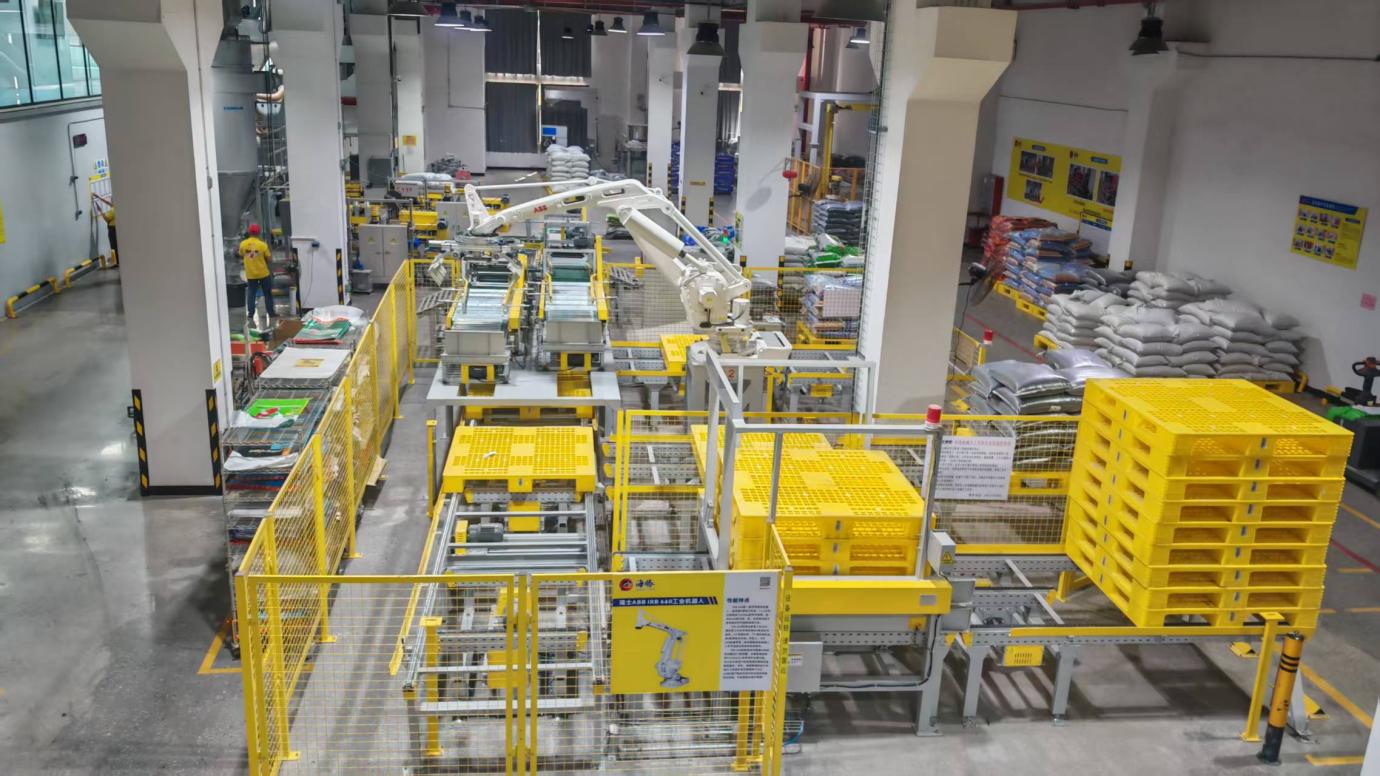
Final products palletized, quality-approved, and ready for global shipment.
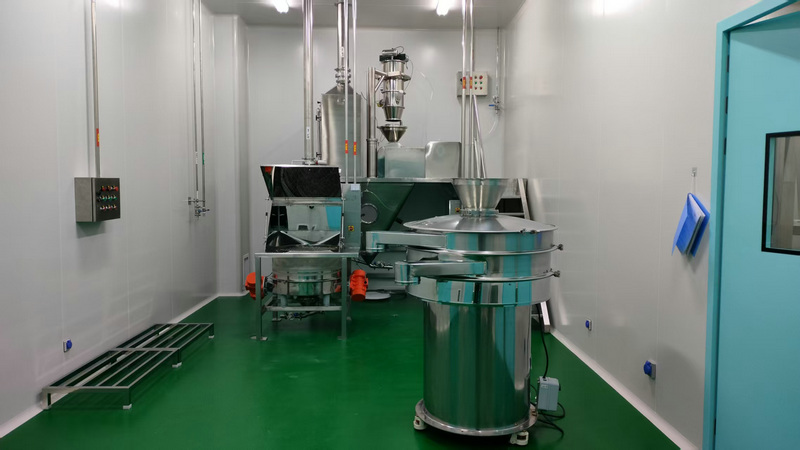
Controlled milling to ensure consistent particle size across all production batches.
How we tailor functional proteins and feed additives to meet specific industry needs.
In swine and poultry production, combining soy protein concentrates with complementary free amino acids (such as L-Arginine, L-Citrulline, and L-Tryptophan) helps optimize growth performance. This precision approach supports healthy nitrogen retention and reduces total waste excretion.
For industrial food applications, our texturizing processes create soy proteins with excellent moisture-binding and emulsification capabilities. These properties help stabilize meat analogues, processed meats, and high-protein sports nutrition blends.
Our facility maintains strict compliance with FAMI-QS, ISO 9001, HACCP, and Kosher/Halal standards. This commitment ensures that our products seamlessly integrate into global feed and food supply chains without regulatory bottlenecks.
Every shipment from Qingdao Akston Health Co., Ltd. undergoes comprehensive quality control testing. We confirm critical parameters such as protein concentration, amino acid composition, ash levels, moisture, and microbiological purity before dispatch.
We work with independent testing laboratories like SGS and Eurofins to provide clear verification of our technical specifications, including pesticide residues, heavy metal thresholds, and non-GMO certification. This reliable documentation helps simplify customs clearance and supports our partners' regulatory compliance efforts.
Our experienced support team helps coordinate shipping, customs procedures, and provides technical assistance to ensure smooth product delivery and application.
Find answers to common questions about specifications, logistics, and product applications.
The primary difference is the protein concentration and processing method. Soy Protein Isolate (SPI) undergoes extra purification steps to remove nearly all non-protein components, yielding a protein content of ≥90%. It is highly soluble and ideal for emulsified food systems and dietary supplements. Soy Protein Concentrate (SPC) typically contains 65–70% protein, retaining more natural dietary fiber, and is widely used in livestock feed, aquaculture, and pet foods.
We work with trusted farmers and processing facilities in northern China that source exclusively from non-GMO soybean crops. We implement strict segregation protocols throughout storage, transport, and processing, backed by regular PCR testing and identity preservation (IP) documentation for every export batch.
While soy protein offers a balanced amino acid profile, it can have limiting levels of certain essential amino acids like methionine. Fortifying soy-based diets with crystalline amino acids (such as L-Arginine or L-Tryptophan) helps balance the nutritional profile, supporting gut health, immune function, and weight gain in young livestock.
We offer standard packaging in 20kg or 25kg multi-wall paper bags with PE inner liners, as well as 500kg, 800kg, and 1000kg bulk jumbo bags (FIBC) to match your storage and handling setup. Container liners and desiccant packs are used to prevent moisture uptake during ocean shipping.
Our partner facilities hold ISO 9001, HACCP, GMP+, and FAMI-QS certifications for animal feed additives, along with Kosher and Halal compliance for food-grade protein isolates.
Review our broader range of industrial, supplement, and feed ingredients designed for diverse agricultural applications.