1 / 5
 Akston Health
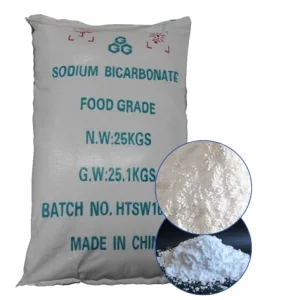
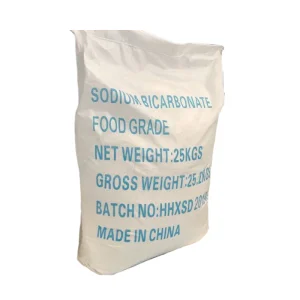
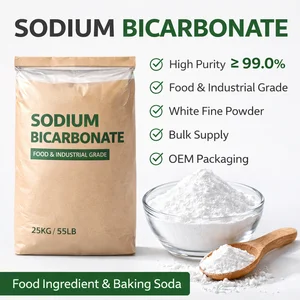
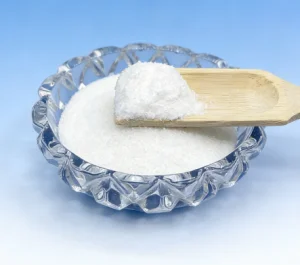
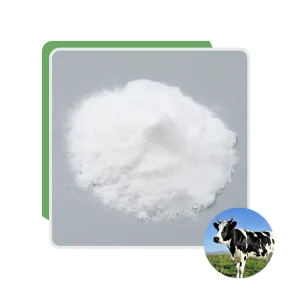
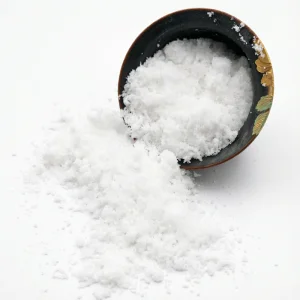
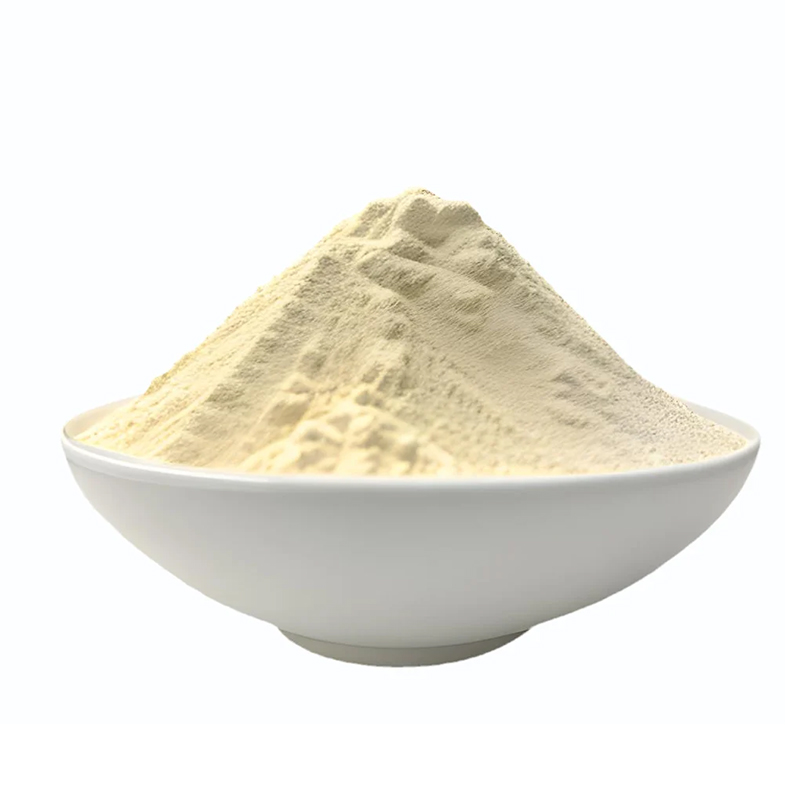
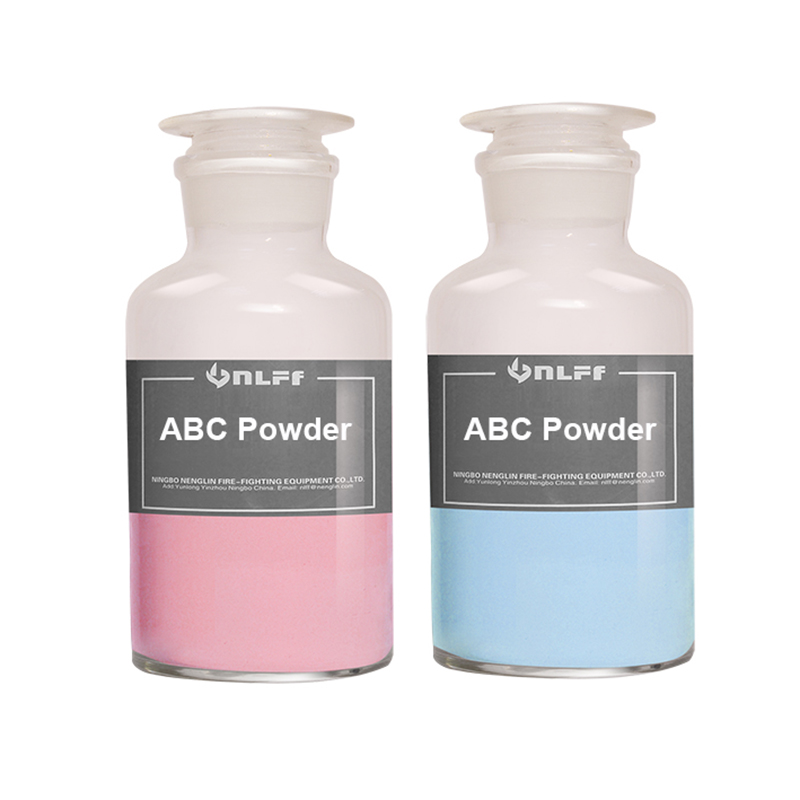
This powder is an efficient BC type dry chemical extinguishing powder. It is based on sodium bicarbonate. The active ingredient is mixed with additives (hydrophobic ingredients based on silicone) for improving its fluidity and making it resistant to extreme weather conditions. Sodium bicarbonate BC powder is AFFF foam compatible.
This powder is used in:
⚠️ This powder is not appropriate for extinguishing metal fires.
It may be used in both, hand portable and wheeled extinguishers, vehicles and fixed systems. The use of nitrogen as propellant is advisable. Compressed air, or carbon dioxide may also be used.
BC powder does not contain harmful ingredients. Under normal conditions of use, it is environmental friendly and non-toxic to humans and animals.
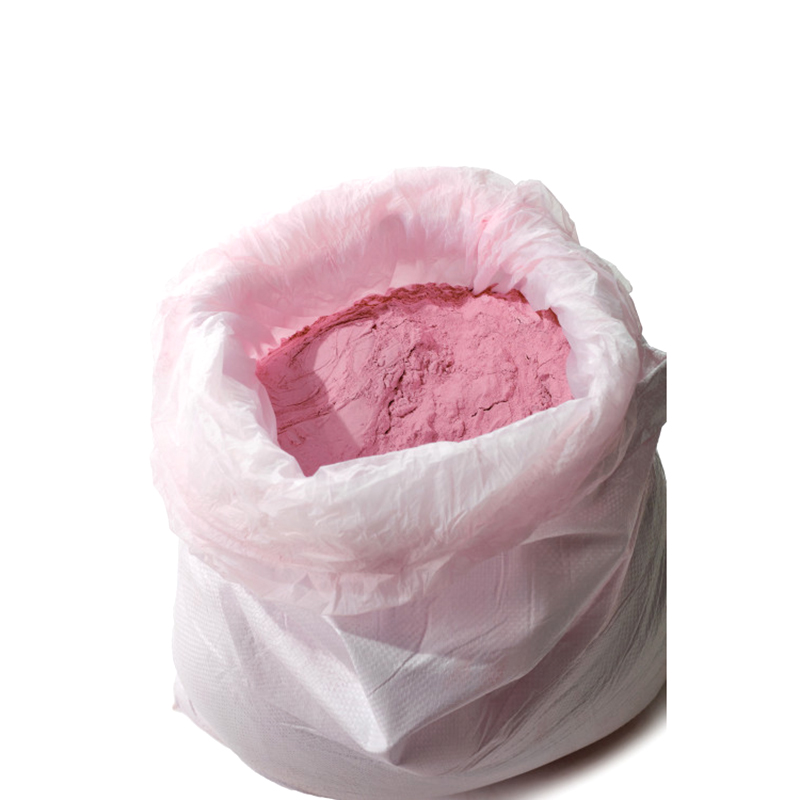
The most common presentations of BC powder are:
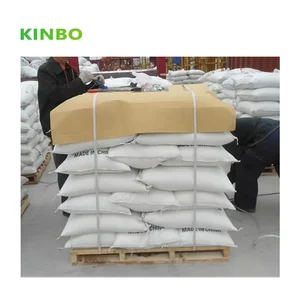
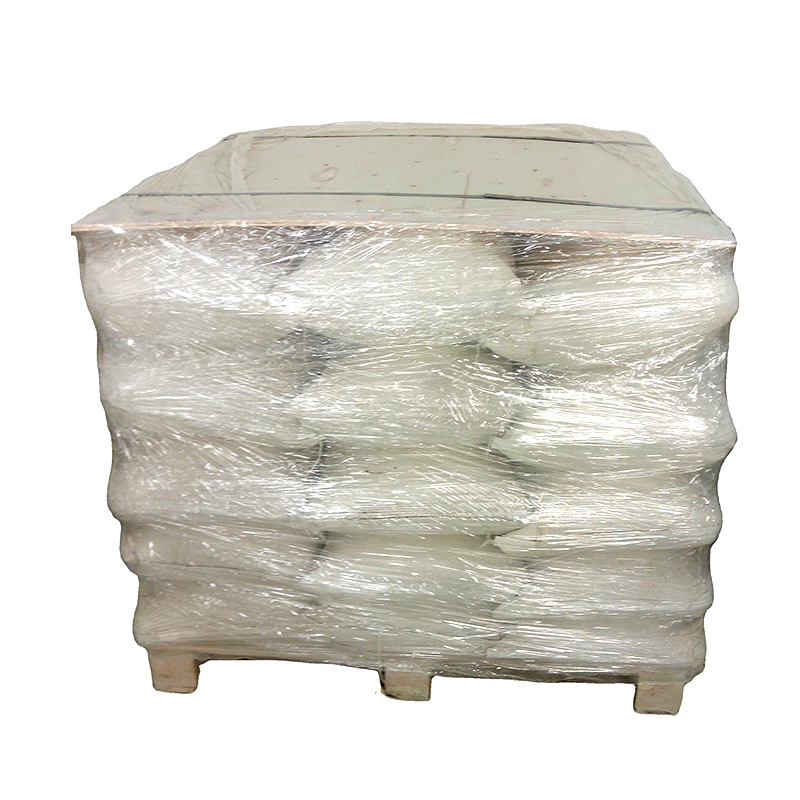
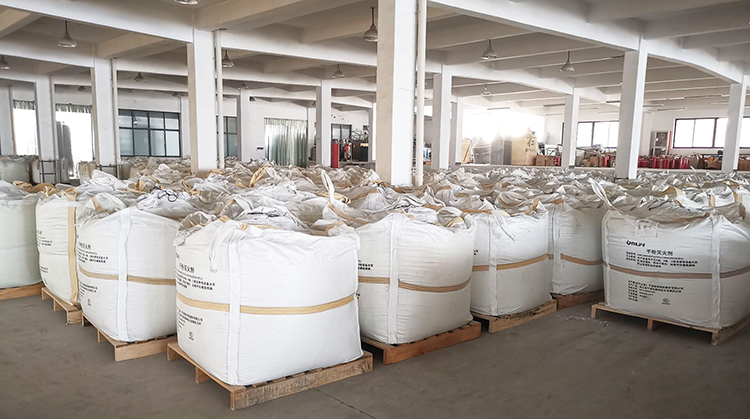
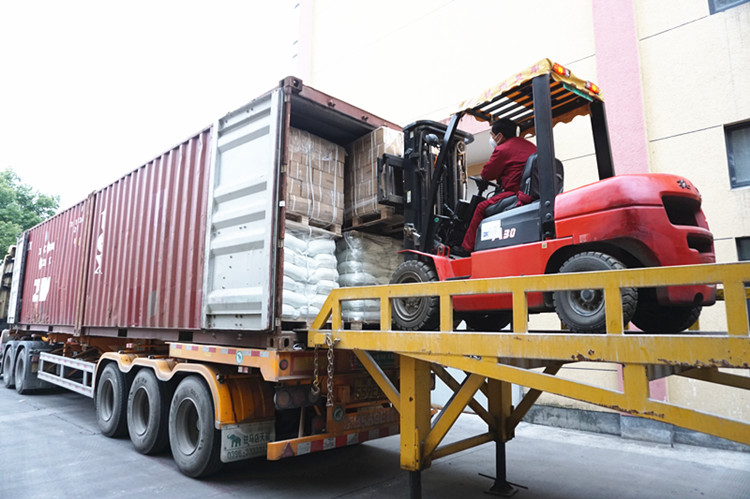
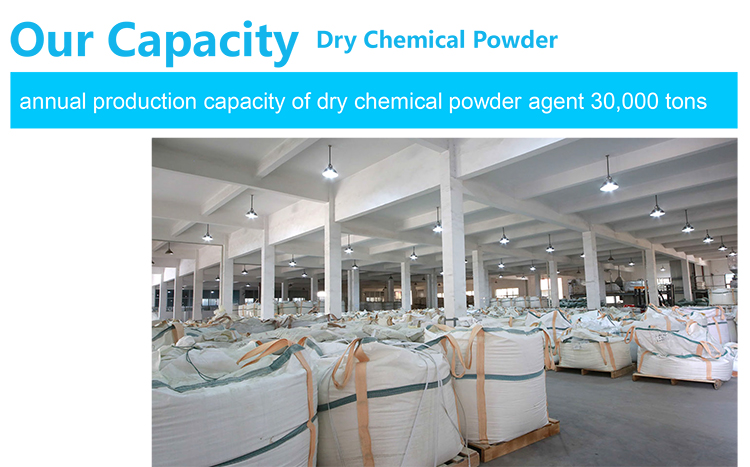
The packages are shipped in non-returnable pallets and managed with polyethylene film.
Dry chemical powders are formulated so that they are not affected by long-term storage. As a general guide all powders are stable at low temperatures down to -60ºF (-54ºC), with an upper storage limit of 120ºF (49ºC).

The main active ingredient is Sodium Bicarbonate. It is combined with specialized hydrophobic silicone additives to improve fluidity and ensure resistance to extreme weather conditions.
It is designed for Class B fires (involving flammable or combustible liquids/gases) and Class C fires (involving energized electrical equipment). It is not suitable for metal fires.
No, BC dry chemical powder does not contain harmful ingredients. Under normal usage, it is completely non-toxic and environmentally friendly to both humans and animals.
Yes, this Sodium Bicarbonate based BC dry chemical powder is fully compatible with AFFF (Aqueous Film Forming Foam) systems.
The use of nitrogen as a propellant is highly advisable. However, compressed air or carbon dioxide (CO2) can also be used depending on the system configuration.
The powder should be kept dry. It is highly stable and formulated to withstand long-term storage without quality degradation, remaining stable in temperatures from -60ºF (-54ºC) up to 120ºF (49ºC).