Akston Health
Akston Health
Akston Health
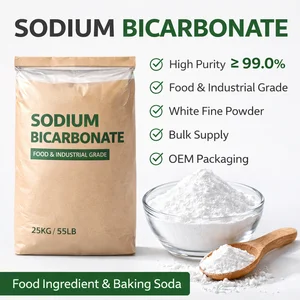
Direct supply from state-of-the-art manufacturing facilities, engineered to meet stringent United States commercial and industrial specifications.
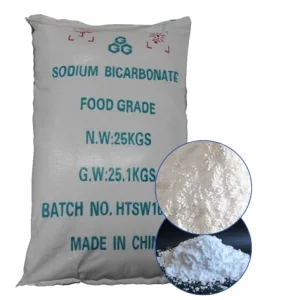
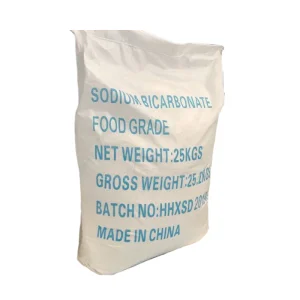
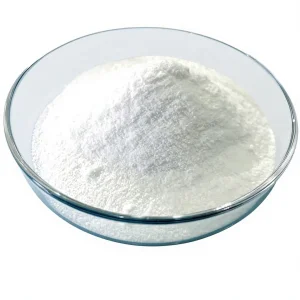
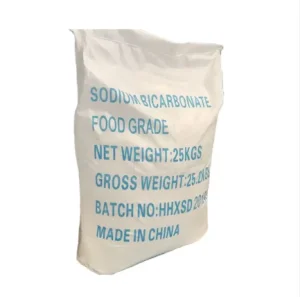
The United States sodium bicarbonate (NaHCO₃) market represents one of the most mature yet dynamic industrial chemical sectors globally. Driven by rigorous regulatory frameworks, sustainability initiatives, and evolving industrial production landscapes, domestic demand for high-purity sodium bicarbonate has expanded rapidly. Major consumption hubs located along the Gulf Coast, Midwest agricultural belts, and North American industrial corridors dictate a steady demand for continuous sourcing options.
Traditionally supplied by domestic trona ore carbonation processes and Solvay synthesis plants, the market is facing supply chain bottlenecks, rising energy expenses, and logistics disruptions. As a result, Tier-1 buyers in the US—ranging from municipal water plants to commercial bakeries and large-scale feed mills—are actively seeking diversified import channels to build resilient supply chains. The need for a strategic global supply partner that can provide physical and chemical consistency is paramount.
Whether it is utilized as a raising agent in the industrial baking sector, a buffer in livestock feed, an acid neutralizer in water treatment facilities, or a dry sorbent injection (DSI) agent to curb acid emissions in coal-fired power stations, sodium bicarbonate serves as a vital component across the United States commercial fabric.
Data-driven indicators highlighting the scale of sodium bicarbonate application in North American industries.
To bridge the supply gap, Akston Health offers high-grade NaHCO₃ products designed to meet standard chemical criteria, securing logistical lines directly into US container terminals.
A deep scientific look into synthesized and mineral-sourced sodium bicarbonate processing lines.
Integrating ammonia, carbon dioxide, and sodium chloride solution to produce high-purity sodium bicarbonate while recovering ammonium chloride as a by-product. Highly optimized for resource efficiency.
A classical pathway utilizing brine, limestone, and ammonia. Through carbonation of ammoniacal brine, crude sodium bicarbonate precipitates, which is subsequently calcined and refined to meet top food/feed certifications.
Processing mined trona (sodium sesquicarbonate) by dissolving, filtering, and carbonating with CO₂ gas to recrystallize premium, low-impurity sodium bicarbonate. Crucial for massive scale demands.
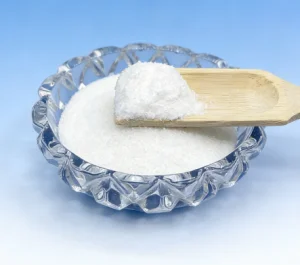
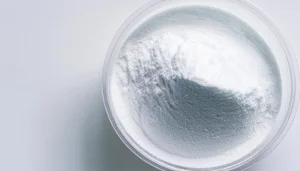
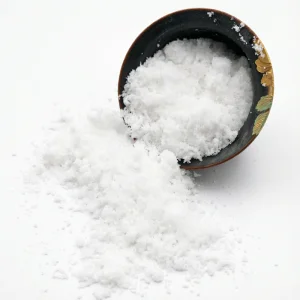
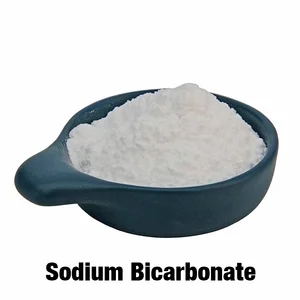
Particle Size Distribution (PSD) Control: In industrial applications, the physical state of NaHCO₃ dictates its performance. We employ advanced mechanical screening and air classification systems to offer coarse, powder, and granular specifications. Our coarse grades feature anti-caking properties optimized for automated bulk silos, whereas our fine powder lines are tailored for immediate solubility in animal nutrition feed streams and beverage processing systems.
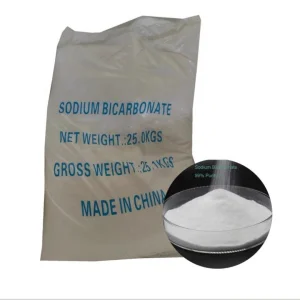
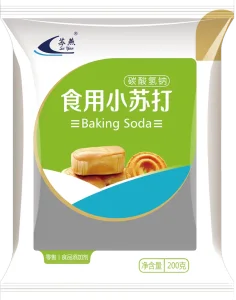
Tailored purity grades, particle sizes, and packing specifications for mission-critical operations in the United States.
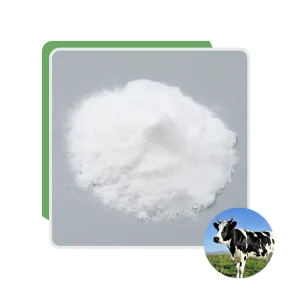
Rumen health is a primary driver of productivity in the dairy and beef sectors across states like Wisconsin, California, and Texas. Dietary electrolyte balance (DEB) is highly affected by feed intake. Using our feed-grade sodium bicarbonate helps neutralize volatile fatty acids in the rumen, preventing subacute rumen acidosis (SARA), increasing milk fat production, and maintaining optimal dry matter intake. In poultry operations, it supports shell thickness and improves heat stress recovery without adding excess chloride.
Under EPA regulations, US industrial boilers and coal-fired utilities must strictly regulate emissions of acid gases, specifically sulfur dioxide (SO₂), hydrochloric acid (HCl), and hydrofluoric acid (HF). Direct injection of fine-grind sodium bicarbonate into the hot flue gas stream triggers thermal decomposition, generating active sodium carbonate with high surface area porosity. This reaction effectively absorbs up to 95% of acid gases in milliseconds, bypassing the need for capital-intensive wet scrubbing systems.
Our food-grade sodium bicarbonate acts as a premium chemical leavening agent for industrial baking plants, snack food producers, and commercial bakery mixes. In contact with moisture and an acid component, it releases carbon dioxide gas, expanding cell walls to yield consistent textures and crust volumes. With heavy metals monitored at less than 5ppm, it exceeds the strict guidelines established by the FDA and the Food Chemicals Codex (FCC).
In the plastics, rubber, and paint coatings industry, sodium bicarbonate functions as an eco-friendly chemical blowing agent. Upon thermal exposure during extrusion or injection molding, it decomposes endothermically, releasing clean CO₂ gas to produce structural foam profiles. It is widely used in PVC masterbatches, offering controlled foaming, uniform cell structure, and improved thermal insulation properties in finished goods.
Inside Akston Health's highly automated, clean-label manufacturing corridors ensuring consistent chemistry and absolute purity.
Qingdao Akston Health Co., Ltd. is a trusted manufacturer and global supplier dedicated to delivering innovative health, chemical, and nutrition solutions. With a strong commitment to quality, sustainability, and continuous innovation, we provide high-performance feed additives and industrial chemical ingredients that support healthier livestock, improved productivity, and safer food production worldwide.
Driven by integrity, innovation, and customer satisfaction, Qingdao Akston Health Co., Ltd. has established long-term partnerships with clients across Asia, Europe, the Middle East, Africa, and the Americas. We are committed to creating lasting value through reliable products, competitive pricing, efficient supply chain management, and responsive customer service.
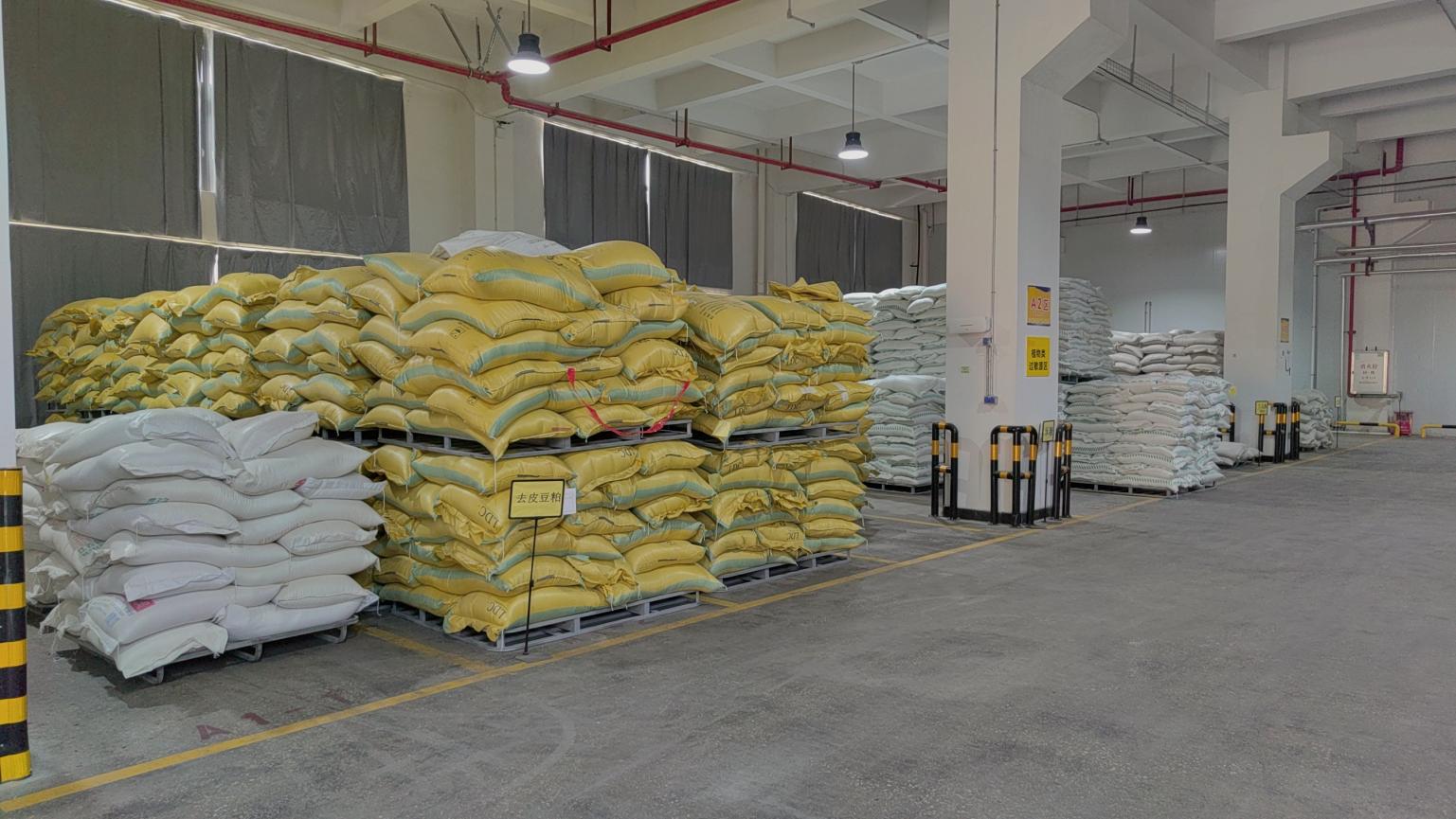
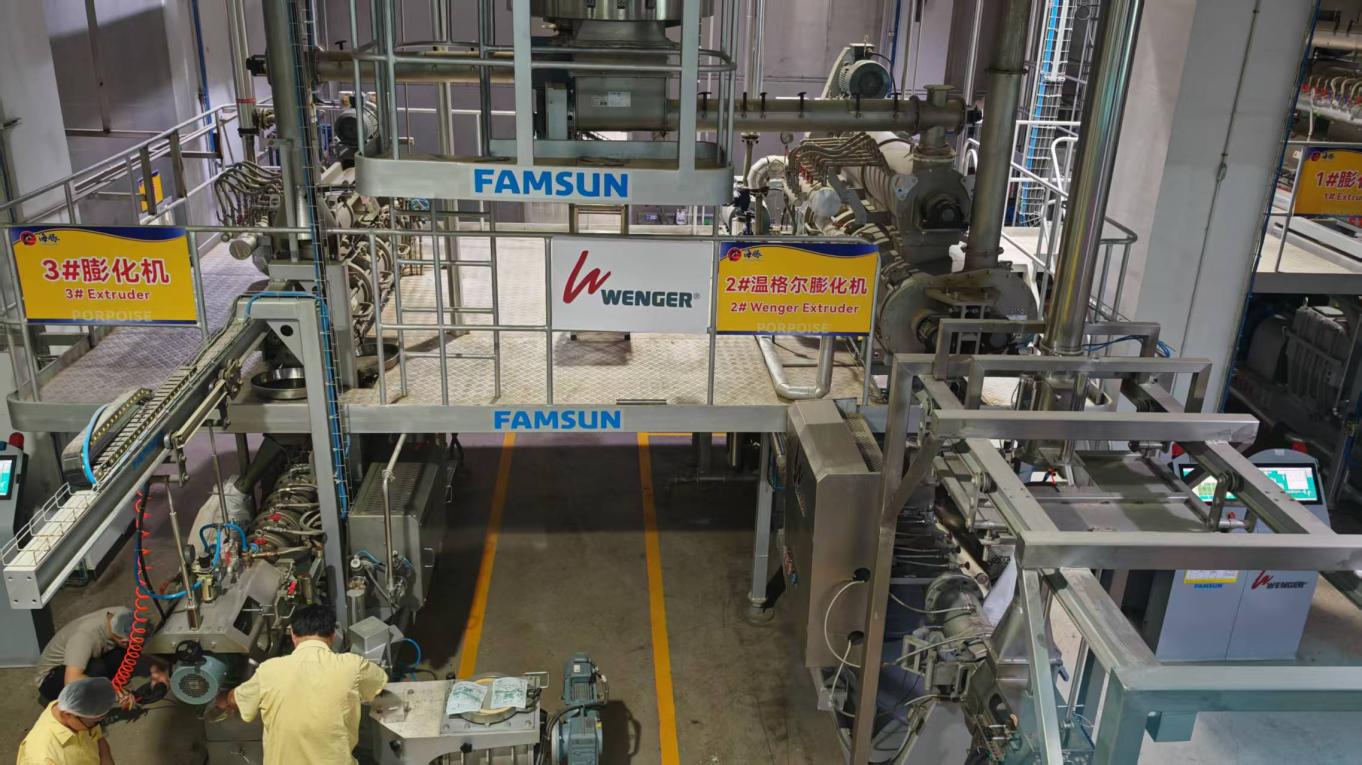
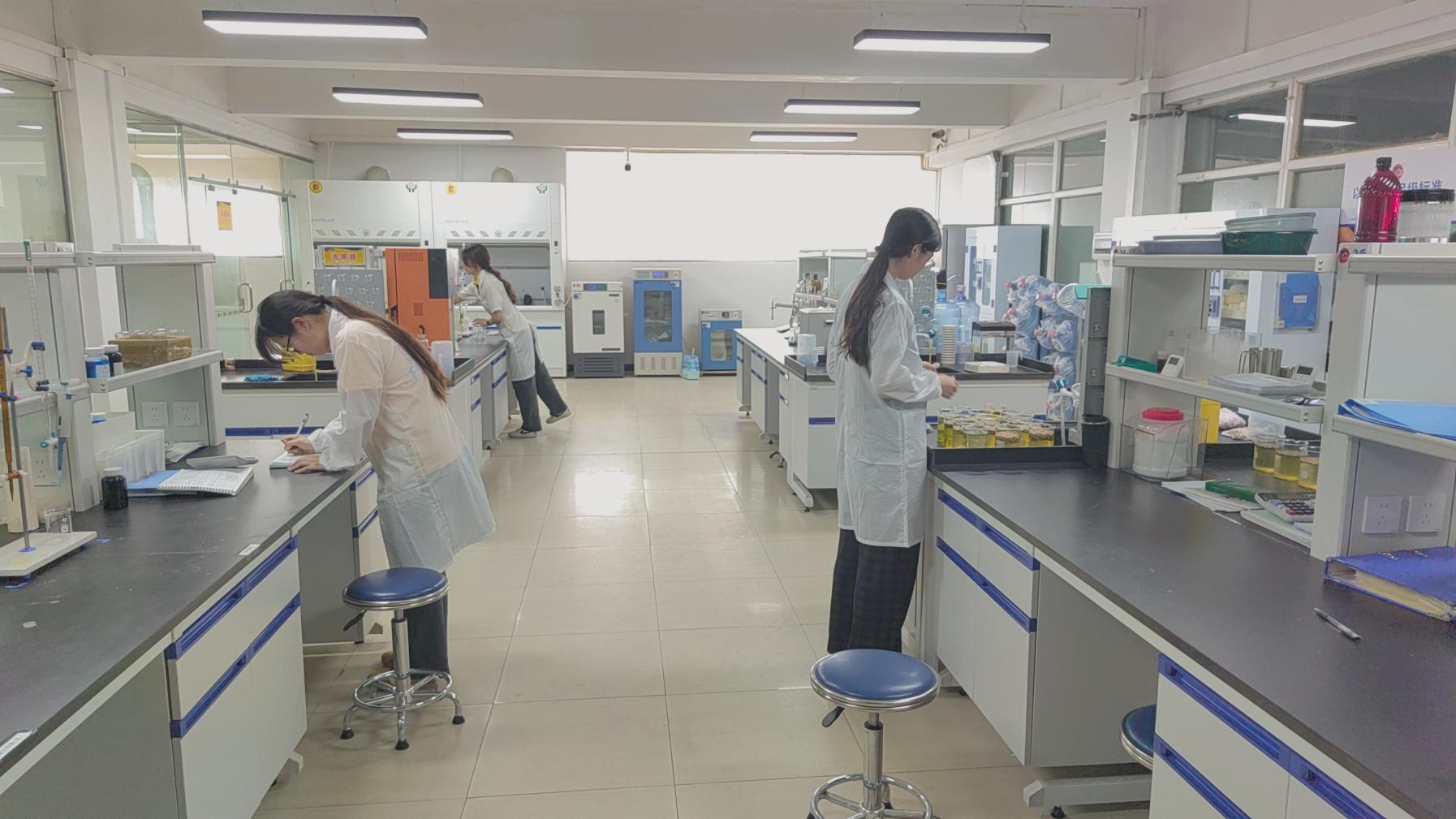
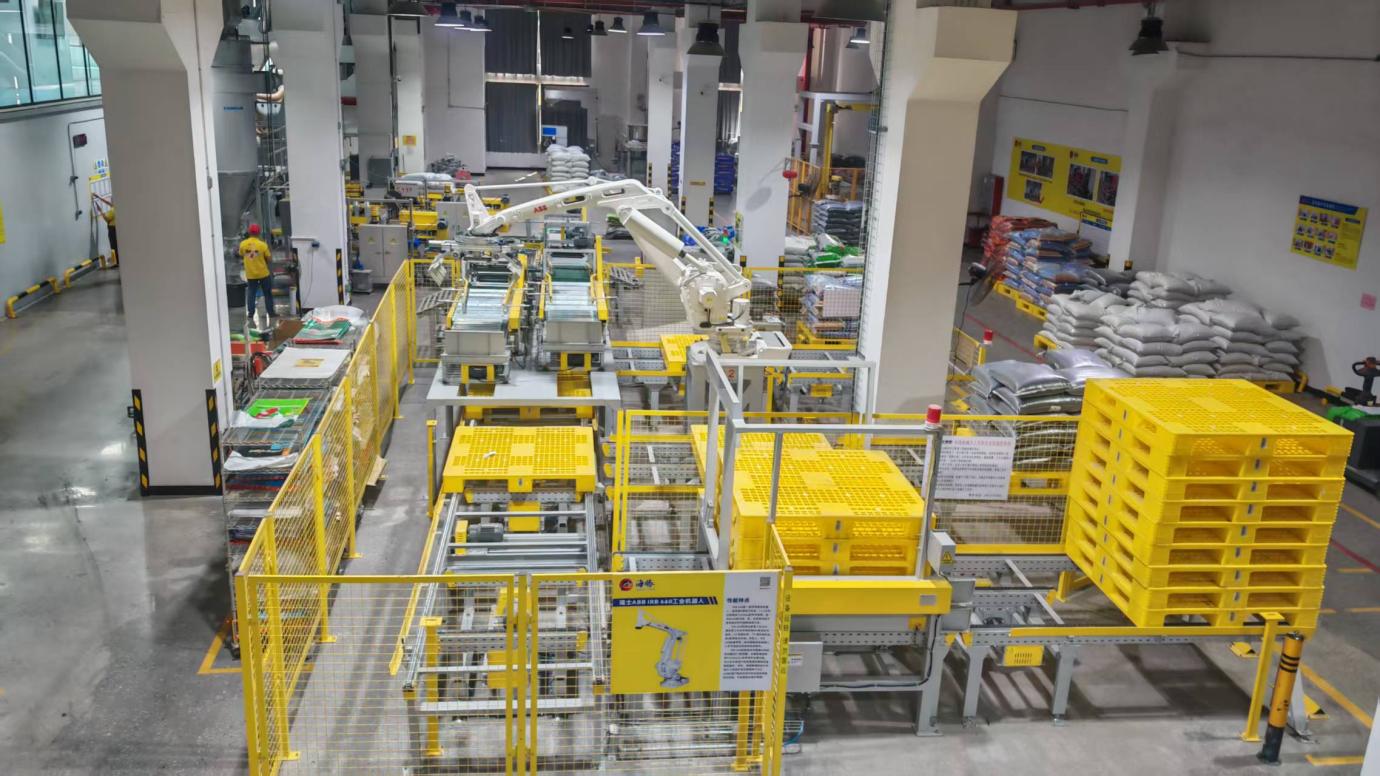
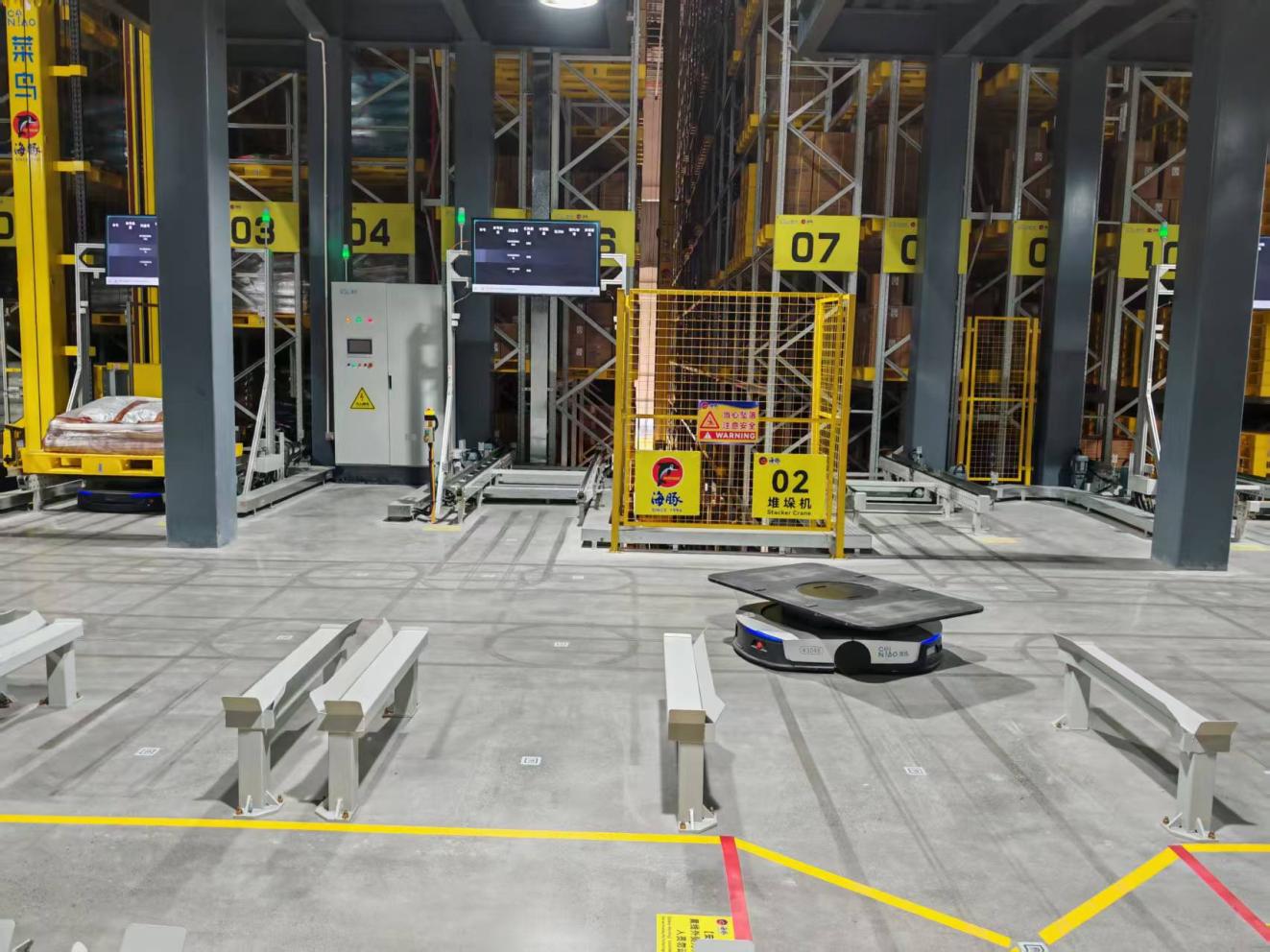
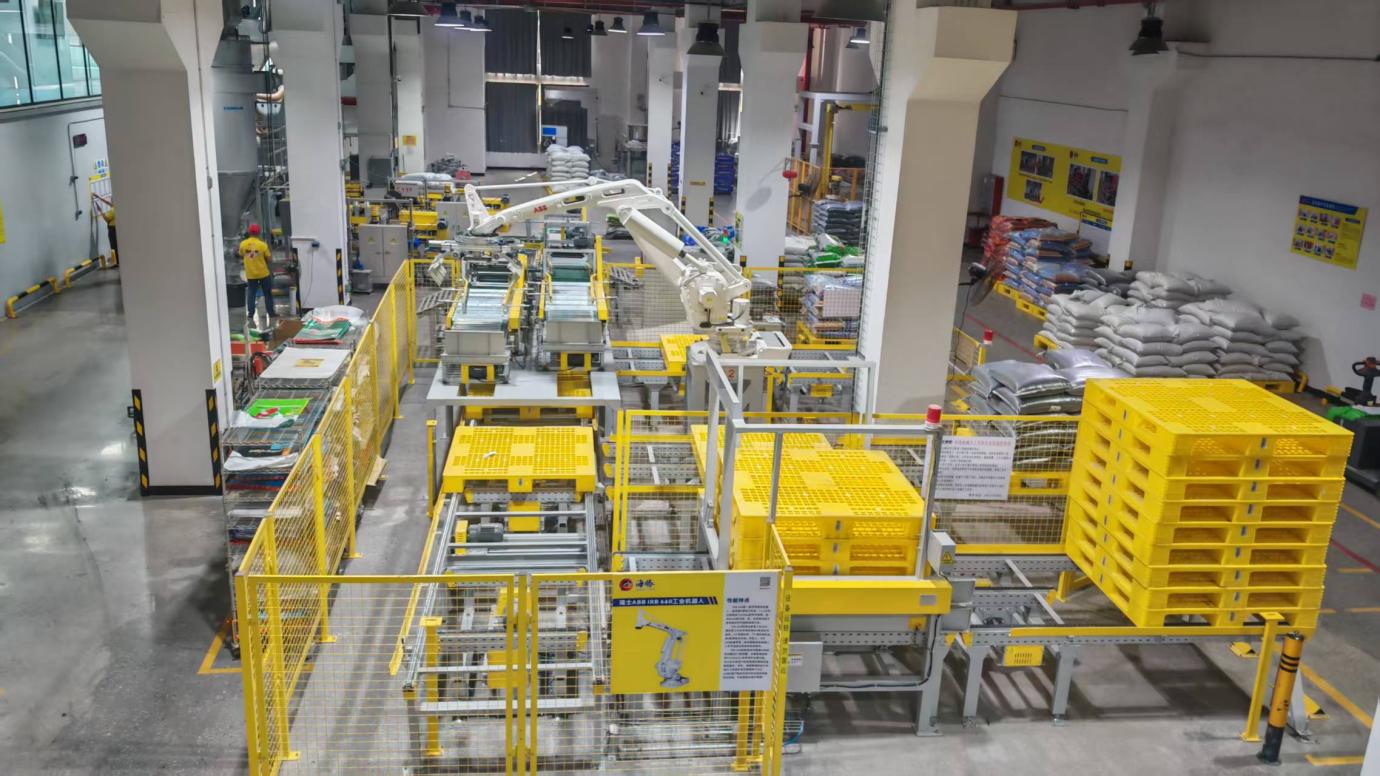
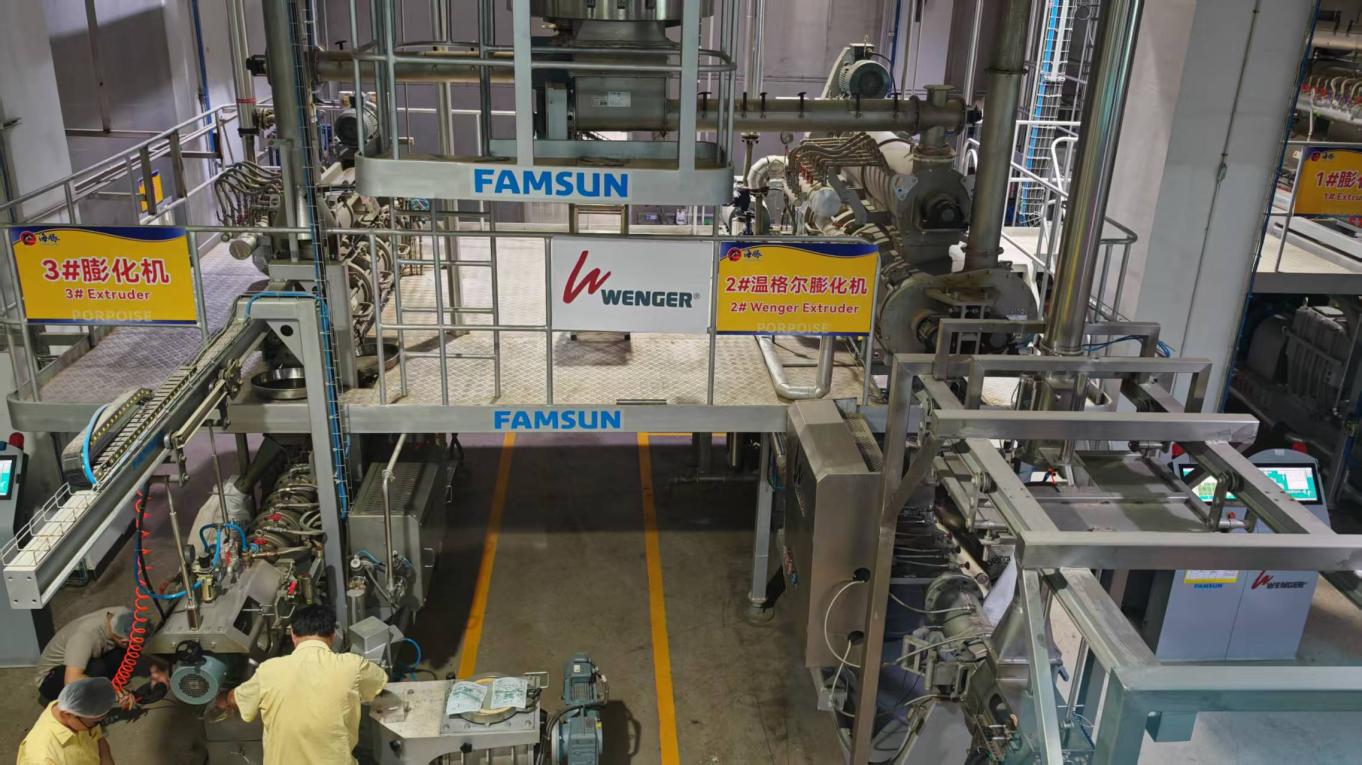
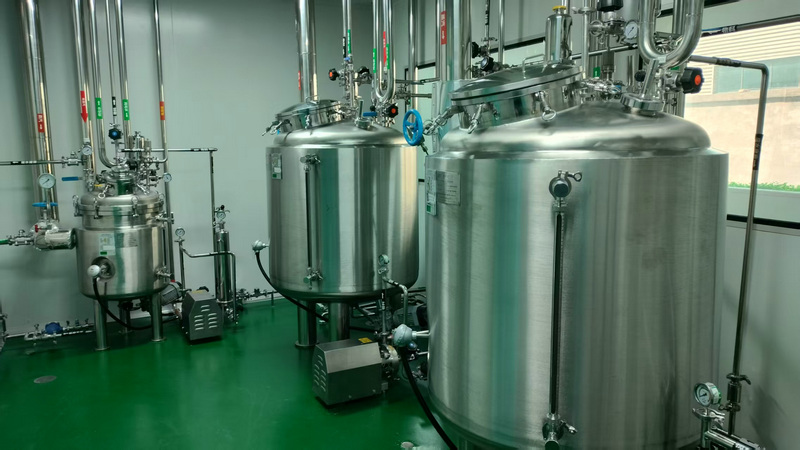
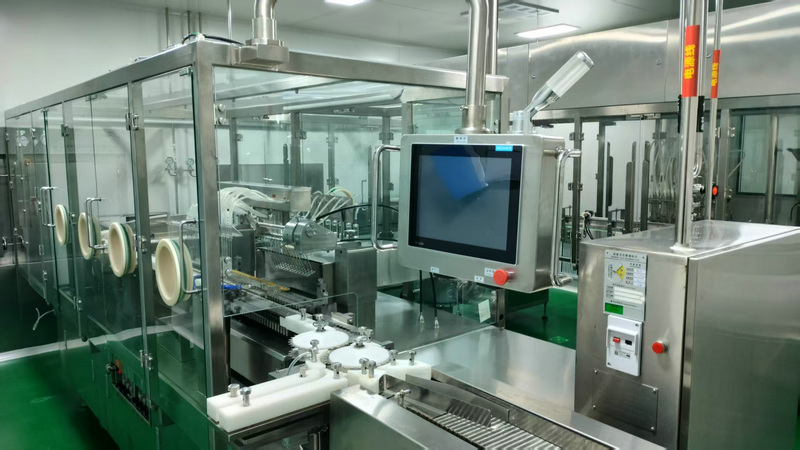
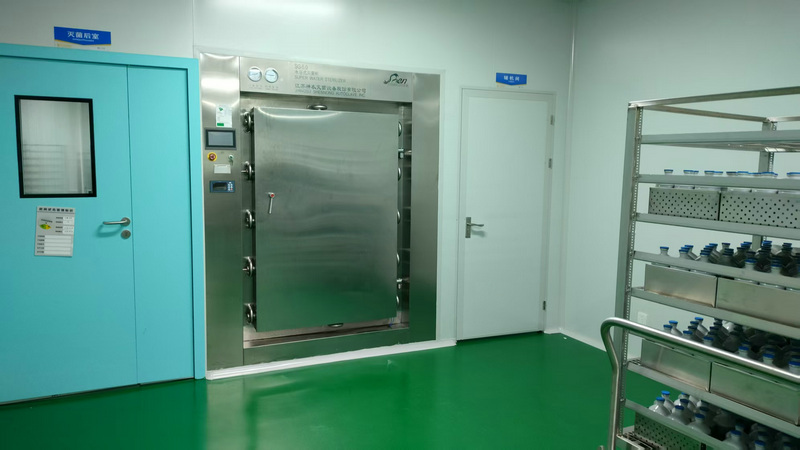
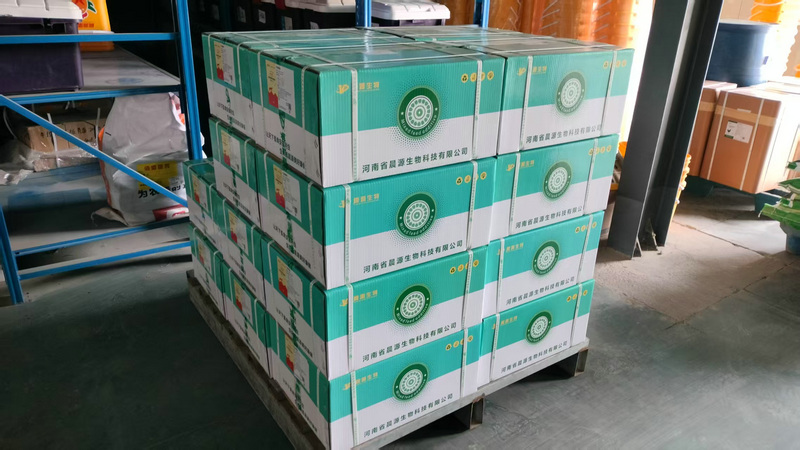
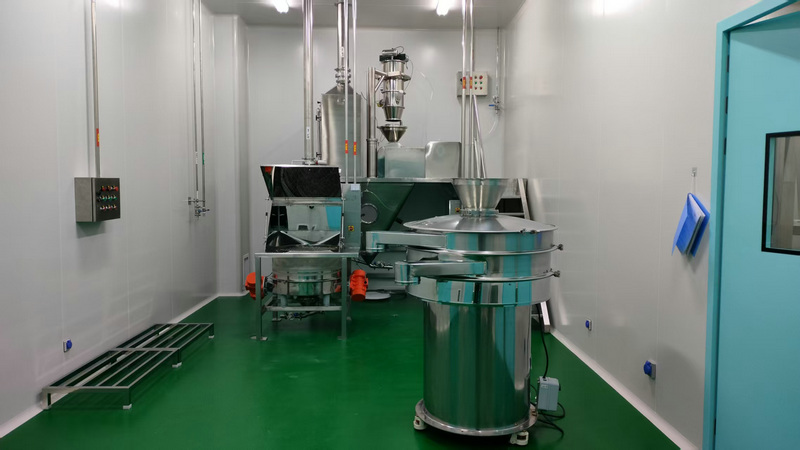
By upgrading our factories to **Industry 4.0 standards**, Akston Health maintains tight chemical parameters across all shifts. Real-time control loops regulate gas feeding ratios during carbonation, while laser diffraction sizing keeps screen cuts within requested tolerances. In-line metal detection, high-intensity magnetic separation, and automated packaging systems eliminate cross-contamination risks. This level of quality control ensures US importers receive consistent chemical profiles in every shipment, avoiding the variations common in older factories.
Importing bulk raw chemicals into the United States requires strict attention to regulatory detail and reliable logistics. Akston Health ensures that every step is fully managed. All food and feed-grade shipments align with the **FDA Food Safety Modernization Act (FSMA)**. We provide complete transparency by offering detailed certificates of analysis (COAs) and batch tracking reports for every container.
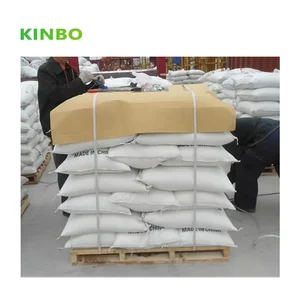
Our experienced logistics department works with top shipping lines to offer flexible delivery terms, including FOB, CIF, and DDP. Whether shipping directly to the Port of Los Angeles/Long Beach, Houston, Savannah, or New York/New Jersey, our team coordinates customs clearance, provides accurate HS code classification, and handles ISF filings to prevent unexpected port delays.
Browse our complete list of specifications, grading parameters, and custom formulations designed for global industrial buyers.
Essential questions and detailed answers regarding chemistry specs, packaging options, and importing logistics for United States buyers.
Connect with our engineering and logistics specialists to receive detailed product specifications, custom quotes, or to request targeted samples.
Send Inquiry Now