Akston Health
Akston Health
Akston Health
Highly purified feed-grade and food-grade monocalcium phosphate options manufactured under strict FAMI-QS guidelines, optimized for Gyeonggi-do livestock feed manufacturers and Seoul central food processors.
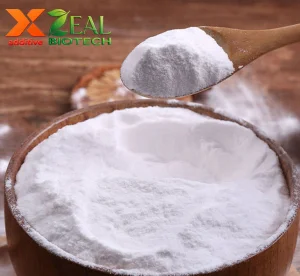
The Seoul Metropolitan Area, coupled with the neighboring ports of Incheon and Pyeongtaek, serves as the logistics gateway for South Korea's high-tech industrial manufacturing, intensive livestock formulation, and food science ecosystems. In South Korea, regulatory controls on livestock feed additives and food additives are governed strictly under the Ministry of Food and Drug Safety (MFDS) and the Korean Feed Control Act. For global procurement managers supplying the Korean peninsula, security of high-purity Monocalcium Phosphate (MCP, CAS 7758-23-8) is critical to satisfy both functional performance and rigorous compliance parameters.
South Korea’s intensive livestock production, particularly swine farming in Gyeonggi and Chungcheong provinces and coastal aquaculture operations in Jeju and South Gyeongsang, demands highly digestible phosphorus sources. Monocalcium Phosphate, characterized by its exceptionally high water-soluble phosphorus content (typically exceeding 90%), has widely replaced standard Dicalcium Phosphate (DCP). This preference is driven by the physiological requirement of monogastric animals and aquatic species for highly bioavailable phosphorus, minimizing excretion and helping farms meet the strict environmental phosphorus discharge caps set by the Korean Ministry of Environment.
From a global macroeconomic perspective, phosphorus and its derivative mineral salts are highly dependent on geographic deposits of phosphate rock. Processing methods distinguish low-grade, wet-process agricultural fertilizers from high-grade feed and food phosphates. Thermal-process phosphoric acid, reacted with high-purity calcium carbonate, yields the standard chemical profile of Monocalcium Phosphate: Ca(H₂PO₄)₂·H₂O (monohydrate) or Ca(H₂PO₄)₂ (anhydrous).
Global buyer demand centers heavily on reducing heavy metal contaminants such as Lead (Pb), Arsenic (As), Cadmium (Cd), and especially Fluorine (F). European and East Asian standards require a strict Fluorine-to-Phosphorus ratio (less than 1:100). The rising input costs of sulfur, ammonia, and high-quality phosphate rock have driven buyers to seek highly efficient manufacturers capable of maintaining competitive pricing while assuring batch-to-batch consistency and FAMI-QS or ISO certifications.
Chinese phosphate manufacturers operate at the global forefront of chemical synthesis efficiency. Possessing vast reserves of high-grade phosphate rock and utilizing fully integrated vertical manufacturing chains, factories in regions with direct proximity to logistics shipping hubs like Qingdao Port achieve unmatched scaling economics. The consolidation of acidulation, filtration, crystallization, drying, and granulation into automated, continuous loops drastically reduces the carbon footprint and operational waste of each run.
At Qingdao Akston Health Co., Ltd., we capitalize on these structural logistics advantages. Located dynamically near Qingdao Port, our feed additives and specialty chemical channels ensure direct delivery from our high-precision processing units directly onto vessel container routes. Shipping times to the Port of Incheon are minimized to less than two days, giving Seoul-based manufacturing companies and animal feed millers an agile, low-lead-time inventory turnover rate.
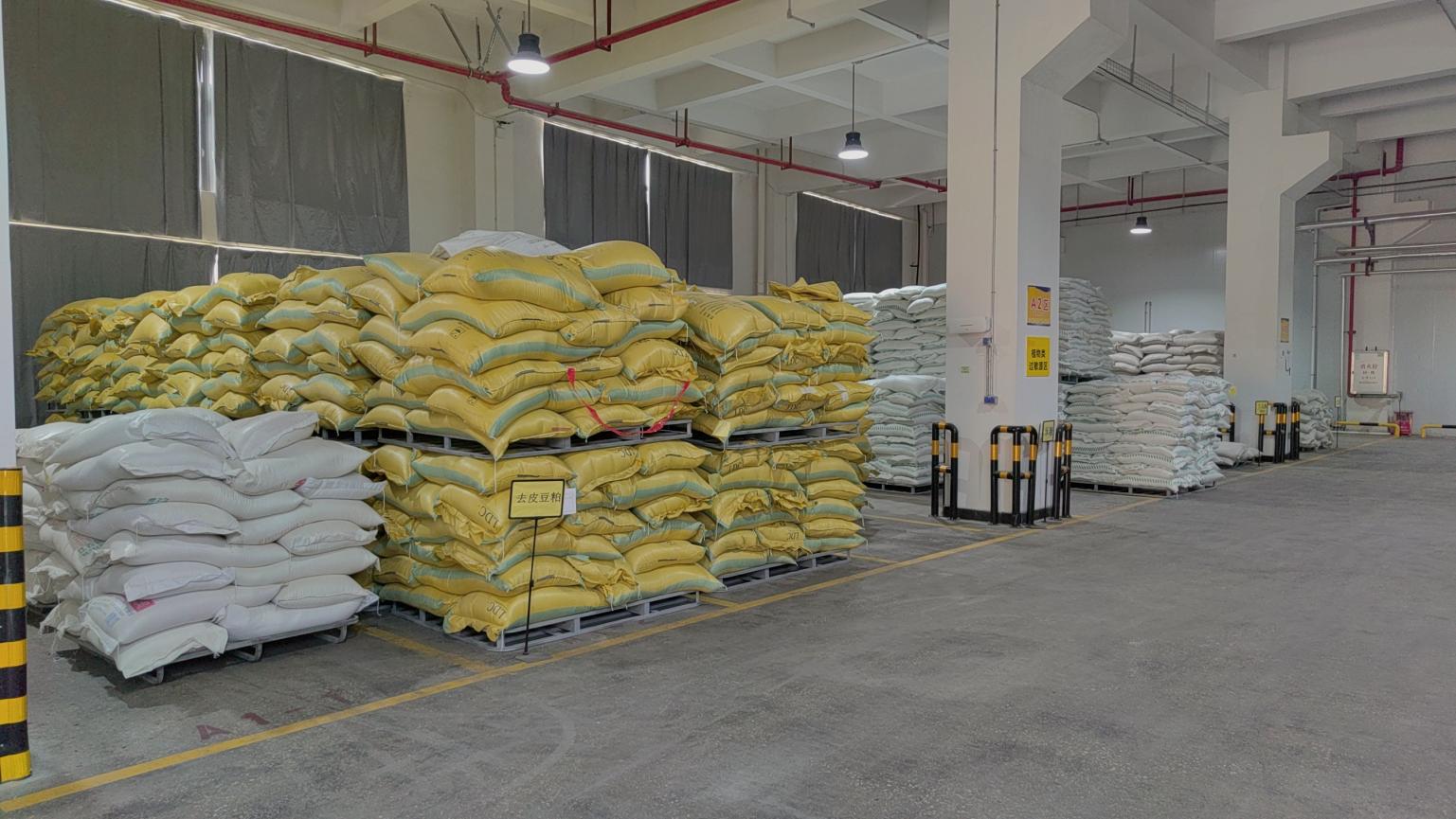
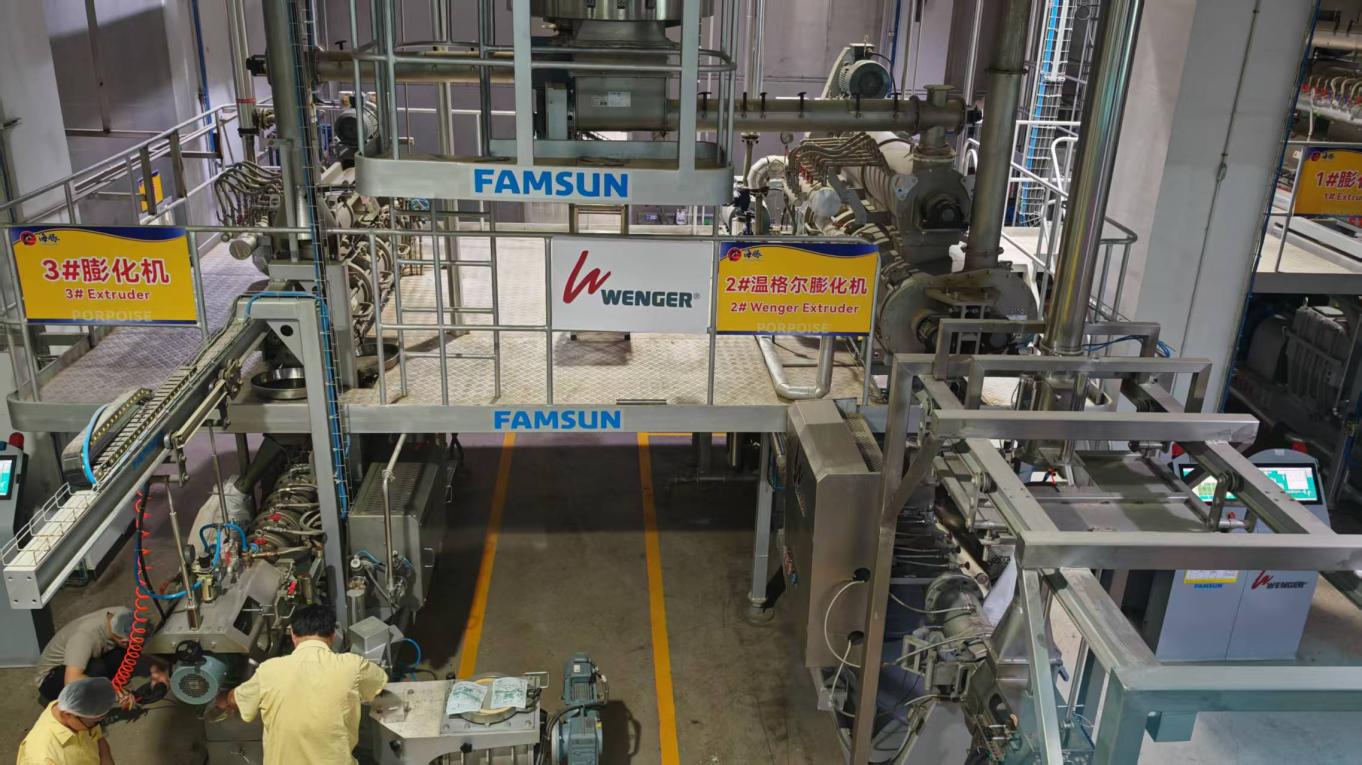
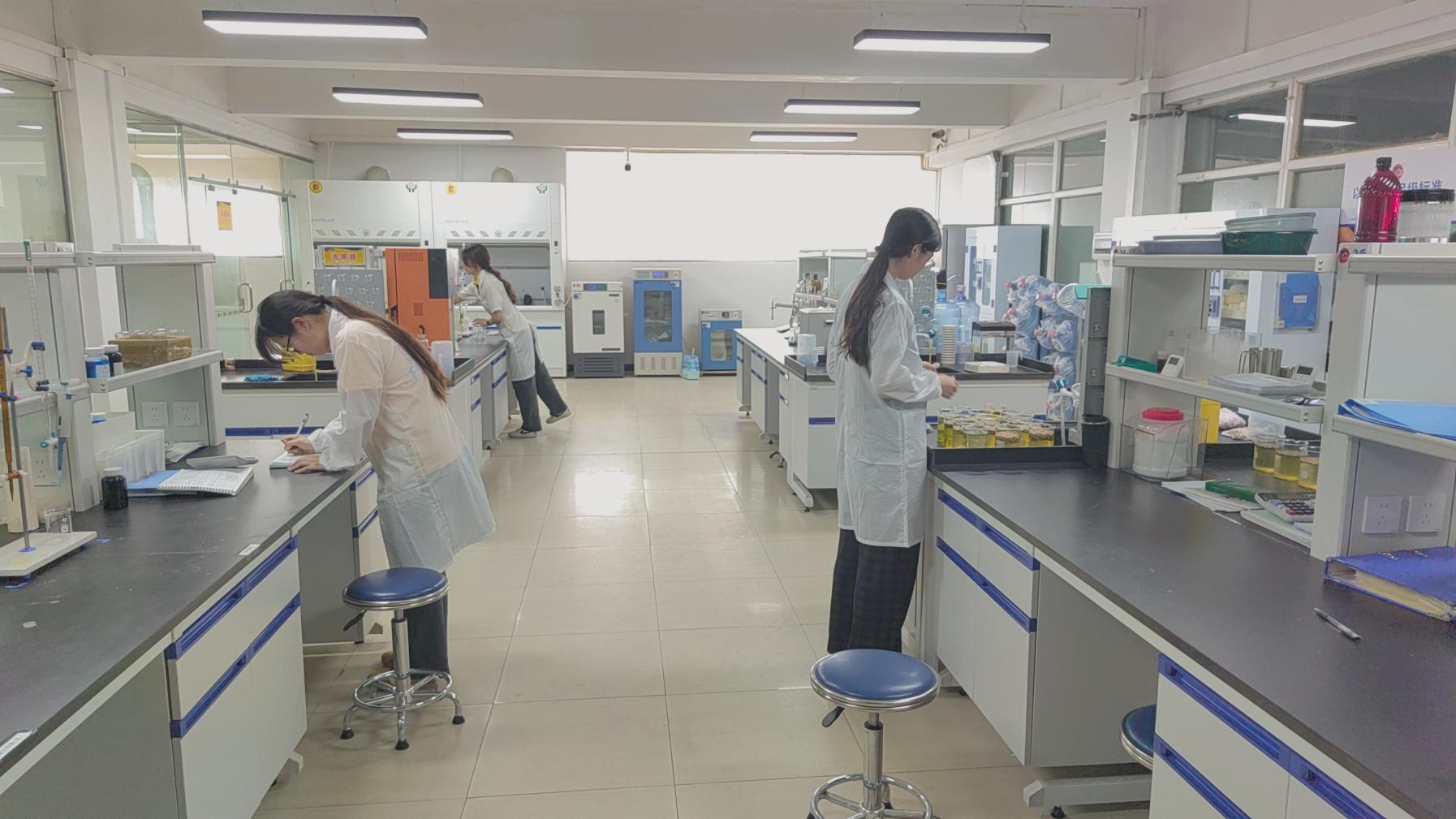
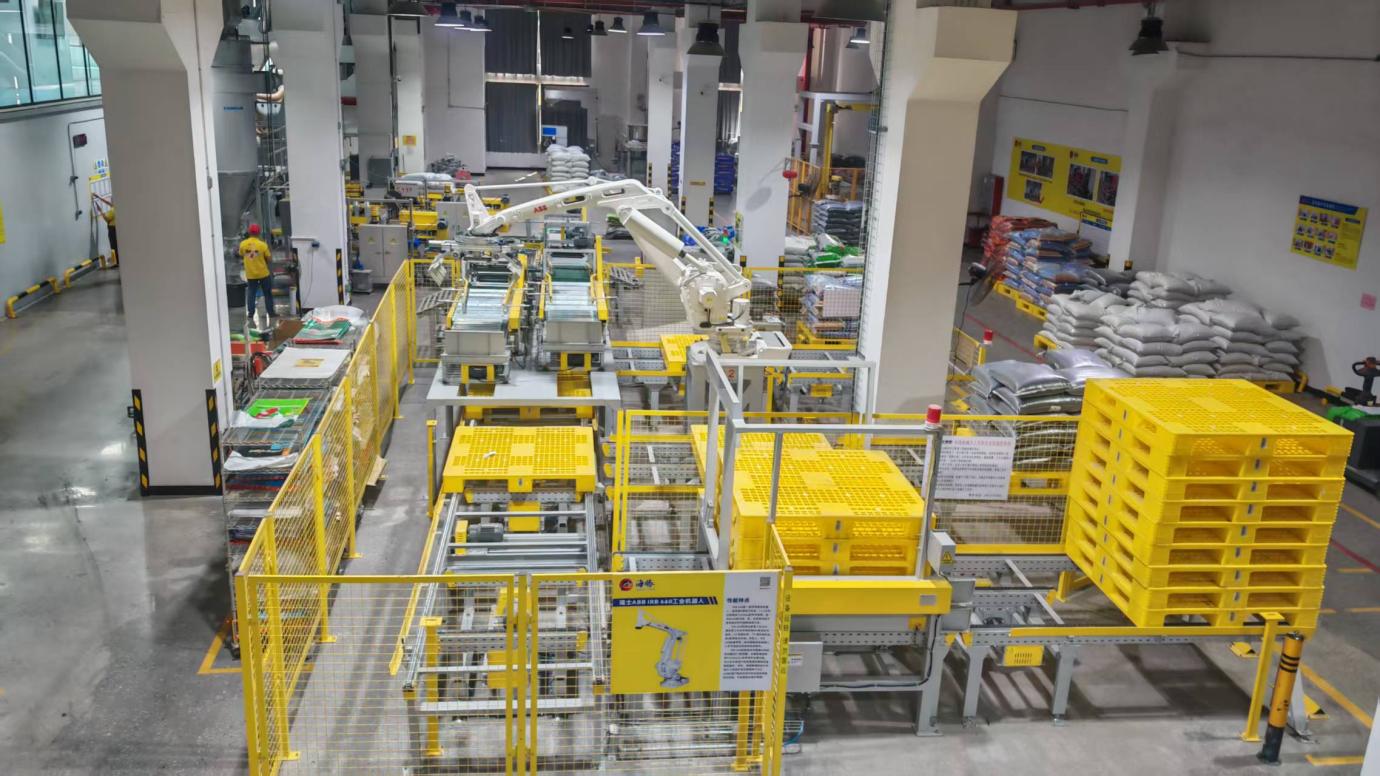
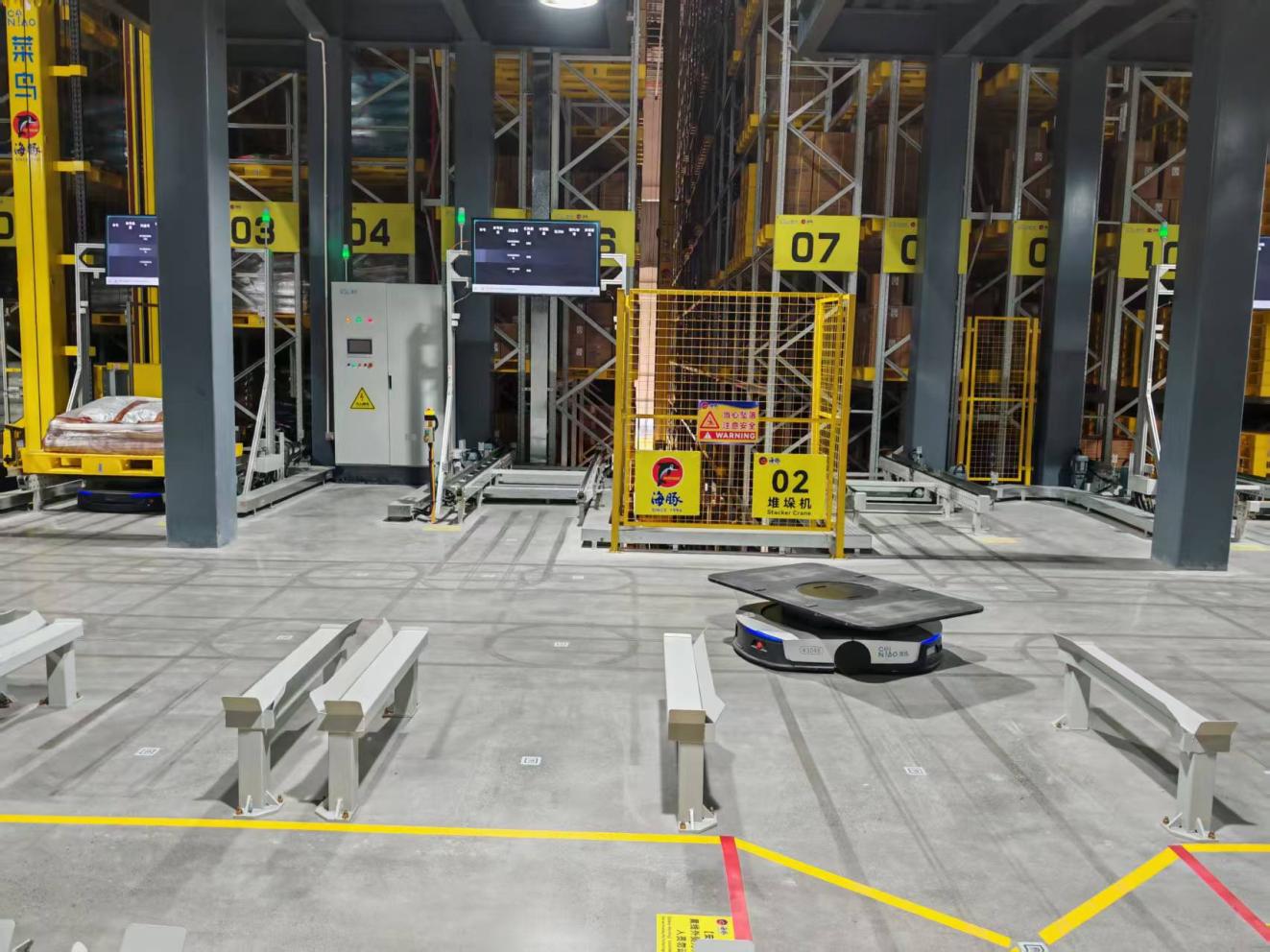
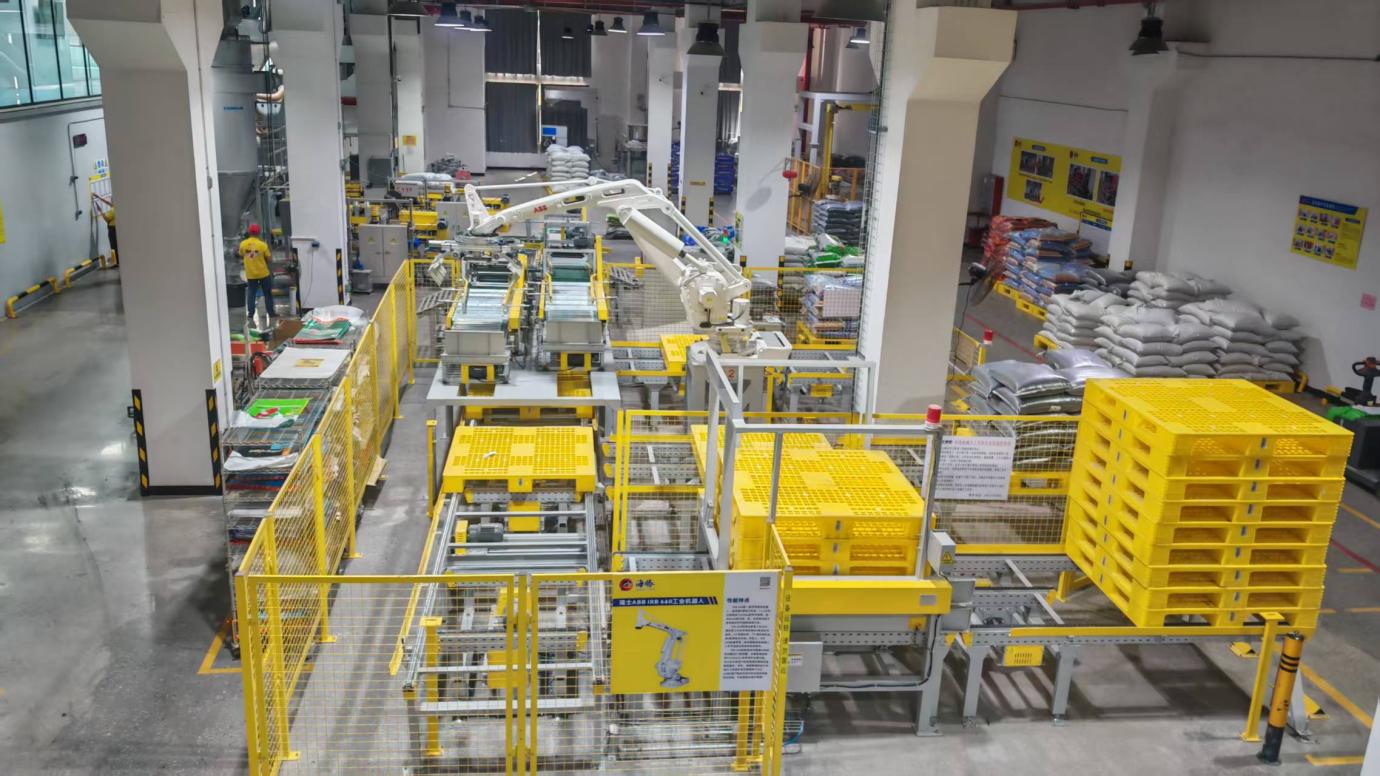
Our collaborative production processes integrate advanced automated thermal neutralization loops. By reacting phosphoric acid (H₃PO₄) with pure calcium carbonate (CaCO₃) under highly monitored temperatures, we maximize the conversion into monocalcium phosphate while preventing secondary reactions that lead to insoluble dicalcium complexes or unreacted carbonate residues.
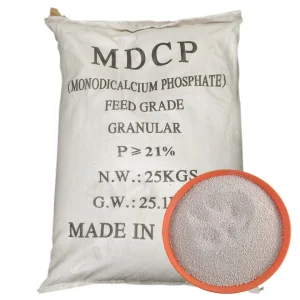
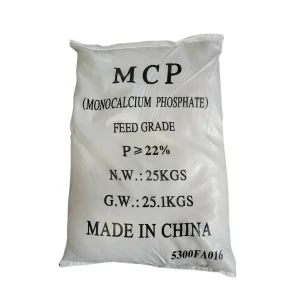
| Specification Parameter | Feed Grade MCP 22% (Granular) | Food Grade MCP E341i (Anhydrous) | MDCP 21% (Feed Additive) |
|---|---|---|---|
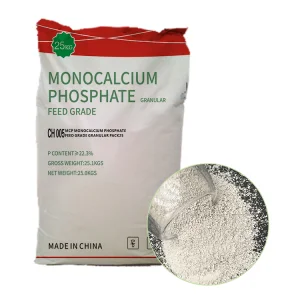
| Total Phosphorus (P) | ≥ 22.0% | 22.0% - 24.0% | ≥ 21.0% |
| Water Soluble Phosphorus (P) | ≥ 20.0% | Highly soluble | ≥ 10.0% |
| Calcium (Ca) Content | ≥ 15.0% - 18.0% | 15.5% - 17.5% | 15.0% - 20.0% |
| Fluorine (F) Maximum Limit | ≤ 0.18% (1800 ppm) | ≤ 0.001% (10 ppm) | ≤ 0.18% (1800 ppm) |
| Arsenic (As) Maximum Limit | ≤ 20 ppm | ≤ 1.0 ppm | ≤ 20 ppm |
| pH value (1% solution) | 3.0 - 4.5 | 2.8 - 3.5 | 3.5 - 4.5 |
From advanced micro-ingredients for commercial feed production lines to functional food science leavening profiles.
Korean coastal aquaculture, especially flounder production on Jeju Island and marine cage farming in the south, requires high water-solubility phosphates. Since fish lack a fully developed stomach structure with low pH environments, standard dicalcium phosphates are highly indigestible. Our MCP 22% dissolves rapidly, ensuring rapid phosphate absorption across the digestive tract, resulting in improved fish skeleton mineral density and diminished waste output in sensitive sea waters.
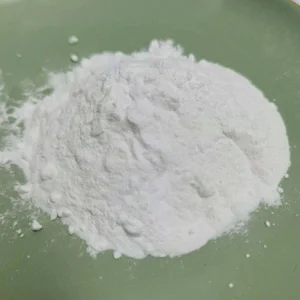
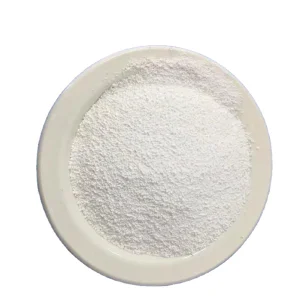
As a critical double-acting leavening acid (E341i), food-grade monocalcium phosphate anhydrous is highly utilized in Seoul's commercial bakery supply chains. The precise release rate of carbon dioxide, when combined with sodium bicarbonate, controls the structure, volume, and shelf stability of commercial Korean cakes, premium pancake premixes, and instant noodle products. Akston Health’s strict heavy-metal purity conforms directly to Korean Food Code specifications.
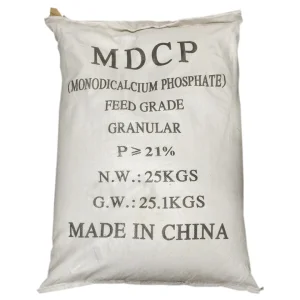
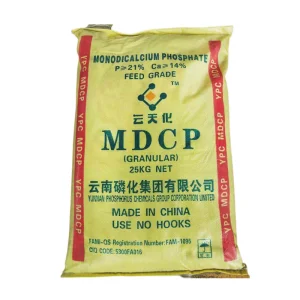
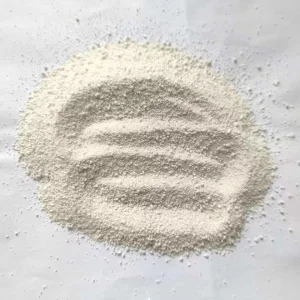
Highly intensive swine farming clusters in Chungnam and Gyeonggi-do utilize automated feeding systems where granule consistency is paramount. Dust-free, micro-granular Monocalcium Phosphate and Monodicalcium Phosphate (MDCP 21%) prevent ingredient separation in batch silos. High biological values reduce phosphorus excretion, allowing commercial farms to meet South Korea's strict environmental limits on soil nitrogen and phosphorus concentrations.
Qingdao Akston Health Co., Ltd. is a trusted manufacturer and global supplier dedicated to delivering innovative health and nutrition solutions for the animal feed industry. With a strong commitment to quality, sustainability, and continuous innovation, we provide high-performance feed additives and nutritional ingredients that support healthier livestock, improved productivity, and safer food production worldwide.
Our comprehensive product portfolio includes choline chloride, amino acids, vitamins, minerals, and other functional feed additives designed to meet the nutritional requirements of poultry, swine, ruminants, aquaculture, and companion animals. Our science-based formulations help optimize animal growth, enhance immune function, improve feed efficiency, and contribute to reducing the reliance on antibiotics in modern livestock production.
At Akston Health, quality is the foundation of everything we do. We work closely with qualified manufacturing partners and implement strict quality control systems throughout sourcing, production, and logistics to ensure every product meets international standards. Our experienced technical team also provides customized solutions and professional support to help customers achieve better production performance and sustainable business growth.
Driven by integrity, innovation, and customer satisfaction, Qingdao Akston Health Co., Ltd. has established long-term partnerships with clients across Asia, Europe, the Middle East, Africa, and the Americas. We are committed to creating lasting value through reliable products, competitive pricing, efficient supply chain management, and responsive customer service.
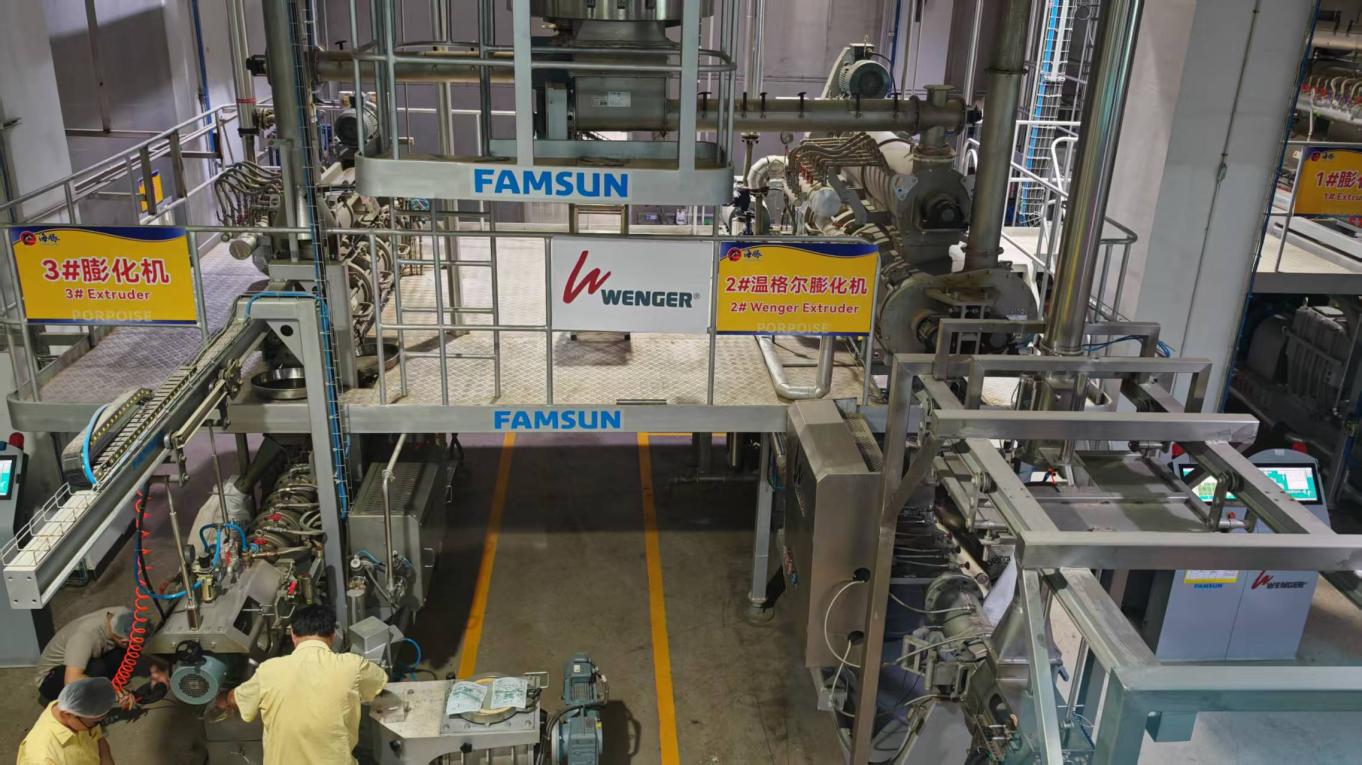
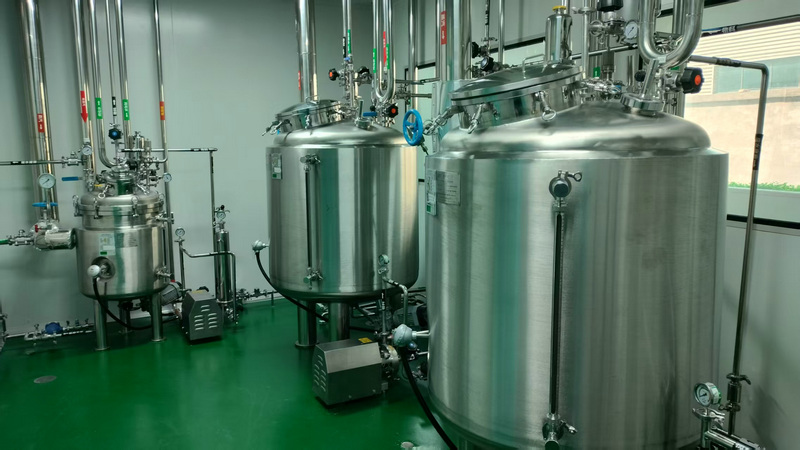
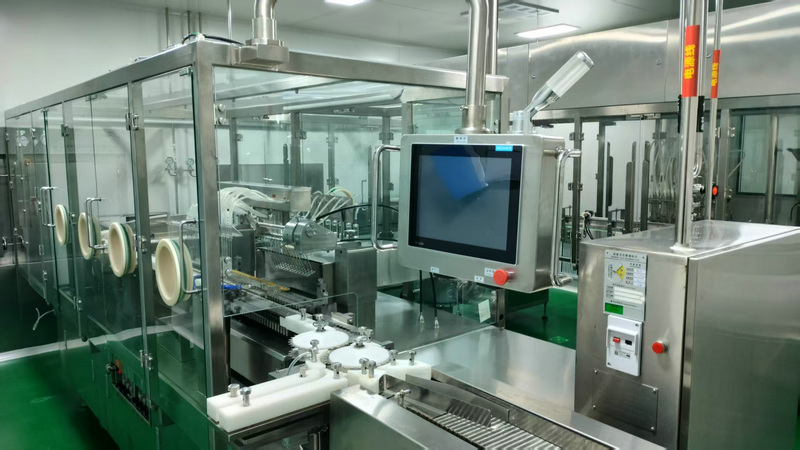
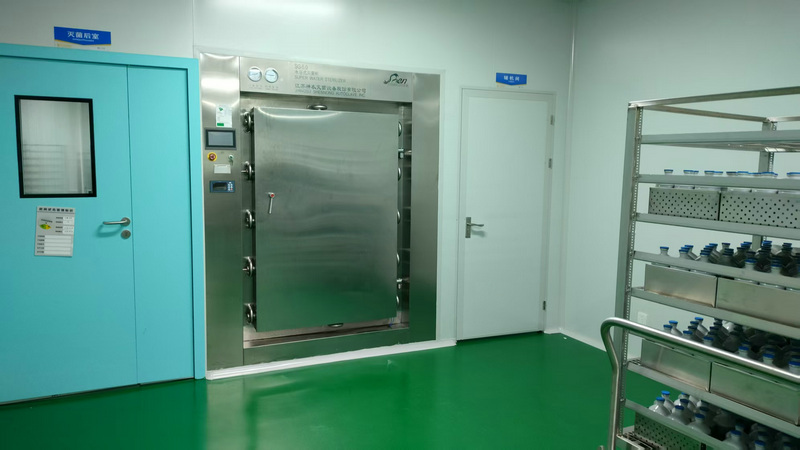
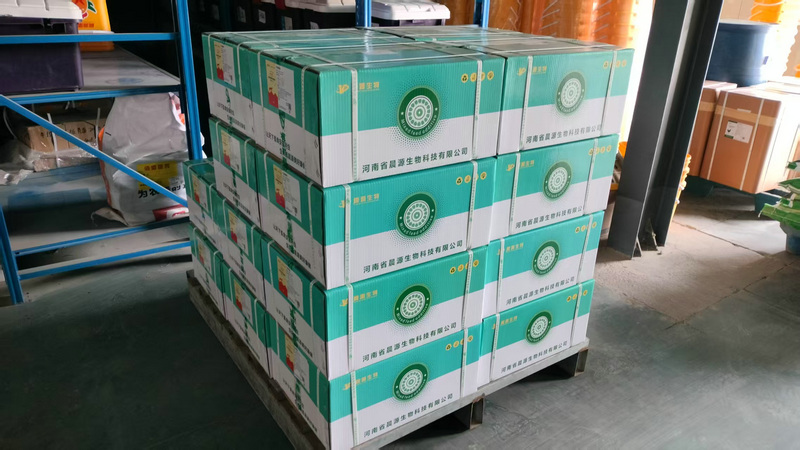
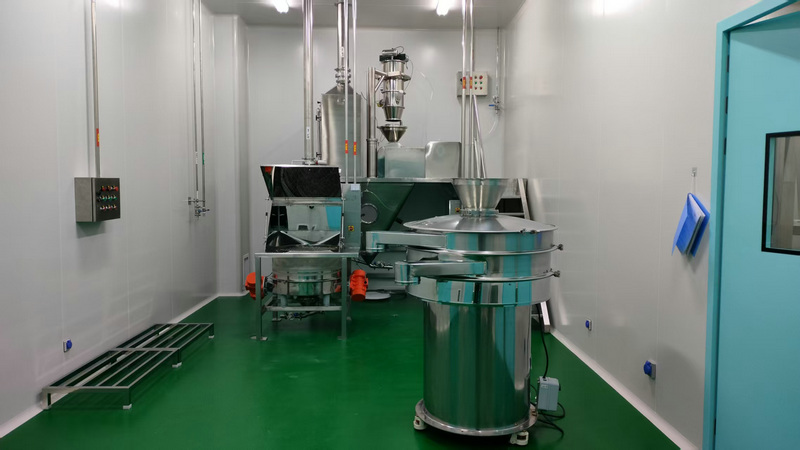
Explore our complete range of specialized phosphates, feed additives, and technical mineral complexes designed for maximum stability, purity, and bioconversion efficiency.
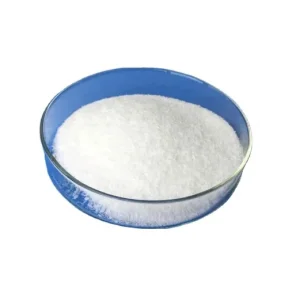
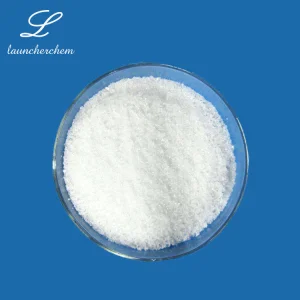
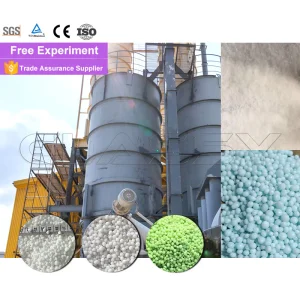
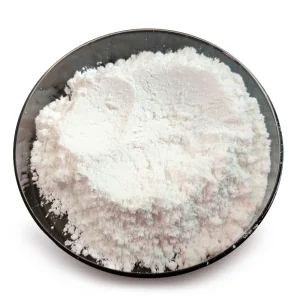
Procuring raw chemical salts and feed minerals demands structured risk mitigation. Under the principles of Google’s Search Quality Rater Guidelines, we highlight verified experience and reliable quality control metrics to ensure buyers can avoid sub-standard chemical lots. The following details outline critical operational check-points required for global importations of Monocalcium Phosphate:
The global feed phosphate industry is undergoing a structural transition driven by raw material availability and carbon emission limitations. Modern agriculture demands optimization of resource inputs. The development of next-generation phytase enzymes has changed phosphorus formulation profiles, yet high-solubility inorganic mineral supplements remain irreplaceable for fast-growing livestock and juvenile aquatic species.
Concurrently, green chemistry initiatives are shifting manufacturing methodologies. Advanced factories are redesigning heating loops to utilize waste heat from kiln calcination, reducing the carbon footprint per ton of manufactured phosphate. In South Korea, as farms continue to scale and integrate automated IoT feeding architectures, the demand for precise chemical grades (such as anhydrous free-flowing white powders) will continue to scale. Procurement managers who align with vertically integrated, certified manufacturers will secure a stable supply chain resilient against future geopolitical and ecological adjustments.
Critical technical and chemical answers for engineers, formulators, and global purchasing agents.