Akston Health
Akston Health
Akston Health
Explore our core selection of animal feed supplements and human nutrition ingredients designed for peak efficiency and metabolic performance.
Modern intensive livestock farming and commercial aquaculture are navigating a paradigm shift. Driven by tightening regulatory mandates on the complete replacement of Antibiotic Growth Promoters (AGPs), the global agricultural community is seeking biologically sound, scientifically validated alternatives to stabilize gut health, stimulate immune development, and optimize feed conversion ratios. Probiotics—defined as live microorganisms that confer a health benefit on the host when administered in adequate amounts—have transitioned from simple ecological supplements to critical components of strategic feed engineering.
Next-generation probiotics are designed with specific bacterial and fungal strain compatibility. High-stability formulations utilizing Bacillus subtilis, Bacillus licheniformis, Lactobacillus acidophilus, and Saccharomyces cerevisiae are engineered to withstand complex processing conditions, gastric acid barriers, and long-term shelf storage, ensuring high Colony Forming Units (CFU) delivery.
A primary friction point for feed producers has been the heat degradation of probiotics during feed conditioning and pelleting (often exceeding 85°C). Industrial-grade microencapsulation technologies and heat-resistant spore-forming strains are addressing this concern, delivering over 90% survival rates through commercial feed mills.
Advanced animal husbandry requires targeted metabolic intervention. Suppliers must deliver custom probiotics that suppress pathogenic strains like Salmonella enterica, Escherichia coli, and Clostridium perfringens while promoting volatile fatty acid (VFA) production to improve villus height and crypt depth within the intestinal mucosa.
Qingdao Akston Health Co., Ltd. is a trusted manufacturer and global supplier dedicated to delivering innovative health and nutrition solutions for the animal feed industry. With a strong commitment to quality, sustainability, and continuous innovation, we provide high-performance feed additives and nutritional ingredients that support healthier livestock, improved productivity, and safer food production worldwide.
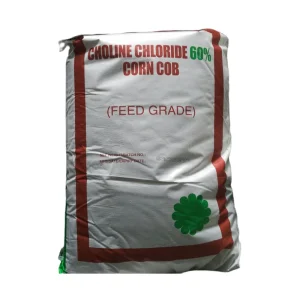
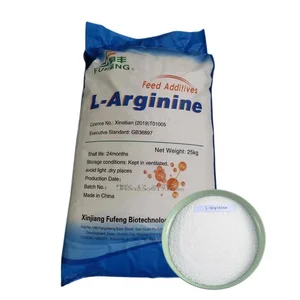
Our comprehensive product portfolio includes choline chloride, amino acids, vitamins, minerals, and other functional feed additives designed to meet the nutritional requirements of poultry, swine, ruminants, aquaculture, and companion animals. Our science-based formulations help optimize animal growth, enhance immune function, improve feed efficiency, and contribute to reducing the reliance on antibiotics in modern livestock production.
At Akston Health, quality is the foundation of everything we do. We work closely with qualified manufacturing partners and implement strict quality control systems throughout sourcing, production, and logistics to ensure every product meets international standards. Our experienced technical team also provides customized solutions and professional support to help customers achieve better production performance and sustainable business growth.
Driven by integrity, innovation, and customer satisfaction, Qingdao Akston Health Co., Ltd. has established long-term partnerships with clients across Asia, Europe, the Middle East, Africa, and the Americas. We are committed to creating lasting value through reliable products, competitive pricing, efficient supply chain management, and responsive customer service.
As your trusted partner in animal nutrition, Akston Health will continue to develop innovative solutions that promote animal health, improve farming efficiency, and contribute to a more sustainable global agriculture industry.
Large-scale feed manufacturers, livestock integrators, and international distributors require more than just raw biological powders. The current corporate landscape demands supply chain predictability, biological safety verification, and rigorous regulatory compliance.
Rigorous checks for gene-transfer risk. Every probiotic strain supplied must be certified non-pathogenic, non-toxigenic, and free from antibiotic-resistance genes transferable to animal pathogens or human gut microbiomes.
Enterprises demand verifiable biological activity. Our packaging processes utilize nitrogen purging and double-barrier protection to keep viability above declared thresholds (e.g., 2x10^10 CFU/g) throughout shelf life.
Industrial compatibility requires anti-caking properties, particle-size uniformity, and rapid dispersion in liquid feeding systems or automated dosing equipment used in modern poultry and swine barns.
| Probiotic/Ingredient Strain | Target Species | CFU/g Concentration | Primary Technical Benefit |
|---|---|---|---|
| Bacillus subtilis | Poultry, Swine, Aquaculture | 2.0 x 10^10 to 5.0 x 10^10 | Extracellular enzyme synthesis (amylase, protease), spore thermal stability during pelleting. |
| Lactobacillus acidophilus | Calves, Piglets, Pets | 1.0 x 10^10 | Rapid lactic acid generation, gut pH reduction, competitive exclusion of pathogenic Coliforms. |
| Clostridium butyricum | Swine, Broilers | 5.0 x 10^9 | Butyric acid synthesis, tight junction protein enhancement, gut barrier repair. |
| Saccharomyces boulardii | Ruminants, Equine | 2.0 x 10^10 | Oxygen consumption in rumen, stabilization of anaerobic microflora, fiber digestion efficiency. |
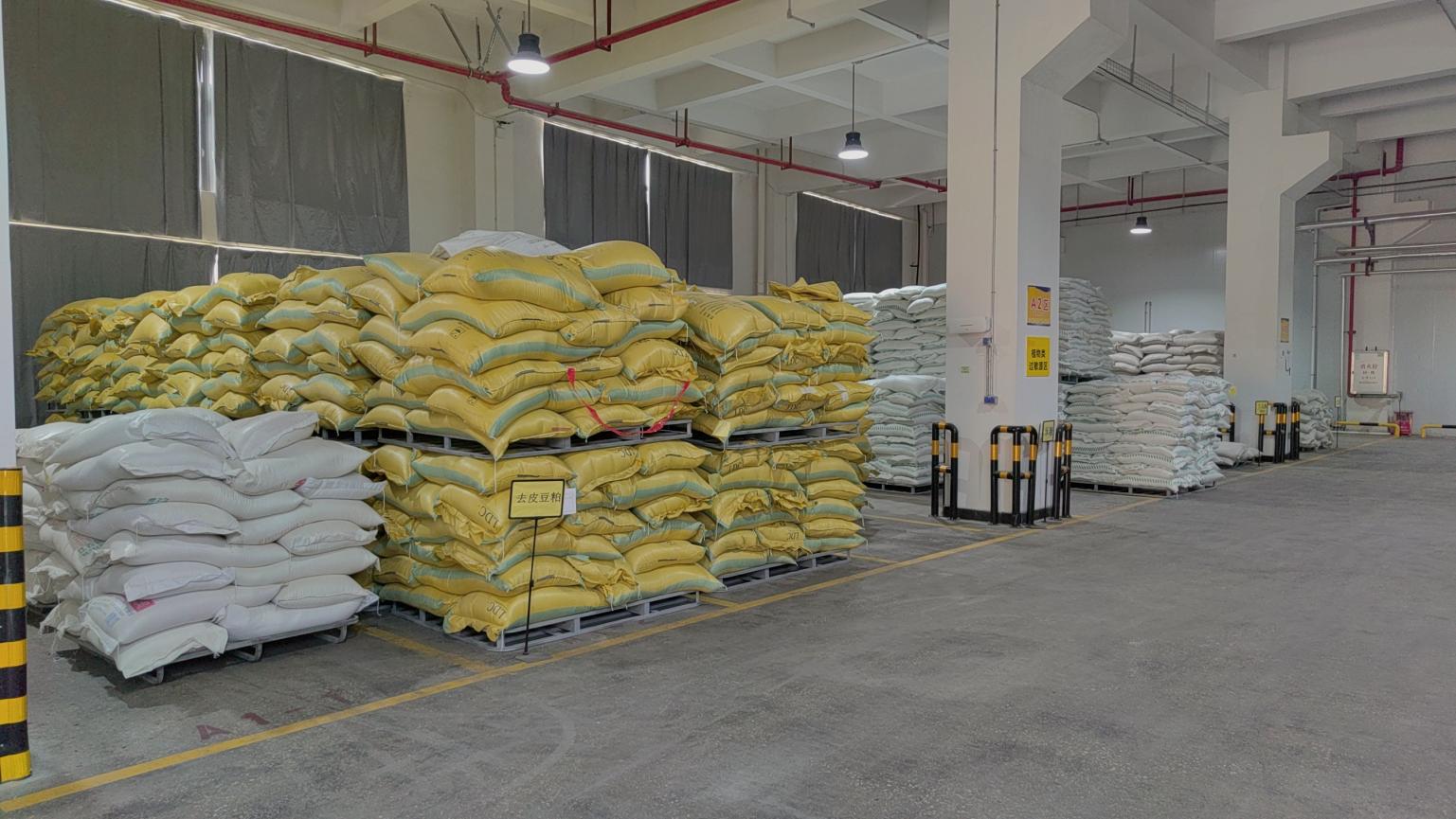
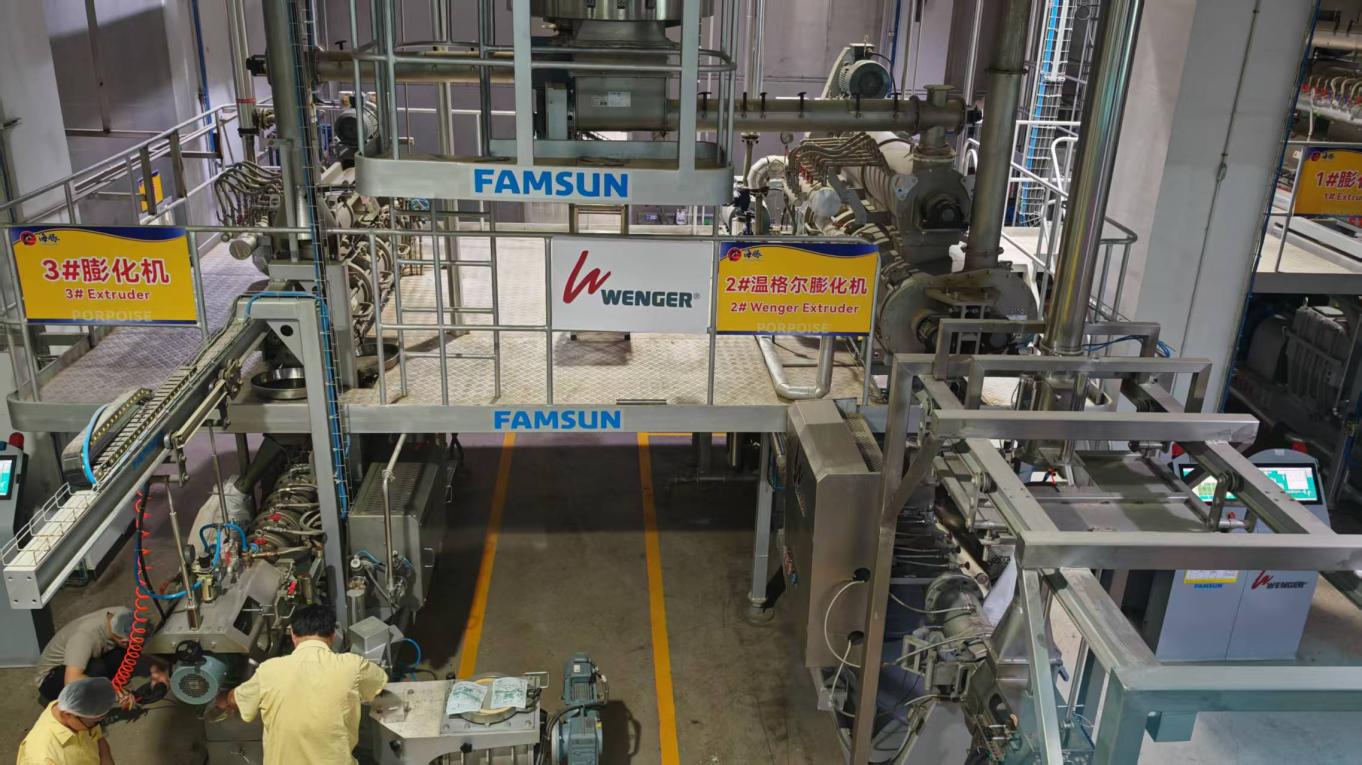
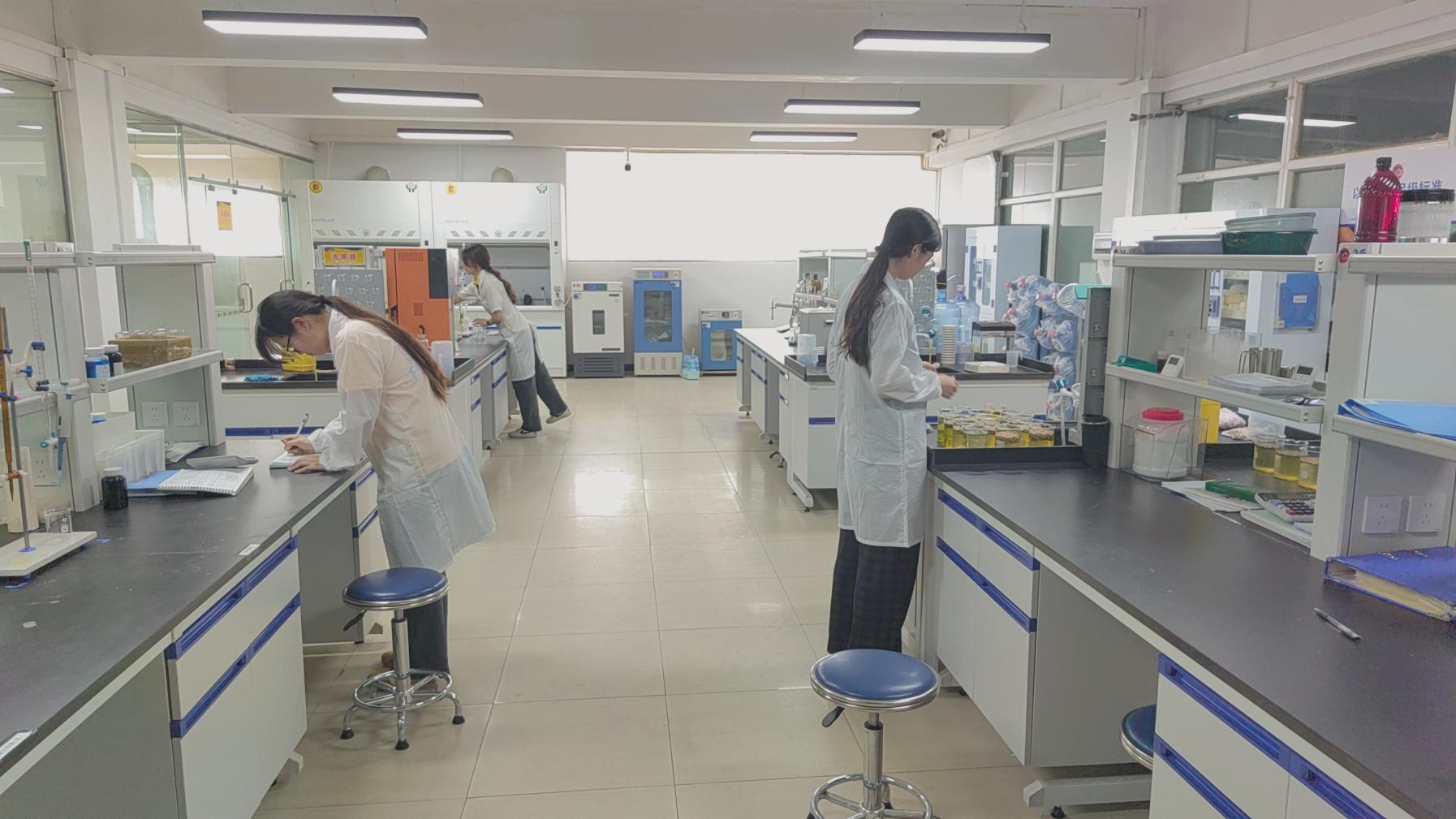
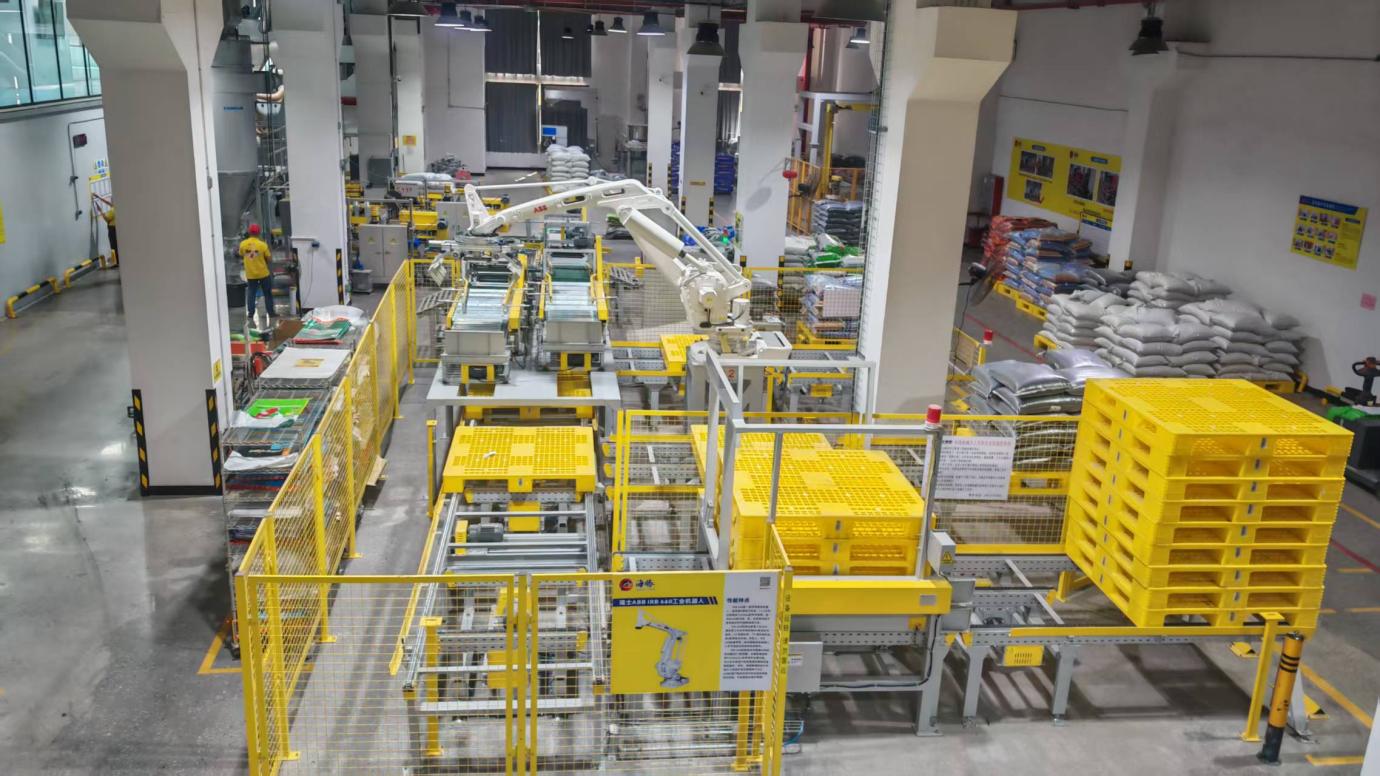
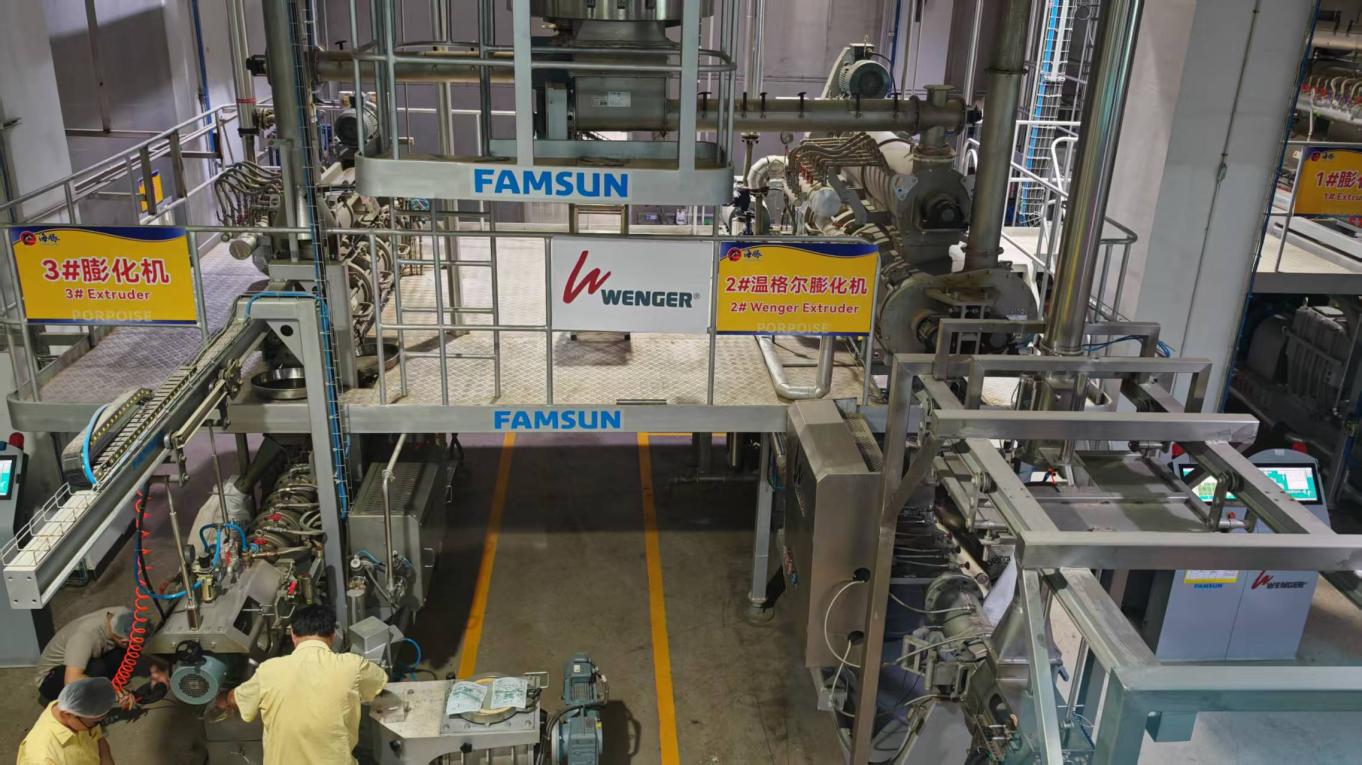
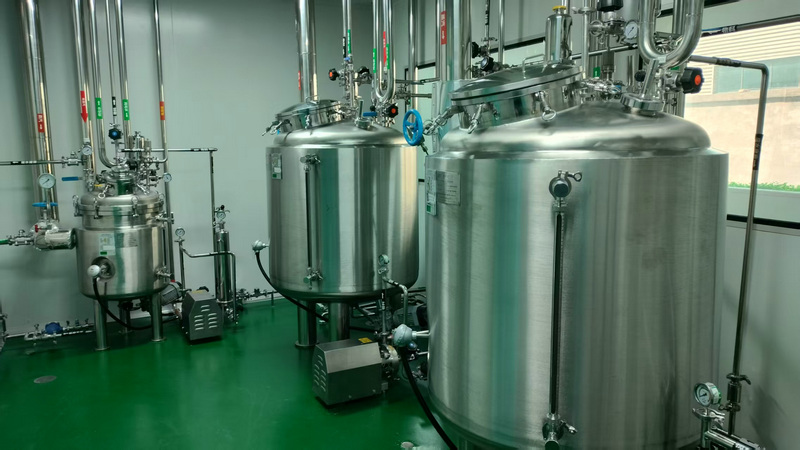
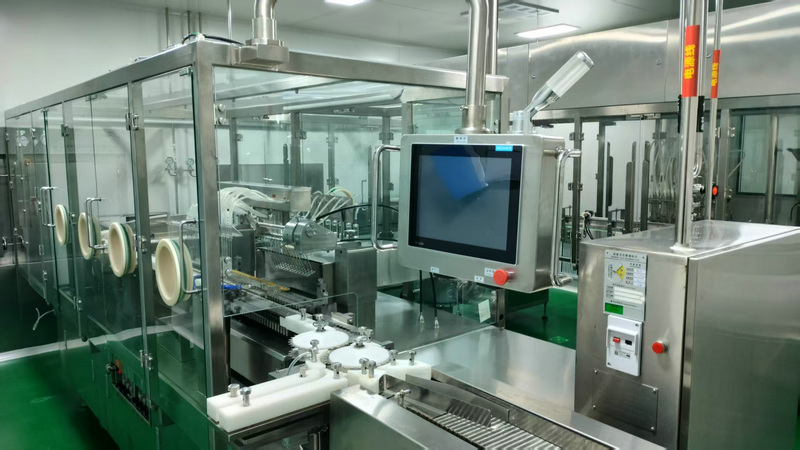
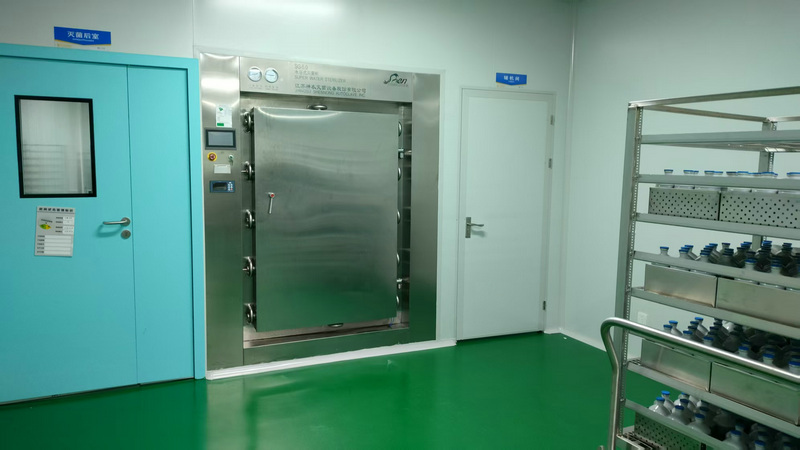
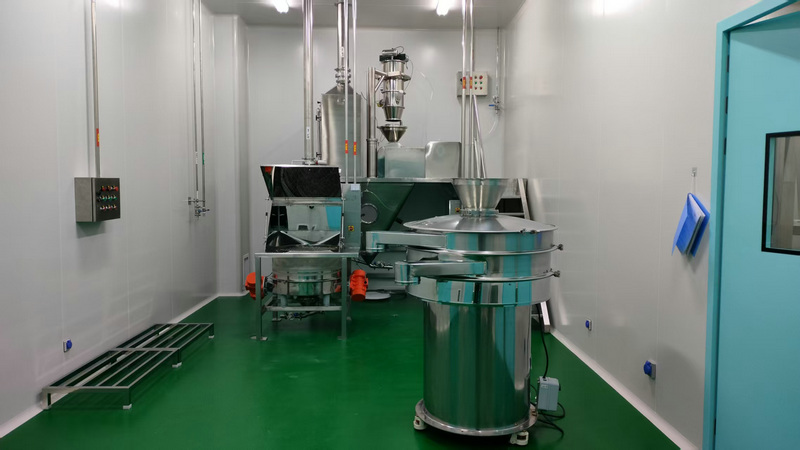
As international supply chains experience geopolitical and macroeconomic volatility, the resilience of manufacturing hubs determines market competitiveness. Our Chinese facilities utilize advanced Industry 4.0 protocols. From automated fermentation monitoring to AI-assisted quality control, every production step is tracked. We maintain redundancy in raw material sourcing and raw materials storage to insulate clients against supply line shocks.
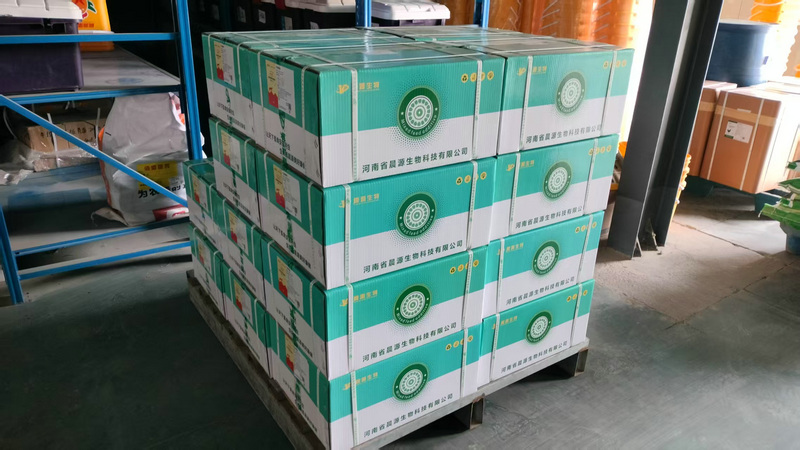
By coupling bulk production capabilities with meticulous scientific tracking, we resolve the historical trade-off between premium product grade viability and cost efficiency. Below is an overview of the advanced processes and industrial equipment implemented across our manufacturing plants to secure this resilience:

Probiotics do not operate in a vacuum. Their biological performance is directly tied to the target animal's environment, feed formulation, and stressors. Effective application requires selecting the correct probiotic profile for specific farm environments:
In high-density shrimp and fish ponds, waste accumulation (ammonia and nitrite) causes biological stress. Specific Bacillus species act dual-purpose: they compete out pathogenic Vibrio in the digestive tract, and when excreted, they actively decompose organic bottom sludge, optimizing aquatic ecosystems.
Weaning piglets suffer rapid diet changes and maternal separation, often leading to dysbiosis and severe diarrhea. Lactic-acid bacteria (LAB) colonize the intestinal wall rapidly, generating lactic acid to block pathogenic attachment, stabilizing fecal consistency and daily weight gain.
For broilers, a small change in FCR represents significant profit differences. Adding stable spore-forming probiotics stimulates microvilli growth, which expands the gut absorption surface area. This results in maximum extraction of amino acids and minerals from the feed.
Answering critical procurement, stability, and compatibility questions from international buyers, quality assurance directors, and feed mill engineers.
Complete your supply chain with our range of industrial and agricultural minerals, trace supplements, and high-purity processing materials.