Akston Health
Akston Health
Akston Health
Alpha-Lipoic Acid (ALA), chemically known as 1,2-dithiolane-3-pentanoic acid or thioctic acid, stands as one of the most commercially significant organosulfur compounds in the global biochemical and nutritional sectors. Functioning as a coenzyme in vital mitochondrial multi-enzyme complexes—most notably pyruvate dehydrogenase and α-ketoglutarate dehydrogenase—ALA plays an irreplaceable role in cellular energy transduction.
The global market for Alpha-Lipoic Acid is experiencing rapid growth, driven by a surge in demand across three primary sectors: human dietary supplements, pharmaceutical formulations, and advanced animal nutrition. In human health, its status as a "universal antioxidant" (due to its dual solubility in both water and lipids) has made it a core ingredient in anti-aging formulations, metabolic syndrome therapies, and diabetic neuropathy treatments.
Commercially, the chemical exists in two main optical isomers: R-Alpha-Lipoic Acid (R-ALA) and S-Alpha-Lipoic Acid (S-ALA). While R-ALA is the naturally occurring, biologically active form, the synthetic racemic mixture (RS-ALA) remains the global standard for industrial procurement due to its cost-efficiency and chemical stability during large-scale manufacturing and processing operations.
China has established itself as the epicenter of global Alpha-Lipoic Acid manufacturing, accounting for a dominant share of the world's commercial supply. This concentration of production capacity is not merely a matter of scale, but the result of deep technological integration, raw material availability, and supply chain efficiencies.
Chinese manufacturers operate in close proximity to major petrochemical and basic chemical clusters. The direct availability of key starting materials, such as adipic acid, cyclohexanone, and sulfur reagents, protects production lines from the volatile logistics bottlenecks that impact overseas chemical synthesizers.
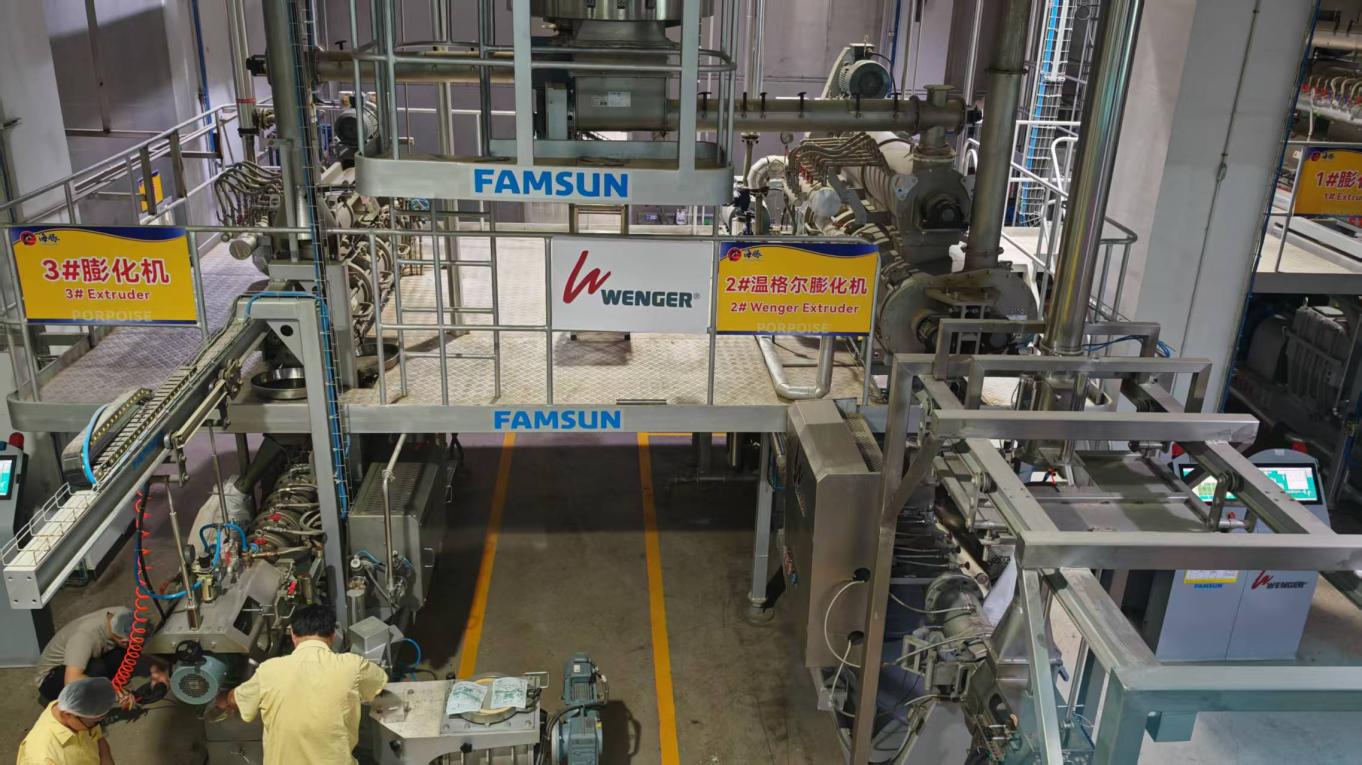
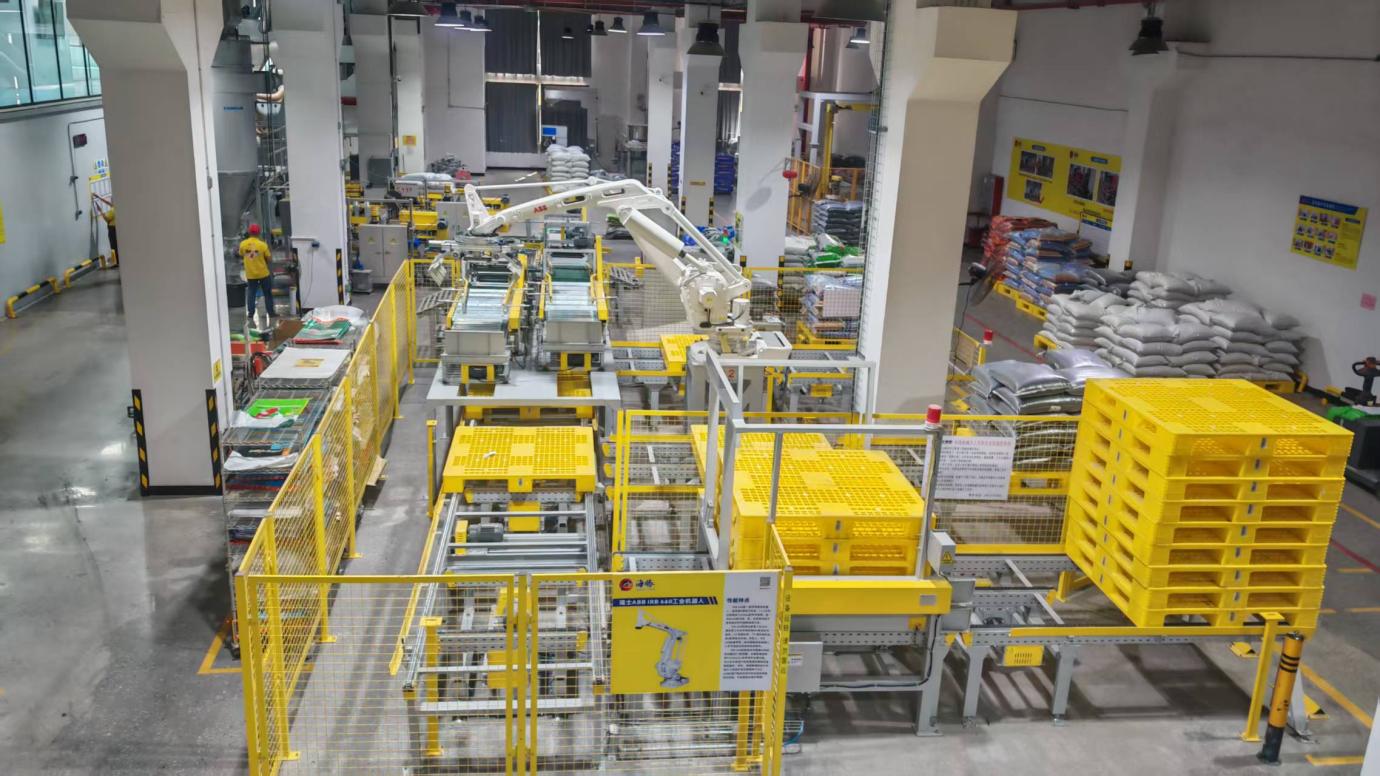
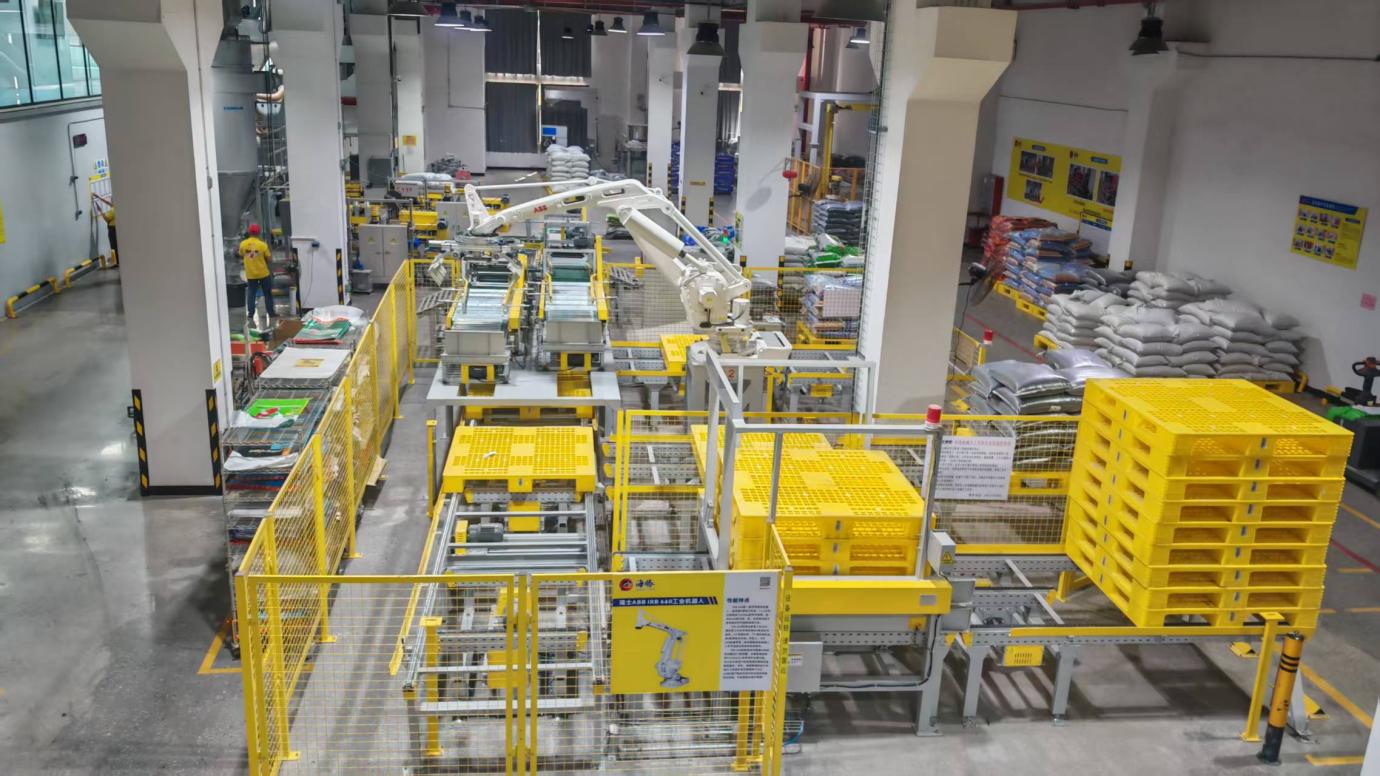
Modern Chinese chemical plants utilize closed-loop, distributed control systems (DCS). Automated solvent recovery, real-time recrystallization monitoring, and automated packaging lines dramatically lower batch-to-batch variability and limit human contact with active ingredients, ensuring superior hygiene and safety.
Over the past decade, Chinese producers have invested heavily in green chemistry initiatives. Industrial waste-gas incineration, advanced membrane filtration for wastewater, and strict adherence to ISO 14001 guidelines ensure that global buyers receive ethical, sustainably manufactured materials.
Qingdao Akston Health Co., Ltd. is a trusted manufacturer and global supplier dedicated to delivering innovative health and nutrition solutions for the animal feed industry. With a strong commitment to quality, sustainability, and continuous innovation, we provide high-performance feed additives and nutritional ingredients that support healthier livestock, improved productivity, and safer food production worldwide.
Our comprehensive product portfolio includes choline chloride, amino acids, vitamins (including premium-grade antioxidants such as Alpha-Lipoic Acid equivalents), minerals, and other functional feed additives designed to meet the nutritional requirements of poultry, swine, ruminants, aquaculture, and companion animals. Our science-based formulations help optimize animal growth, enhance immune function, improve feed efficiency, and contribute to reducing the reliance on antibiotics in modern livestock production.
At Akston Health, quality is the foundation of everything we do. We work closely with qualified manufacturing partners and implement strict quality control systems throughout sourcing, production, and logistics to ensure every product meets international standards. Our experienced technical team also provides customized solutions and professional support to help customers achieve better production performance and sustainable business growth.
Driven by integrity, innovation, and customer satisfaction, Qingdao Akston Health Co., Ltd. has established long-term partnerships with clients across Asia, Europe, the Middle East, Africa, and the Americas. We are committed to creating lasting value through reliable products, competitive pricing, efficient supply chain management, and responsive customer service.
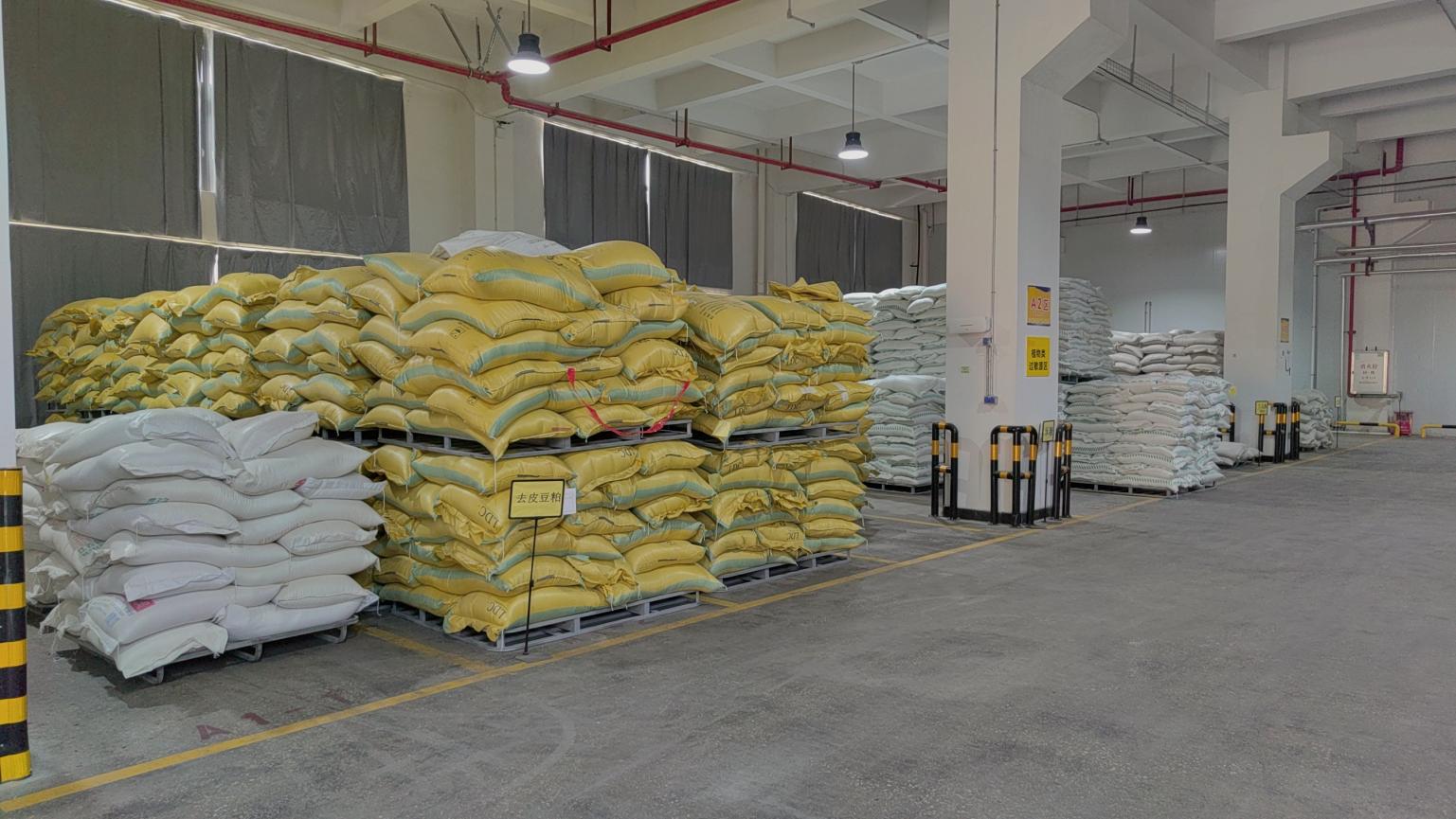
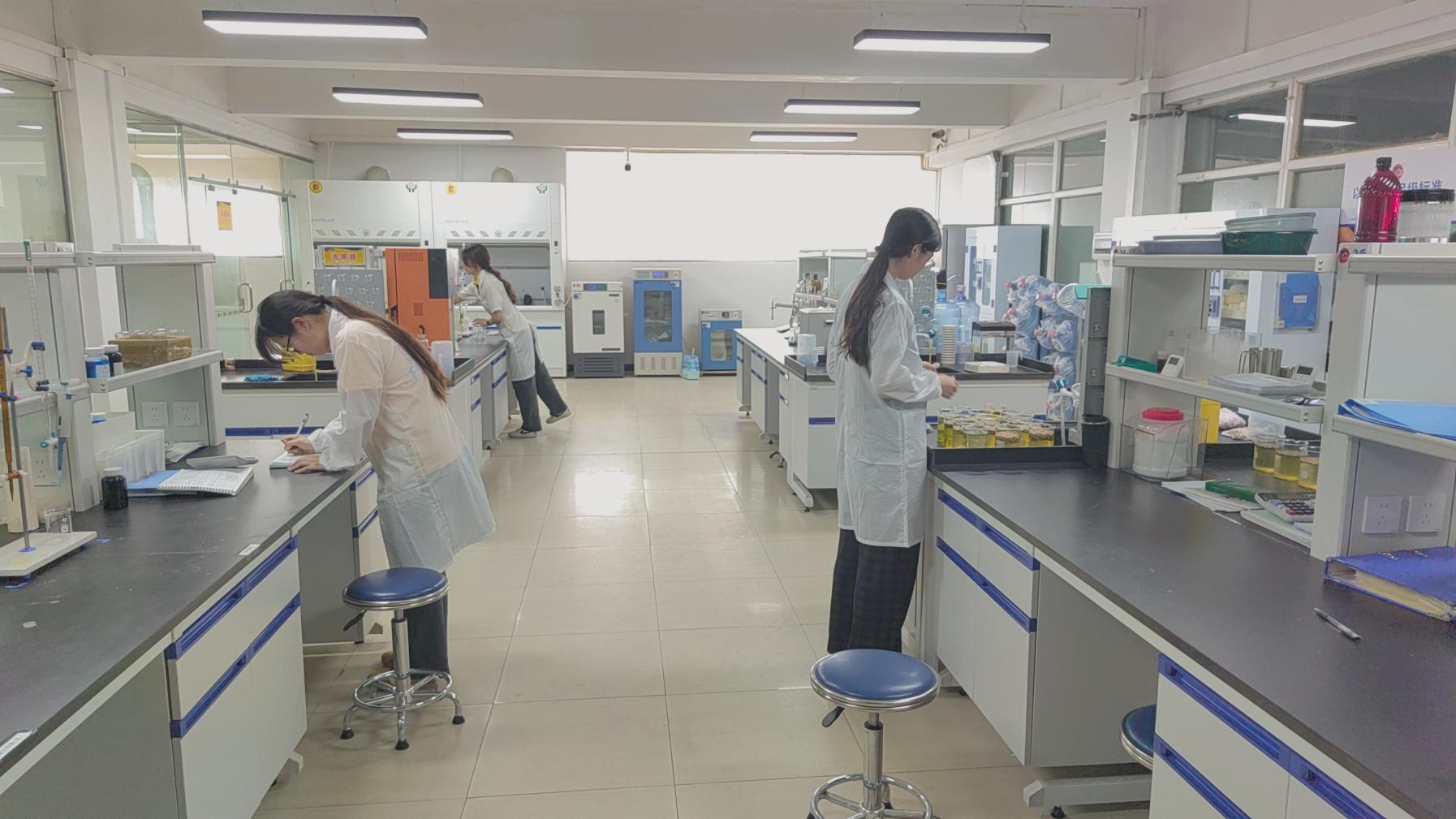
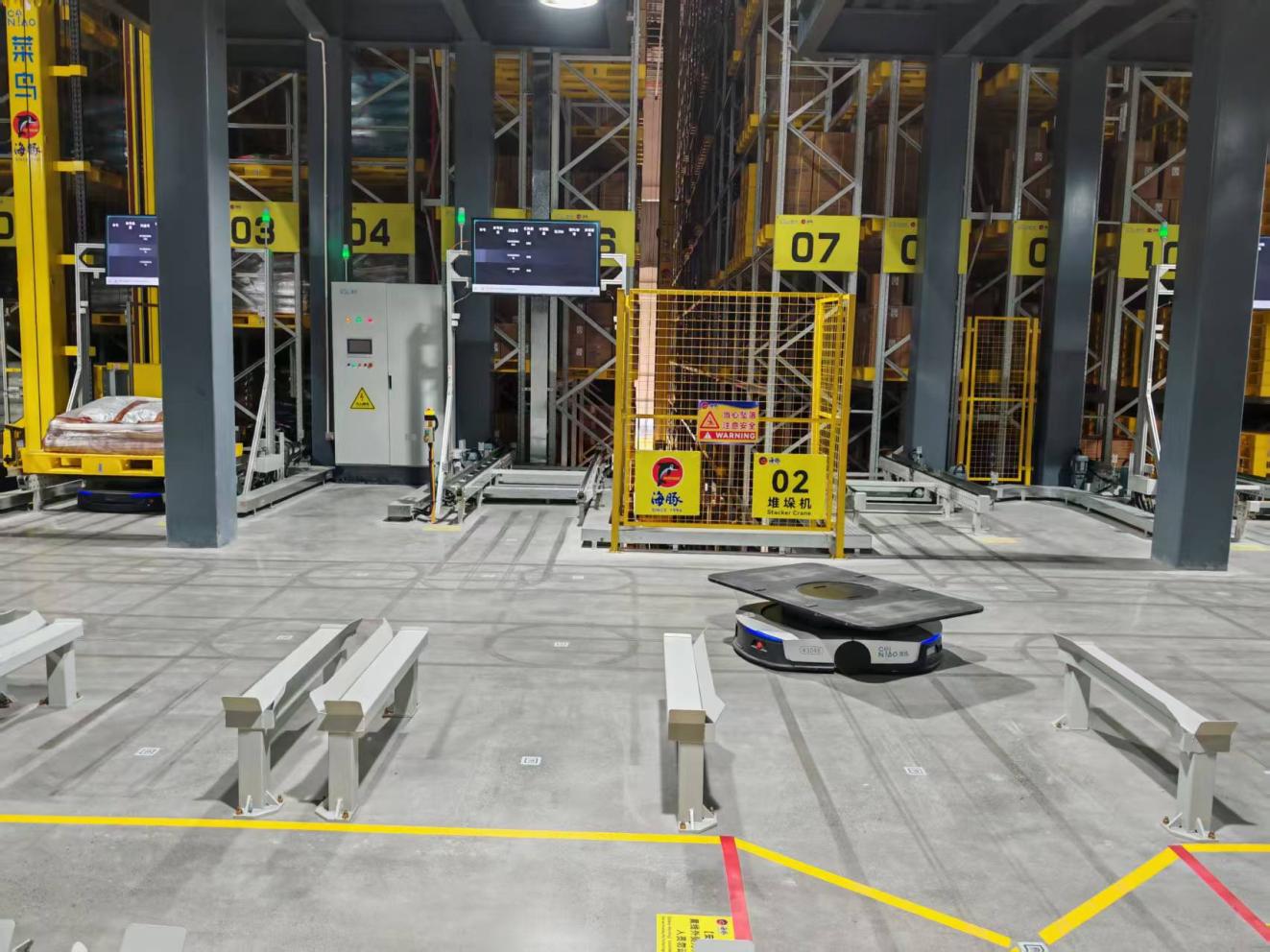
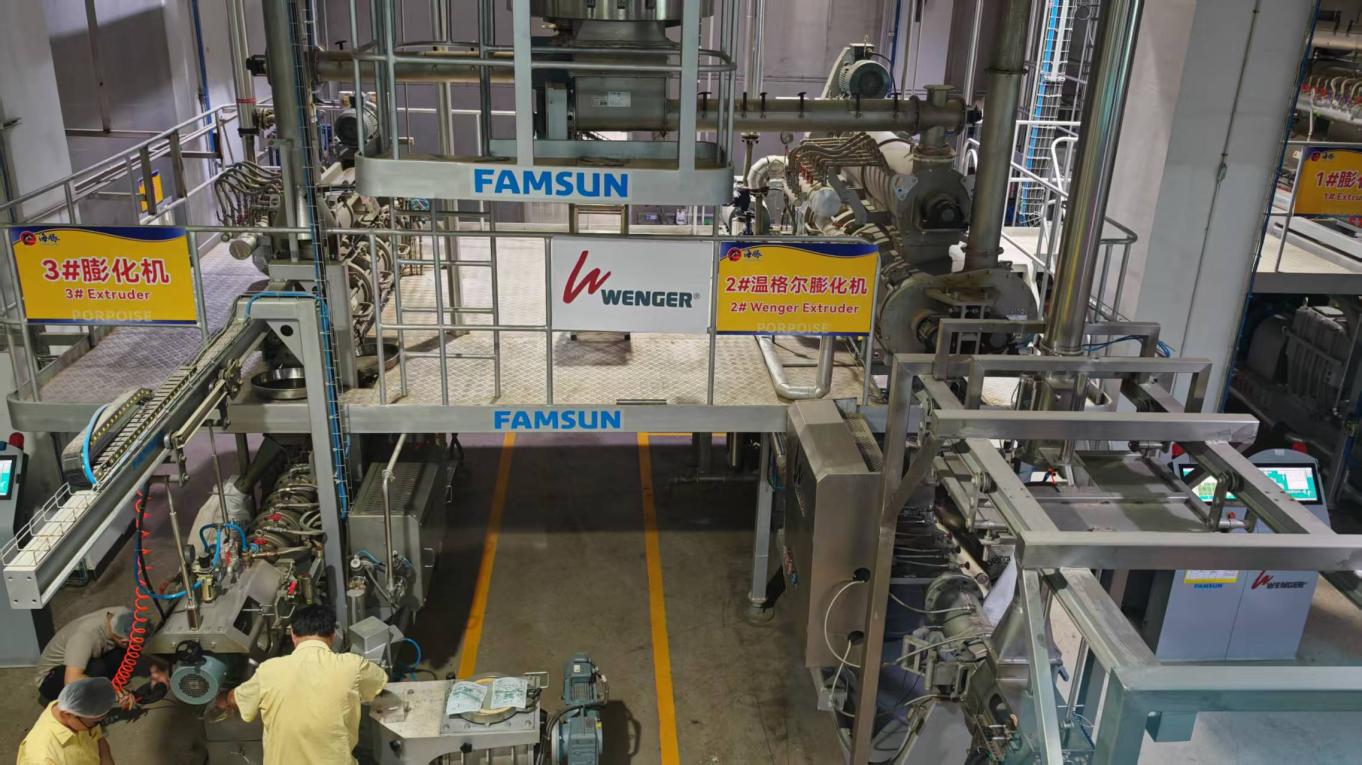
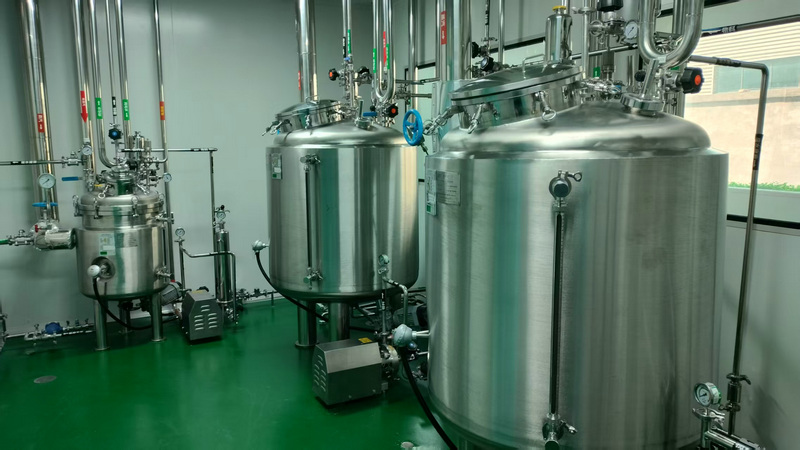
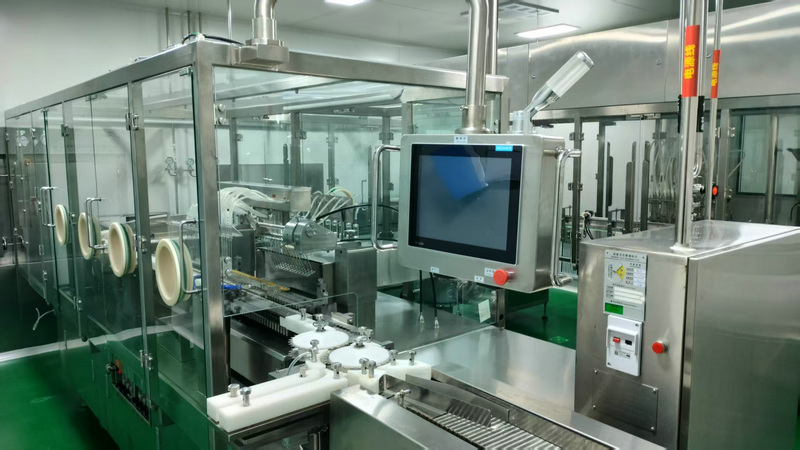
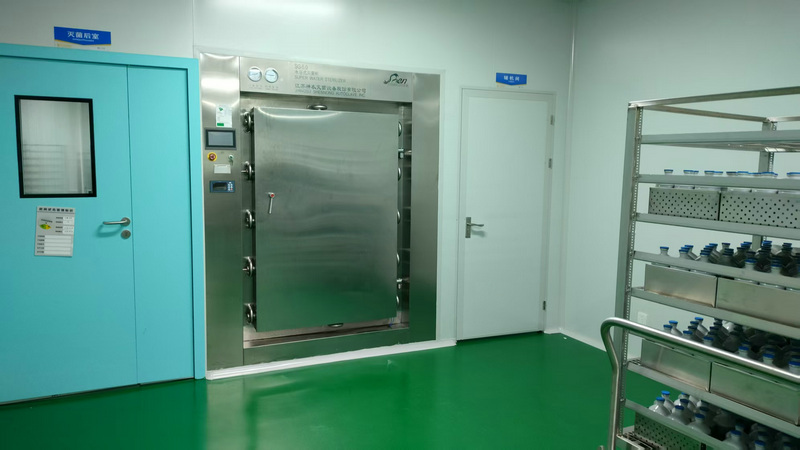
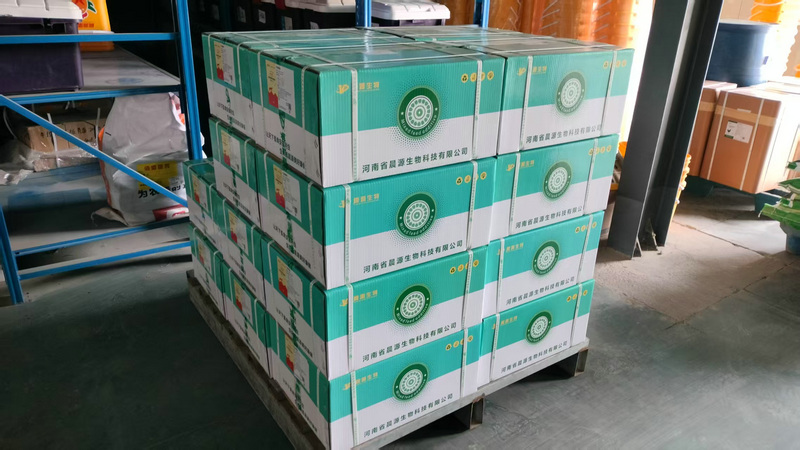
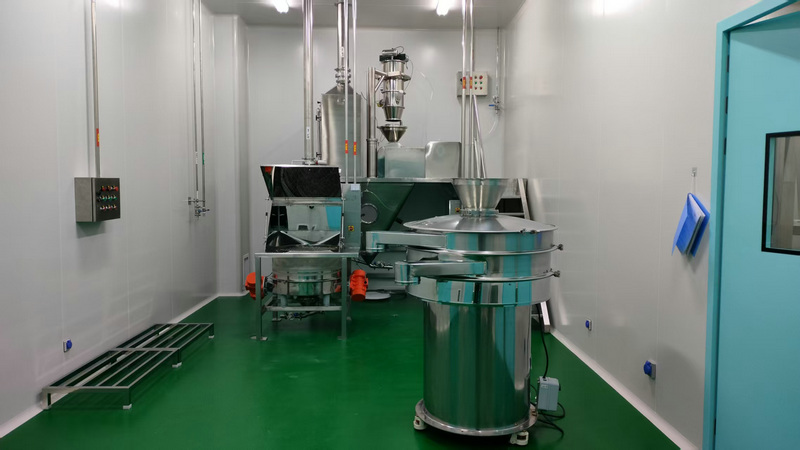
Our state-of-the-art manufacturing plant is designed to maintain pharmaceutical-level cleanliness and efficiency. We utilize computerized material flow control, automated physical treatment steps, and strict analytical inspections at every stage of production. Below is a detailed view of our key factory operational modules:
Alpha-Lipoic Acid's versatility stems from its solubility profile, allowing it to work effectively across various biological mediums. Here is how industries utilize ALA globally:
ALA is key in anti-aging capsules, blood sugar support supplements, and metabolic health formulas. It helps regenerate other vital antioxidants, including vitamins C and E, and supports healthy cellular energy production.
Known for its skin-soothing and anti-wrinkle properties, micro-encapsulated ALA is incorporated into premium serums and creams to fight oxidative stress caused by UV radiation and environmental pollutants.
In livestock production, physiological stressors degrade animal health. Adding ALA to animal diets helps reduce systemic oxidative stress, improve muscle tissue quality, and support overall feed conversion efficiency.
The global demand for Alpha-Lipoic Acid is currently influenced by three main structural trends:
Global business buyers, from contract manufacturers to major supplement brands, look for several key criteria when choosing an Alpha-Lipoic Acid supplier:
High-quality ALA must show a minimum purity of 99.0% by HPLC analysis. Heavy metals, particularly lead, arsenic, cadmium, and mercury, must be kept under 10 ppm, with individual metals often restricted to less than 1 ppm to meet strict European and North American regulations.
Since ALA is synthesized chemically, manufacturers must control residual solvents. Suppliers must conform to USP <467> and ICH Q3C guidelines, ensuring that Class 1 and Class 2 solvents are kept well below dangerous thresholds.
Whether for direct compression tablets or powder-filled capsules, the physical properties of the powder are critical. Standard powders may clump due to ALA's low melting point (approx. 60-62°C). Suppliers provide granular or customized particle size grades to optimize flowability on automated production lines.
ALA is sensitive to heat and light. To ensure stability, high-quality material is packed in double polyethylene food-grade bags, vacuum-sealed inside fiber drums. Shipments must be temperature-controlled during transport to avoid melting and polymerization.