Akston Health
Akston Health
Akston Health
Explore our core catalog of highly refined bio-chemical elements, vitamins, and minerals supporting global livestock health and pharmaceutical formulation.
Coenzyme Q10 (CoQ10), medically classified as Ubiquinone (or in its reduced form, Ubiquinol), is a critical fat-soluble compound responsible for mitochondrial ATP generation. As a core bio-element in dietary supplements, veterinary formulas, and targeted animal feed additives, the global market depends heavily on the structural advantages of China's chemical and biochemical manufacturing infrastructure.
China represents over 85% of the world's bulk Coenzyme Q10 output. This supremacy is not merely built on cost-efficiencies, but on advanced microbial fermentation pathways using non-pathogenic bacterial strains such as Agrobacterium tumefaciens and Rhodobacter sphaeroides. This biological method ensures that the resulting Coenzyme Q10 matches the all-trans configuration identical to that produced naturally in mammalian organisms.
Key Supply Chain Advantage: Upstream raw material security. Chinese bioreactor complexes are vertically integrated with local glucose and starch derivatives industries, shielding global buyers from sudden pricing spikes and sourcing bottlenecks common in smaller manufacturing hubs.
Critical metrics highlighting China's manufacturing power in the biological synthesis sector:
To ensure seamless integration into human nutrition, cosmetics, and veterinary formulas, our production partners offer diverse particle grades and solubilities.
| Product Grade | Assay (Purity) | Physical Form | Key Properties & Solubility | Recommended Applications |
|---|---|---|---|---|
| USP/EP Powder | ≥ 98.0% to 101.0% | Yellow to orange crystalline powder | Lipophilic; oil-soluble. Sensitive to light & heat. | Dietary supplements, softgels, hard capsules, and bulk human nutrition. |
| CWD Powder (Cold Water Dispersible) | 10%, 20%, 40% | Light yellow free-flowing powder | Hydrophilic; easily dispersible in cold liquids due to micro-encapsulation. | Functional beverages, liquid veterinary tonics, and dry-mix formulas. |
| CoQ10 Emulsion / Liquid | 10%, 20% | Viscous light orange liquid | Optimized bioavailability; micro-emulsified active transport matrix. | Energy drinks, infant nutrition, and fortified dairy alternatives. |
| Cosmetic Grade | ≥ 98.0% | Fine crystalline powder | Tested for trace heavy metals and skin compatibility. Lipophilic. | Anti-aging creams, serums, protective emulsions, and cellular cosmetic lines. |
| Feed / Veterinary Grade | 10%, 20% Premix | Granular / Stabilized powder | High heat resistance during extrusion and pelletization. Extended shelf stability. | Aquaculture feeds, premium canine diets, and equine stamina premixes. |
Professional sourcing agents and regulatory specialists must scrutinize essential indicators to secure compliant bio-nutrients.
Bulk biological agents require precise chemical identification. High-Performance Liquid Chromatography (HPLC) is the standard method for determining Ubiquinone concentration. When procuring, request raw chromatograms to verify the absence of synthetic isomers or non-natural cis-variants, ensuring compliance with global pharmaceutical and food safety standards.
Exporting health ingredients to strict jurisdictions (FDA, EFSA, EMA) requires rigorous documentation. Leading manufacturers must provide comprehensive DMFs (Drug Master Files), CEPs (Certificates of Suitability), ISO 22000, Kosher, Halal, and FAMI-QS certifications (critical for feed additives entering the European Union).
Strict limits apply to organic residual solvents used during extraction and crystallization. Sourcing teams must ensure the final product falls well within the safety parameters defined by the International Council for Harmonisation (ICH) Q3C Guidelines for Class II and Class III solvents.
Sourcing biological ingredients from China involves navigating complex customs procedures, fluctuating maritime shipping lanes, and varied regional regulations.
To address these challenges, leading manufacturers provide integrated supply chain solutions. These services ensure that import shipments arrive at destination warehouses pre-cleared, certified, and ready for production, reducing logistical friction for global buyers.
The Coenzyme Q10 market is shifting toward specialized, highly bioavailable, and sustainably sourced ingredients.
Increased demand for the reduced active form (Ubiquinol), which offers superior absorption and cellular utilization compared to standard Ubiquinone.
Integration of liposomal and micro-emulsion delivery technologies to overcome CoQ10's natural lipophilic absorption limits.
Modern fermentation facilities are shifting toward low-emission carbon sources, aligning with corporate sustainability initiatives.
Expansion into high-end pet supplements and veterinary diets, targeting cardiac and cellular health in aging animals.
Coenzyme Q10 serves critical functions across diverse industries, from veterinary therapies to human longevity formulations.
In animal nutrition, CoQ10 acts as a potent antioxidant, supporting cardiovascular function and cellular energy production in canine, feline, and equine species. It is widely used in wellness diets to mitigate oxidative stress and promote healthy recovery in show horses and senior companion animals.
As a key ingredient in healthy aging formulations, CoQ10 is standard in softgels and capsules designed to support cardiovascular and metabolic health. Fast-dispersing CWD versions are also increasingly utilized in powdered functional drink mixes and gummies.
CoQ10 is widely used in anti-aging skincare formulations. Due to its antioxidant properties, it helps protect dermal cells from UV-induced oxidative stress, supporting collagen synthesis and skin elasticity in targeted topical applications.
A trusted, certified partner delivering innovative health and animal nutrition solutions to global markets.
Qingdao Akston Health Co., Ltd. is a dedicated manufacturer and global supplier of high-performance feed additives, mineral compounds, and nutritional ingredients. We support livestock productivity, aquaculture development, and animal wellness worldwide.
Our portfolio includes choline chloride, amino acids, vitamins, and minerals, all produced under strict quality control standards. We partner with reliable manufacturing facilities to ensure consistent quality, supply safety, and regulatory compliance.
Through reliable products, responsive service, and customized formulations, Akston Health builds long-term partnerships across the Americas, Europe, Asia, and Africa, supporting sustainable agricultural practices worldwide.
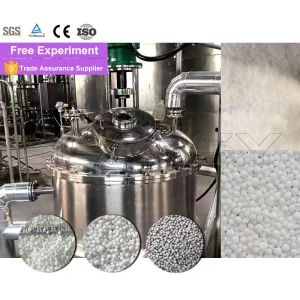
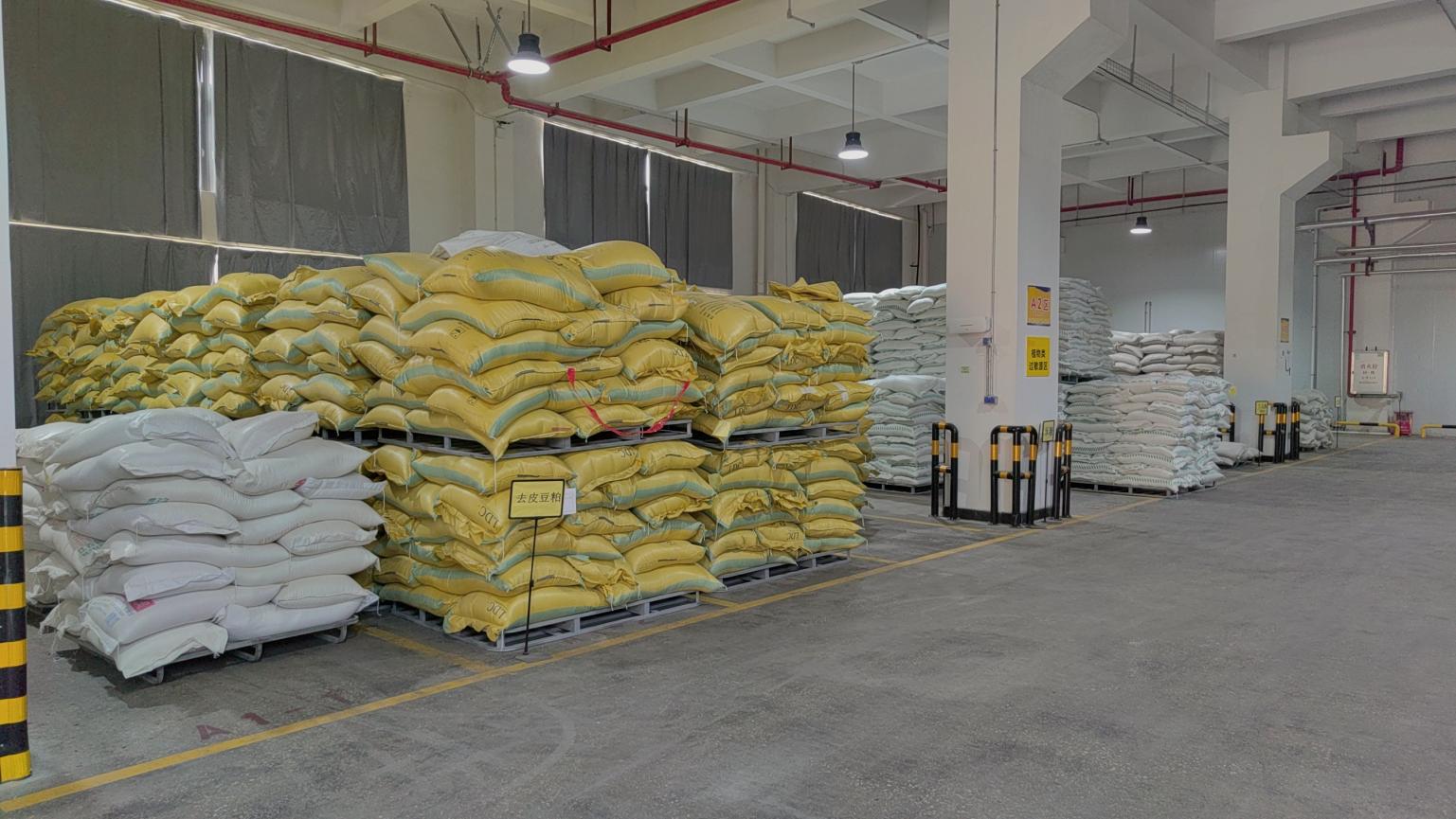
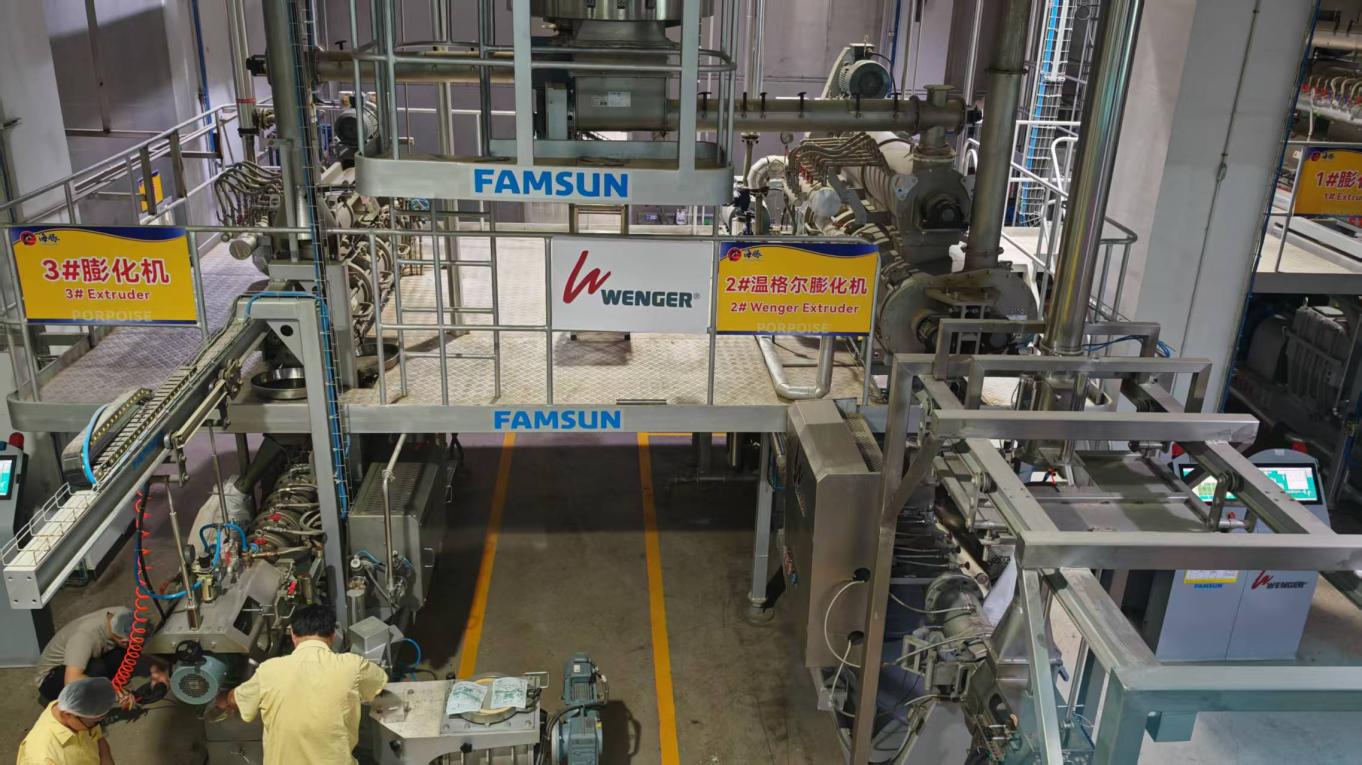
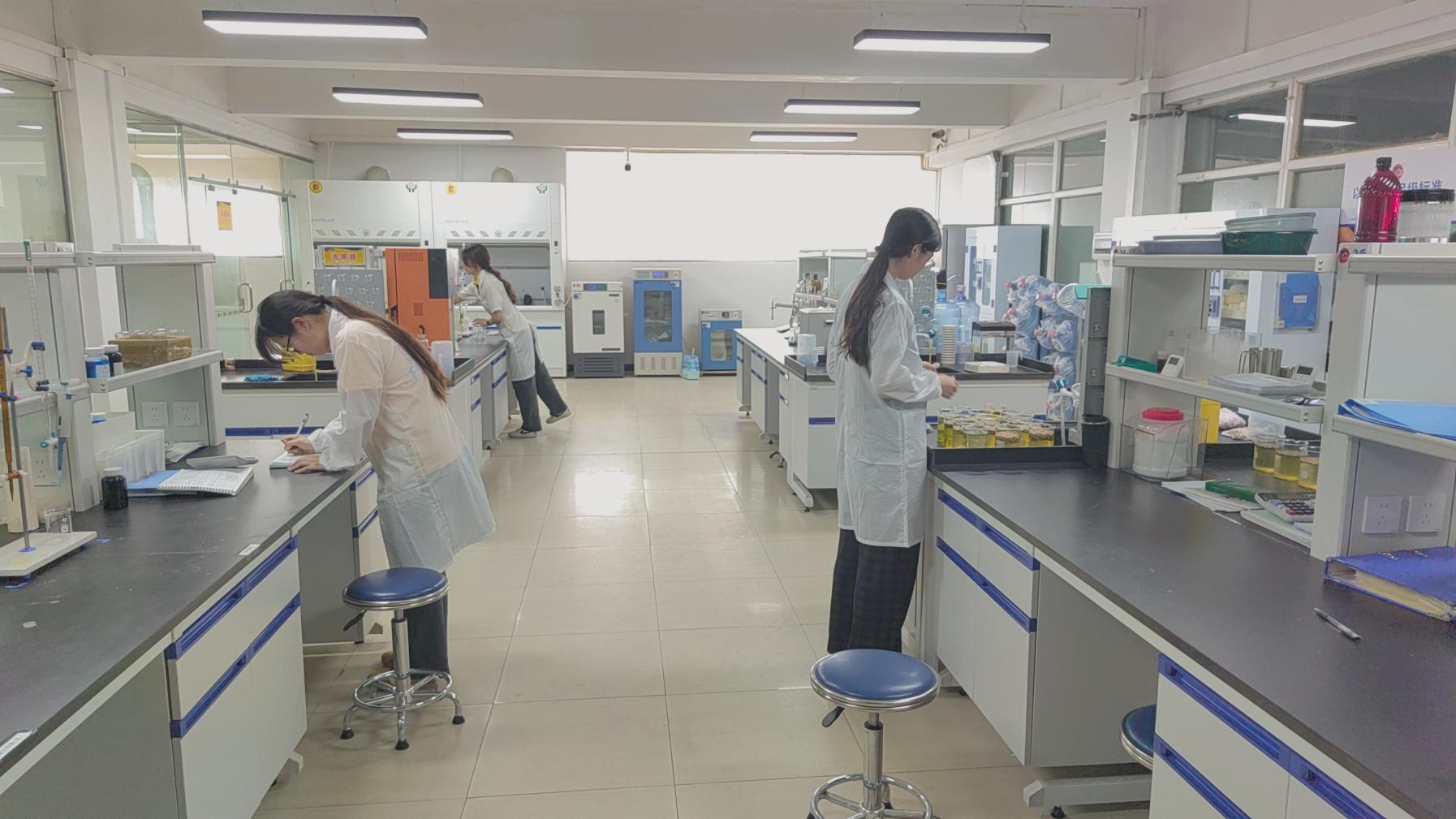
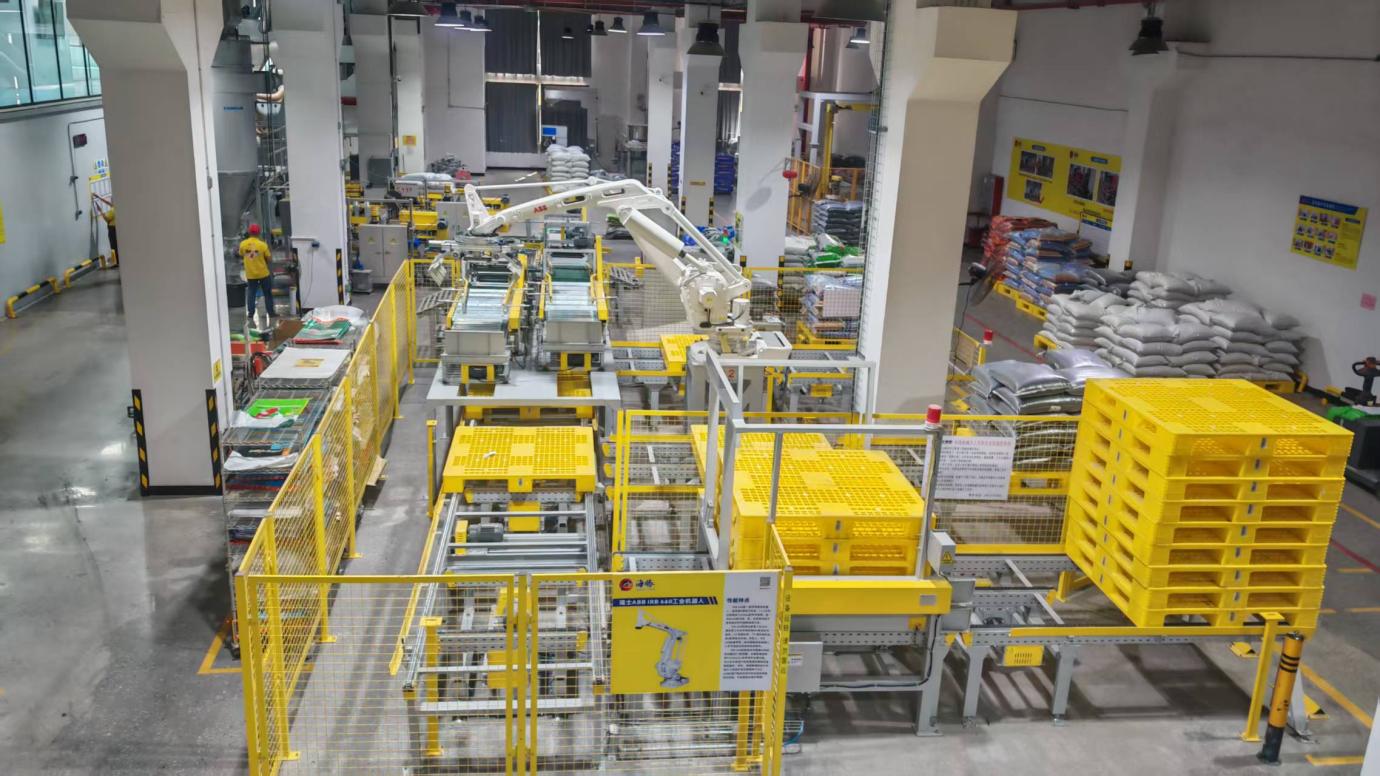
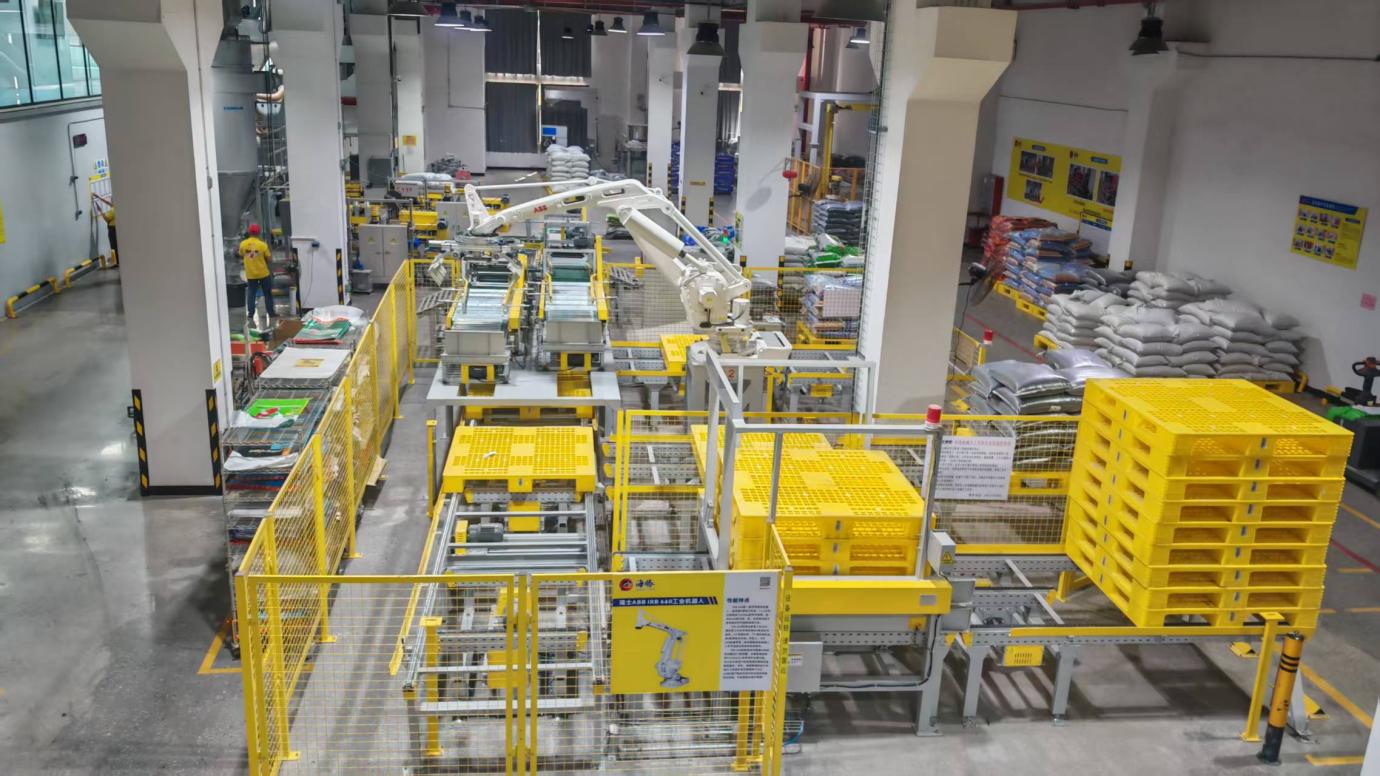
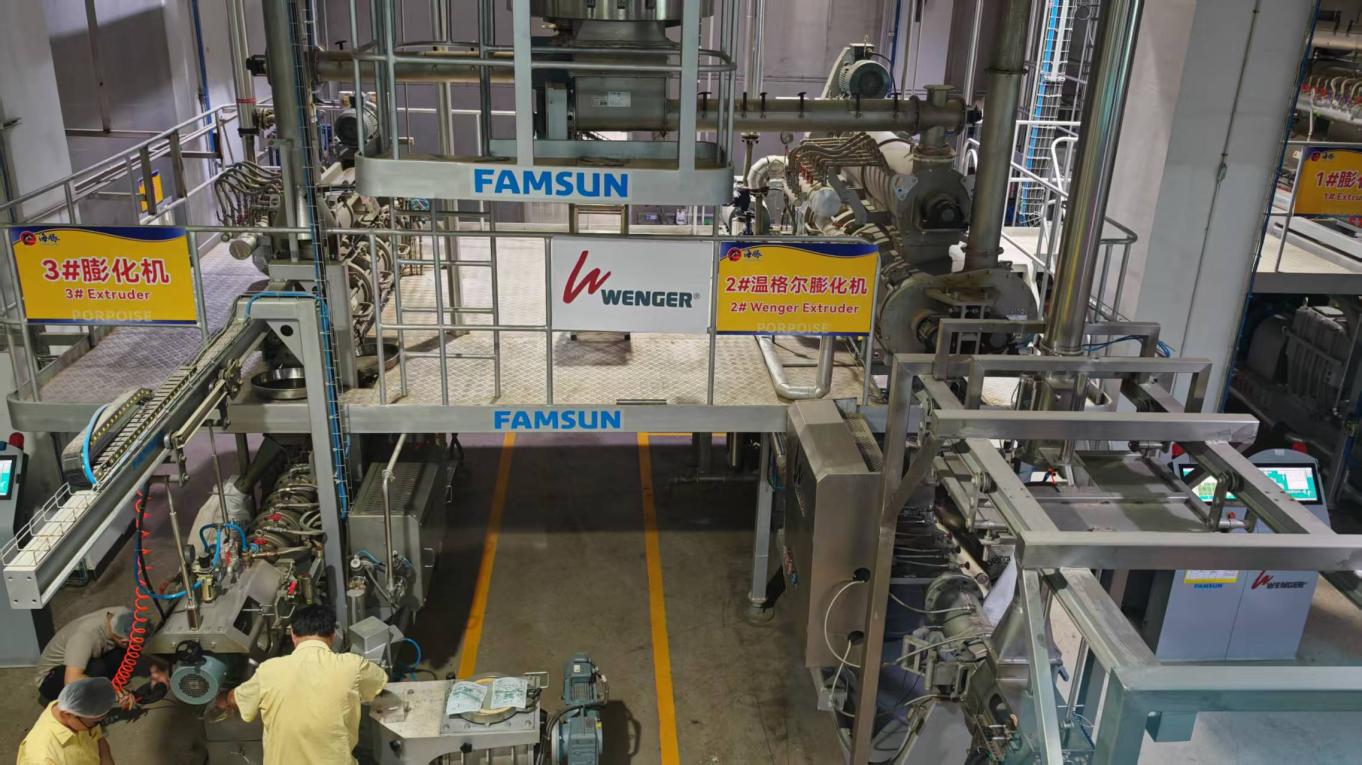
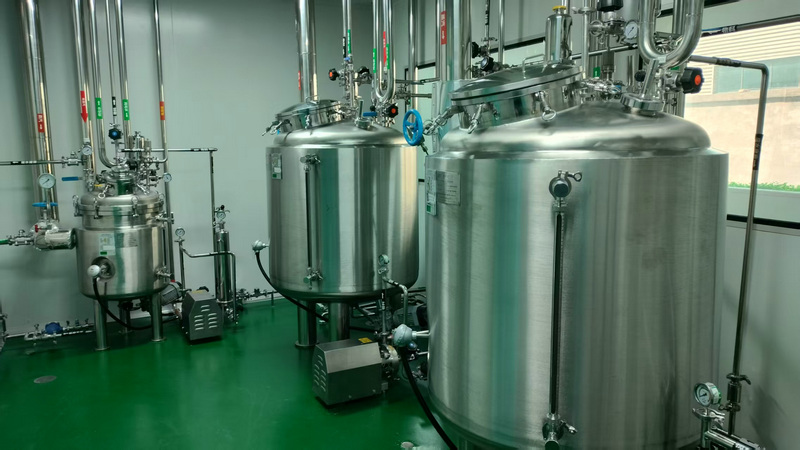
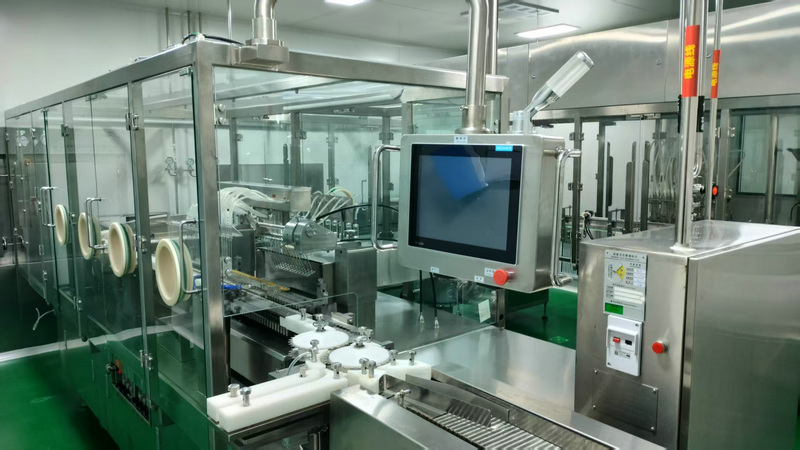
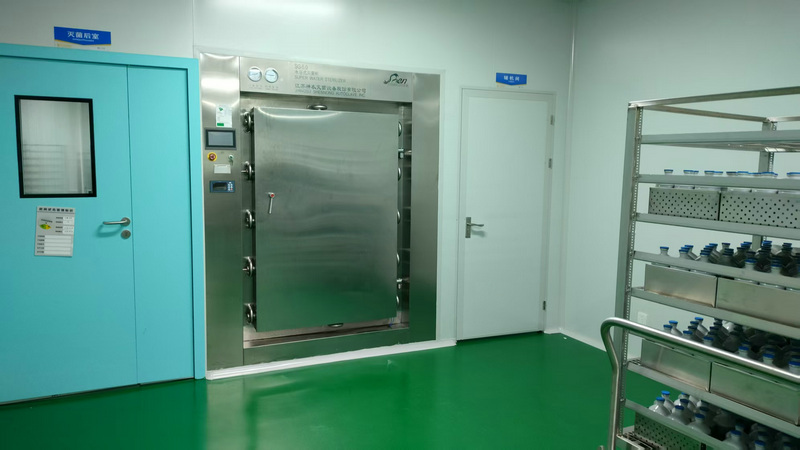
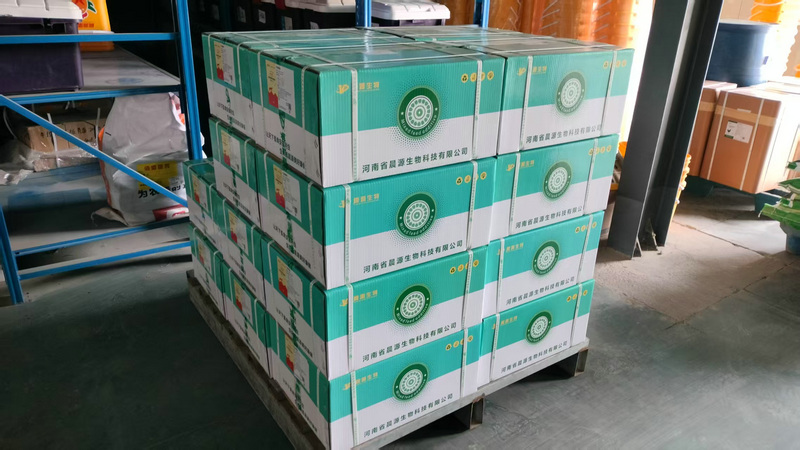
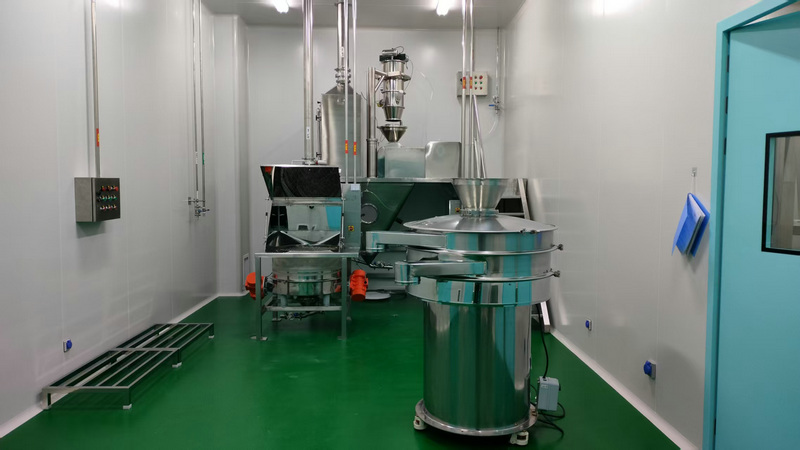
Our facilities follow strict GMP standards. The sequence below illustrates the key steps in our manufacturing, processing, and packaging operations, ensuring consistent and traceble product quality.

Get authoritative answers to technical, regulatory, and sourcing questions about bulk Coenzyme Q10.
Explore our technical-grade additives, soil conditioners, and high-performance mineral premixes.