Akston Health
Akston Health
Akston Health
Explore our core selection of high-grade industrial catalysts, feed additives, and nutritional ingredients.
Driving processing efficiency and supply chain security across five continents.
Minimum CaCO3 Purity Standard
Exporting Countries & Regions
Certified Quality Protocols
Active Logistics Monitoring
Calcium Carbonate (CaCO3) stands as one of the most versatile and crucial inorganic mineral compounds used in contemporary manufacturing. Serving industries ranging from rubber, plastics, paper, and coatings, to high-precision animal nutrition and agricultural feed additives, its quality dictates downstream performance. Selecting a premier China calcium carbonate manufacturer and exporter is a strategic decision that relies on understanding mineral reserves, processing technology, and international compliance pathways.
China is home to some of the world's most extensive, high-purity limestone, calcite, and marble reserves. This geological bounty forms the bedrock of its global export leadership. The nation's manufacturing clusters combine raw material proximity with vertically integrated processing lines. This optimization minimizes raw transportation costs while preserving the chemical profile of the minerals from quarry to container.
Ensuring targeted particle size distribution (PSD) from ultra-fine ground (GCC) to nanometer precipitated calcium carbonate (PCC) to prevent agglomeration in industrial matrices.
Adhering to strict limits for Lead (Pb), Arsenic (As), Cadmium (Cd), and Mercury (Hg) compliant with European Directive 2002/32/EC and FDA guidelines.
Surface modification using stearic acid, coupling agents, or custom polymers to optimize dispersion, processability, and compatibility with organic polymers.
Global procurement teams must navigate a complex web of regional regulatory standards. When procuring calcium carbonate for sensitive applications—such as animal feed additives or food-grade formulations—compliance is non-negotiable. At the heart of this strategy is the validation of certificates of analysis (CoAs) alongside facility audits.
Purchasing agents must ensure that their supplier's quality control systems match the importing country's requirements. For example, animal nutrition products entering European markets demand FAMI-QS or GMP+ certifications. Products bound for North American food formulations require compliance with the Food Chemicals Codex (FCC) and FDA registration.
In practice, calcium carbonate is rarely a one-size-fits-all mineral. For instance, in animal nutrition, it acts as a primary source of dietary calcium, supporting bone structure and eggshell thickness. Here, bioavailability is directly impacted by particle size; coarse particles stay in the gizzard longer for continuous calcium release, while fine particles support immediate systemic absorption.
Conversely, in industrial polymers and plastics, it functions as a functional filler that boosts tensile strength, thermal resistance, and structural stability. Modifying the mineral surface with stearic acid reduces oil absorption, lowering resin usage and improving overall compound processability.
Pioneering high-performance nutritional ingredients, feed additives, and industrial mineral logistics.
Qingdao Akston Health Co., Ltd. is a trusted manufacturer and global supplier dedicated to delivering innovative health and nutrition solutions for the animal feed industry. With a strong commitment to quality, sustainability, and continuous innovation, we provide high-performance feed additives and nutritional ingredients that support healthier livestock, improved productivity, and safer food production worldwide.
Our comprehensive product portfolio includes choline chloride, amino acids, vitamins, minerals, and other functional feed additives designed to meet the nutritional requirements of poultry, swine, ruminants, aquaculture, and companion animals. Our science-based formulations help optimize animal growth, enhance immune function, improve feed efficiency, and contribute to reducing the reliance on antibiotics in modern livestock production.
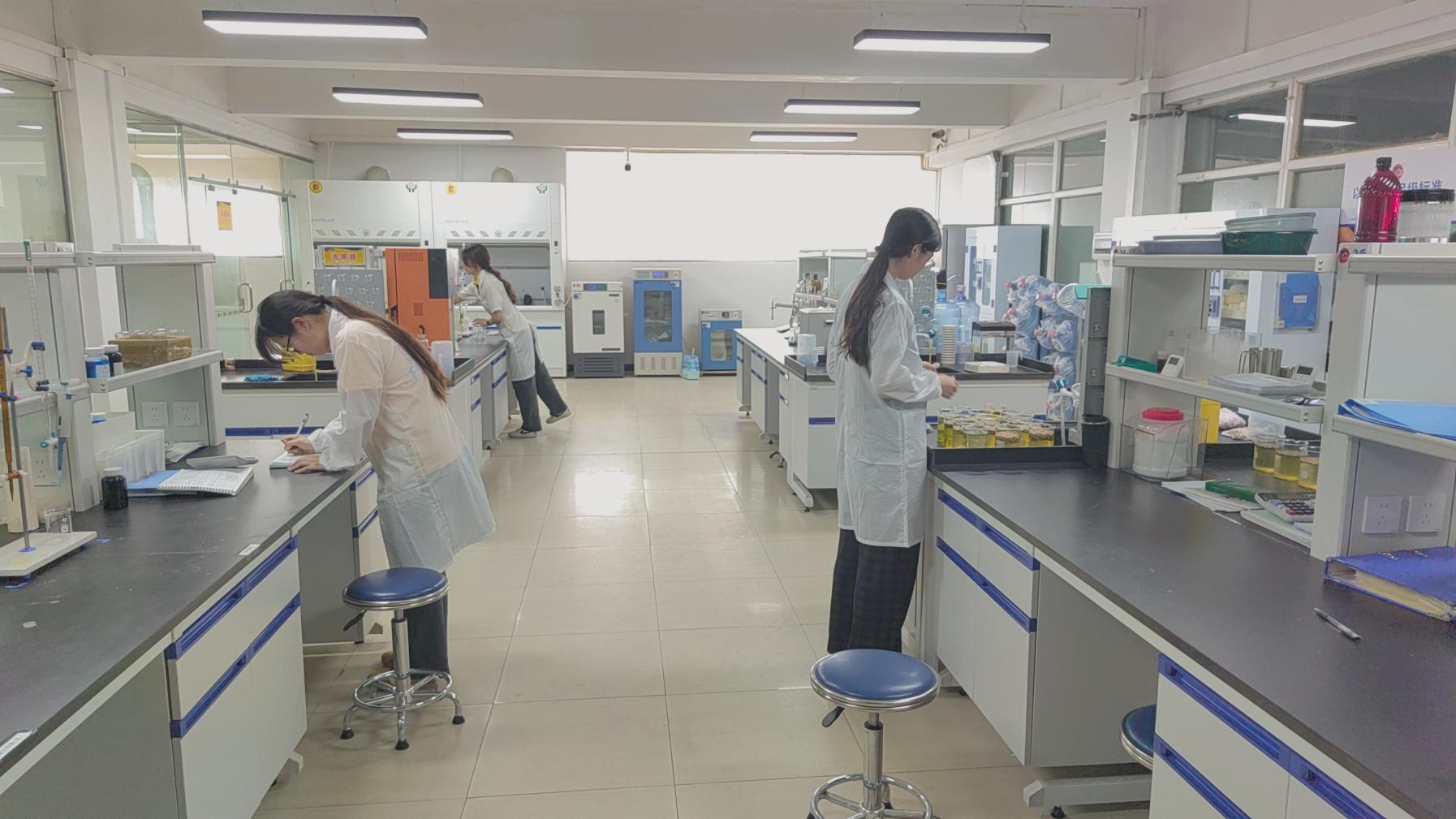
At Akston Health, quality is the foundation of everything we do. We work closely with qualified manufacturing partners and implement strict quality control systems throughout sourcing, production, and logistics to ensure every product meets international standards. Our experienced technical team also provides customized solutions and professional support to help customers achieve better production performance and sustainable business growth.
Driven by integrity, innovation, and customer satisfaction, Qingdao Akston Health Co., Ltd. has established long-term partnerships with clients across Asia, Europe, the Middle East, Africa, and the Americas. We are committed to creating lasting value through reliable products, competitive pricing, efficient supply chain management, and responsive customer service.
As your trusted partner in animal nutrition, Akston Health will continue to develop innovative solutions that promote animal health, improve farming efficiency, and contribute to a more sustainable global agriculture industry.
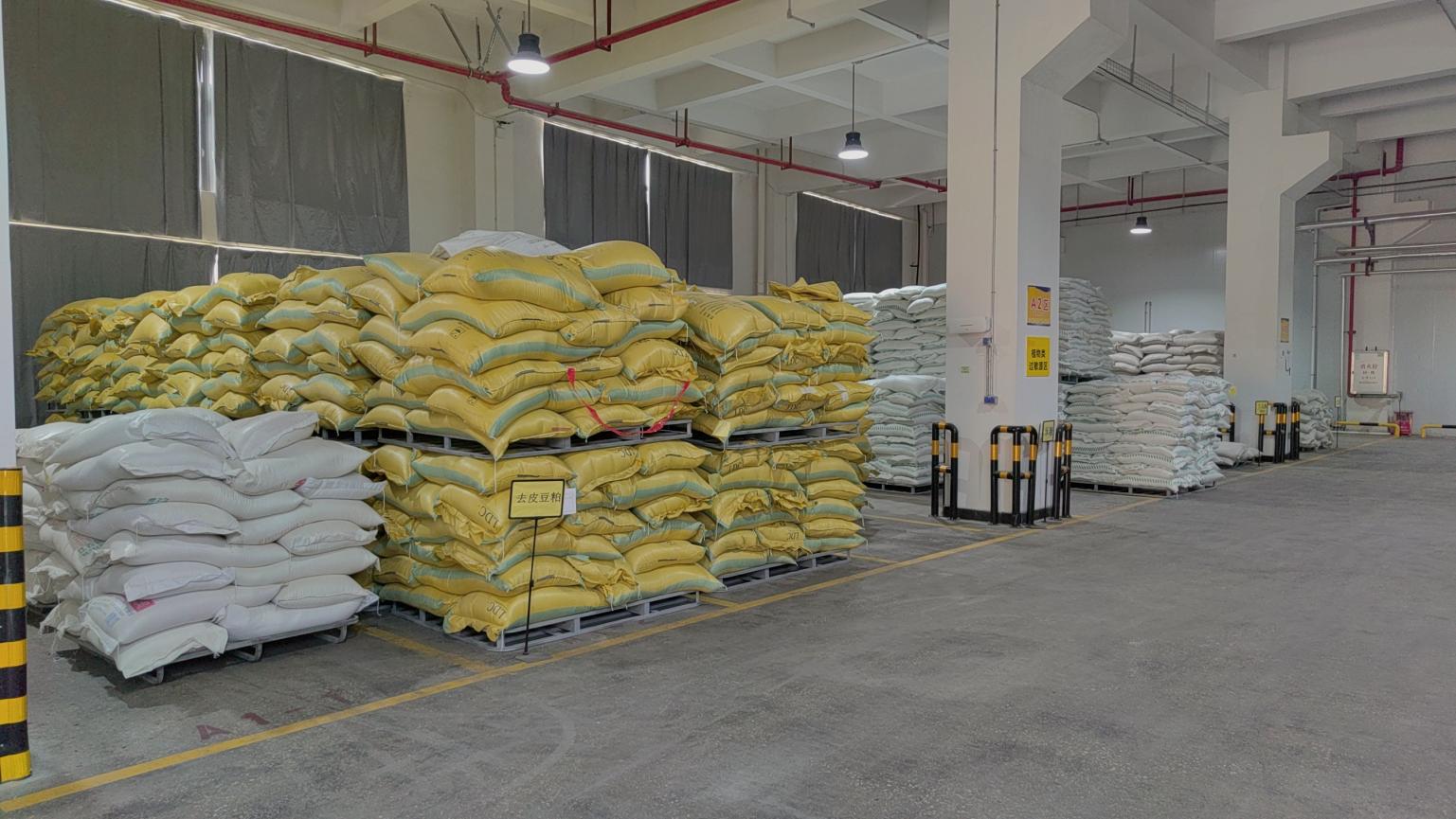
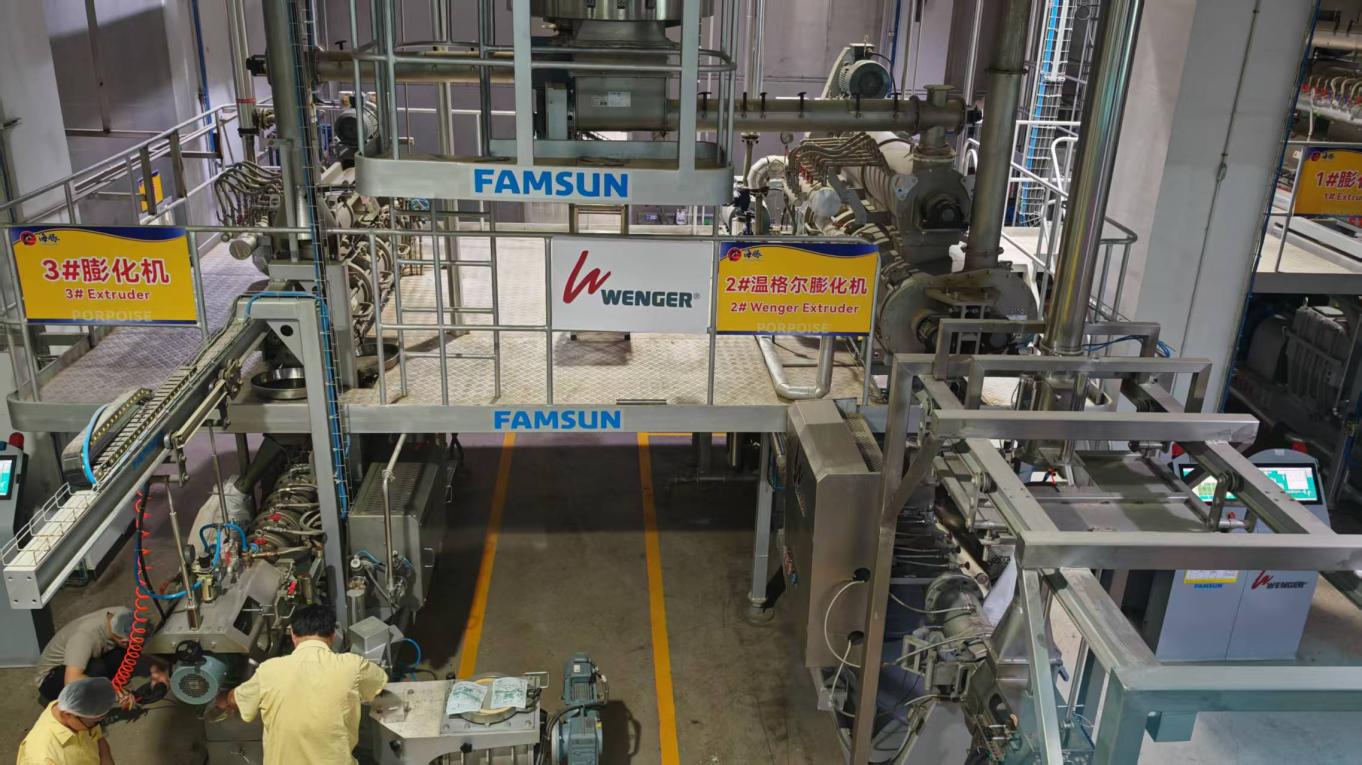
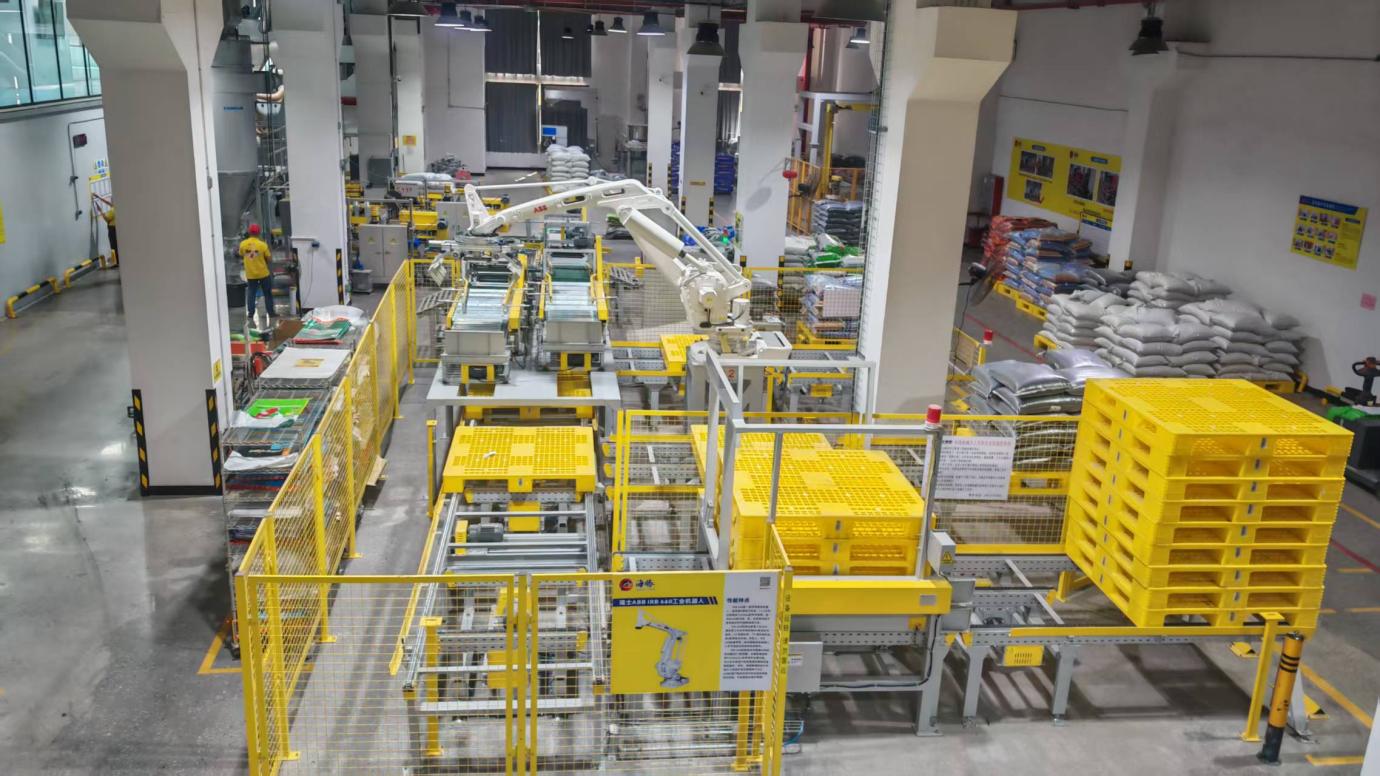
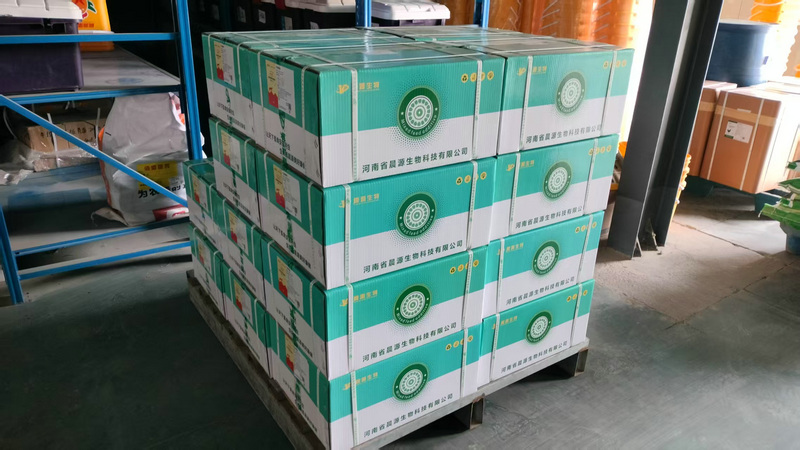
Our vertically integrated processing facility is equipped with automated storage, high-precision milling, and packing systems that ensure quality control at every stage of the manufacturing cycle.

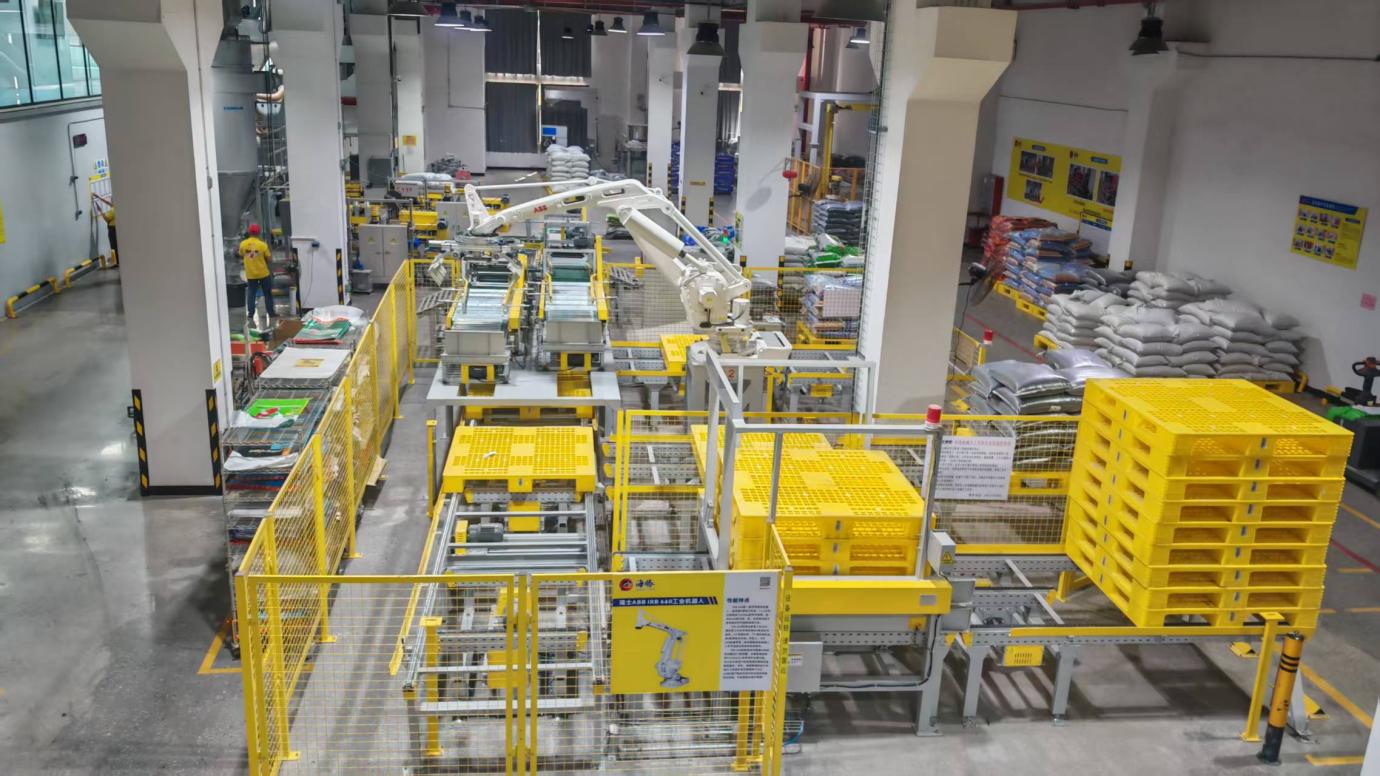
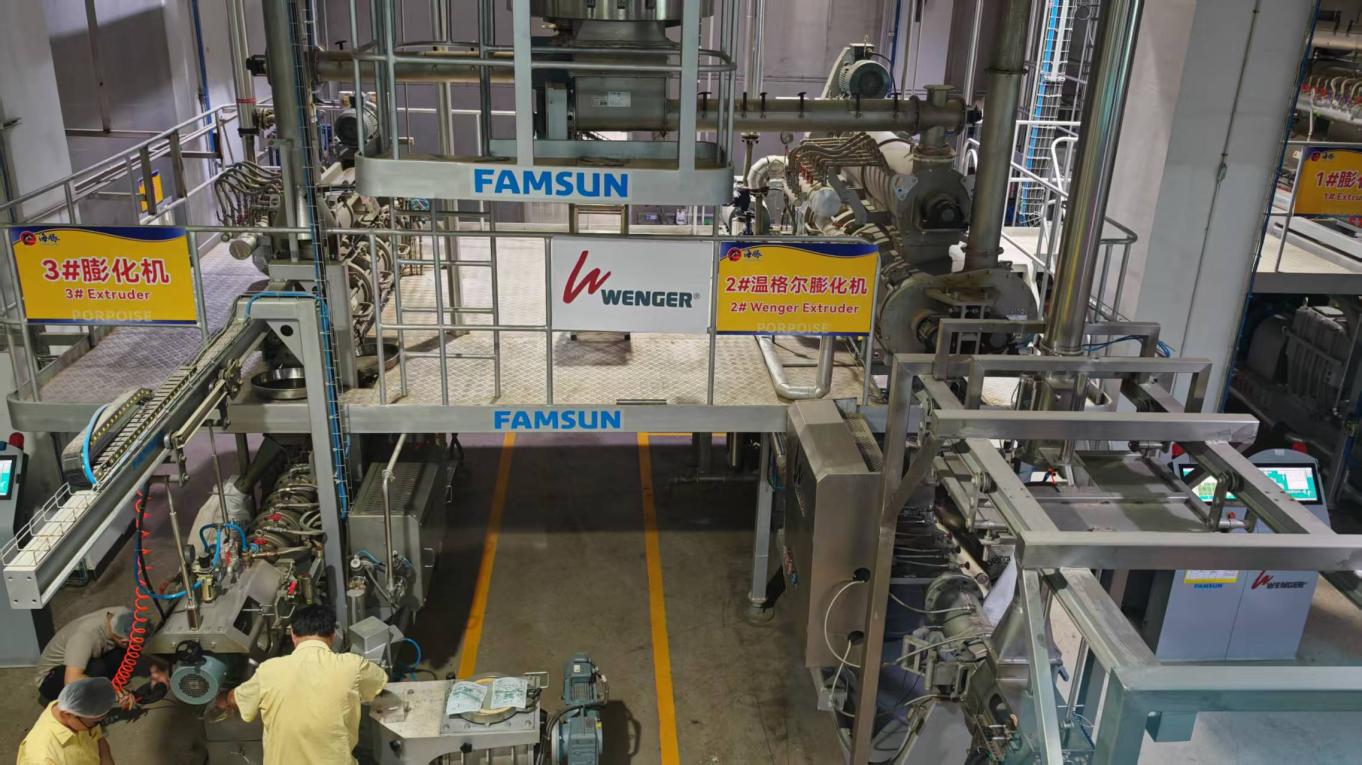
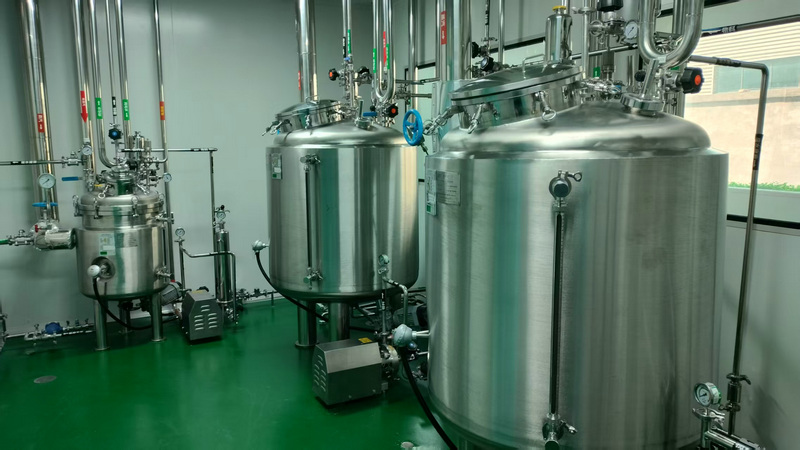
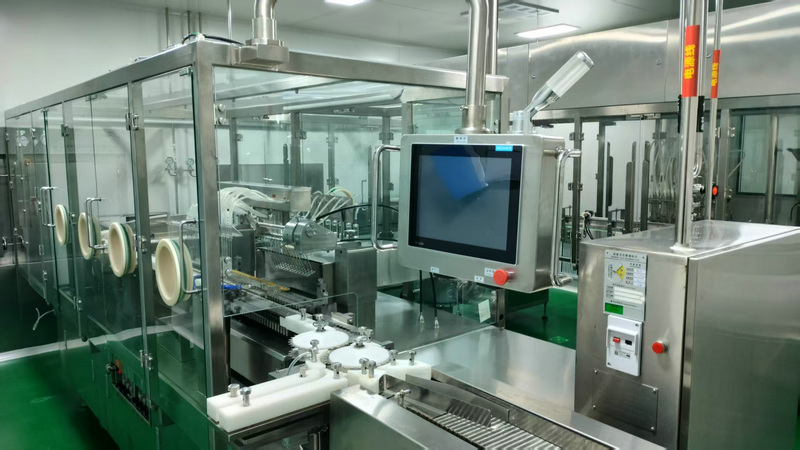
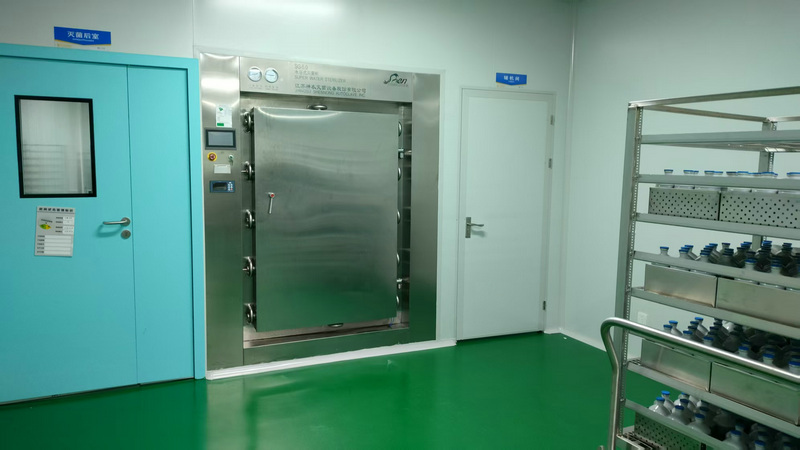
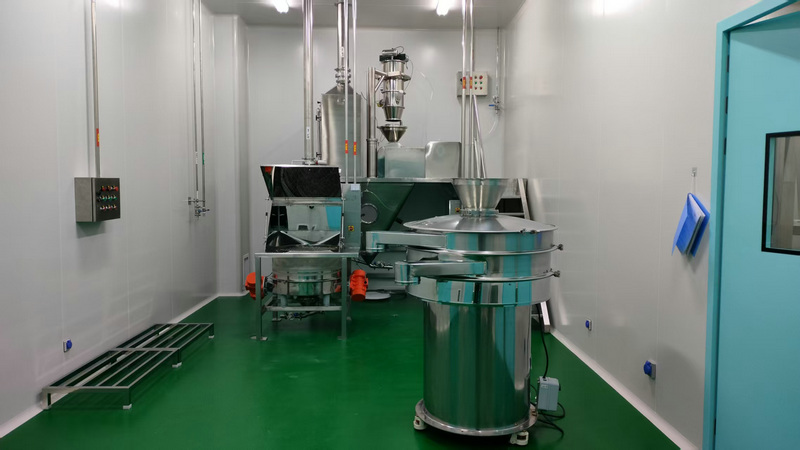
The global calcium carbonate industry is evolving rapidly, driven by sustainability targets and new technologies. Modern plants are shifting away from traditional grinding toward automated, energy-efficient classification systems. These new methods reduce electricity consumption while producing precise particle sizes with minimal dust emissions.
Find direct answers to common technical, logistics, and compliance questions about global calcium carbonate procurement.
Explore our complete range of high-quality nutritional powders, mineral compounds, and custom OEM supplements.