Akston Health
Akston Health
Akston Health
Explore our premium grade products selected for global delivery, meeting strict food, pharmaceutical, and feed quality parameters.
Empowering Global Food, Feed, and Health Industries through Scientifically Advanced Supply Chain Solutions.
Qingdao Akston Health Co., Ltd. is a globally recognized manufacturer and trusted supplier of advanced health, nutrition, and food-grade ingredients. Rooted in research, technology, and strategic sourcing, we specialize in high-performance nutritional formulations, amino acids, vitamins, minerals, and plant-derived functional powders. Over the years, we have scaled our production lines to meet the strict regulatory requirements of global markets, establishing ourselves as a pivotal node in the agricultural and dietary supplement ecosystems.
Our comprehensive portfolio, featuring essential stabilizers, custom protein fractions, and bio-extracts, supports the food and animal feed sectors worldwide. We operate state-of-the-art manufacturing plants equipped with advanced processing technologies. This infrastructure allows us to precisely calibrate critical parameters such as particle size distribution, thermal stability, bulk density, and microbiological purity, providing our clients with unmatched consistency and functionality.
By blending traditional manufacturing discipline with modern biosecurity protocols, Akston Health delivers scalable raw material formulations that serve the evolving demands of food manufacturing, animal nutrition, and sustainable agricultural practices. From raw materials storage to advanced crushing, sieving, and sterilization, our facilities operate under certified ISO, HACCP, and GMP environments.
How Modern China Manufacturers Are Redefining Cocoa Supply Chains, Quality Compliance, and Processing Technology.
The global cacao and cocoa powder markets are experiencing an unprecedented structural transformation. Historically dominated by West African raw bean output and Western European processing facilities, the supply chain is shifting towards highly efficient, vertically integrated manufacturing corridors in Asia—with China leading the transition. This shift is driven by the growing demand for clean-label formulation, natural antioxidants (flavonoids), and functional foods.
Global food manufacturing giants are actively seeking partners capable of providing consistent raw material outputs despite agricultural fluctuations. Modern cacao powder processors in China are utilizing advanced processing technologies that allow them to refine West African and Southeast Asian cacao beans into customized alkalized and natural cocoa powders. By managing parameters like pH level, fat content (typically 10-12% or high-fat variants at 20-22%), and flavor profile, these processors provide a secure, risk-mitigated supply line for bakers, confectioners, and functional food brands globally.
High-flavonoid cacao is increasingly utilized as a functional health ingredient rather than a simple flavoring agent. Manufacturers are selecting cacao for its natural cognitive and cardiovascular benefits.
With strict EU (Regulation 2023/915) and FDA regulations on Cadmium (Cd) and Lead (Pb) in cocoa products, top manufacturers rely on rigorous soil testing, clean sourcing, and processing adjustments to keep contaminants to a minimum.
Supply chain transparency is no longer optional. B2B buyers mandate fair labor verification and carbon footprint transparency, pushing modern manufacturers to implement blockchain and IoT tracking from bean to export.
Addressing the major challenges in bulk purchasing, shipping stabilization, and organoleptic consistency.
For B2B buyers—ranging from multinational confectionary brands to sports nutrition packagers—purchasing cacao and premium chemical food ingredients in bulk entails a complex risk profile. The primary challenges revolve around maintaining structural consistency (preventing clumping and moisture absorption during maritime shipping) and ensuring strict microbiological compliance.
To address these concerns, our manufacturing protocols integrate micro-controlled heat treatment, strict relative humidity control (below 50% in packaging areas), and multi-layer moisture-barrier packaging. By controlling these processes, Akston Health and our specialized partners ensure that ingredients arrive at their destination ports with free-flowing characteristics, ready for automated production lines.
Depending on the final application, our processing enables precise pH calibration:
• Natural Cacao Powder (pH 5.0 - 5.8): Light brown color, sharp, acidic fruit notes, ideal for baking applications utilizing baking soda.
• Medium Alkalized (pH 6.8 - 7.2): Warm brown tone, balanced cocoa flavor, perfect for dairy, beverages, and general confectionary.
• Dark/Red Alkalized (pH 7.2 - 8.0): Rich dark red-brown hues, robust chocolate body, suitable for biscuits and deep chocolate coatings.
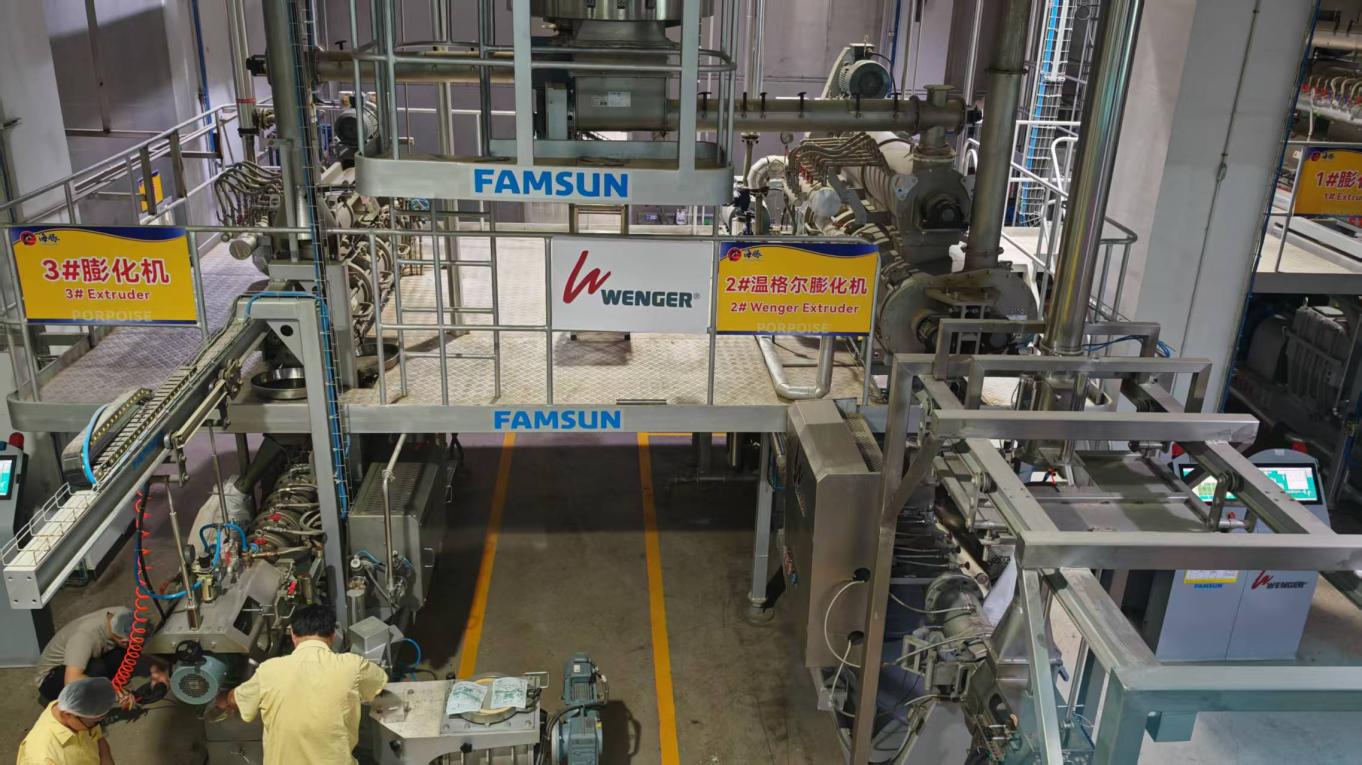
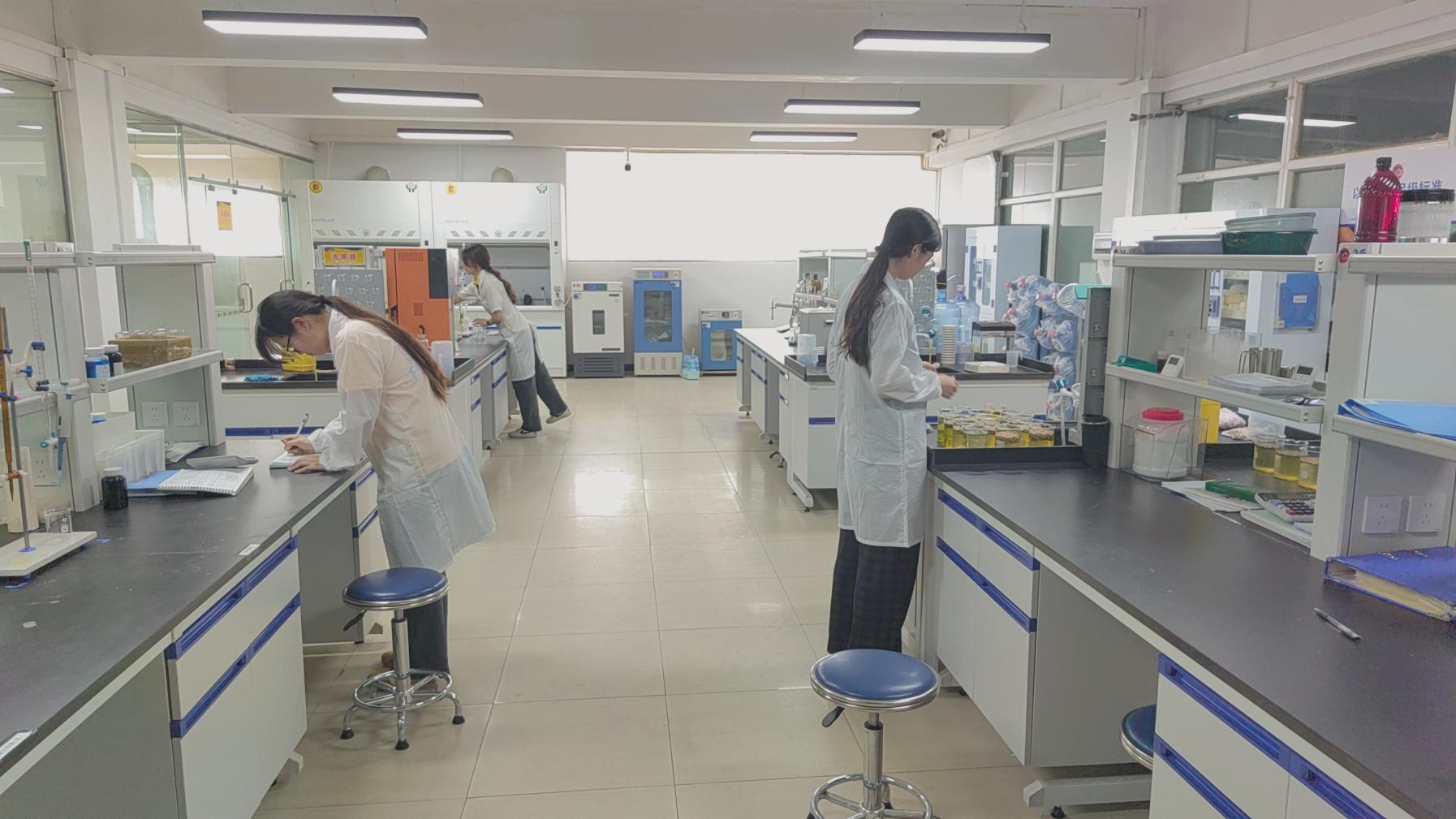
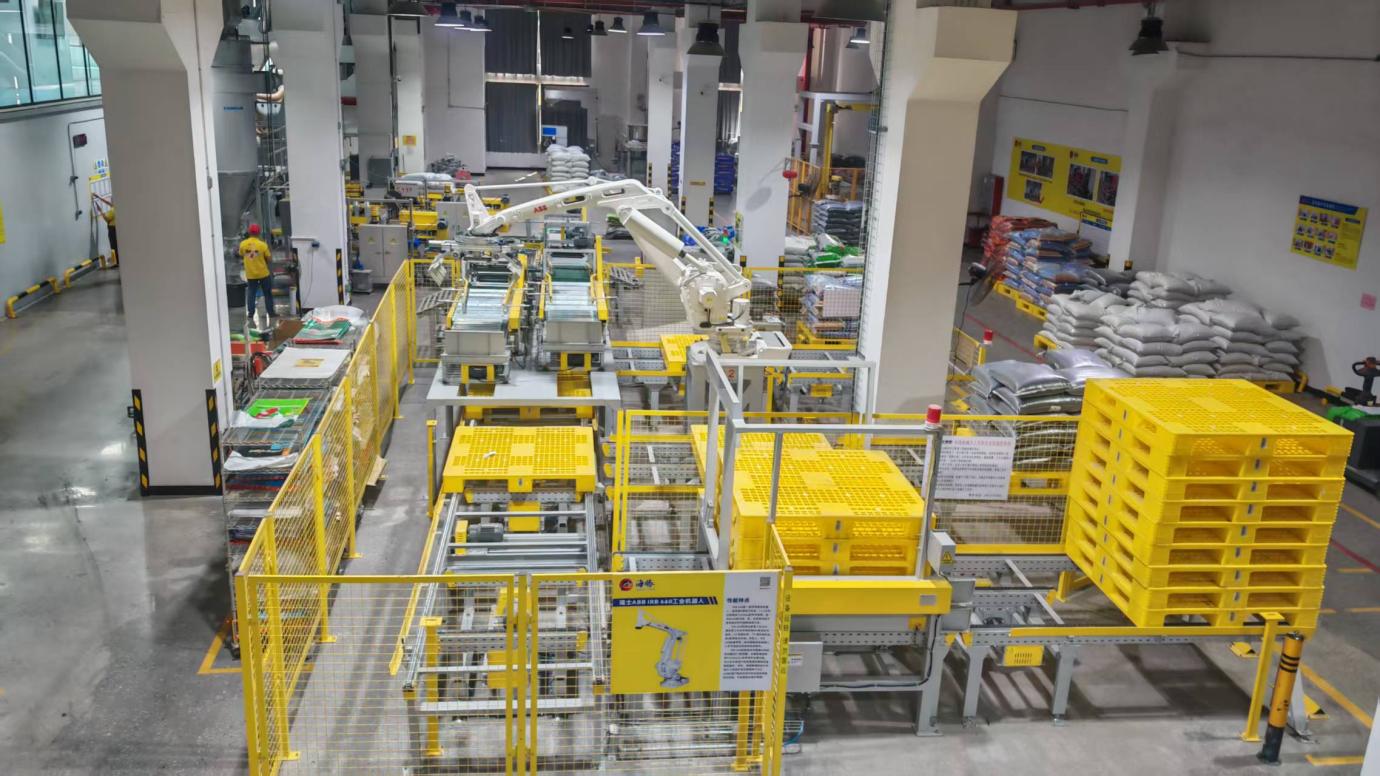
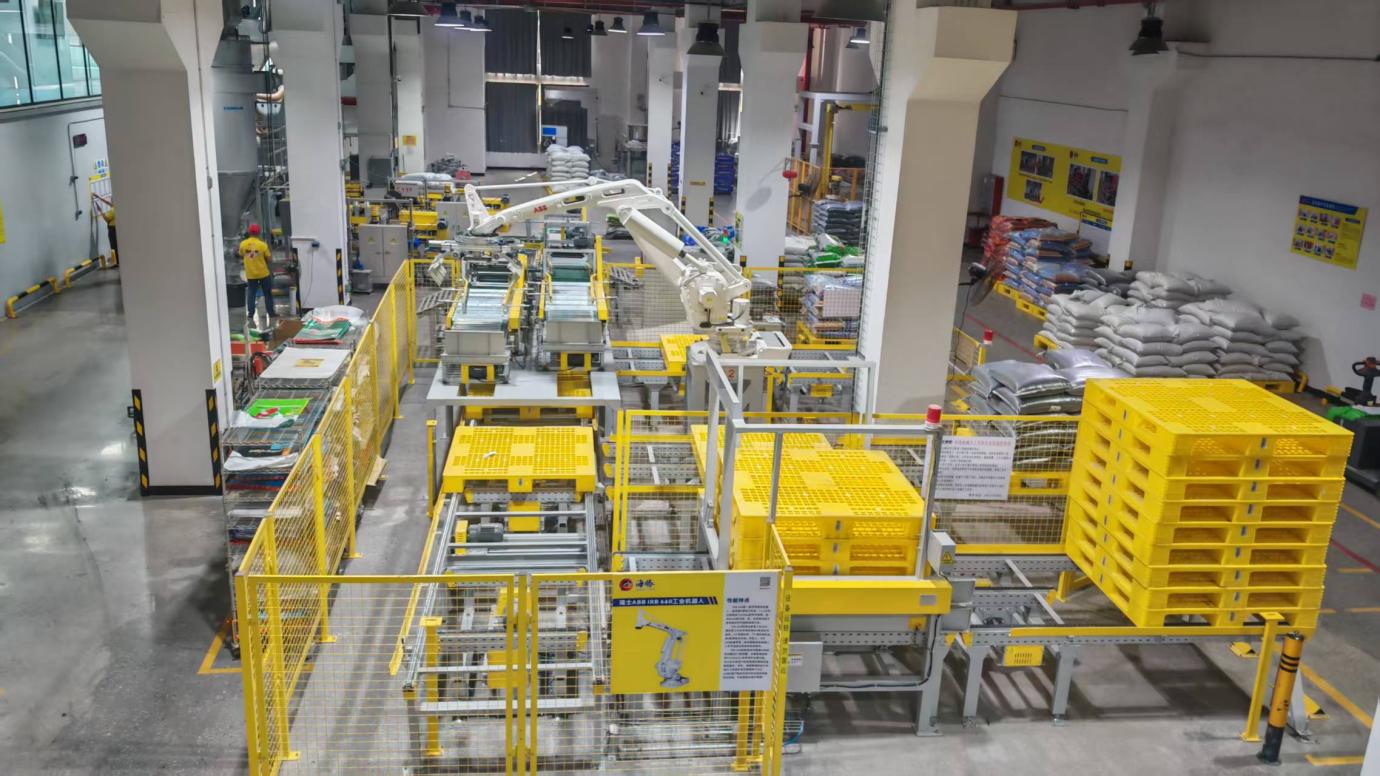
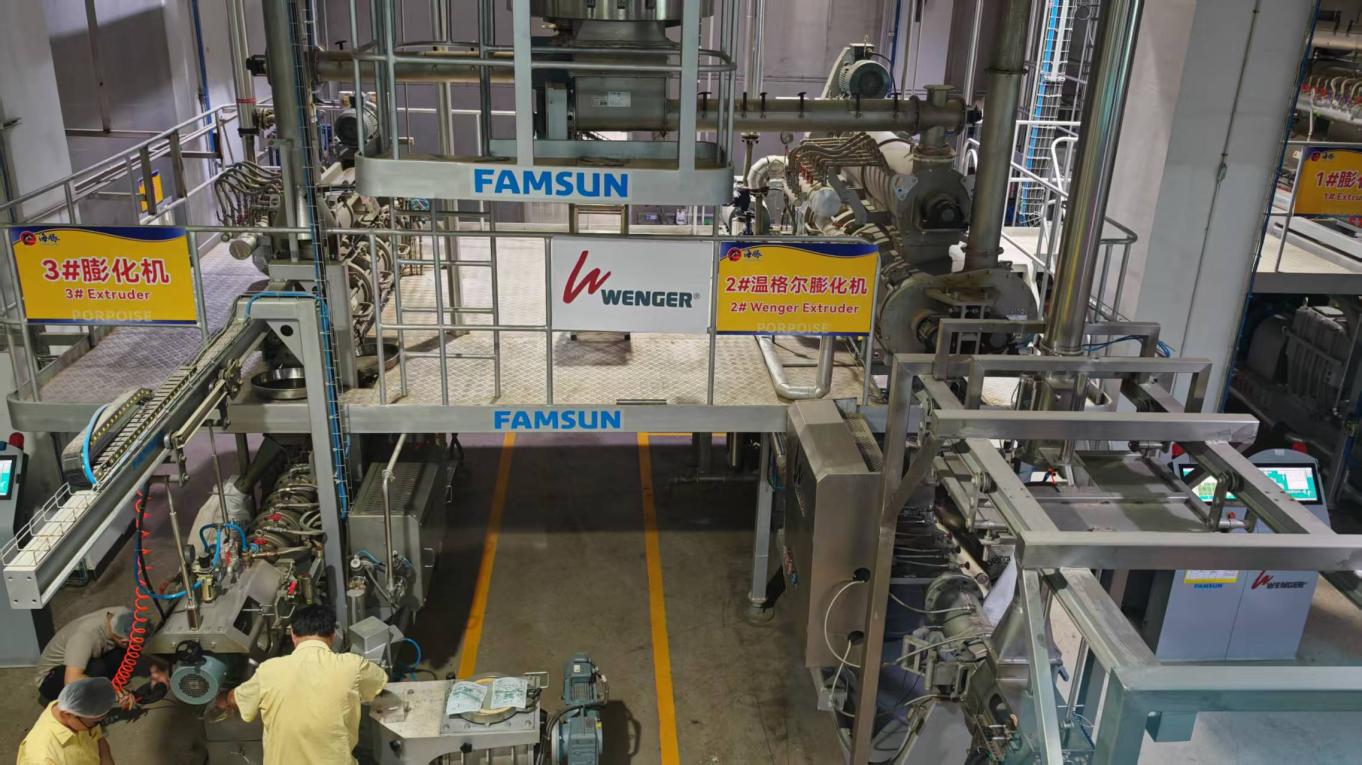
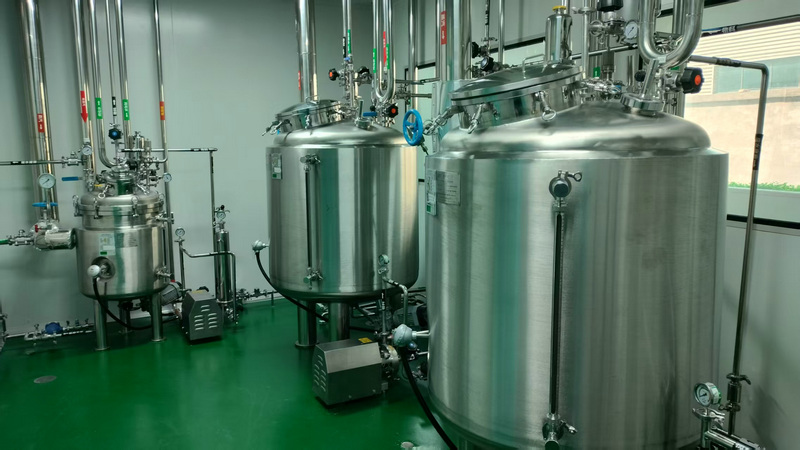
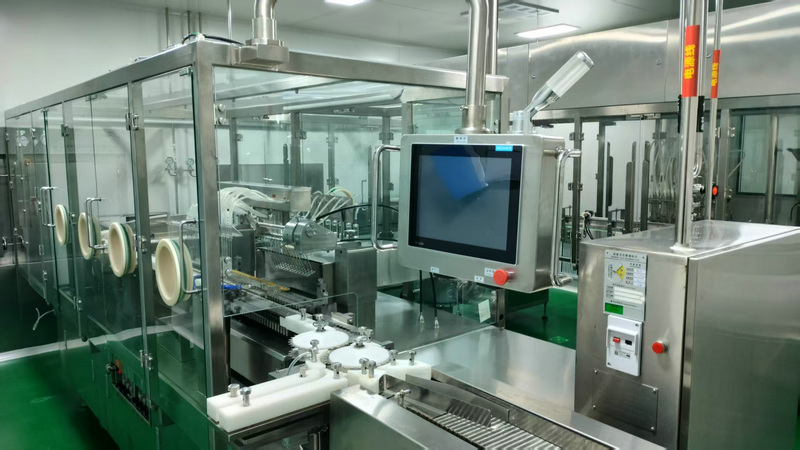
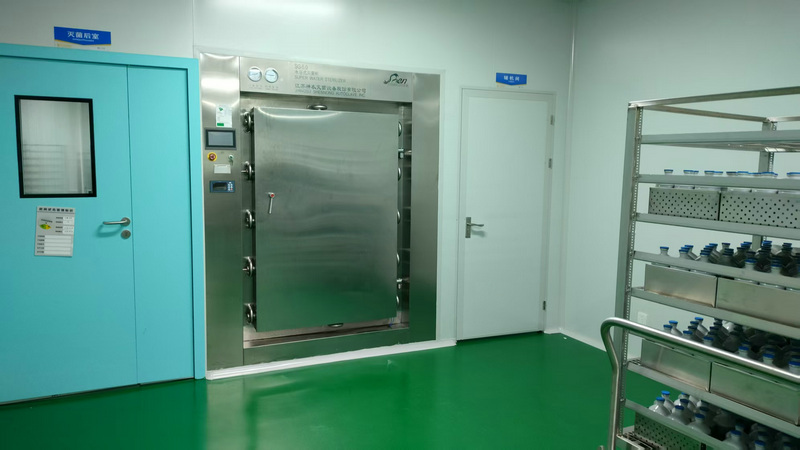
A step-by-step showcase of our rigorous processing pipeline, illustrating the technical flow of raw materials through processing, quality inspection, and automated packaging.
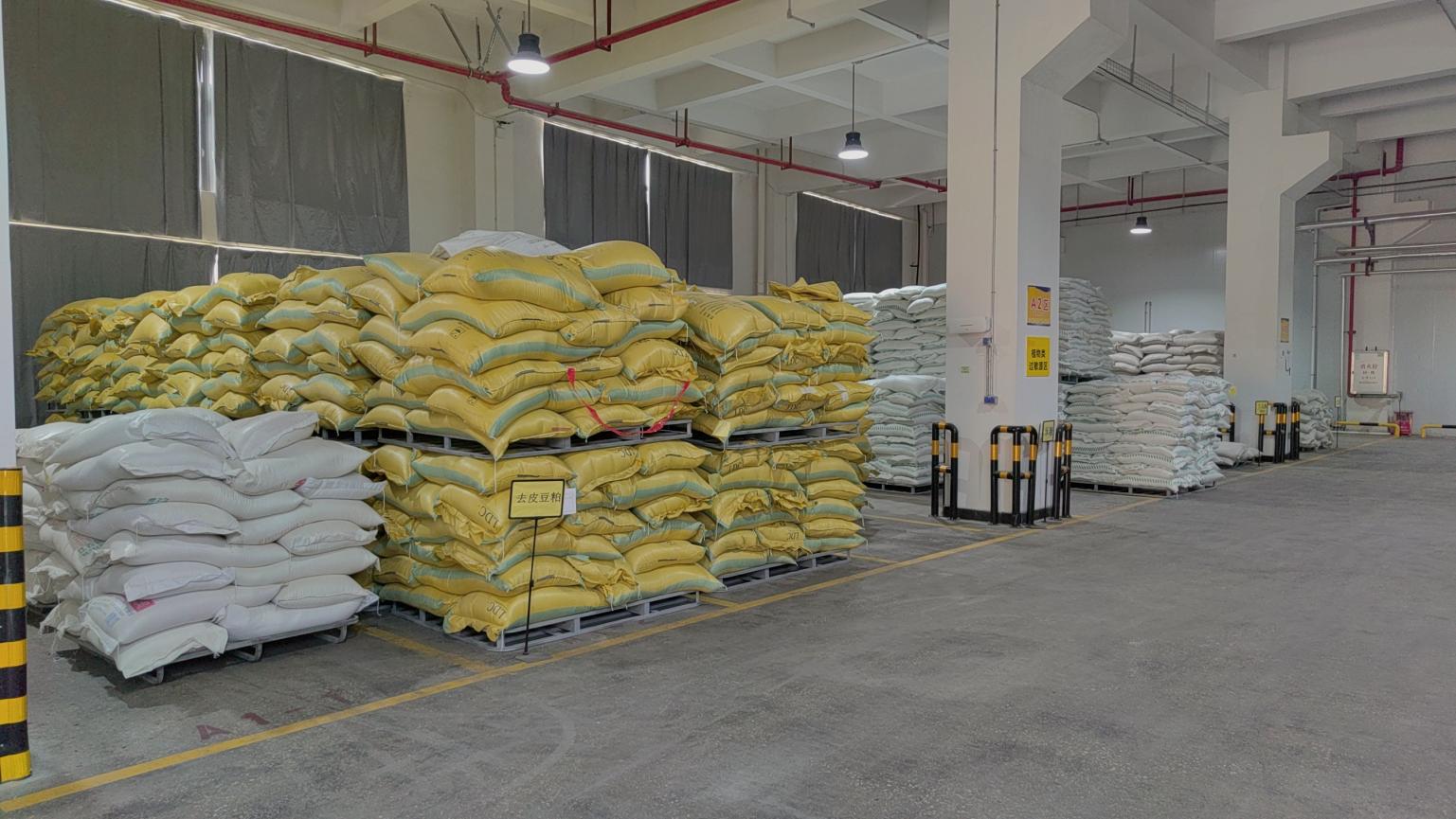

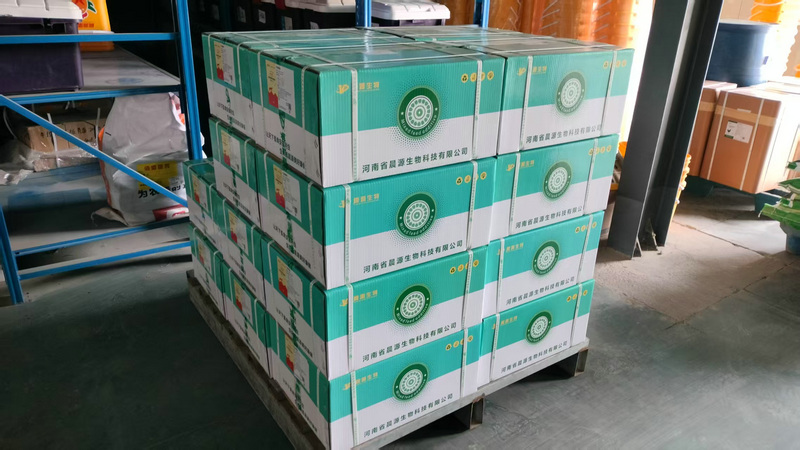
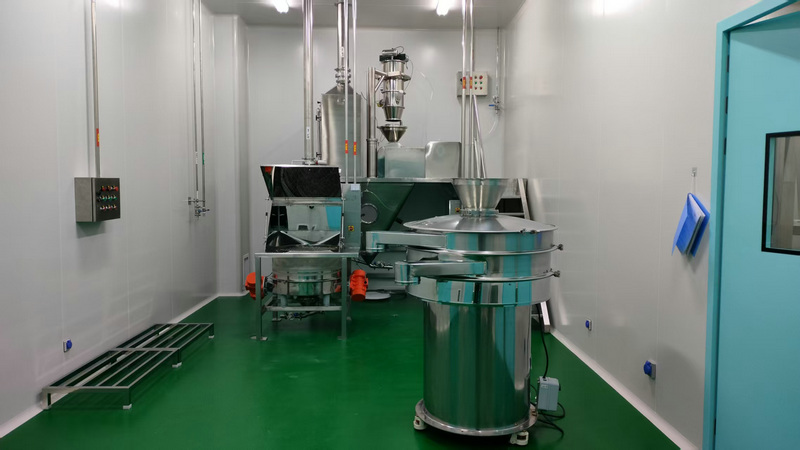
Meeting international criteria to ensure seamless custom clearance and market access.
Operating as a key exporter from China demands compliance with strict global standards. Our regulatory management team oversees compliance across diverse target markets including the European Union, North America, Southeast Asia, and the Middle East. Every export batch is accompanied by comprehensive documentation, including Certificates of Analysis (COA), Health Certificates, Phytosanitary Certificates, and non-GMO declarations.
Through our dedicated QC laboratory, we execute HPLC testing for active markers, gas chromatography for pesticide residues, and ICP-MS analysis for heavy metals. Our facility maintains internationally recognized certifications including FSSC 22000, HACCP, Halal, Kosher, and USDA Organic guidelines. This comprehensive compliance structure provides our buyers with reliable documentation to satisfy strict food safety audits.
Incorporating digital tracking, advanced milling, and ecological engineering for carbon reduction.
Looking ahead, Qingdao Akston Health Co., Ltd. is investing in next-generation manufacturing technology to improve efficiency and reduce environmental impact. Our roadmap focuses on three main areas:
1. Jet-Milling Technology: Transitioning from traditional mechanical impact mills to fluid-energy jet mills. This enables us to achieve ultra-fine particle sizes (<15 microns) without thermal degradation, preserving delicate volatile aromatic compounds and improving solubility in instant beverage applications.
2. Smart Decarbonization: Optimizing the thermal profiles of our swelling and sterilization systems. By implementing closed-loop heat recovery networks, we aim to reduce our carbon footprint per ton of output by 25% by 2027.
3. Advanced Sorting: Installing optical sorting systems that scan raw inputs for microscopic defects and foreign bodies prior to processing, ensuring exceptional raw material purity.
Get professional, transparent answers regarding processing parameters, logistics, and quality assurance.
Natural cacao powder is processed from roasted beans without pH modification, retaining an acidic pH profile (5.0 - 5.8) along with complex, fruity notes and high antioxidant levels. Alkalized cacao powder undergoes Dutching—treatment with an alkaline solution (typically potassium carbonate)—to raise the pH (6.8 - 8.2). This process darkens the color, softens the astringent taste, and improves solubility, making it ideal for beverages and baked goods.
We source raw beans exclusively from regions with low volcanic soil cadmium profiles and implement strict lot-testing protocols. Every batch undergoes Inductively Coupled Plasma Mass Spectrometry (ICP-MS) testing to verify that Cadmium (Cd), Lead (Pb), and Arsenic (As) levels remain well below the thresholds defined by EU Regulation 2023/915 and US FDA food guidelines.
We utilize multi-layer kraft paper bags with an inner food-grade polyethylene (PE) moisture-barrier liner. For high-humidity shipping routes, we recommend using desiccant bags within the shipping containers and stretch-wrapping the pallets to prevent ambient moisture absorption and structural clumping.
Yes. We offer customization for bulk orders (minimum order quantities apply). We can adjust the fat content within the standard 10-12% range, high-fat ranges of 20-22%, or even low-fat formulations (<1%). The pH can be adjusted from 5.0 to 8.2 to match your functional specifications.
Our processing facility utilizes high-temperature steam sterilization systems. This thermal process effectively eliminates pathogens, including Salmonella, E. coli, yeasts, and molds, while preserving the organoleptic flavor compounds of the product.
Standard lead time for stocked products is 7-10 days to load at Qingdao Port. Custom runs require approximately 15-25 days depending on the specification. Ocean transit times typically range from 12-18 days to the Asia-Pacific region, and 30-45 days to European and American ports.
Explore our industrial bulk materials, stabilizers, and specialized nutrients processed to global standards.