Akston Health
Akston Health
Akston Health
Premium grade bio-extracts, feed additives, and bulk nutrition powders sourced globally.
A data-backed analysis of market consolidation, regional supply centers, and critical sourcing dynamics.
Vitamin C, or L-ascorbic acid, is one of the most widely consumed food and feed additives worldwide. It has key roles in immune health, preservation, and synthetic pathways. The global ascorbic acid market size was valued at over USD 1.2 Billion in 2024 and is expected to expand at a compound annual growth rate (CAGR) of 4.5% to 2032. However, the production side remains highly consolidated.
In global trade, sourcing decisions are dictated by environmental compliance, purity levels (Ph. Eur., USP, BP, FCC), and supply continuity. Today, China accounts for over 90% of the world's production capacity for bulk Vitamin C. The remaining production is situated in Europe, mainly represented by DSM-Firmenich’s facility in Dalry, Scotland. This geographic profile means procurement officers must understand regional dynamics, regulatory certifications, and the operational capabilities of top-tier producers.
An in-depth directory detailing manufacturing capacities, strategic advantages, and compliance profiles of industry leaders.
Location: Hebei, China
CSPC is one of the largest Vitamin C manufacturers in the world. Their facilities leverage advanced, scale-driven two-step fermentation processes to supply high-purity ascorbic acid for pharmaceutical and health supplement applications worldwide.
Primary Grades: USP, EP, JP, Food Grade.
Location: Liaoning, China
NEPG has a legacy of chemical and biological synthesis dating back decades. As a state-backed pharmaceutical titan, they offer highly consistent active pharmaceutical ingredients (API) with certifications across various regulatory bodies.
Key Strengths: Strict FDA compliance, CEP certifications, and vertical integration.
Location: Dalry, Scotland, UK
DSM-Firmenich operates the only non-Chinese commercial Vitamin C synthesis facility. Focusing on high sustainability and a low environmental footprint, they target premium buyers in Western markets who value ESG-focused sourcing.
Certifications: GMP, CEP, ISO 14001, EcoVadis Gold.
Location: Shandong, China
Luwei specializes in bulk chemical synthesis and food-grade fermentation. Situated in Shandong's logistics hub, they offer competitive pricing alongside robust supply stability for industrial-scale feed and food industries.
Key Products: Ascorbic Acid Coated, Granular, and Sodium/Calcium Ascorbates.
Location: Hebei, China
NCPC is a pioneer in biotechnology in China. Their Vitamin C production features advanced bioconversion technologies that minimize trace impurities. They have a strong presence in European and South American markets.
Target Markets: Human Nutrition, Infant Formulations, Clean-Label Food Products.
Location: Ningxia, China
Qiyuan leverages Ningxia’s rich raw material resources to achieve competitive production costs. They focus on manufacturing raw material APIs alongside high-density feed-grade ascorbic acid for global livestock applications.
Primary Standard: GB/T, Food Chemicals Codex (FCC).
Location: Jiangsu, China
Part of the wider global supply networks, Jiangshan's modern plant utilizes smart automation to manage process consistency. Their products feature narrow particle size distribution, which optimizes blend consistency for tablets and premixes.
Specialties: DC Grade (Direct Compression) Ascorbic Acid.
Location: Henan, China
Tuoyang is an experienced bio-fermentation producer of organic acids. They provide cost-effective bulk options with a strong logistics network, catering extensively to global agricultural and aquaculture premix manufacturers.
Key Strengths: FAMI-QS certified, reliable sea freight positioning.
Location: Anhui, China
Tiger Biotech concentrates on nutritional ingredients and antioxidants. Their clean-room facilities adhere strictly to ISO 22000, catering to the growing functional food and beverage segments globally.
Application Focus: Meat curing preservation, juice color stabilization.
Location: Shandong, China
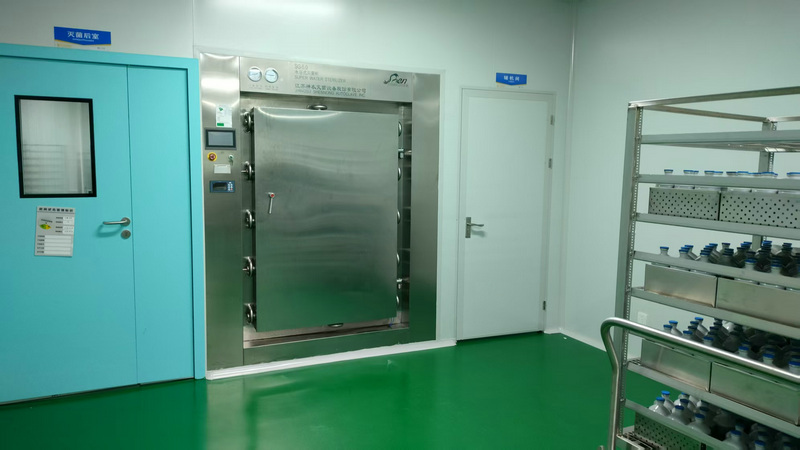
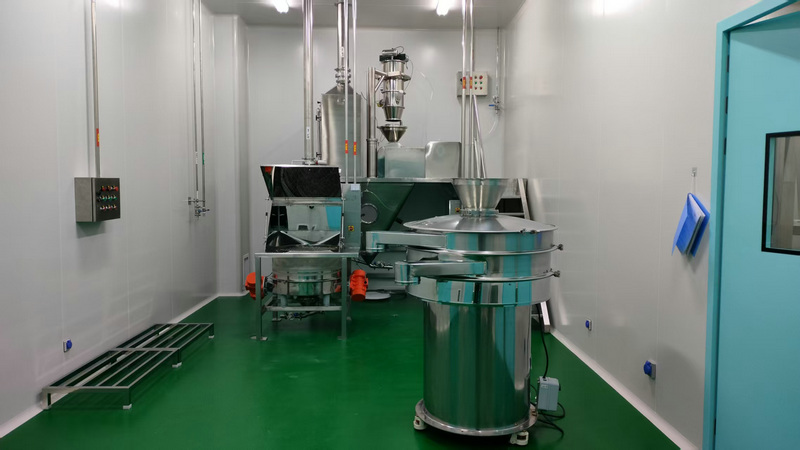
Akston Health stands out as a highly specialized partner supplying tailored solutions in animal nutrition, feed-grade vitamins, and specialized additives. They combine modern manufacturing with end-to-end supply chain integration.
Value Proposition: Global logistics reach, custom blending, and strict FAMI-QS/ISO quality controls.
Understanding the technological and economic drivers behind China's dominance in bulk fermentation.
The manufacturing dominance of Chinese Vitamin C factories is built on two primary advantages: technological innovation and vertical supply chain integration.
Historically, the global production of Vitamin C relied on the Reichstein process, a method involving chemical synthesis and energy-intensive steps. In the 1970s and 1980s, Chinese scientists developed the two-step fermentation process. This method uses genetically optimized bacterial strains (such as Ketogulonicigenium vulgare and Bacillus megaterium) to convert D-glucose to 2-keto-L-gulonic acid (2-KGA), which is then converted to L-ascorbic acid. This biological shortcut reduces waste, energy consumption, and raw material expenses.
Chinese factories are typically located near large corn-starch producing provinces (such as Hebei, Shandong, and Northeast China). Glucose derived from local corn serves as the primary substrate. Additionally, local factories benefit from co-located thermal and electrical cogeneration units, ensuring consistent energy pricing for continuous fermentation operations.
A technical comparison highlighting efficiency, environmental impacts, and production cost profiles.
| Performance Indicator | Chinese Two-Step Fermentation | Legacy Reichstein Process | Sourcing Significance |
|---|---|---|---|
| Raw Material Cost | Low (Corn-based Glucose) | High (D-sorbitol & chemical reagents) | Enables competitive market pricing. |
| Organic Solvents | Minimal (Water-based fermentation) | High (Requires benzene or chlorinated solvents) | Reduces chemical residue risks in food and feed applications. |
| Environmental Footprint | Moderate (High wastewater, low carbon) | High (Significant chemical waste streams) | Requires robust wastewater treatment plants (WWTP) at factories. |
| Overall Yield (%) | >85% conversion efficiency | ~60-70% overall conversion | Sustains production scales over 20,000 MT/year. |
Matching ascorbic acid grades with precise formulation demands across key global industries.
Ascorbic acid is highly susceptible to heat and oxidation during extrusion and pelleting processes. Feed manufacturers use Coated Vitamin C (EC 97/93) or stable phosphate forms (e.g., L-ascorbyl-2-phosphate) to ensure stability in poultry, swine, and aquatic feeds.
Primary Requirement: Bioavailability and stability under pelleting temperatures exceeding 85°C.
Used as an antioxidant in juices, canned fruits, and processed meats (classified as E300 in the EU). It acts as an oxygen scavenger, preventing discoloration and degradation of natural flavors.
Primary Requirement: Fast solubility, low heavy metal content (Lead < 2 ppm, Arsenic < 1 ppm), and neutral odor.
Vitamin C is unstable in aqueous formulations. Brands utilize derivatives like Magnesium Ascorbyl Phosphate (MAP) or Sodium Ascorbyl Phosphate (SAP) to ensure stability, skin penetration, and skin brightening efficacy.
Primary Requirement: High stability against light and oxidation, skin penetration capability.
A comprehensive checklist of international quality standards required for global importing.
Procuring raw ingredients requires strict adherence to international safety frameworks. Depending on the target industry, suppliers must hold specific certifications:
Global buyers should request batch-specific Certificate of Analysis (CoA) documents validating heavy metal thresholds, microbiological purity (aerobic plate counts, Salmonella absence), and particle size distributions (mesh size).
Our commitment to delivering innovative health, feed additives, and nutritional solutions worldwide.
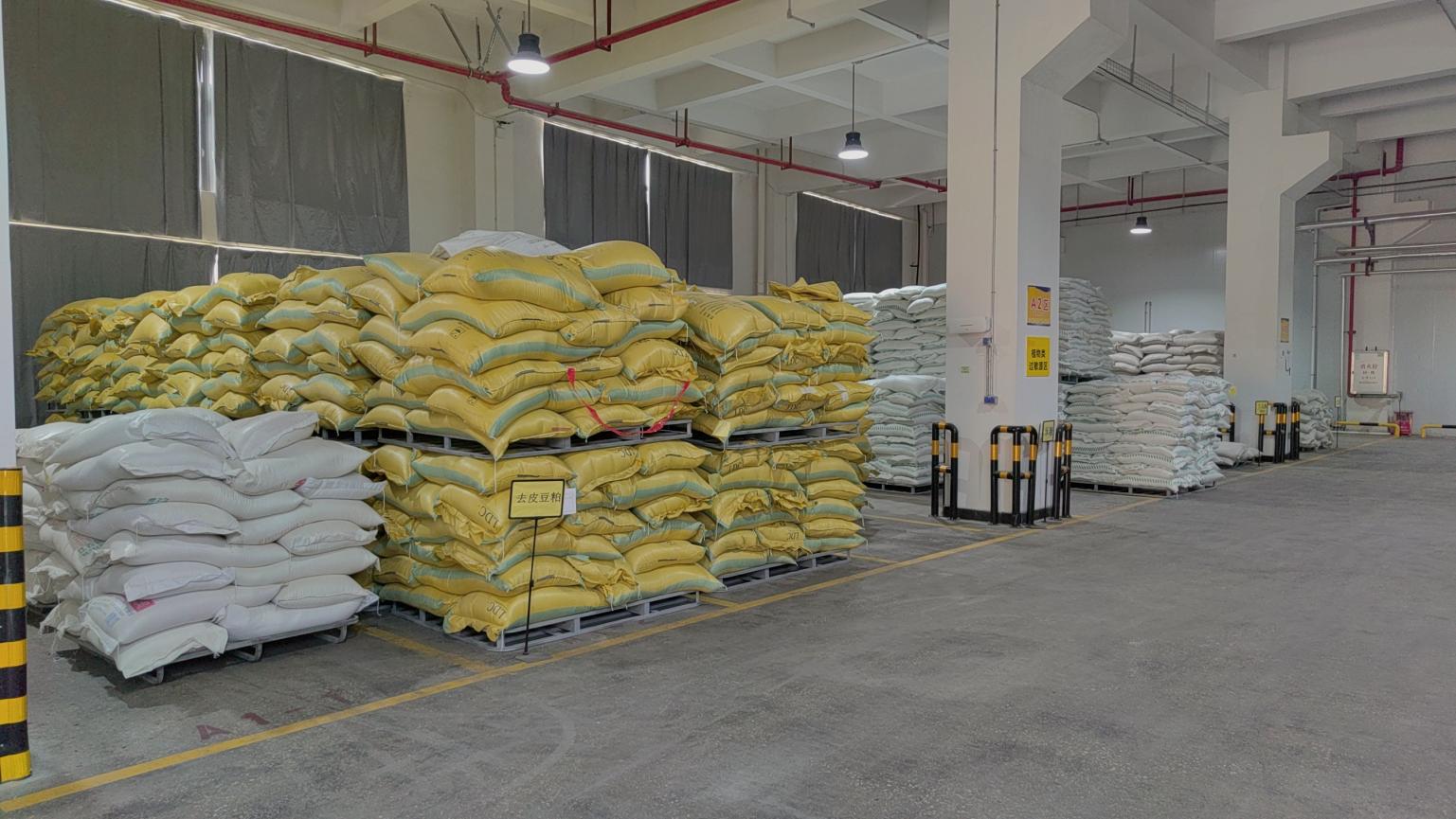
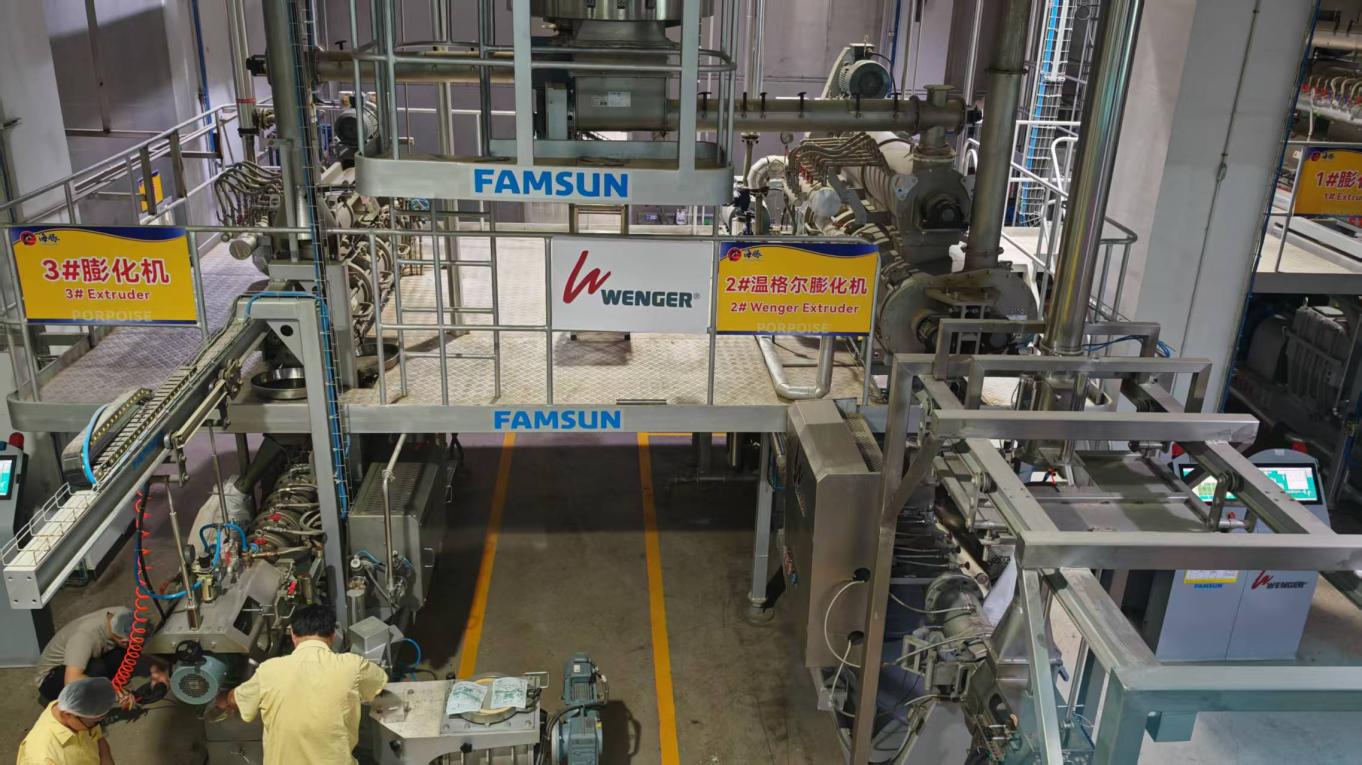
Qingdao Akston Health Co., Ltd. is a trusted manufacturer and global supplier dedicated to delivering innovative health and nutrition solutions for the animal feed industry. With a strong commitment to quality, sustainability, and continuous innovation, we provide high-performance feed additives and nutritional ingredients that support healthier livestock, improved productivity, and safer food production worldwide.
Our comprehensive product portfolio includes choline chloride, amino acids, vitamins, minerals, and other functional feed additives designed to meet the nutritional requirements of poultry, swine, ruminants, aquaculture, and companion animals. Our science-based formulations help optimize animal growth, enhance immune function, improve feed efficiency, and contribute to reducing the reliance on antibiotics in modern livestock production.
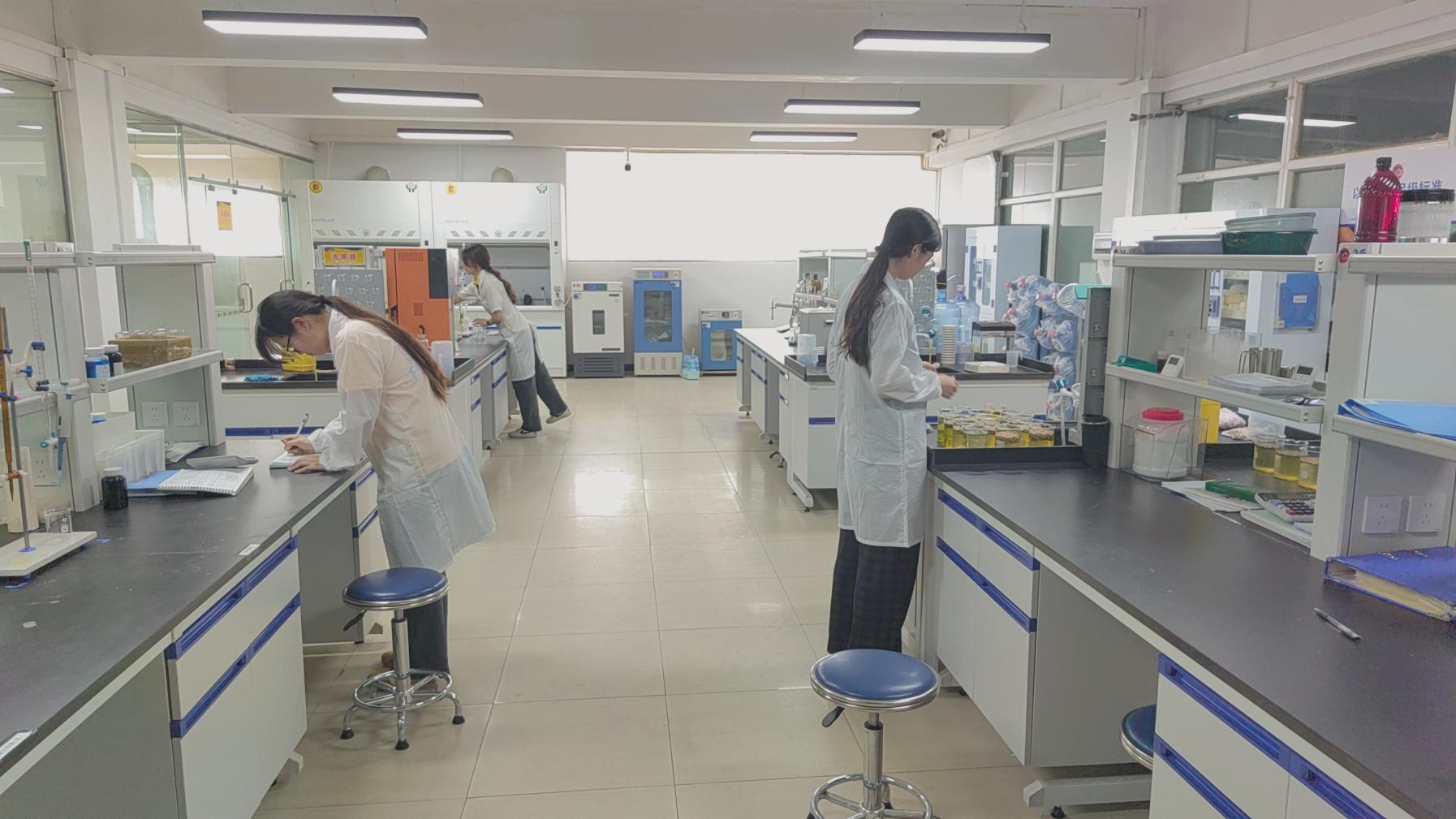
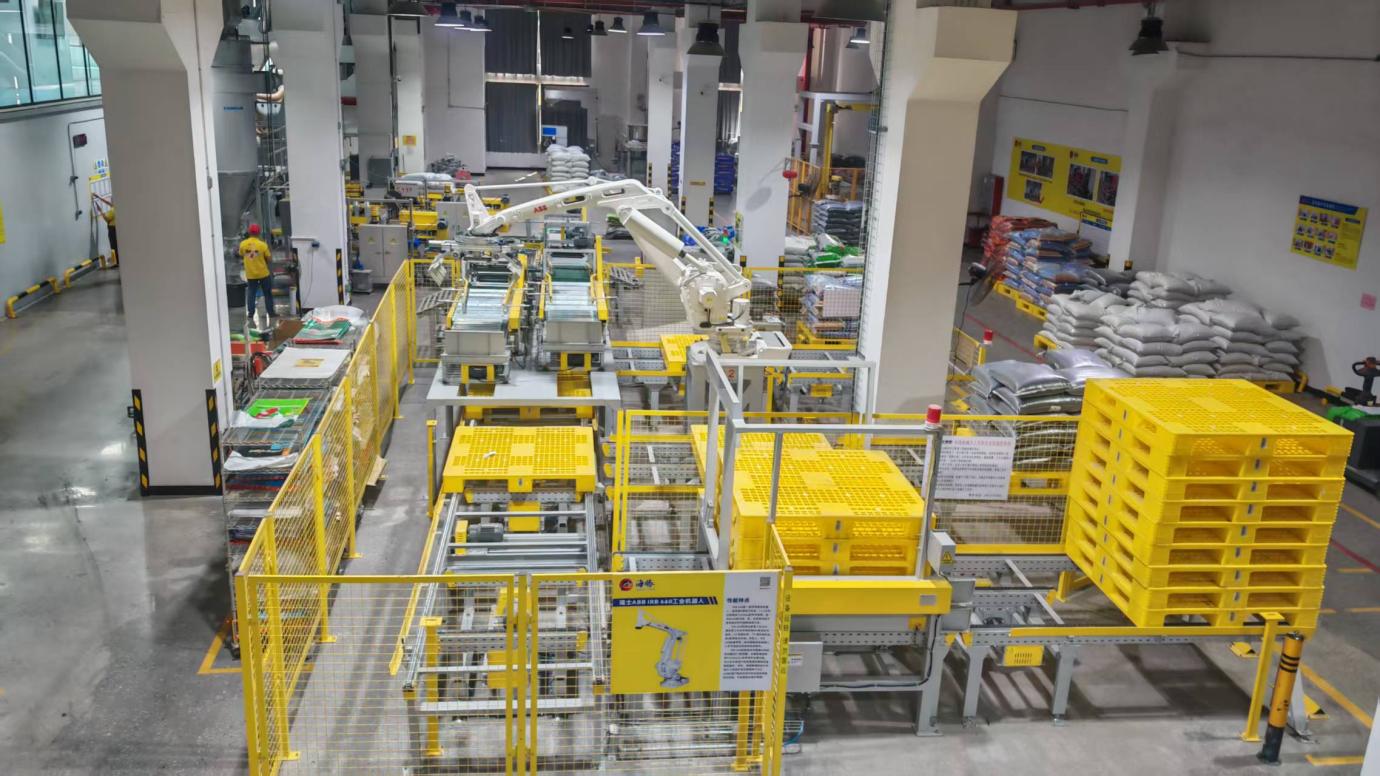
At Akston Health, quality is the foundation of everything we do. We work closely with qualified manufacturing partners and implement strict quality control systems throughout sourcing, production, and logistics to ensure every product meets international standards. Our experienced technical team also provides customized solutions and professional support to help customers achieve better production performance and sustainable business growth.
Driven by integrity, innovation, and customer satisfaction, Qingdao Akston Health Co., Ltd. has established long-term partnerships with clients across Asia, Europe, the Middle East, Africa, and the Americas. We are committed to creating lasting value through reliable products, competitive pricing, efficient supply chain management, and responsive customer service.
As your trusted partner in animal nutrition, Akston Health will continue to develop innovative solutions that promote animal health, improve farming efficiency, and contribute to a more sustainable global agriculture industry.

Answers to common regulatory, logistical, and technical questions about bulk Vitamin C sourcing.
Premium feed grade and food grade minerals, phosphates, and active ingredients.