Akston Health
Akston Health
Akston Health
High-purity chemical components, food-grade additives, and amino acid raw materials sourced from audited global networks.
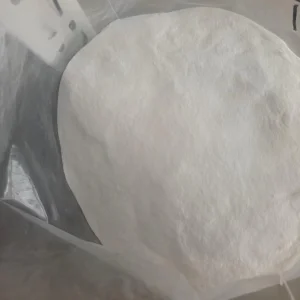
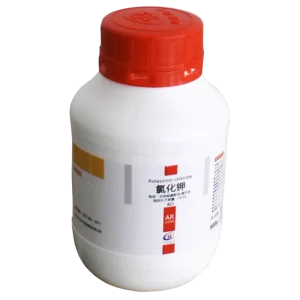
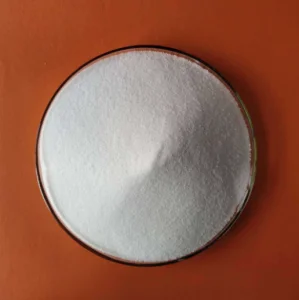
The global shift toward sustainable, plant-based nutrition has elevated rice protein from a niche allergen-free alternative to a core ingredient in food engineering and intensive agriculture. Derived primary from brown rice or white rice, this ingredient offers a complete amino acid profile, exceptionally high digestibility, and a hypoallergenic profile that dairy (whey) and soy proteins cannot match.
Market research projects the global rice protein market size to exceed USD 1.5 Billion by 2030, growing at a Compound Annual Growth Rate (CAGR) of over 8.2%. The structural demand is bifurcated into two main tiers:
China remains the undisputed epicenter of rice protein manufacturing and export, producing over 65% of the world's commercial supply. This dominance is not simply a matter of scale, but of processing technology, environmental integration, and structural efficiency:
Leading Chinese plants implement advanced multi-enzyme systems (primarily utilizing food-grade alpha-amylase and glucoamylase) to gently hydrolyze starches from the rice kernel. This preserves the delicate protein fractions, preventing denaturing and maintaining high solubility index.
Byproducts of the starch isolation process are routed directly to liquid glucose and maltose syrup production lines. This circular model ensures that factories offset process costs, enabling them to offer highly competitive pricing structures for the isolated rice protein.
With international regulatory scrutiny on lead, cadmium, and arsenic levels in rice products, Chinese exporters have adopted cutting-edge membrane filtration and ion-exchange resin systems. These technologies selectively isolate and extract contaminant residues, ensuring compliance with strict European Food Safety Authority (EFSA) and US FDA regulations.
Global procurement teams must carefully evaluate technical specifications based on the target application. Below is a comparative baseline for the two primary market classifications of processed rice protein:
| Parameters | Premium Food Grade (Isolate) | Standard Feed Grade | Test Standards |
|---|---|---|---|
| Protein Content (Dry basis) | ≥ 80.0% or ≥ 90.0% | 60.0% - 65.0% | GB/T 5009.5 (Kjeldahl Method) |
| Moisture Content | ≤ 8.0% | ≤ 10.0% | GB 5009.3 |
| Ash Content | ≤ 4.0% | ≤ 6.0% | GB 5009.4 |
| Heavy Metals (as Pb) | ≤ 1.0 mg/kg | ≤ 10.0 mg/kg | AAS / ICP-MS |
| Arsenic (As) | ≤ 0.2 mg/kg | ≤ 2.0 mg/kg | ICP-MS |
| Particle Size (Mesh) | 300 - 600 mesh (Ultra-fine) | 80 - 120 mesh | Standard Sieve Analysis |
When purchasing rice protein for infant formula or recovery shakes, request testing documentation specifically for *Bacillus cereus* and heavy metal concentration (ICP-MS reports). For feed-grade imports, focus on the amino acid recovery index, ensuring that limiting amino acids like lysine and threonine meet minimum species requirements.
Qingdao Akston Health Co., Ltd. is a trusted manufacturer and global supplier dedicated to delivering innovative health and nutrition solutions for the animal feed industry. With a strong commitment to quality, sustainability, and continuous innovation, we provide high-performance feed additives and nutritional ingredients that support healthier livestock, improved productivity, and safer food production worldwide.
Our comprehensive product portfolio includes choline chloride, amino acids, vitamins, minerals, and other functional feed additives designed to meet the nutritional requirements of poultry, swine, ruminants, aquaculture, and companion animals. Our science-based formulations help optimize animal growth, enhance immune function, improve feed efficiency, and contribute to reducing the reliance on antibiotics in modern livestock production.
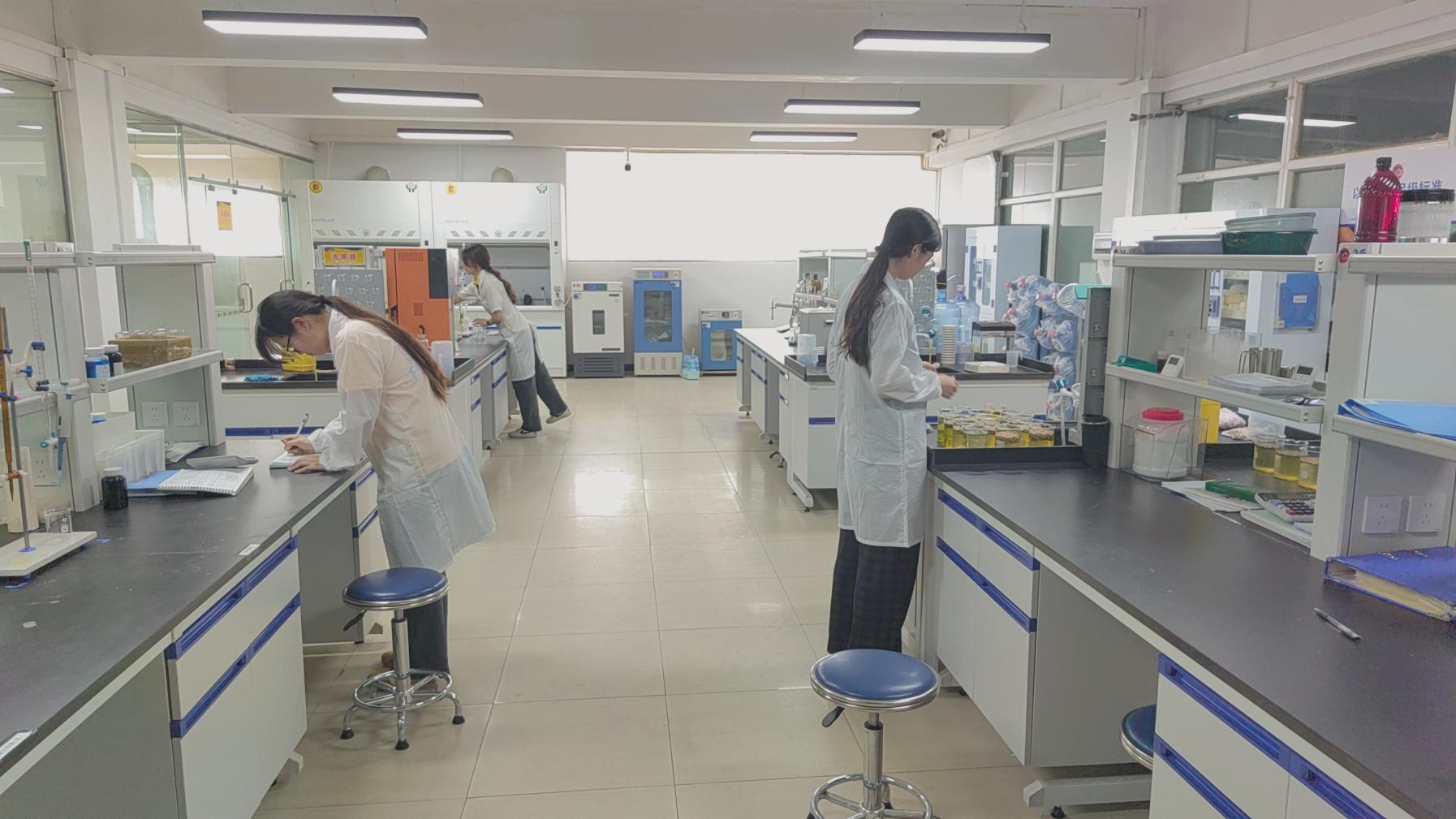
At Akston Health, quality is the foundation of everything we do. We work closely with qualified manufacturing partners and implement strict quality control systems throughout sourcing, production, and logistics to ensure every product meets international standards. Our experienced technical team also provides customized solutions and professional support to help customers achieve better production performance and sustainable business growth.
Driven by integrity, innovation, and customer satisfaction, Qingdao Akston Health Co., Ltd. has established long-term partnerships with clients across Asia, Europe, the Middle East, Africa, and the Americas.
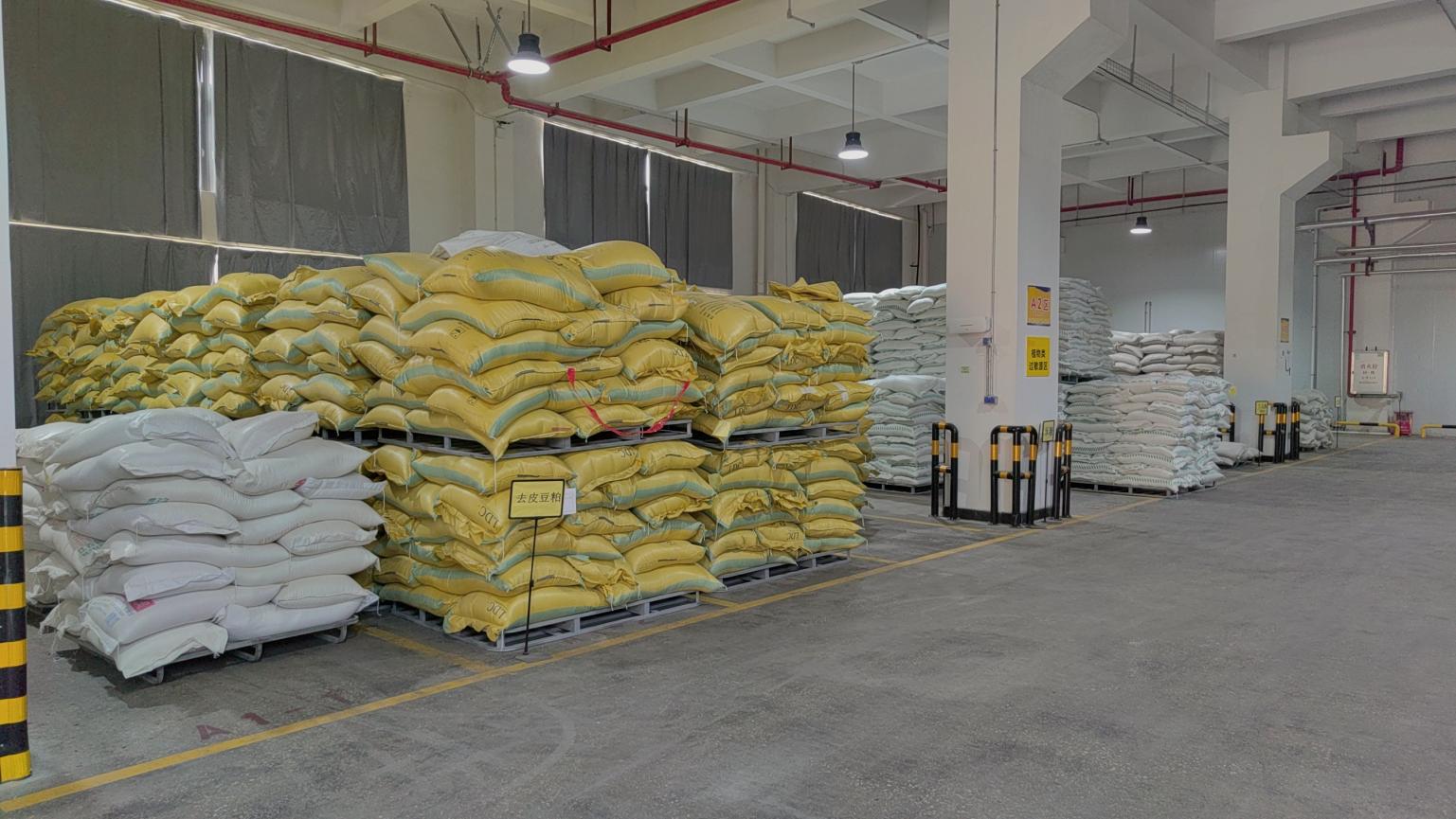
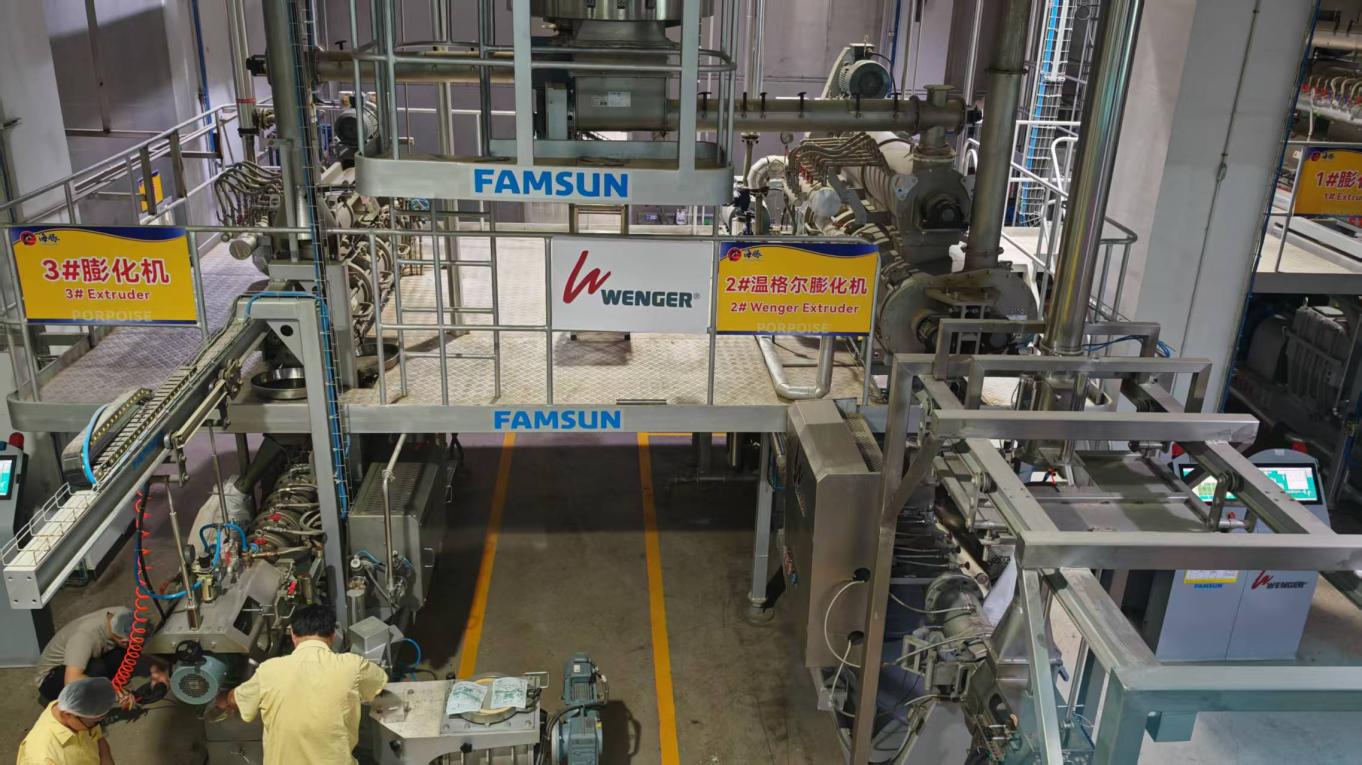
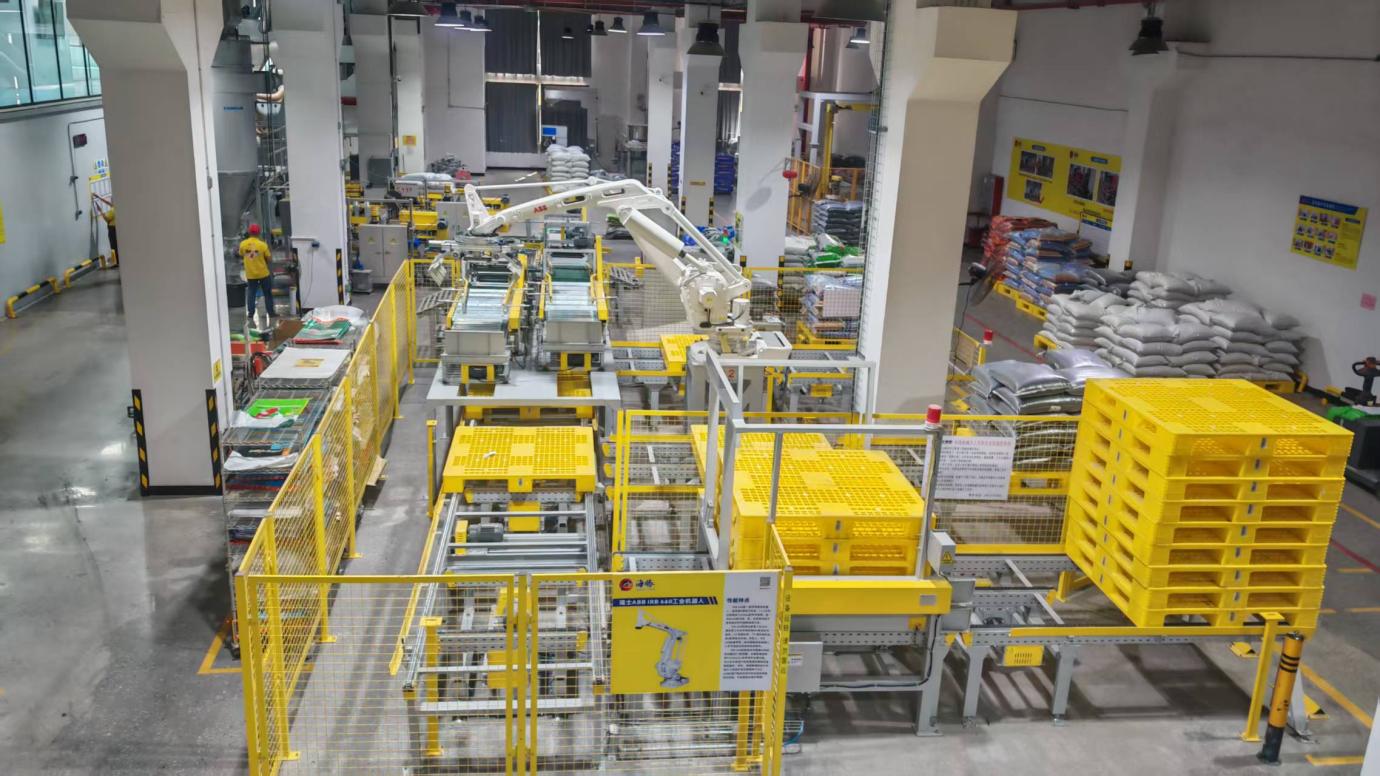
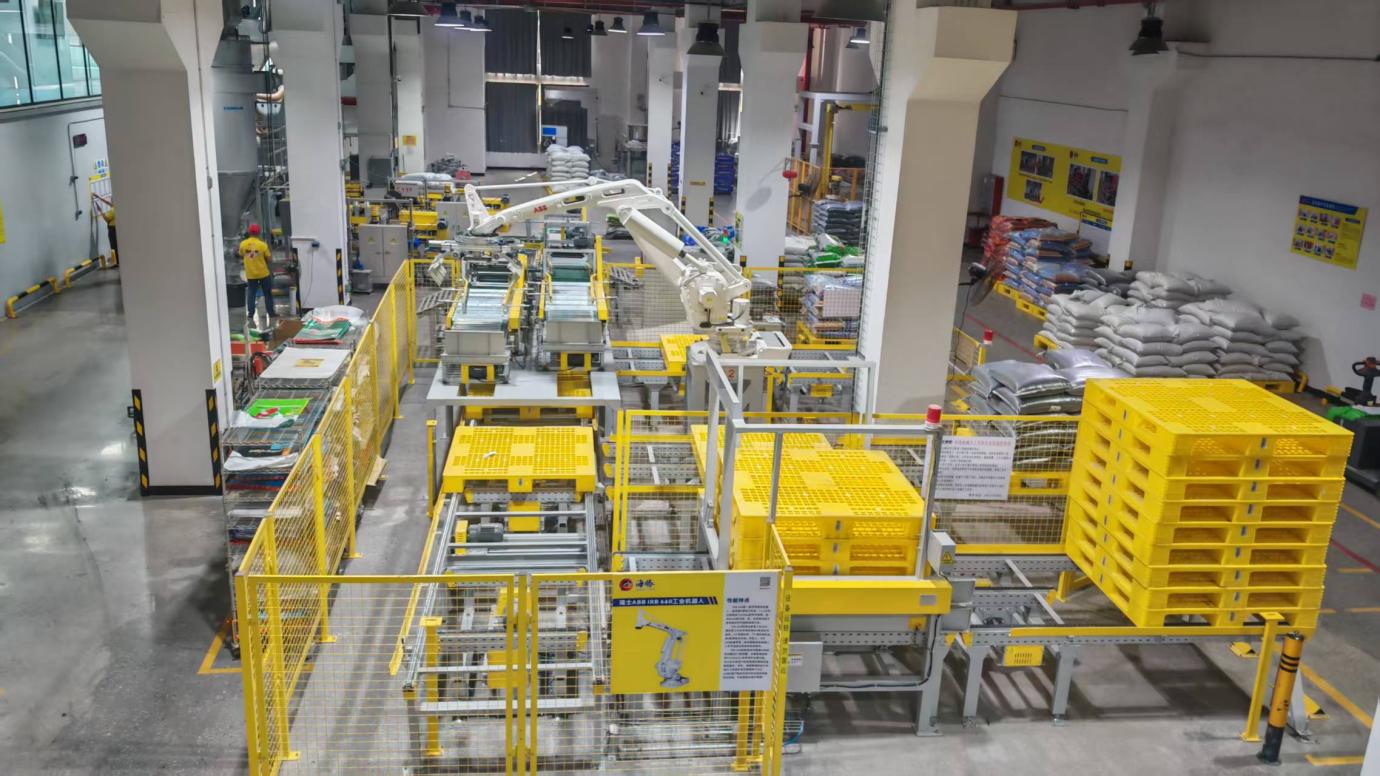
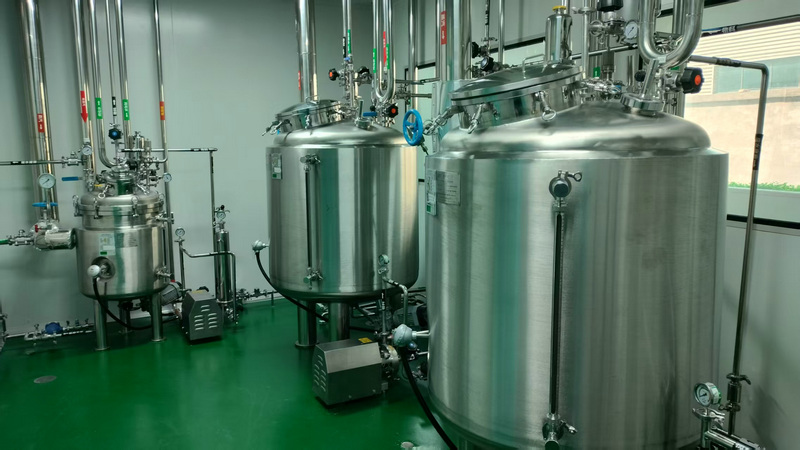
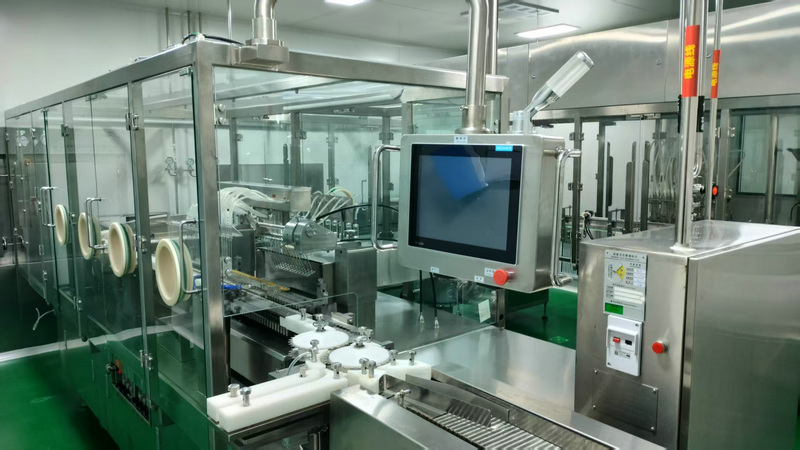
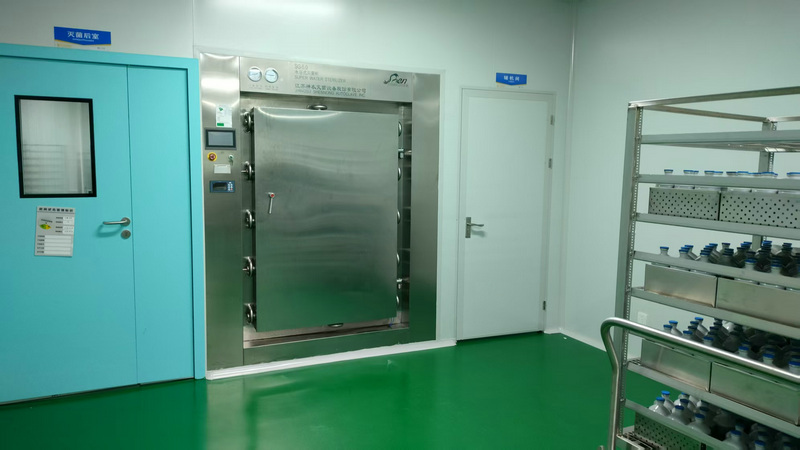
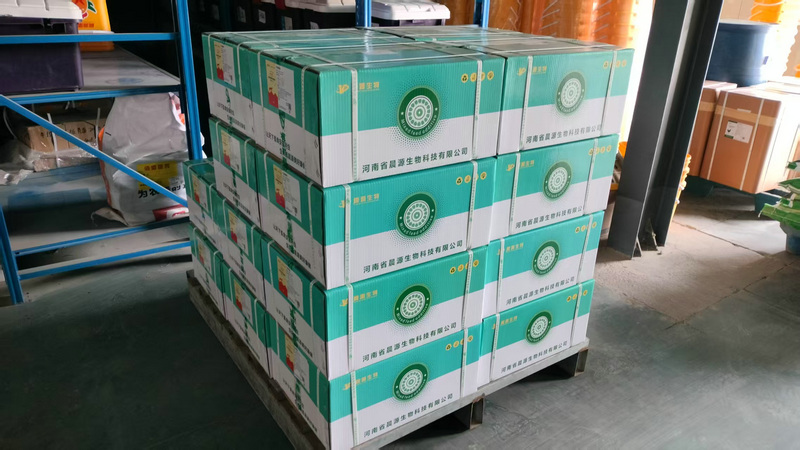
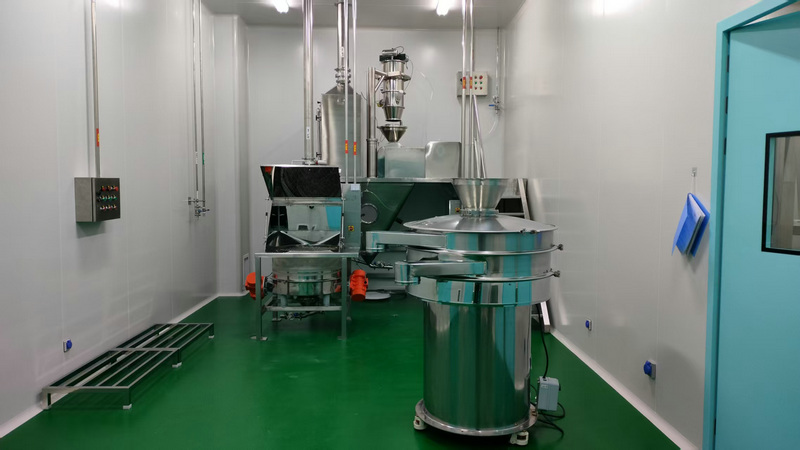
Our facilities deploy high-automation machinery to guarantee consistency in bulk chemical and protein processing.

Rice protein's versatility has triggered high adoption across varied regional markets:
Driven by clean-label movements, manufacturers in the US and Canada combine rice protein with pea protein. This combination balances the amino acid profile, matching dairy-based whey proteins by compensating for lysine (abundant in pea protein) and methionine (abundant in rice protein). The resulting blend is ideal for post-workout powders and protein bars.
With strict EU regulations on food hypersensitivity, allergen-free infant formula is a major market sector. Rice protein isolates processed via non-GMO enzymatic hydrolysis serve as the primary nitrogen source, offering low antigenicity while ensuring clean label standards.
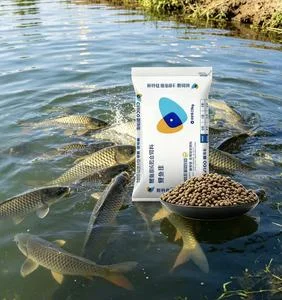
As traditional fishmeal prices rise, large aquaculture enterprises in China, Vietnam, and Thailand utilize feed-grade rice protein (60% protein content) to replace up to 40% of standard fishmeal in diets for shrimp, carp, and tilapia. Rice protein's high digestibility limits ammonium emissions in intensive aquaculture facilities, improving water quality.
Critical technical and procurement insights for commercial buyers
High-performance compounds, amino acids, and minerals optimized for commercial animal husbandry and manufacturing.