Akston Health
Akston Health
Akston Health
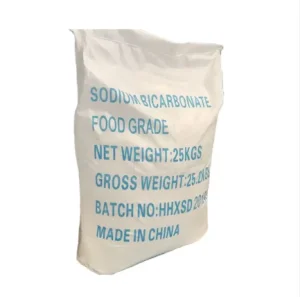
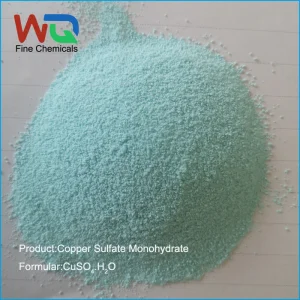
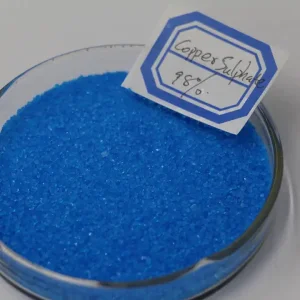
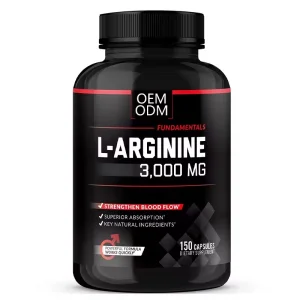
Explore our flagship industrial-grade products formulated to optimize animal nutrition, food processing efficiency, and athletic performance.
Unveiling the economic and technical variables governing the international procurement of premium Camellia sinensis derivatives.
The global demand for matcha powder has transitioned from a niche ceremonial ritual to a massive, multi-faceted industrial sector. Today, food and beverage conglomerates, dietary supplement manufacturers, and cosmetics enterprises rely on a steady supply of high-grade matcha. Securing this raw material requires navigating a complex global supply chain influenced by agricultural shading techniques, geographical origin protections, and micro-milling innovations.
As search queries evolve toward semantic intent (focusing on chemical purity, residue limits, and direct-from-source export routes rather than generic branding), buyers must understand the criteria that separate standard exporters from elite producers. A reliable supplier does not merely trade agricultural products; they guarantee chemical profile consistency, micro-biological safety, and supply chain security.
Authentic cultivation requires specific soil pH, mist cover, and altitude. Elite growers leverage microclimates in regions like Kyoto (Uji), Aichi (Nishio), and specialized zones in China to cultivate raw material with high chlorophyll and L-theanine concentrations.
The 20-30 day shading process before harvest forces the tea plants to overproduce amino acids and chlorophyll. Exporters must employ exact steaming phases to lock in the vibrant green coloration, halting enzymatic oxidation instantaneously.
Traditional stone mill methods yield optimal texture but lack volume throughput. Modern industrial suppliers deploy specialized jet milling and air-classifier milling to reduce leaves to a precise 800 to 1500 mesh size without thermal degradation.
B2B applications dictate exact chemical specifications. Use this metric matrix to match procurement requirements with product specifications.
| Matcha Grade Type | Primary Industrial Use Case | Chemical Profile Focus | Particle Size (Mesh) | Color / Taste Profile |
|---|---|---|---|---|
| Ultra-Premium Ceremonial | Traditional beverages, high-end consumer brands | Max L-Theanine (>2.5%), low tannin concentration | 1200 - 1500 Mesh | Vibrant Jade Green / Smooth, Umami, Sweet finish |
| Premium Culinary / Latte Grade | RTD Lattes, specialized food services, functional sweets | Balanced Catechin (EGCG) and L-Theanine ratios | 1000 - 1200 Mesh | Bright Green / Mild bitterness, rich tea notes |
| Standard Ingredient Grade | Bakery, confectionery, ice creams, processed snacks | High antioxidant properties, high thermal stability | 800 - 1000 Mesh | Forest Green / Robust, astringent, deep herbal taste |
| Nutraceutical/Extract Grade | Capsules, tablets, fat-burner formulations | Standardized EGCG, total polyphenols (>30%), caffeine | Extremely Fine Powder | Olive Drab / Concentrated astringent, herbal notes |
For enterprise purchasing agents, understanding the chemical profile balance is crucial. A common mistake is buying ceremonial-grade matcha for baked goods, where the high baking temperatures diminish its subtle sweetness and light umami profile. Standard ingredient grades provide the necessary thermal resilience, retaining their robust green tea flavor and color even after exposure to high temperatures.
Innovations in processing technologies and consumer demands shaping the international trade landscape.
Micro-encapsulation techniques are being developed to shield chlorophyll molecules from environmental oxidation, extending the shelf-life of RTD matcha beverages and dry mixes exposed to harsh lighting conditions.
Top exporters are transitioning to fully digitized tracing protocols. By scanning batch QR codes, wholesale buyers can access certificates of analysis, farm locations, harvest dates, and pesticide residue assays instantly.
Regulatory shifts demand pesticide-free and chemical fertilizer-free agricultural practices. Modern tea plantations deploy advanced compost-management systems and biological pest controls to achieve international organic status.
A comprehensive overview of global food safety laws for international purchasing agents.
Importing matcha powder requires strict adherence to food safety frameworks, which differ across jurisdictions. Meeting these requirements is essential to prevent customs delays, recalls, and regulatory non-compliance.
Importers must verify compliance with the FDA's Food Safety Modernization Act (FSMA). Standard pesticide tolerance levels must be validated via independent lab testing. True organic labeling requires USDA National Organic Program (NOP) certification, often achieved through reciprocal agreements with international agencies like Japan's JAS.
The European Food Safety Authority (EFSA) enforces strict limits on heavy metals, including lead (Pb) and cadmium (Cd). Additionally, suppliers must provide pesticide screening reports showing zero residues of glyphosate and other banned crop chemicals, along with radiation clearance certificates for crops grown in specific regions.
Major import hubs like Australia (FSANZ) and Singapore (SFA) require comprehensive microbiological analysis. Shipments must be certified free of pathogens like Salmonella, Escherichia coli, and excessive yeast or mold counts, which can occur if moisture control fails during storage.
Qingdao Akston Health Co., Ltd. - A Trusted Partner in Global Health, Nutrition, and Process Engineering.
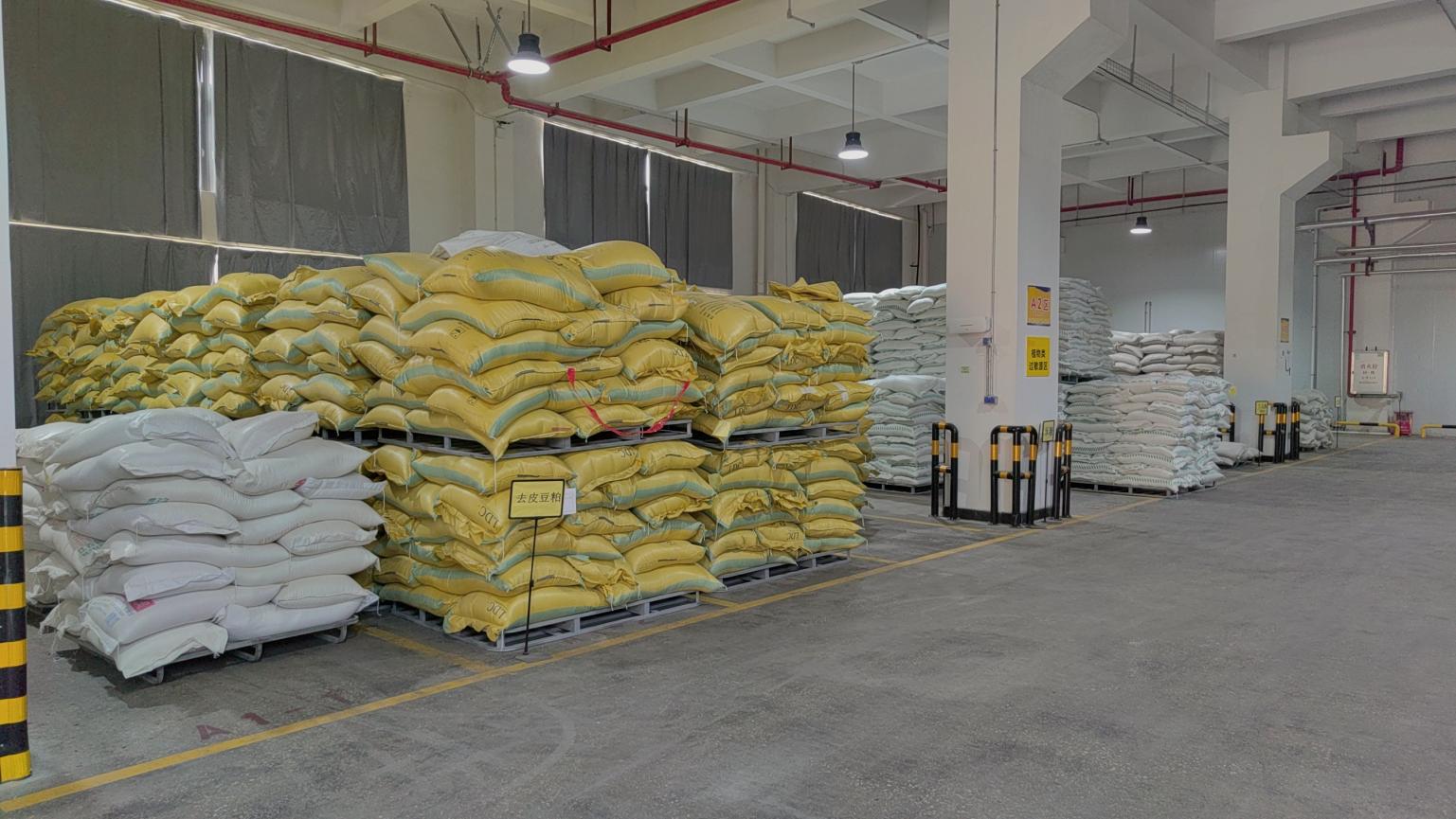
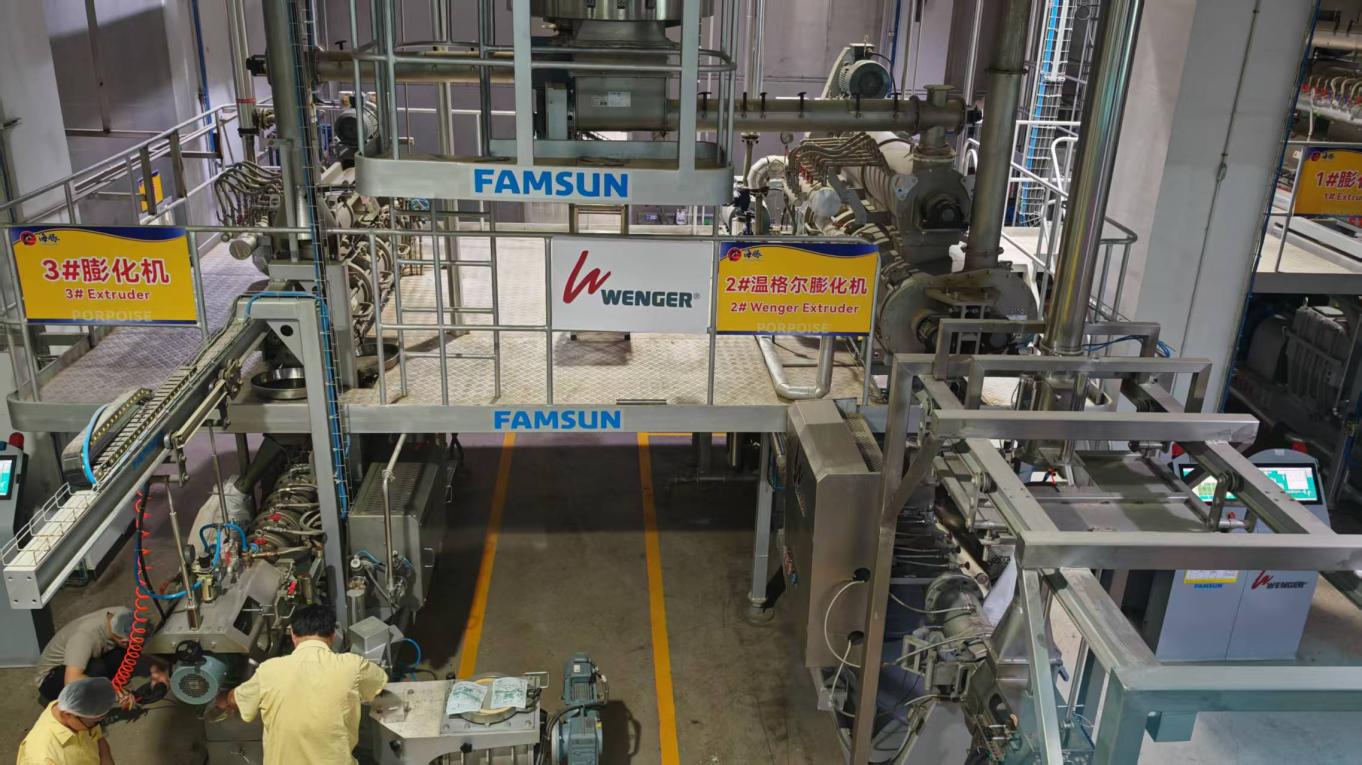
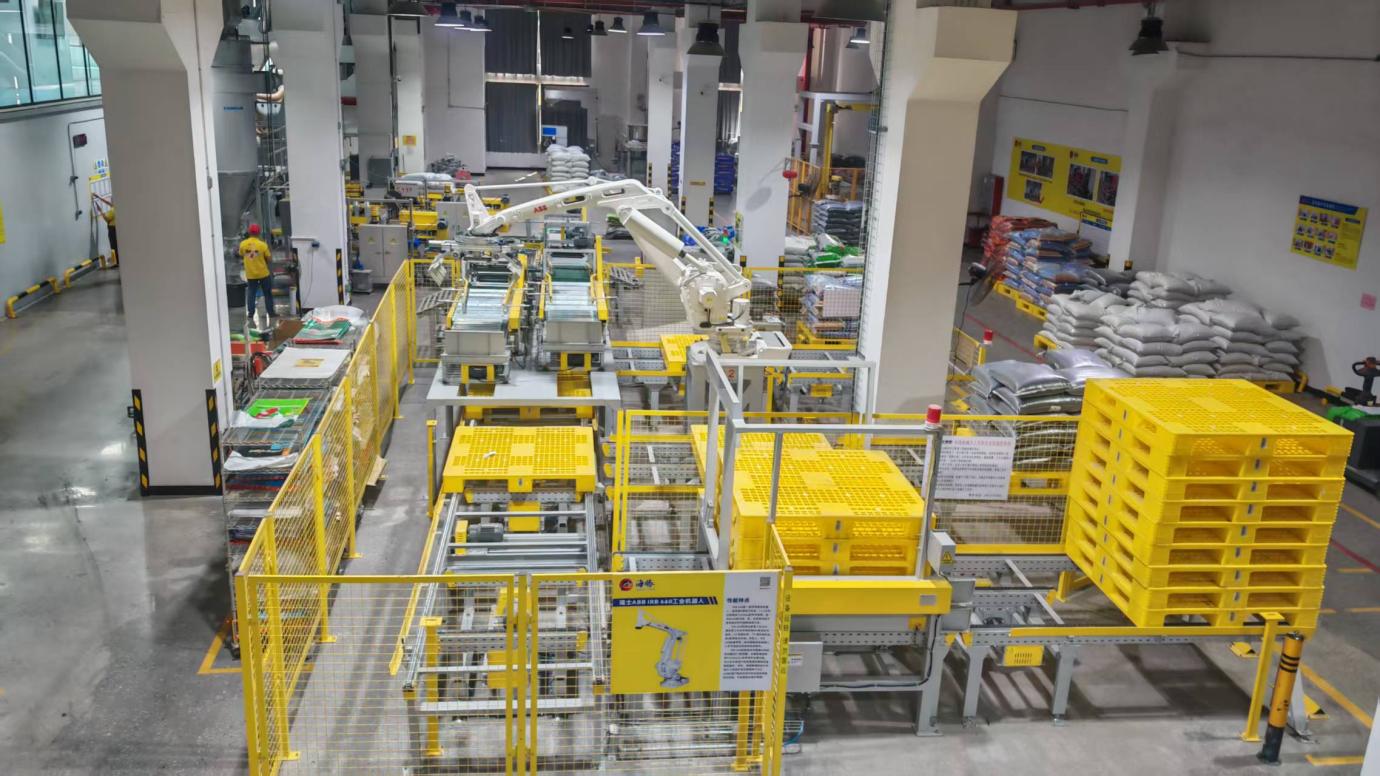
Qingdao Akston Health Co., Ltd. is a trusted manufacturer and global supplier dedicated to delivering innovative health and nutrition solutions for the animal feed industry. With a strong commitment to quality, sustainability, and continuous innovation, we provide high-performance feed additives and nutritional ingredients that support healthier livestock, improved productivity, and safer food production worldwide.
Our comprehensive product portfolio includes choline chloride, amino acids, vitamins, minerals, and other functional feed additives designed to meet the nutritional requirements of poultry, swine, ruminants, aquaculture, and companion animals. Our science-based formulations help optimize animal growth, enhance immune function, improve feed efficiency, and contribute to reducing the reliance on antibiotics in modern livestock production.
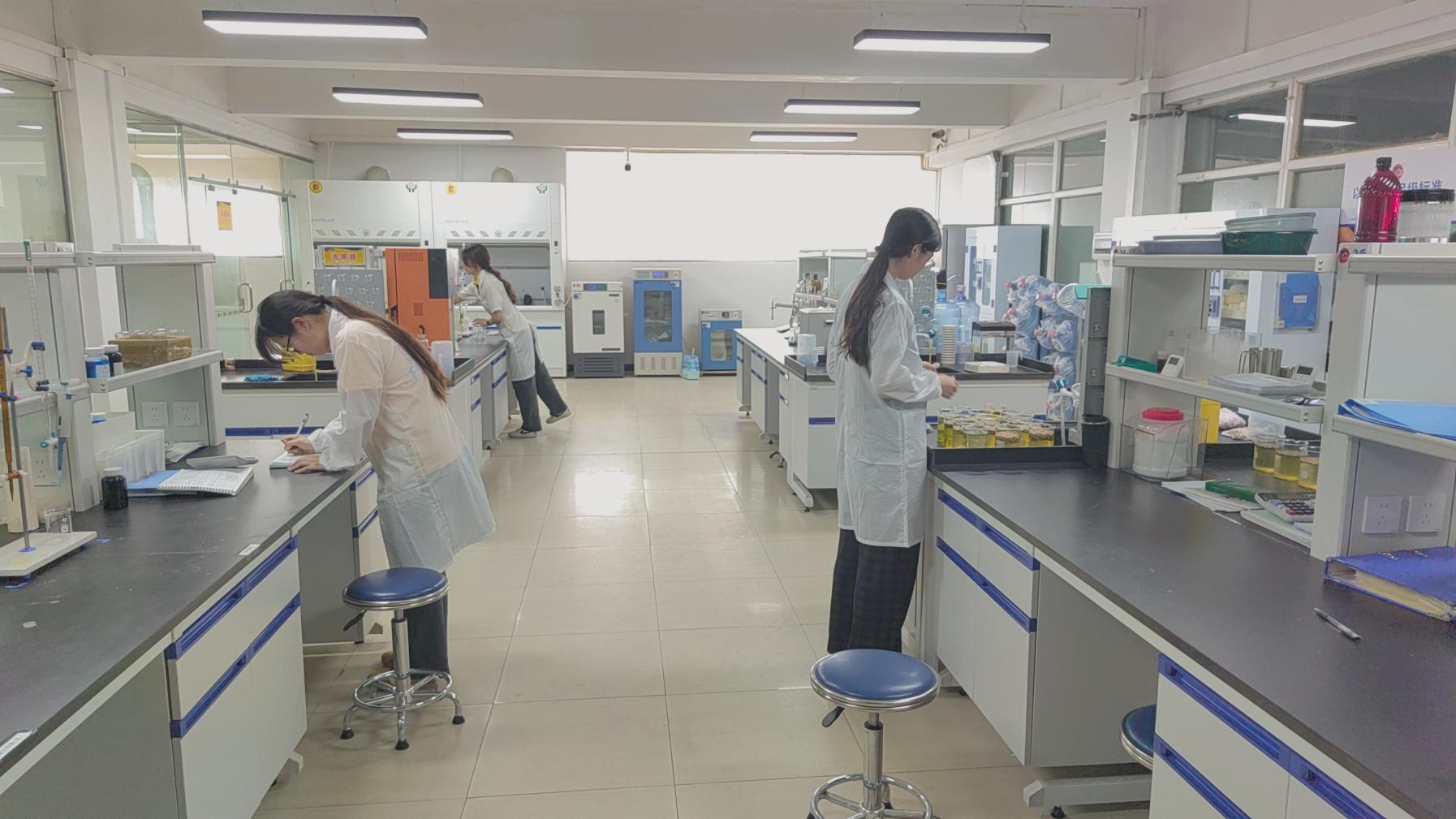
At Akston Health, quality is the foundation of everything we do. We work closely with qualified manufacturing partners and implement strict quality control systems throughout sourcing, production, and logistics to ensure every product meets international standards. Our experienced technical team also provides customized solutions and professional support to help customers achieve better production performance and sustainable business growth.
Driven by integrity, innovation, and customer satisfaction, Qingdao Akston Health Co., Ltd. has established long-term partnerships with clients across Asia, Europe, the Middle East, Africa, and the Americas. We are committed to creating lasting value through reliable products, competitive pricing, efficient supply chain management, and responsive customer service.
As your trusted partner in animal nutrition, Akston Health will continue to develop innovative solutions that promote animal health, improve farming efficiency, and contribute to a more sustainable global agriculture industry.

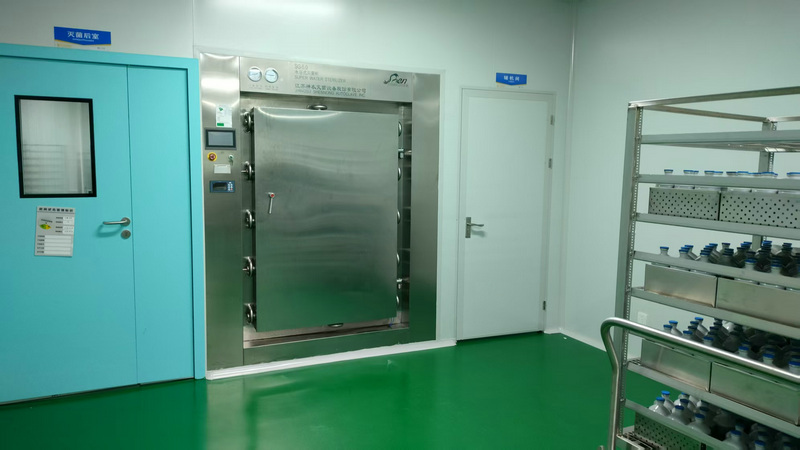
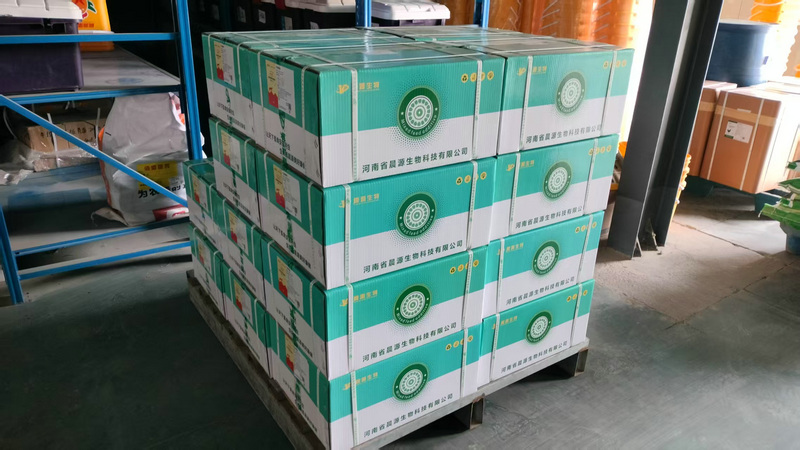
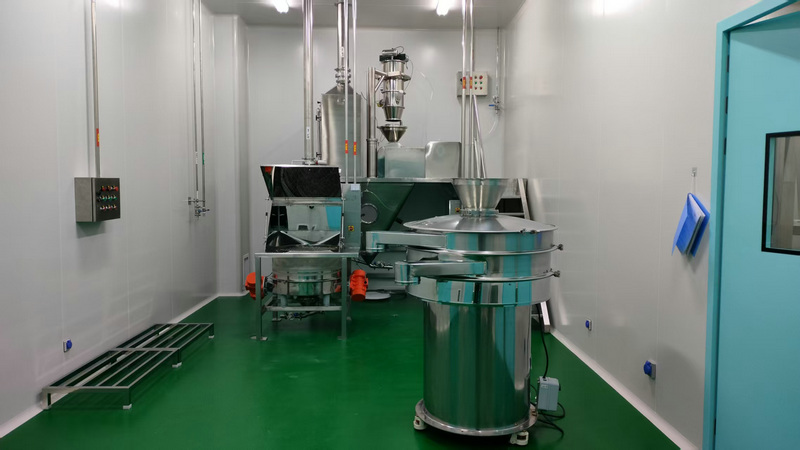
Expert answers to critical questions in industrial matcha powder sourcing.
Premium solutions designed to improve livestock feed efficiency, agricultural output, and metabolic performance.