Akston Health
Akston Health
Akston Health
Pioneering agricultural and feed compounds manufactured to international GMP standards, driving bioavailability and animal productivity.
Why industrial sourcing strategy for Zingiber officinale is shifting toward advanced standardization and resilient supply chains.
Ginger extract (derived from the rhizome of Zingiber officinale) has experienced a profound shift in global demand. Historically recognized for its culinary and traditional remedial uses, it has evolved into a vital active pharmaceutical ingredient (API), a standard food-grade preservative, and a potent bioactive additive in modern animal nutrition. The global ginger extract market is anticipated to expand at a compound annual growth rate (CAGR) of over 7.4% through 2030, driven by the expanding clean-label movement, demand for plant-based therapeutics, and strict legislative bans on antibiotic growth promoters (AGPs) in livestock feed.
Modern commercial procurement prioritizes standardization. Sourcing managers no longer buy generic "ginger powder"; instead, they contract for exact percentages of Gingerols (typically 5%, 10%, or 20% by HPLC) and Shogaols. The volatile oils and oleoresins must be carefully preserved through optimized processing. Choosing the right manufacturing partner involves verifying their extraction technology, raw material quality control, and international certification portfolio.
A comprehensive evaluation of the world’s leading manufacturers, detailing their technological capabilities and regional specializations.
HQ: Qingdao, China
Core Focus: High-performance animal nutrition, specialized plant extracts, feed additives, and strict quality-assured raw materials.
Akston Health has developed an efficient, high-throughput supply framework, combining state-of-the-art manufacturing plants with rigorous logistics management. By coupling ginger extract research with animal physiological studies, they supply targeted bioactive formulations optimized for gut health and anti-stress responses in livestock, backed by complete ISO and GMP traceability.
HQ: Bangalore, India / Utah, USA
Core Focus: Standardized phytonutrients, patented gingerol formulations, and pharmaceutical-grade ingredients.
An industry titan in biotechnology, Sabinsa is globally recognized for its patented Ginger extract brands, standardized to contain high ratios of gingerols and shogaols. Their focus lies heavily on human clinical trials, bio-availability enhancement, and patent-protected extraction methodologies.
HQ: Milan, Italy
Core Focus: Phytopharmaceutical active principles, phytosome technology, and highly standardized botanical extracts.
Indena is a pioneer in the identification and clinical testing of active plant components. Using proprietary technologies such as Phytosome®, they encapsulate gingerols within phospholipids to optimize cellular absorption. They serve high-end pharmaceutical and cosmetic brands.
HQ: Vestenbergsgreuth, Germany
Core Focus: Tea ingredients, herbal infusions, botanical powders, and sustainability-certified extracts.
Martin Bauer Group operates an extensive global network. They prioritize vertical integration, managing the ginger cultivation process from the farm level through to the final powder. They are the preferred supplier for large-scale European food, beverage, and phytotherapy companies.
HQ: Kerala, India
Core Focus: Spice oleoresins, essential oils, CO₂ supercritical extracts, and natural color solutions.
Synthite processes a significant portion of the world's spice oleoresins. Utilizing state-of-the-art Supercritical Fluid Extraction (SFE) units, they produce ginger extracts that preserve the complete flavor profile and bioactive spectrum of fresh ginger, perfect for food and cosmetic formulations.
HQ: Avignon, France
Core Focus: Natural food preservation, botanical extracts, health-promoting functional ingredients.
Acquired by Givaudan, Naturex offers ginger extracts optimized for antioxidant and antimicrobial properties. They specialize in food safety applications where ginger extract serves as a clean-label shelf-life extender, replacing synthetic chemical preservatives.
HQ: Bangalore, India
Core Focus: Organic botanical extracts, custom formulation services, and eco-friendly processing.
Vidya Herbs utilizes advanced extraction technologies, including ultrasonic-assisted extraction, to yield high-potency ginger extracts. They have developed vertically integrated organic ginger farming programs in India and Southeast Asia to guarantee clean raw materials.
HQ: Rehlingen, Germany
Core Focus: Pure CO₂ extracts, flavor compounds, and organic-certified cosmetic ingredients.
Flavex is a specialized German manufacturer focusing exclusively on CO₂ extraction. Their ginger CO₂ extracts are valued in high-end perfume and organic cosmetics for their intense aroma, lack of solvent residues, and standardized bioactive concentration.
HQ: New York, USA
Core Focus: Liquid botanical extracts, holistic balance extraction, and cosmetics ingredients.
Bio-Botanica is a prominent family-owned manufacturer in the USA. Using their proprietary Bio-Chelated® cold extraction process, they produce liquid ginger extracts that maintain the natural ratio of the plant's active constituents for nutraceutical and cosmetic use.
HQ: Kerala, India
Core Focus: Clinically proven natural ingredients, standardized herbal extracts, and custom blending.
Arjun Naturals specializes in clinical-backed herbal extracts. Their research focuses on the anti-inflammatory properties of gingerols, making their extracts highly sought after in the joints and digestive health supplement sectors globally.
An analysis of extraction processes, highlighting yields, chemical purity profiles, and environmental footprints.
The processing of ginger rhizomes directly affects the concentration and bioactivity of the final extract. Sourcing departments must understand the trade-offs between extraction techniques to ensure the ingredient fits their formulation goals. The table below offers a technical comparison of standard extraction methods.
| Extraction Method | Typical Solvents | Gingerol Yield & Purity | Volatile Oil Preservation | Environmental Footprint | Primary Industrial Use |
|---|---|---|---|---|---|
| Supercritical CO₂ Extraction | Carbon Dioxide (under supercritical pressure) | High (Up to 30% Active Gingerols) | Excellent (Preserves delicate top-notes) | Very Low (Recyclable CO₂, zero residues) | Premium Cosmetics, Pharma, Clean-label Supplements |
| Ethanol Solvent Extraction | Food-Grade Ethyl Alcohol | Moderate to High (5% - 10% HPLC) | Moderate (Some loss during evaporation) | Moderate (Requires energy-intensive solvent recovery) | Standard Functional Food, Nutraceuticals, Animal Feed Additives |
| Subcritical Water Extraction | Water (heated under pressure) | Low to Moderate | Low (Heat-sensitive compounds degrade) | Zero (Green chemistry compliant) | Basic Functional Beverages, Standard Food Ingredients |
| Hexane/Hydrocarbon Solvent | Hexane, Acetone | High (Mostly crude oleoresins) | Poor (High heat required to strip solvent) | High (Potential trace residue concerns) | Industrial coloring, low-cost flavor bases |
Supercritical CO₂ extraction represents the gold standard for high-end applications. Operating at low temperatures, it prevents the thermal degradation of 6-gingerol into 6-shogaol, preserving the plant's natural profile. For bulk industrial use, such as animal feed additives and standard dietary supplements, ethanol solvent extraction remains the most cost-effective and reliable method, providing stable standardization at competitive rates.
Leveraging advanced processing clusters, agricultural integration, and logistics in Shandong Province.
China is a leading exporter of raw ginger and processed ginger extracts, driven by agricultural scale and a robust chemical infrastructure. Shandong Province serves as the center of this supply chain, benefiting from abundant ginger cultivation and modern manufacturing clusters. This concentrated ecosystem enables deep supply chain integration: raw material transport times are minimized, and processing plants can scale production dynamically in response to market shifts.
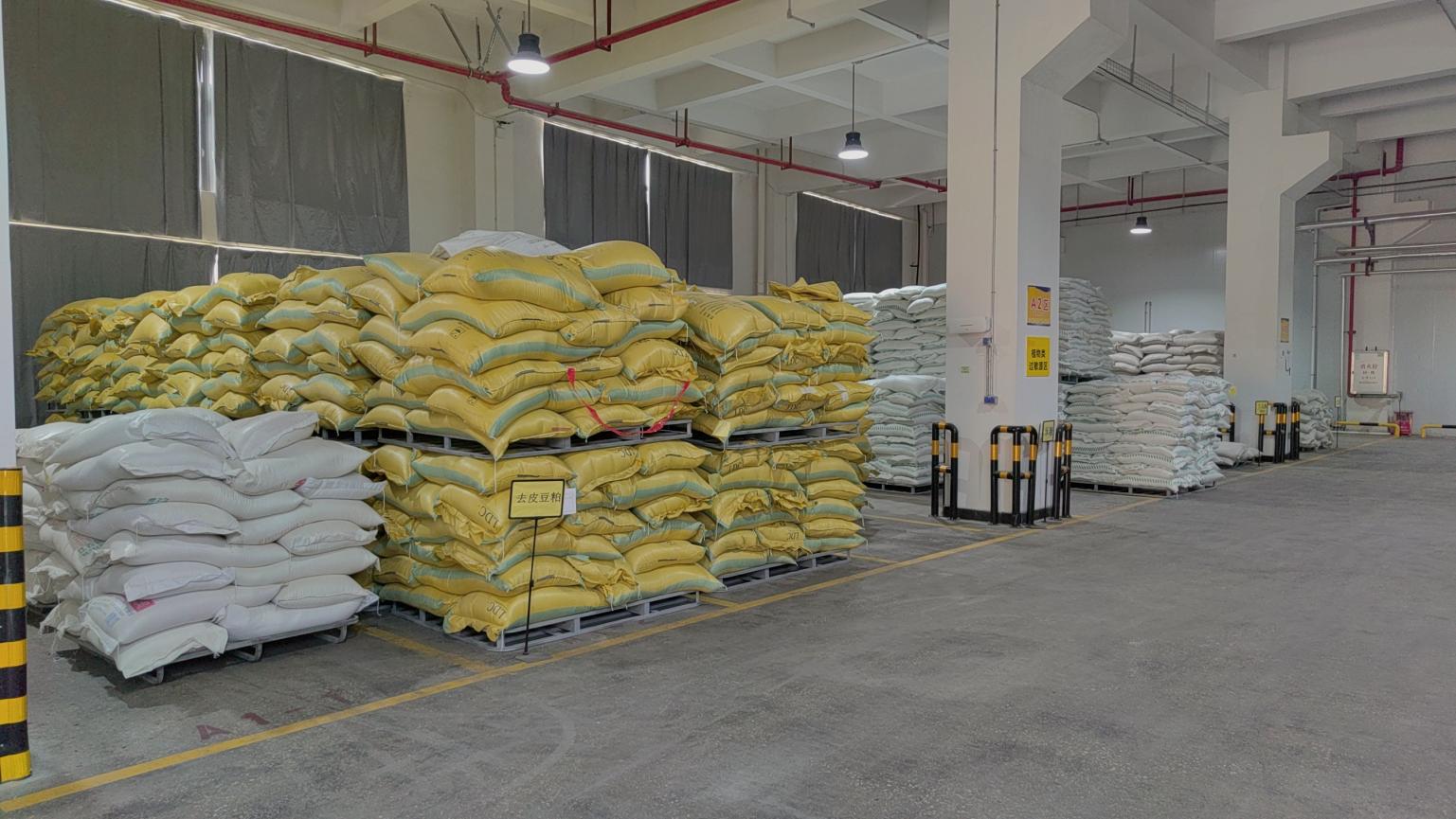
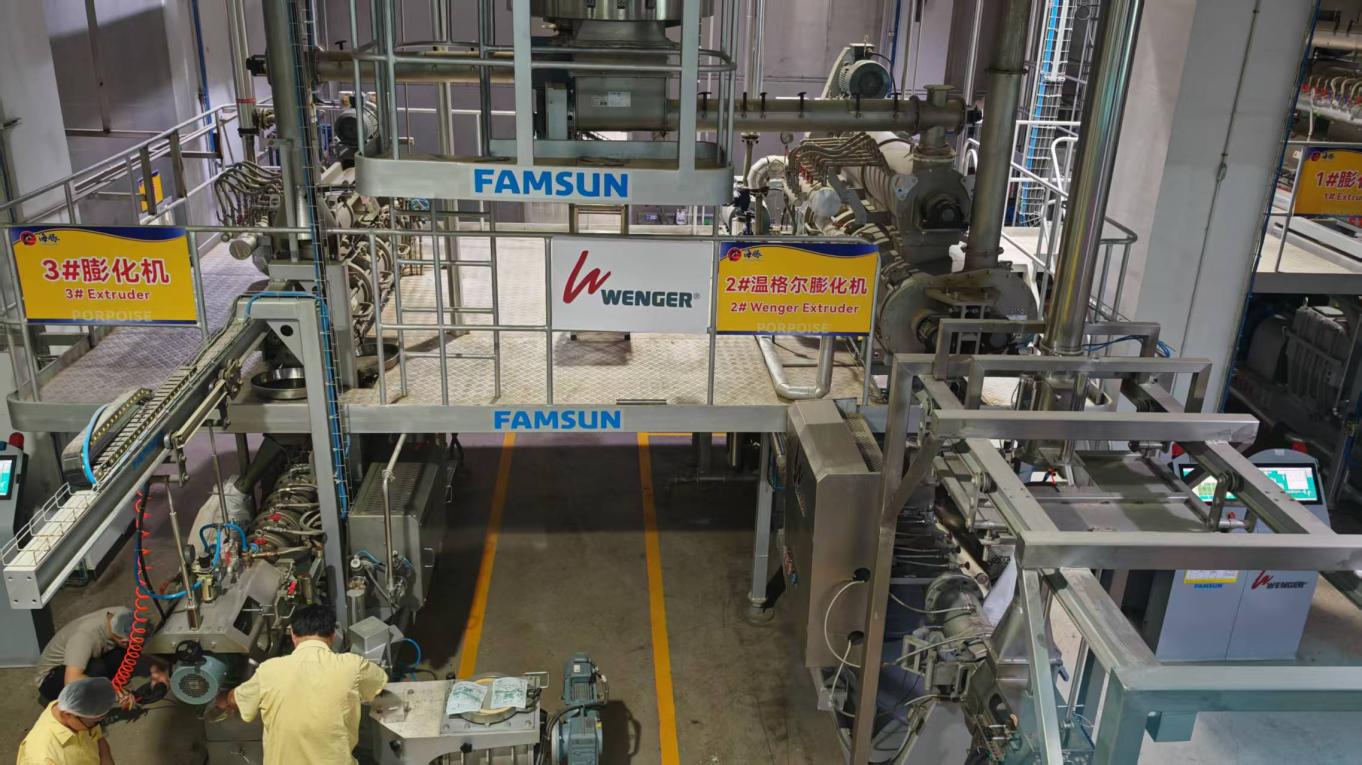
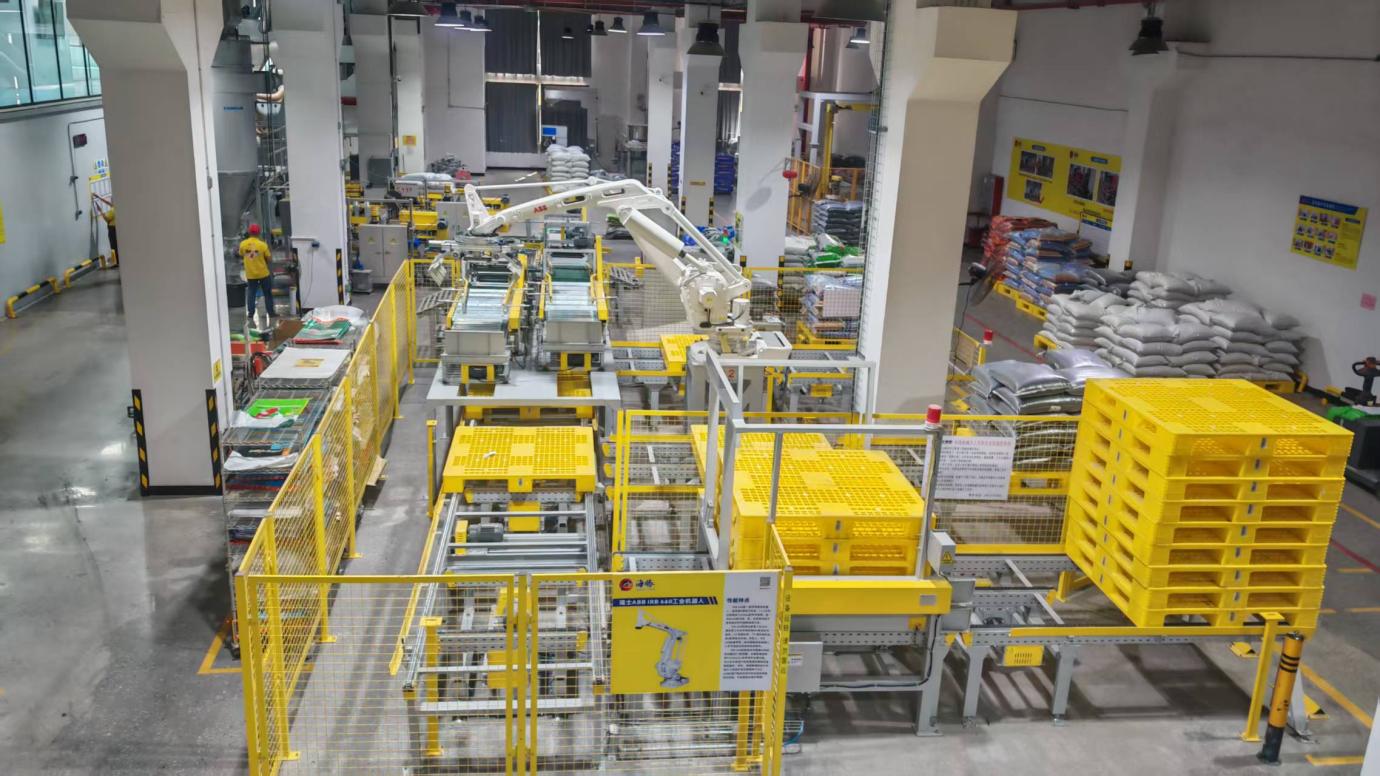
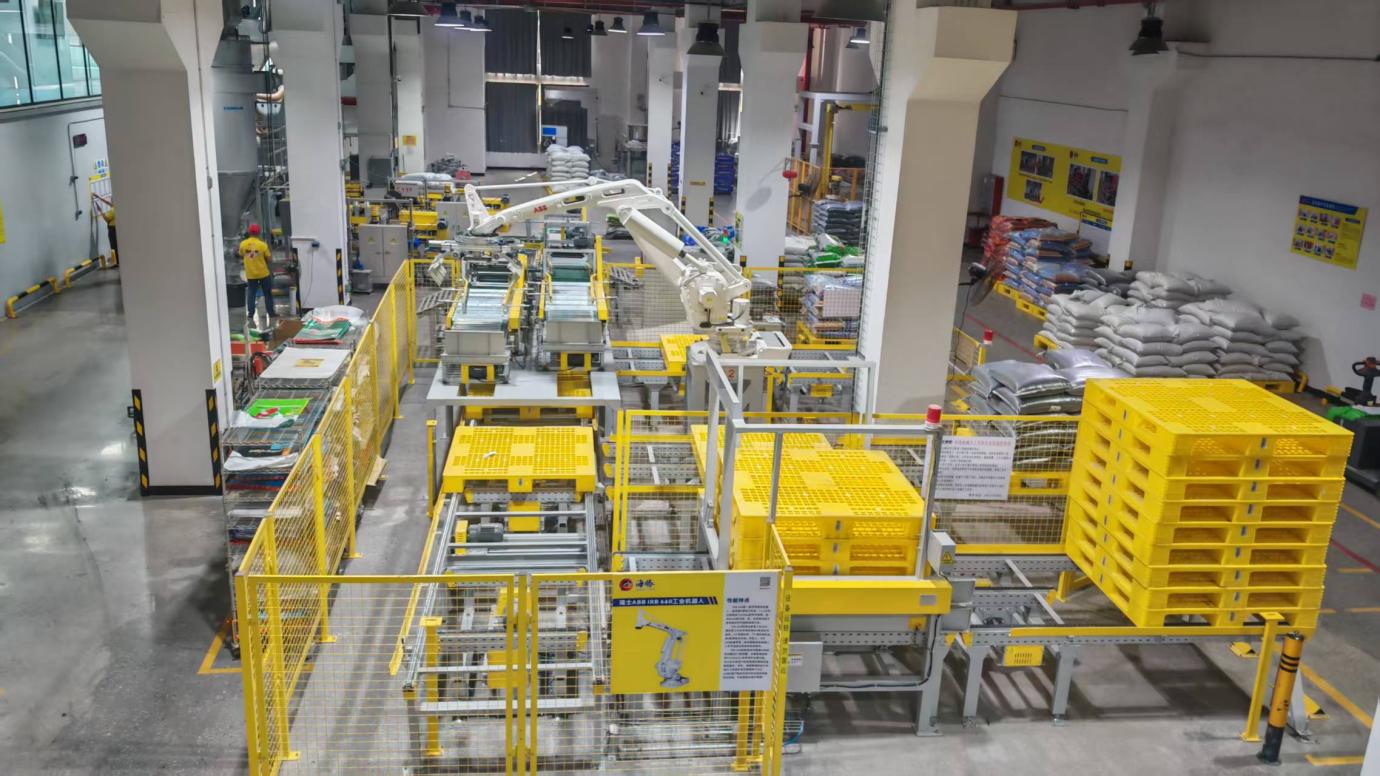
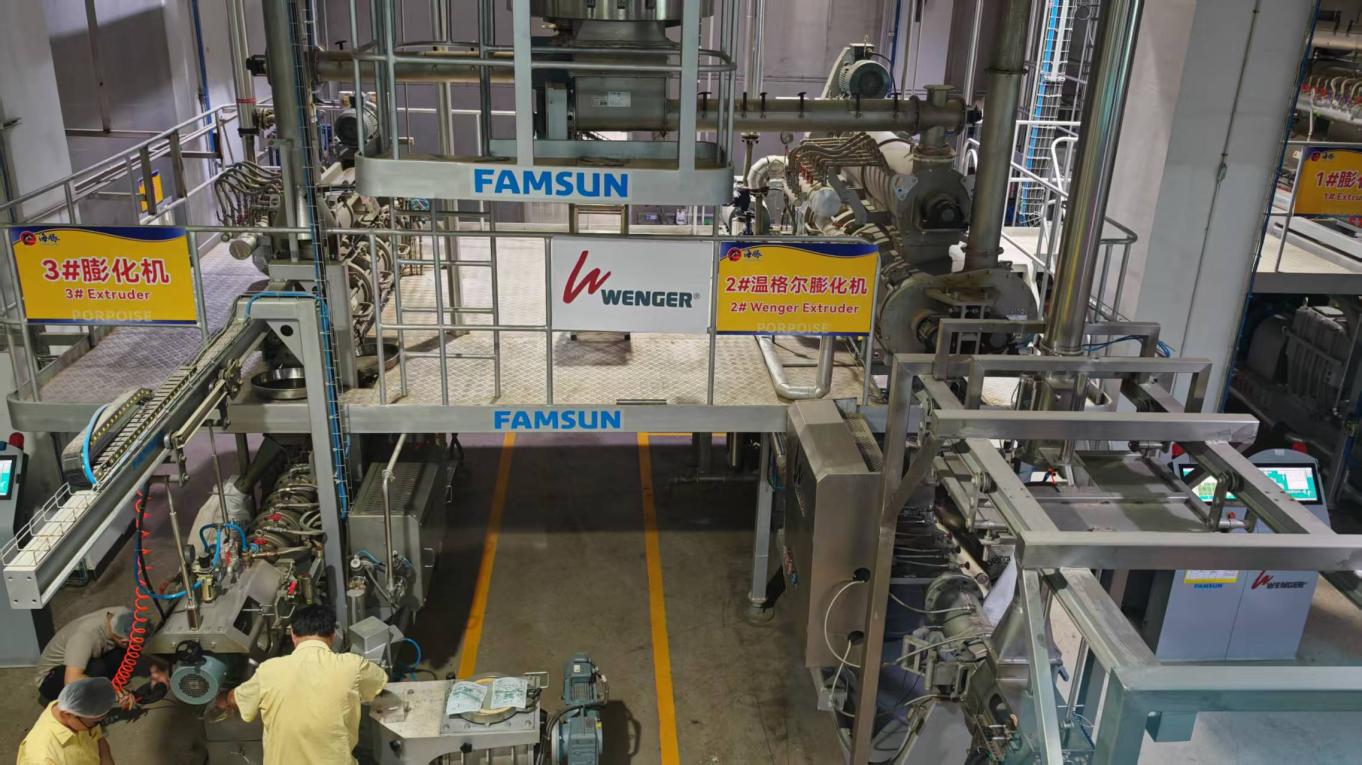
Qingdao Akston Health Co., Ltd. leverages these regional advantages by establishing partnerships at the farm level and maintaining tight control over manufacturing. Their facilities utilize automated raw material storage, high-throughput swelling and crushing systems, and automated packaging lines. This integrated approach ensures consistent quality, reduces contamination risks, and stabilizes pricing despite global agricultural market fluctuations.
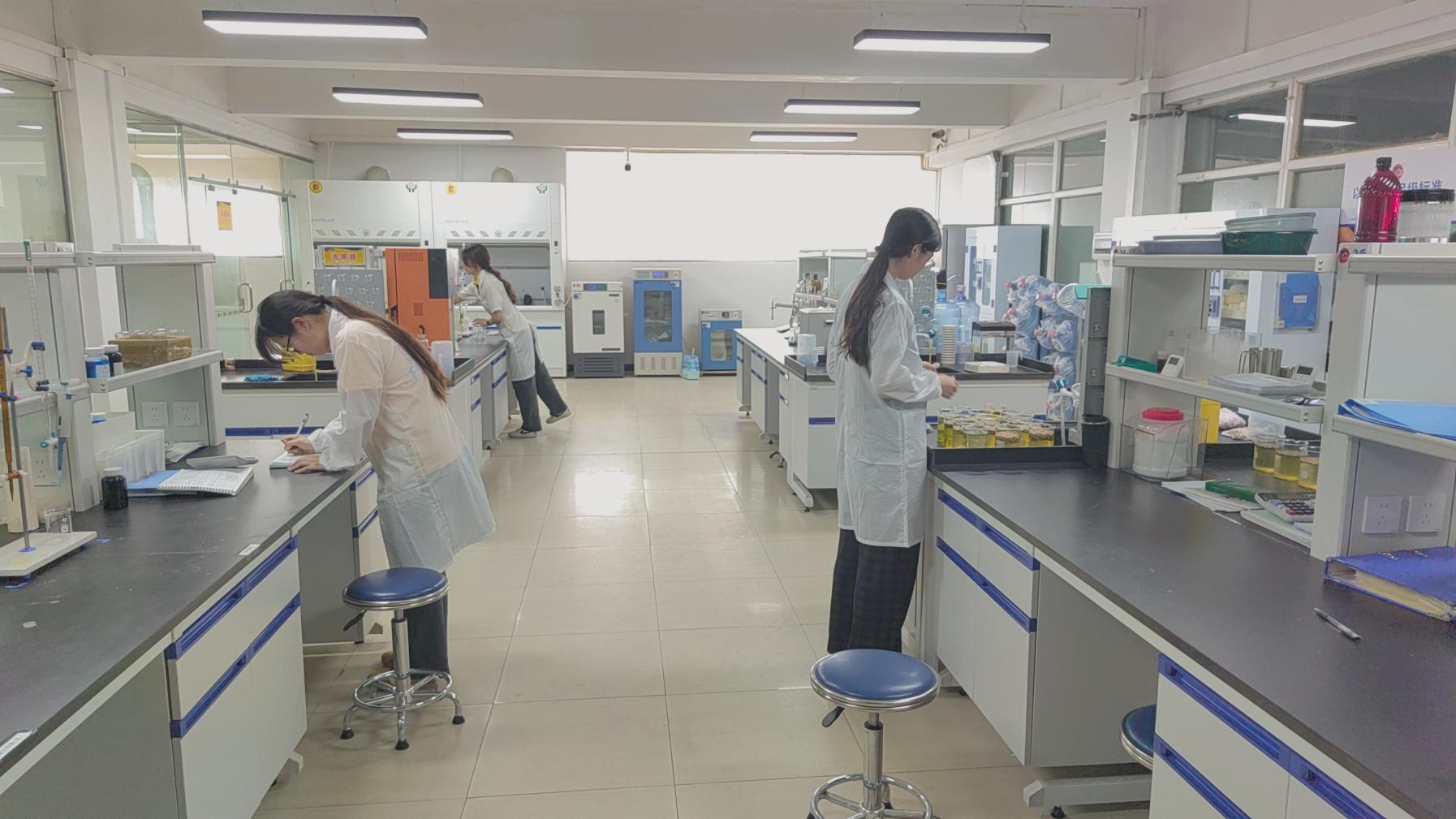
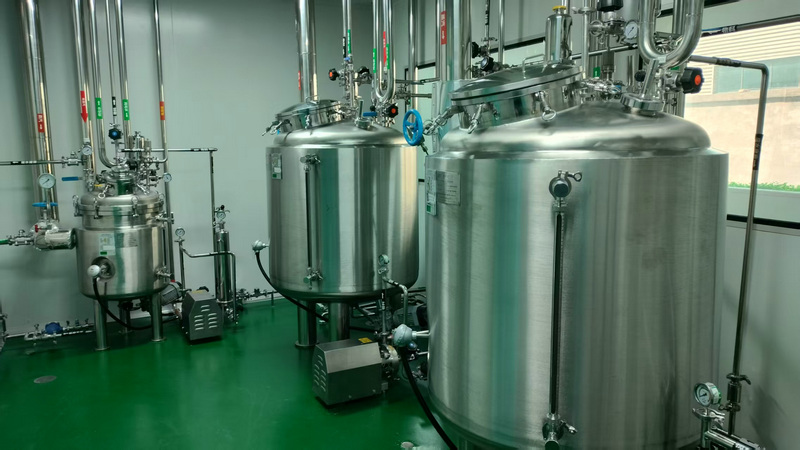
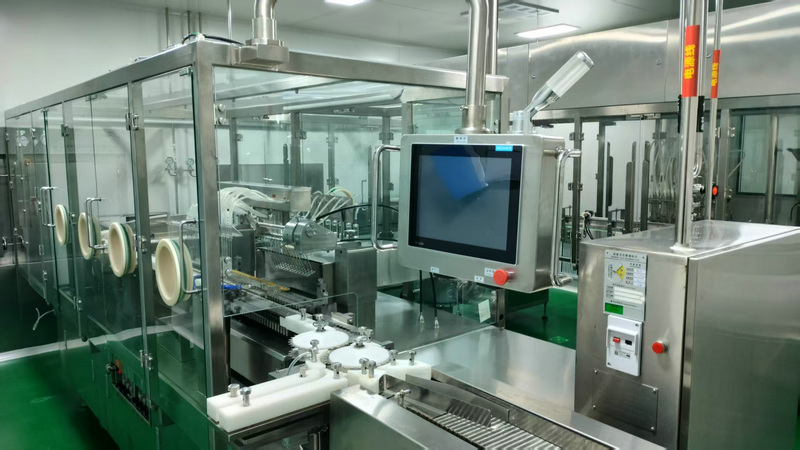
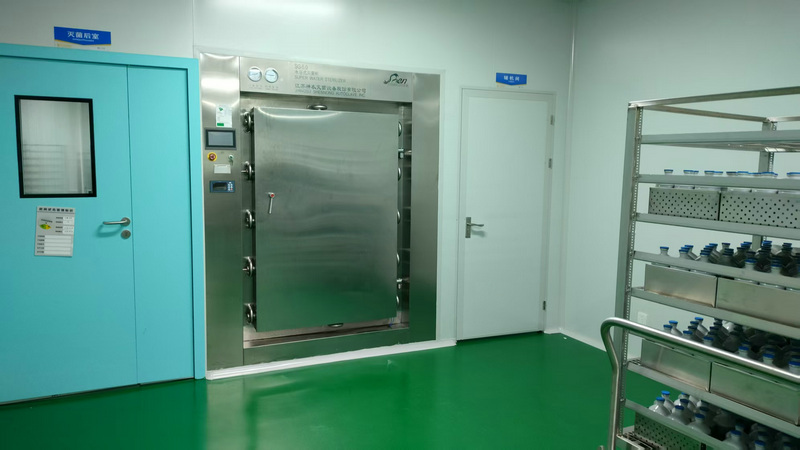
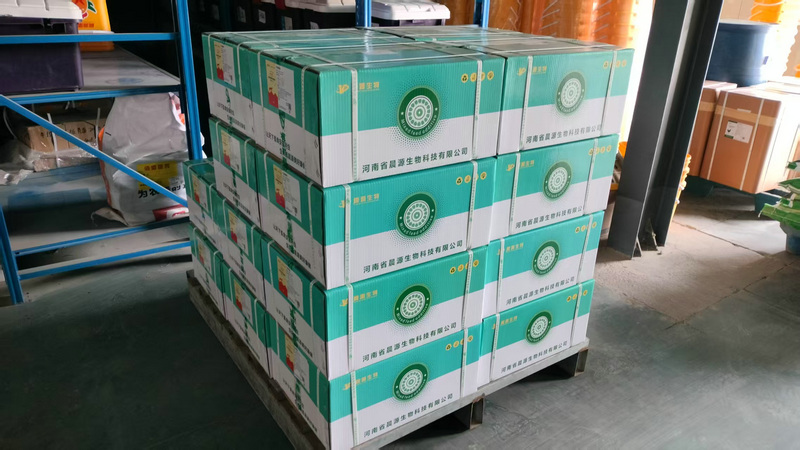
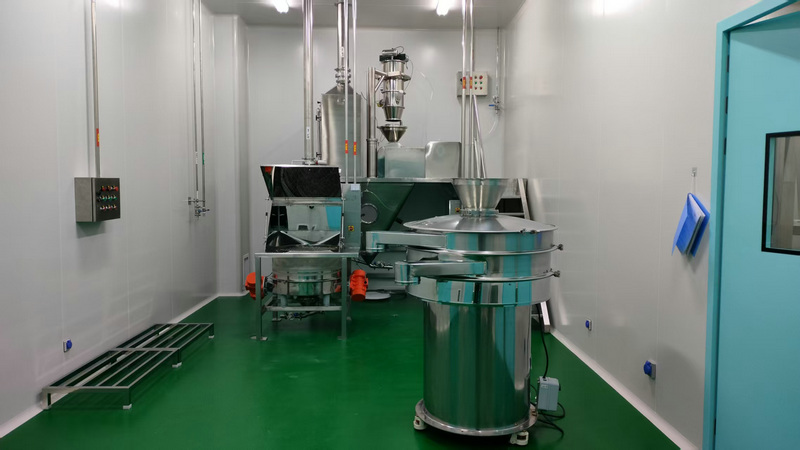
A detailed look inside our partner manufacturing facilities, demonstrating high-capacity automated production and compliance.
Quality assurance requires rigorous control at every stage. Below is a look at the key steps in the production pipeline, showing the transformation of raw materials into standardized active ingredients.

How different global markets utilize standardized gingerols across key industries.
Due to stricter bans on antibiotic growth promoters (AGPs) in the EU and North America, feed formulators use ginger extract to support livestock health. The active compounds, gingerols and shogaols, stimulate digestive enzymes, improve nutrient absorption, and maintain gut microflora integrity. In aquaculture, they enhance immune responses in shrimp and fish, mitigating high-density farming risks.
In mature dietary supplement markets like Western Europe and North America, ginger extract is a key ingredient in joint health and digestive formulations. Its anti-inflammatory properties (mediated by inhibiting COX-2 pathways) make it a popular alternative to synthetic pain relievers, driving demand for high-standardization (20%+ Gingerols) powders.
The rise of natural, clean-label wellness shots and organic sodas in urban centers has driven demand for water-soluble ginger extracts. Beyond flavor, ginger's antimicrobial properties make it a natural preservative in meat processing and ready-to-eat products, replacing artificial options like sodium benzoate.
In East Asian cosmetic markets, ginger extract is widely used in hair and scalp care formulations. The active compounds stimulate localized blood circulation, promoting hair follicle health and reducing dandruff, which supports a growing range of premium personal care products.
Navigating complex international certifications for cross-border ingredient sourcing.
Entering international markets requires strict compliance with regional health and safety regulations. Sourcing managers must verify that their suppliers hold certifications appropriate for their industry and target market. The key regulatory requirements include:
Companies like Qingdao Akston Health Co., Ltd. manage these compliance requirements through strict quality control systems. They provide batch-specific documentation, including Certificates of Analysis (COA), Heavy Metal Profiles, and Pesticide Residue Reports, ensuring smooth customs clearance and regulatory alignment for buyers worldwide.
Answers to key regulatory, chemical, and logistics questions from professional procurement teams.
High-specification chemical compounds, stabilizers, and protein powders manufactured under clean-label and international quality standards.