Akston Health
Akston Health
Akston Health
Direct supply paths with certified international compliance (8 Priority Stock Items)
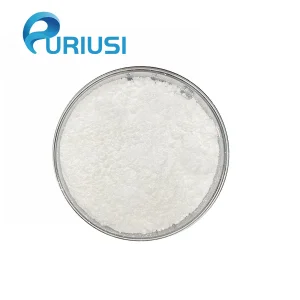
L-Threonine (C4H9NO3) is established globally as the third most limiting amino acid in swine nutrition and the fourth in poultry formulations. Over the past decade, the global livestock ecosystem has pivoted from crude protein loading towards highly target-driven, amino-acid-balanced nutrition profiles. This paradigm shift has established L-Threonine as a cornerstone of sustainable, modern, and cost-effective animal feed formulations.
Driven by intensive genetic progress in broiler and pig breeding, the industrial demand for crystalline L-Threonine has scaled exponentially. According to global agricultural trade reports, the global demand for feed-grade L-Threonine exceeds 800,000 metric tons annually. This demand is sustained by the imperative need to optimize dietary nitrogen efficiency, minimize global environmental excretion footprints, and mitigate high-cost protein feedstock dependencies, such as soybean meal.
By leveraging synthetic biology and highly optimized microbial strain fermentation, wholesale supply channels have stabilized, enabling farmers and global feed mills to accurately balance protein profiles without compromising the dietary energy-to-protein ratio. In regions implementing strict environmental guidelines—such as the European Union’s nitrate directives and China’s low-protein feed initiatives—crystalline L-Threonine supplementation is no longer optional; it is a critical requirement for regulatory compliance and economic viability.
Supplementing animal feed with L-Threonine delivers critical physiological and economic benefits:
Unmatched raw material scaling, advanced fermentation biotechnology, and logistics integration
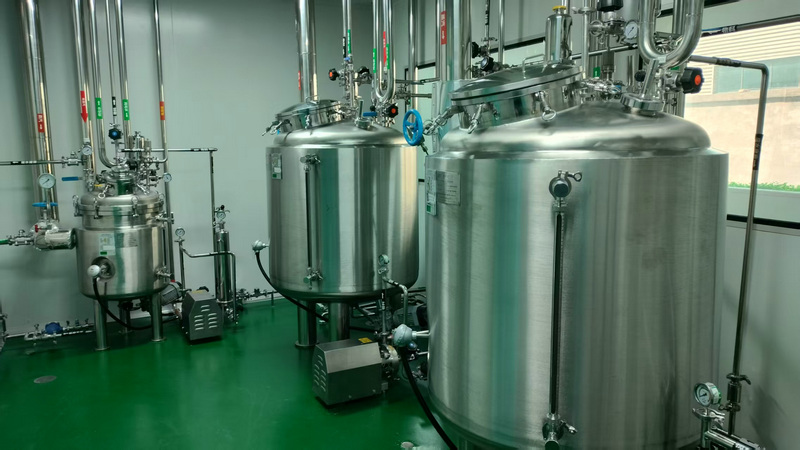
Chinese factories utilize high-yielding, non-pathogenic strains of Escherichia coli or Corynebacterium glutamicum. Through advanced metabolic engineering and genetic stability screening, these bioreactors convert corn starch hydrolysate to L-Threonine at conversion rates exceeding 50%, minimizing metabolic by-products.
Major manufacturing plants are strategically located within corn-producing regions (e.g., Shandong, Heilongjiang, Jilin). Direct processing of local corn into glucose syrup eliminates transport-related crop degradation, stabilizing feed supply chains even during global market shifts.
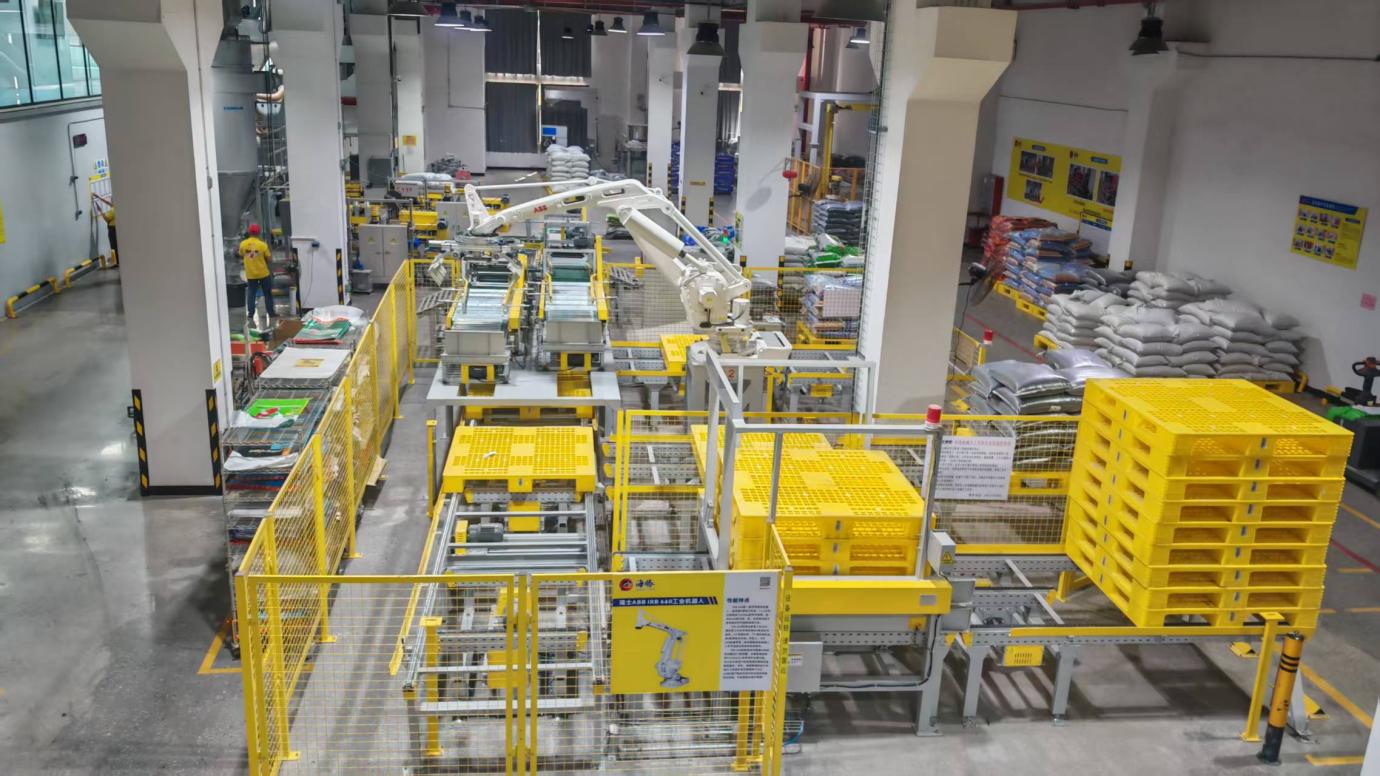
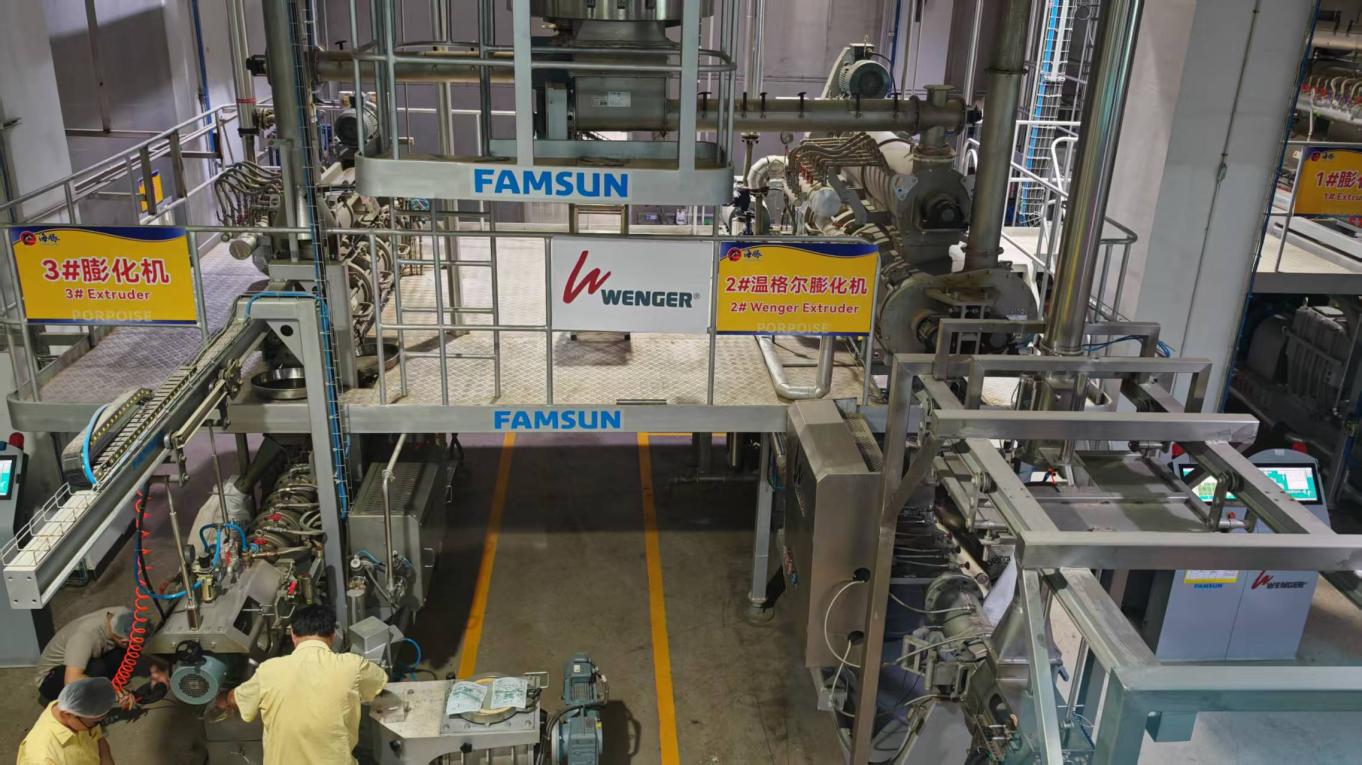
Operating multi-ton fermentation vessels operating 24/7 yields significant economies of scale. Continuous process refinement, automated drying, crystallization, and smart packaging workflows translate to a stable, cost-effective wholesale price structure for overseas buyers.
Your Trusted Global Partner in Innovative Animal Nutrition & Reliable Supply Solutions
Qingdao Akston Health Co., Ltd. is a trusted manufacturer and global supplier dedicated to delivering innovative health and nutrition solutions for the animal feed industry. With a strong commitment to quality, sustainability, and continuous innovation, we provide high-performance feed additives and nutritional ingredients that support healthier livestock, improved productivity, and safer food production worldwide.
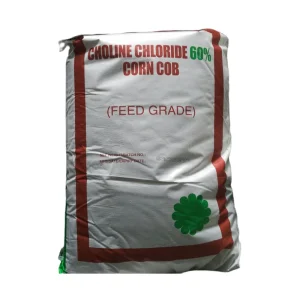
Our comprehensive product portfolio includes choline chloride, amino acids (such as high-purity L-Threonine), vitamins, minerals, and other functional feed additives designed to meet the nutritional requirements of poultry, swine, ruminants, aquaculture, and companion animals. Our science-based formulations help optimize animal growth, enhance immune function, improve feed efficiency, and contribute to reducing the reliance on antibiotics in modern livestock production.
At Akston Health, quality is the foundation of everything we do. We work closely with qualified manufacturing partners and implement strict quality control systems throughout sourcing, production, and logistics to ensure every product meets international standards. Our experienced technical team also provides customized solutions and professional support to help customers achieve better production performance and sustainable business growth.
Driven by integrity, innovation, and customer satisfaction, Qingdao Akston Health Co., Ltd. has established long-term partnerships with clients across Asia, Europe, the Middle East, Africa, and the Americas. We are committed to creating lasting value through reliable products, competitive pricing, efficient supply chain management, and responsive customer service.
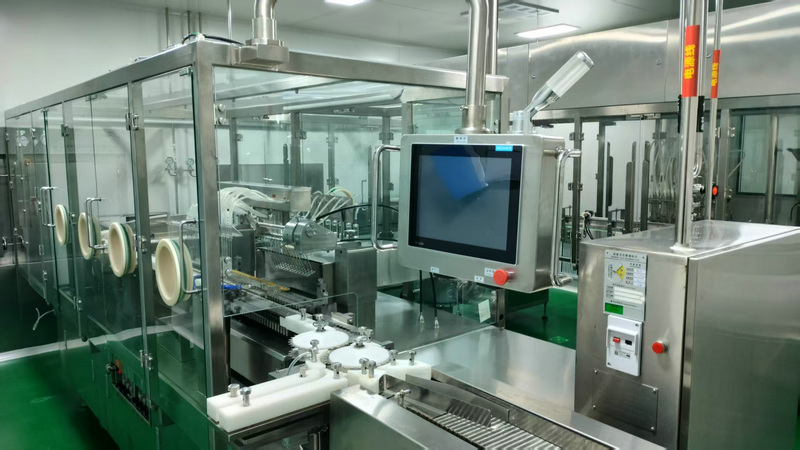
Ensuring compliance, consistency, and traceability at every processing stage
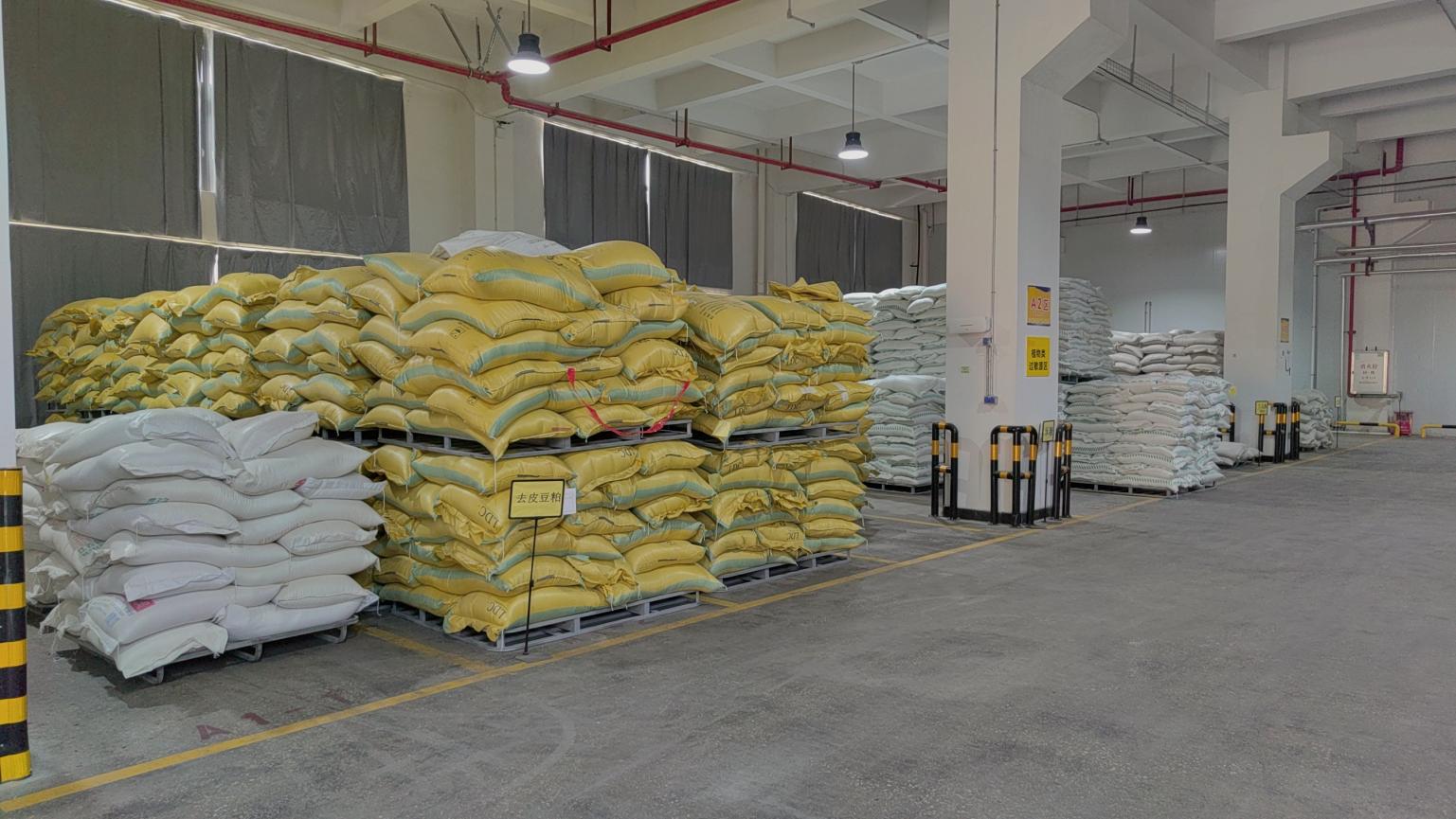
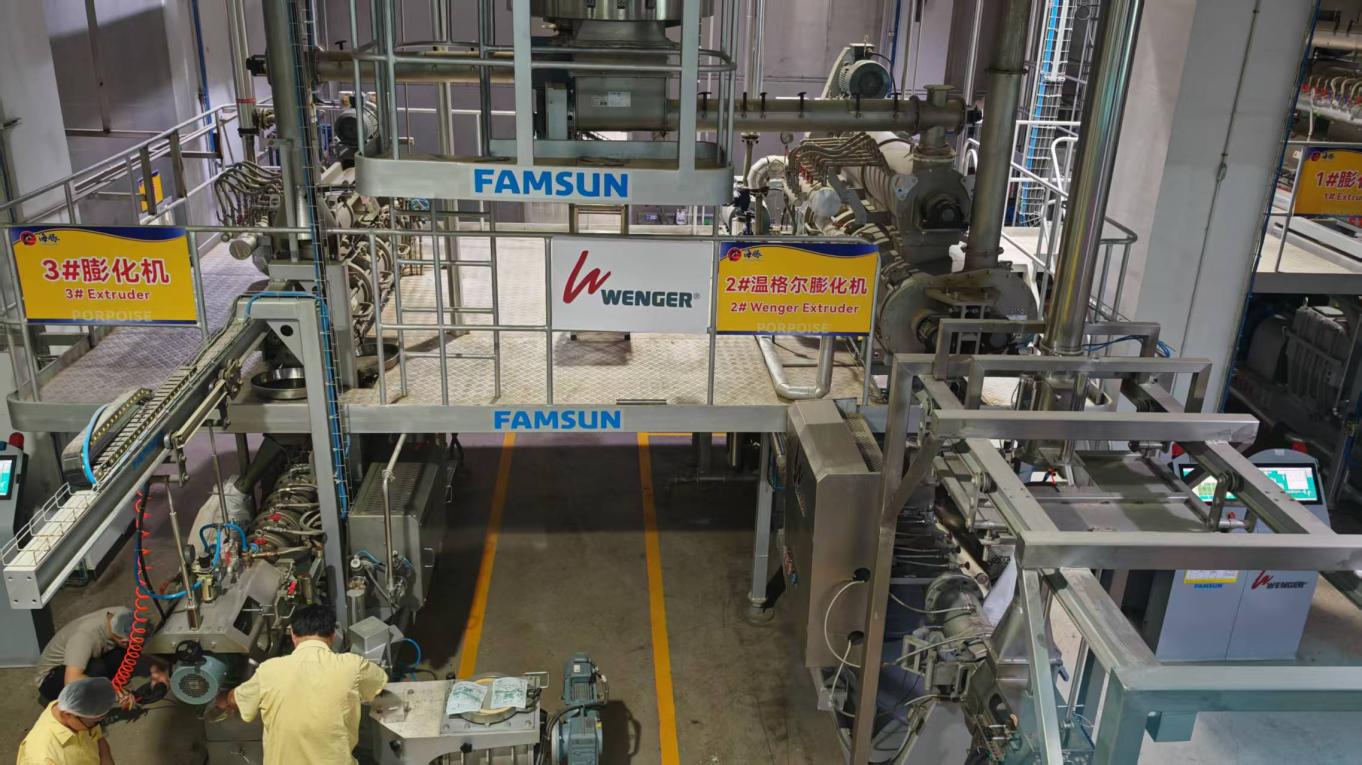
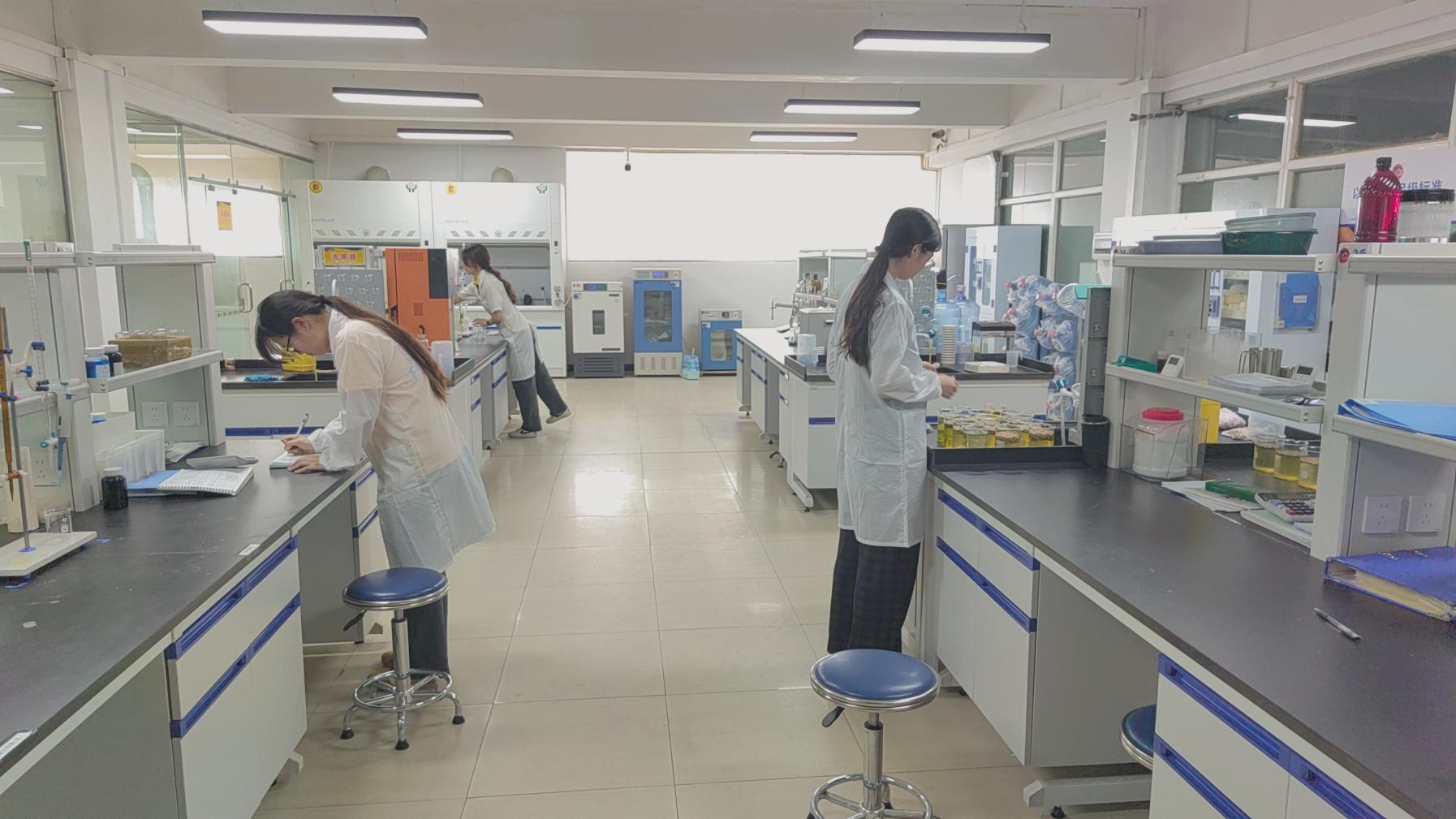
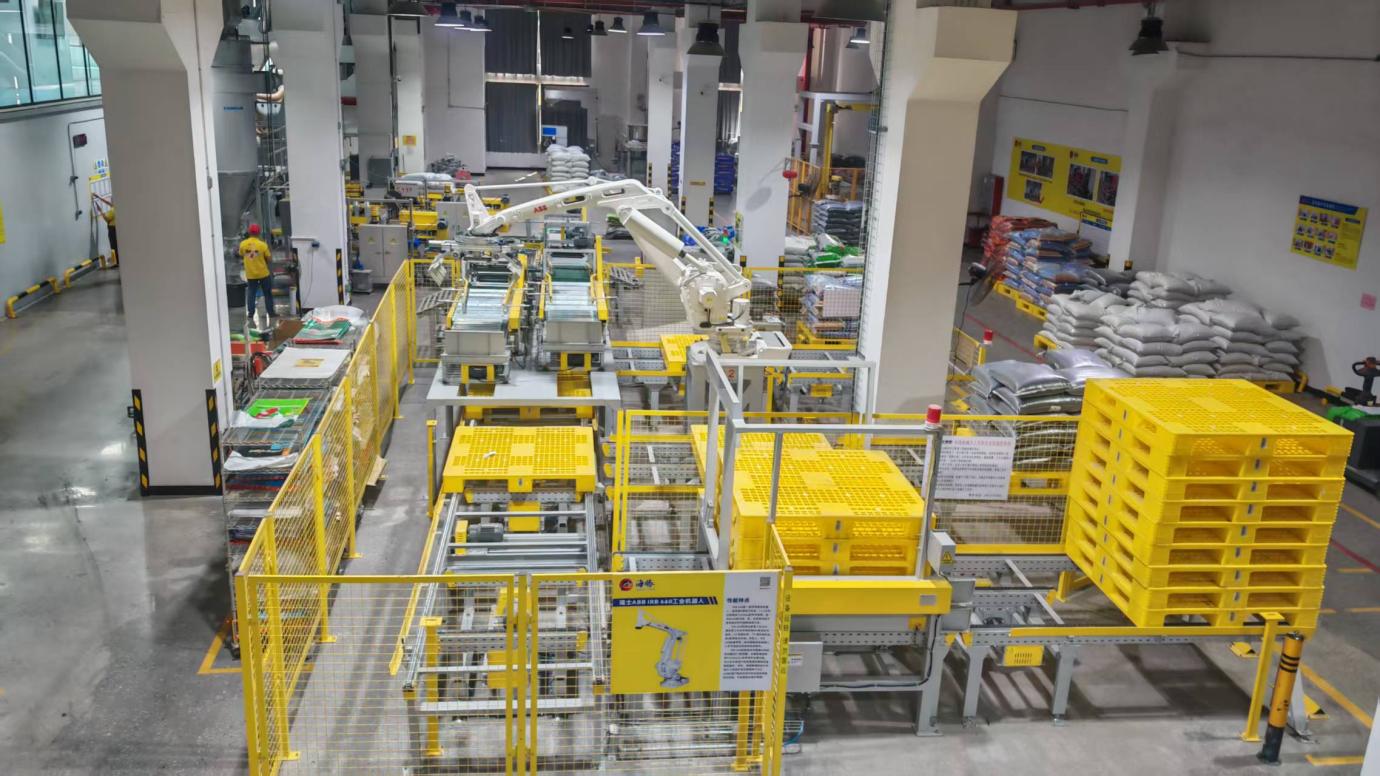

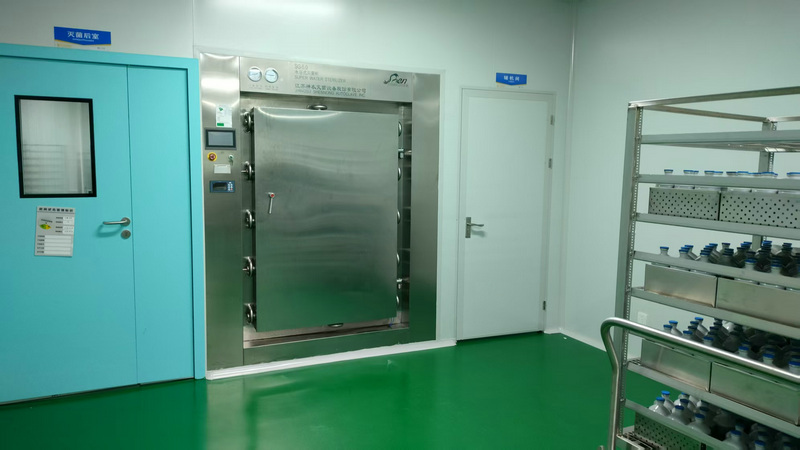
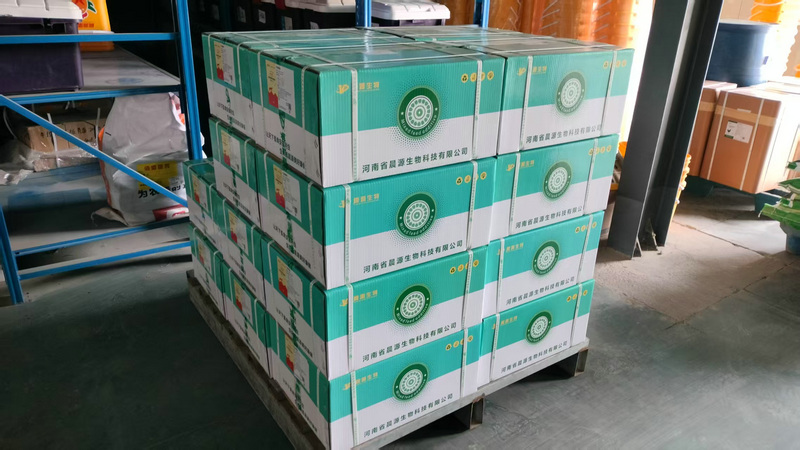
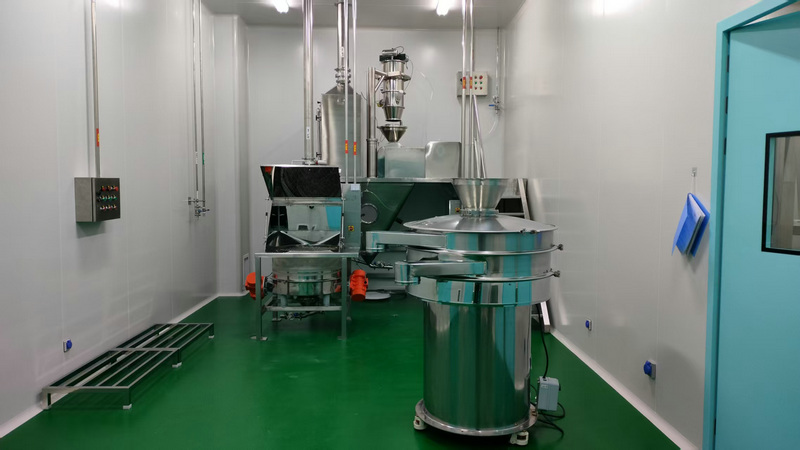
How L-Threonine optimizes target-specific feed formulations across livestock sectors
Post-weaning piglets face high physiological stress and immune challenge. Crystalline L-Threonine maintains gut mucosal lining and aids mucin production, reducing diarrhea and enteric disease. In finisher pigs, balancing lysine with threonine optimizes backfat profiles and lean carcass yields.
Typical dosage: 0.1% to 0.25% of complete feed depending on crude protein level.
Broilers demand rapid muscle accumulation. As the 4th limiting amino acid, L-Threonine ensures efficient protein deposition in breast meat. In laying hens, targeted threonine supply stabilizes egg weight, shell structure, and consistency over extended laying cycles, even with low-crude-protein formulations.
Typical dosage: 0.08% to 0.2% optimized relative to lysine ratios (typically 65-67%).
With global aquaculture shifting away from expensive wild-caught fishmeal to plant-based alternatives (e.g., soybean meal), threonine levels drops. Supplementing L-Threonine compensates for this deficiency, supporting efficient muscle development and immune systems in shrimp and carnivorous fish.
Typical dosage: 0.15% to 0.3% to overcome plant-protein deficiencies.
Several macro factors are driving the transition of the L-Threonine and amino acid sectors:
Global procurement teams must balance purity, safety, and supply chain consistency. Crystalline L-Threonine must meet strict quality standards to ensure safe formulation incorporation:
Quality check parameters for premium feed grade L-Threonine include:
By partnering with Akston Health, global feed manufacturers secure access to reliable manufacturing pipelines that meet these specifications, backed by experienced logistics support for smooth customs clearance and terminal deliveries.
Critical answers for B2B procurement managers, animal nutritionists, and quality controllers
Premium Feed Additives and Industrial Chemistry Solutions (8 Complementary Products)