Akston Health
Akston Health
Akston Health
Premium grade additives, processing materials, and essential nutritional foundations for livestock, aquaculture, and industrial formulations.
Analyzing the dynamics of lauric-rich botanical lipids in modern global supply chains.
Coconut oil, extracted from the kernel or meat of mature coconuts harvested from the coconut palm (Cocos nucifera), has evolved from a traditional agricultural commodity into a critical industrial lipid. Characterized by its unique fatty acid profile, dominated by Medium Chain Fatty Acids (MCFAs), particularly lauric acid (C12, typically 48% to 53%), coconut oil behaves differently from most other vegetable fats. Lauric acid provides exceptional structural stability, resistance to oxidation, and distinct physiological benefits, making it highly sought after across global B2B sectors, including functional foods, cosmetic formulations, pharmaceutical carriers, and specialized animal feed solutions.
The global demand for coconut oil is structured around two main categories: Refined, Bleached, and Deodorized (RBD) coconut oil, and Virgin Coconut Oil (VCO). While VCO is prized in high-end cosmetics and human nutraceuticals for its raw bio-active compounds, RBD coconut oil serves as a major industrial raw material. Globally, major plantation regions in Southeast Asia (specifically the Philippines, Indonesia, and India) supply the bulk of raw copra. However, the sophisticated purification, fractionation, esterification, and chemical conversion processes are increasingly concentrated in advanced industrial manufacturing hubs like China. This division of labor has created a highly efficient global supply chain where China's processing factories optimize raw materials to deliver high-precision specifications for global industrial buyers.
SEO Insight & Technical Advantage: From a semantic search perspective, B2B procurement queries are shifting from simple "coconut oil suppliers" to high-intent technical strings like "fractionated coconut oil for carrier systems," "lauric acid content in animal feed lipids," and "GMP certified RBD coconut oil wholesale." Chinese refining factories are leading this shift by providing verified chemical specifications and certified processing methodologies.
Although coconuts are not indigenously grown on a massive commodity scale in mainland China, Chinese processing factories have built a dominant global position in the coconut oil supply chain through manufacturing efficiency, chemical engineering capabilities, and logistical integration. The advantages of importing crude coconut oil (CNO) to China for domestic processing and redistribution include:
A trusted global manufacturer and supply chain integrator of premium animal nutrition and industrial-grade additives.
Qingdao Akston Health Co., Ltd. is a trusted manufacturer and global supplier dedicated to delivering innovative health and nutrition solutions for the animal feed industry. With a strong commitment to quality, sustainability, and continuous innovation, we provide high-performance feed additives and nutritional ingredients that support healthier livestock, improved productivity, and safer food production worldwide.
Our comprehensive product portfolio includes choline chloride, amino acids, vitamins, minerals, and other functional feed additives designed to meet the nutritional requirements of poultry, swine, ruminants, aquaculture, and companion animals. Our science-based formulations help optimize animal growth, enhance immune function, improve feed efficiency, and contribute to reducing the reliance on antibiotics in modern livestock production.
At Akston Health, quality is the foundation of everything we do. We work closely with qualified manufacturing partners and implement strict quality control systems throughout sourcing, production, and logistics to ensure every product meets international standards. Our experienced technical team also provides customized solutions and professional support to help customers achieve better production performance and sustainable business growth.
Driven by integrity, innovation, and customer satisfaction, Qingdao Akston Health Co., Ltd. has established long-term partnerships with clients across Asia, Europe, the Middle East, Africa, and the Americas. We are committed to creating lasting value through reliable products, competitive pricing, efficient supply chain management, and responsive customer service.
As your trusted partner in animal nutrition, Akston Health will continue to develop innovative solutions that promote animal health, improve farming efficiency, and contribute to a more sustainable global agriculture industry.
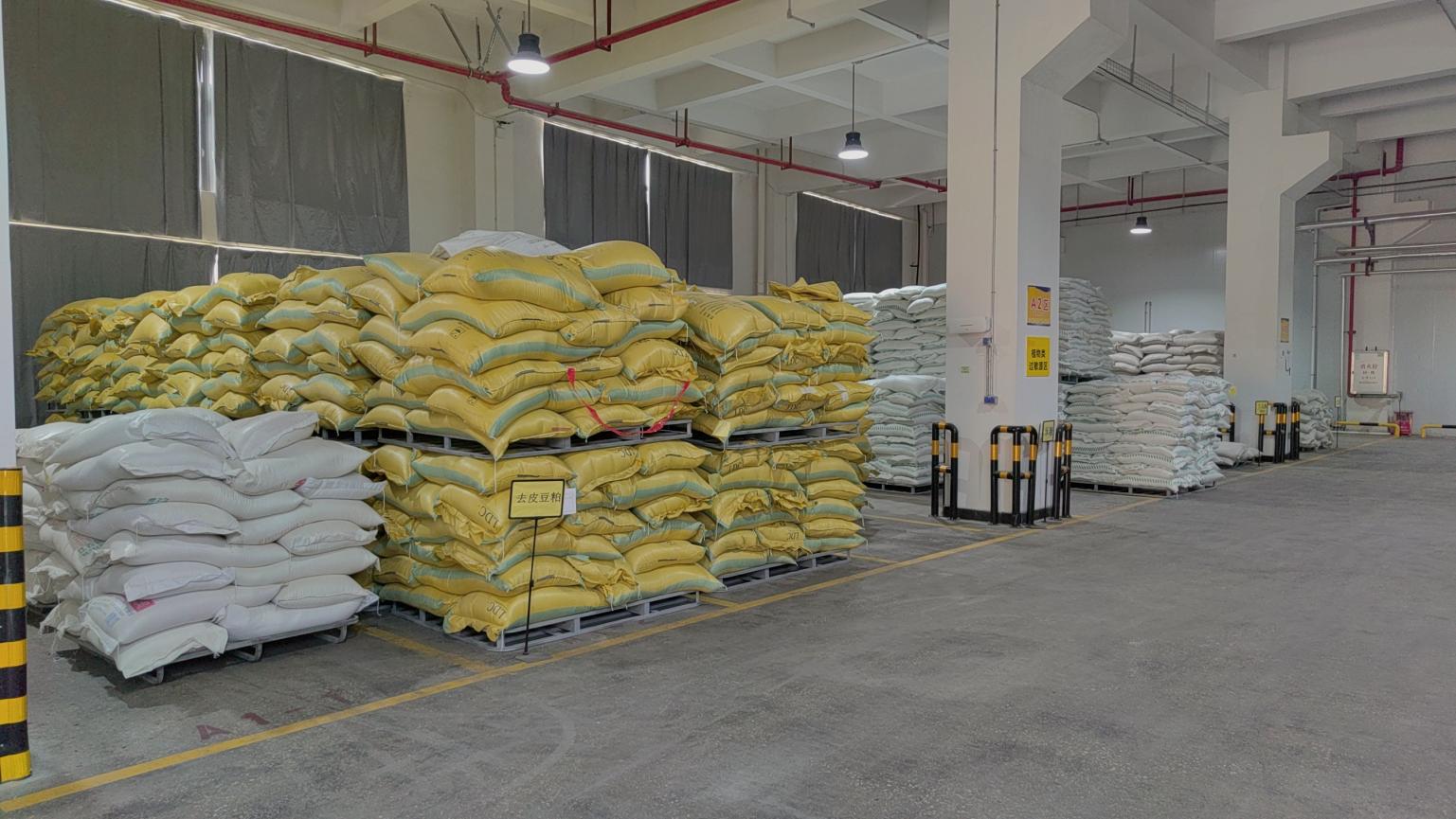
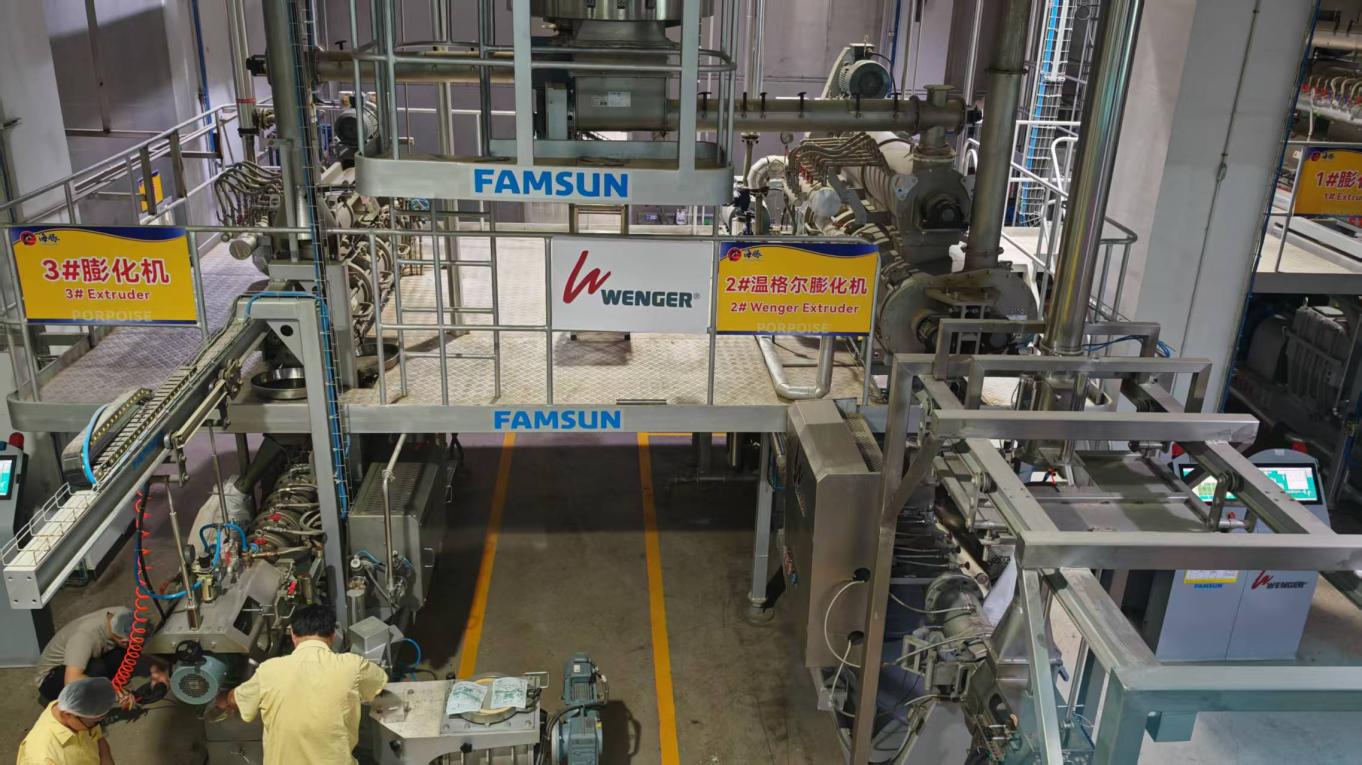
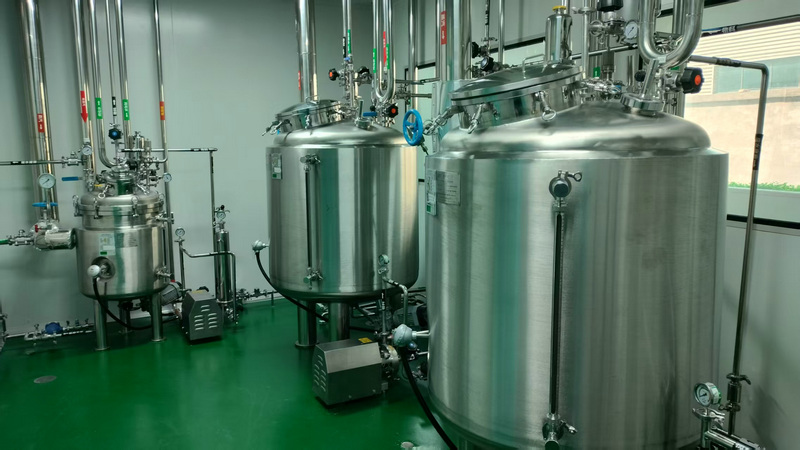
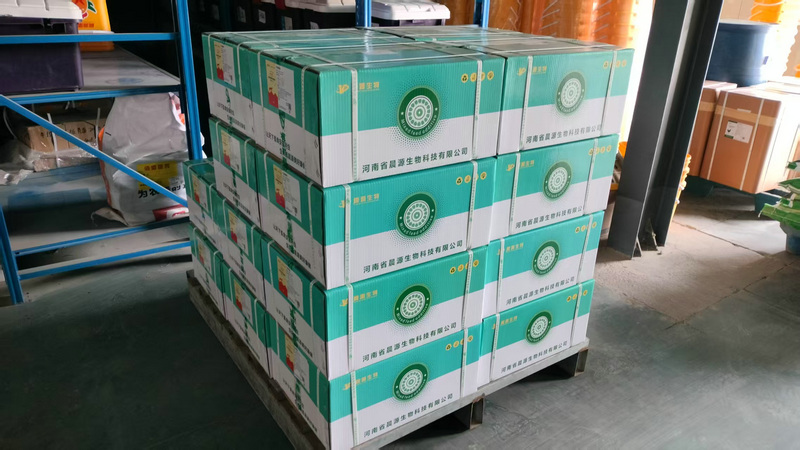
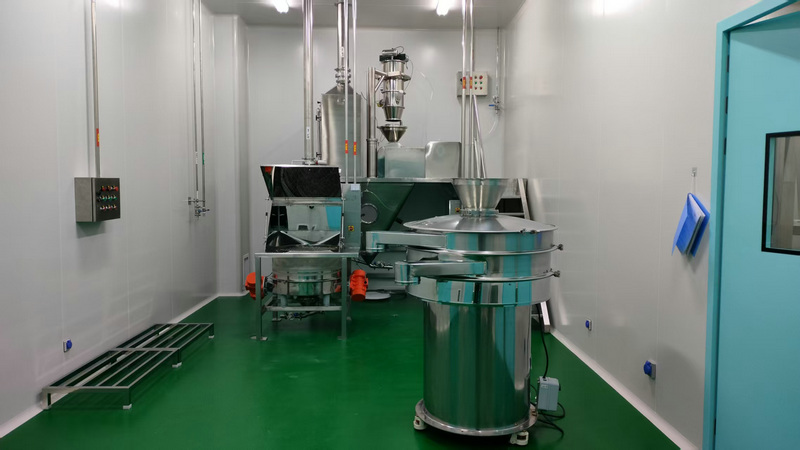
In our modern manufacturing facilities, we implement state-of-the-art technological pipelines to ensure that agricultural raw materials, botanical oils, and chemical additives undergo complete purification, stabilization, and sterile packaging. Below is the visual representation of our verified production workflow:






Unlocking the full potential of coconut oil derivatives in cosmetics, agriculture, and high-performance industrial formulations.
Modern B2B buyers no longer look at commodity prices alone. The global vegetable fat landscape is shifting toward strict compliance, carbon footprint accountability, and supply chain visibility. The key industry trends shaping this market include:
Technical steps and standards for international buyers evaluating coconut oil suppliers in China.
To ensure consistency and safety, B2B purchasing managers should follow this structured technical evaluation checklist when importing wholesale coconut oil:
| Quality Parameter | Standard Requirement (RBD Grade) | Testing Methodology |
|---|---|---|
| Free Fatty Acids (FFA) | < 0.1% (expressed as Lauric Acid) | AOCS Ca 5a-40 titration |
| Peroxide Value (PV) | < 1.0 meq/kg (at factory gate) | AOCS Cd 8b-90 |
| Moisture & Impurities | < 0.1% maximum | AOCS Ca 2c-25 oven dry |
| Iodine Value (IV) | 7.5 – 10.5 g I₂/100g | Wijs Method (AOCS Cd 1-25) |
| Saponification Value | 250 – 264 mg KOH/g | AOCS Cd 3-25 |
Addressing key industrial procurement questions regarding quality, logistics, and applications.
Consolidate your shipments with our diverse range of nutritional feed additives, chemical agents, and sports nutrition supplements.